Explore Biographies of Military & War Heroes
Understanding Courage Beyond the Battlefield
Biographies of military and war heroes reveal more than combat achievements. They explore courage under impossible conditions, discipline under pressure, and the human capacity to act decisively when fear is omnipresent. A battle may last hours. A campaign may last months. Yet the formation of a military hero often begins years earlier, in childhood, training, hardship, conviction, and the gradual shaping of character.
War hero biographies help readers understand what happens when ordinary human beings are placed in extraordinary circumstances. Some become known for tactical brilliance. Others are remembered for rescuing comrades, defending civilians, resisting occupation, leading troops through chaos, or enduring captivity with uncommon fortitude.
These stories are not merely about weapons, uniforms, or victories. They are about judgment, loyalty, sacrifice, and consequence. They show how history is shaped not only by generals and governments, but also by individuals forced to make grave decisions in moments of danger.
War Heroes as Symbols of Duty, Sacrifice, and Memory
Military heroes often become symbols larger than themselves. Their names may be attached to monuments, medals, streets, schools, ships, military bases, and national commemorations. Their stories can represent patriotism, resistance, service, liberation, or survival.
Yet symbolism should not erase humanity. A war hero is not a marble statue without doubt or pain. Behind every public honor is a person who may have experienced fear, loss, exhaustion, grief, and moral conflict. The strongest biographies preserve this complexity. They honor courage while acknowledging the cost of war.
Such biographies also function as vessels of memory. They help later generations understand why certain battles mattered, why sacrifices were made, and how individuals responded when history became perilous and immediate.
Early Life and the Making of a Soldier
Childhood, Family Background, and Formative Values
Many military biographies begin far from the battlefield. A future commander, resistance fighter, medic, pilot, sailor, infantry soldier, or national hero may first be shaped by family values, community expectations, economic hardship, education, faith, or political unrest.
Some war heroes grow up in military families where discipline and service are familiar ideals. Others come from rural villages, working-class neighborhoods, aristocratic households, frontier settlements, occupied territories, or colonized societies. Their early environments can influence their sense of duty, justice, belonging, and resilience.
Childhood may also expose future heroes to instability. Poverty, invasion, discrimination, civil conflict, or national crisis can create a profound awareness of vulnerability. For some, military service becomes a path to opportunity. For others, it becomes a moral response to danger.
The early life section of a military biography matters because it shows that heroism does not emerge in isolation. It is often formed through quiet lessons long before history calls.
Education, Training, Discipline, and Military Preparation
Military excellence requires preparation. Bravery alone is not enough. Soldiers, officers, pilots, sailors, commanders, and medics must learn tactics, endurance, navigation, communication, logistics, weapons handling, field medicine, engineering, survival methods, and the chain of command.
Training transforms instinct into capability. It teaches individuals to act under stress, follow orders, protect others, and function as part of a disciplined unit. In elite military environments, preparation can be severe. Physical strain, mental pressure, repetition, and austere routines create the habits needed for crisis.
Education may also shape military leadership. Some figures study at military academies. Others learn through battlefield experience, guerrilla resistance, naval service, intelligence operations, or revolutionary struggle. Different paths can produce different kinds of heroes.
The making of a soldier is both technical and ethical. A military figure must understand not only how to fight, but when restraint, judgment, and responsibility are required.
Defining Battles, Campaigns, and Acts of Valor
Moments of Crisis and Battlefield Leadership
Every military hero biography contains a defining moment. It may be a decisive battle, a rescue mission, a defensive stand, an evacuation, a covert operation, a prison escape, or an act of self-sacrifice under fire. These moments become central because they reveal character under maximum pressure.
Battlefield leadership is rarely calm or orderly. Smoke, noise, confusion, injury, fear, and incomplete information can overwhelm even trained soldiers. In such conditions, leadership becomes an act of clarity. A commander must decide where to move, when to hold, when to retreat, and how to preserve lives while pursuing the mission.
Some heroes are remembered for grand strategy. Others are remembered for intimate bravery: carrying wounded comrades, staying behind to protect civilians, refusing to abandon a post, or continuing to serve despite injury. These acts may not always change the outcome of a war, but they can transform the lives of those who survive because of them.
Heroism often happens in seconds. Its meaning can last for centuries.
Strategy, Sacrifice, Survival, and Moral Pressure
War is not only a contest of force. It is also a contest of judgment. Military heroes may face strategic dilemmas where every option carries risk. A wrong decision can cost lives. A delayed decision can be equally disastrous.
Sacrifice is a recurring theme. Some figures sacrifice comfort, safety, family life, youth, reputation, or health. Others make the ultimate sacrifice. Many survive physically but carry invisible wounds long after the war ends.
Survival itself can become heroic. Prisoners of war, resistance fighters, medics, refugees turned soldiers, and civilians who join liberation movements may endure deprivation, interrogation, disease, hunger, and isolation. Their courage is not always dramatic. Sometimes it is the stubborn refusal to surrender dignity.
Moral pressure adds another layer. War can blur certainty. Orders, loyalty, fear, propaganda, civilian danger, and national duty can create ethical torment. A thoughtful military biography does not ignore this. It examines the person’s choices within the harsh conditions of their era.
Character, Leadership, and Human Complexity
Courage, Loyalty, Resilience, and Command
Military heroes are often associated with courage, but courage has many forms. Physical courage involves facing danger. Moral courage involves telling the truth, resisting cruelty, protecting the vulnerable, or refusing dishonorable conduct even when obedience would be easier.
Loyalty is also central. Soldiers depend on trust. A unit survives through mutual reliance, discipline, and shared burden. Many war heroes are remembered not because they sought glory, but because they refused to abandon others.
Resilience is equally important. Campaigns can be long, cold, hungry, and demoralizing. Defeat may come before victory. Reinforcements may not arrive. Supplies may fail. Letters from home may stop. Under such conditions, resilience becomes a form of command.
Leadership is not merely rank. A person without high title can still inspire others through steadiness, competence, and example. In war biographies, authority often comes from conduct.
The Psychological Burden of War
No honest biography of military and war heroes should treat combat as effortless glory. War leaves marks. Veterans may carry grief, trauma, survivor’s guilt, physical disability, insomnia, memory fragments, or emotional estrangement from civilian life.
The psychological burden of war can continue for decades. Some heroes return to public honor but private anguish. Others become advocates for peace, veterans’ welfare, historical memory, or reconciliation. A few withdraw from public life entirely.
This complexity does not diminish heroism. It deepens it. The willingness to serve under dangerous conditions does not make a person immune to suffering. In fact, the aftermath often reveals another kind of courage: the struggle to live with memory.
Military biographies are strongest when they show the whole person, not only the decorated figure. A medal may represent valor. It cannot contain the entire human cost.
Recognition, Legacy, and Historical Impact
Medals, Honors, Memorials, and Public Remembrance
War heroes are often recognized through medals, citations, military honors, state ceremonies, memorials, monuments, and national days of remembrance. These symbols help societies express gratitude, grief, and respect.
Medals can signify extraordinary action, but they also compress complex stories into brief official language. A citation may mention bravery in a few lines, while the real event involved fear, blood, confusion, and irreversible consequences. Biography expands what formal recognition cannot fully capture.
Memorials also play an important role. They preserve public memory and remind later generations of sacrifice. However, remembrance should be thoughtful rather than ornamental. It should encourage understanding, not empty ritual.
The way a nation remembers its military heroes often reveals how it understands its own history.
Influence on Nations, Military History, and Future Generations
Some military figures change the direction of wars. Others shape national identity. A commander may introduce new strategy. A resistance leader may inspire liberation. A medic may redefine battlefield care. A decorated soldier may become a symbol of courage for future recruits.
Their influence can extend beyond military history. War heroes may enter politics, write memoirs, support humanitarian causes, advise governments, teach strategy, or advocate for peace. Their lives may influence literature, cinema, education, and public memory.
Future generations study these biographies not only to learn what happened, but to understand how people behave under pressure. Their stories provide examples of resolve, prudence, sacrifice, and sometimes warning.
Legacy is not always simple. Some figures once celebrated may later be reassessed. Historical context, new evidence, and changing moral perspectives can alter public interpretation. Serious biography allows this complexity.
Why These Biographies Still Matter Today
Lessons in Service, Responsibility, and Endurance
Military and war hero biographies continue to matter because they teach enduring lessons. They show that service often requires discipline before recognition. They show that responsibility may demand personal risk. They show that endurance is not glamorous, but essential.
These stories also help readers understand leadership in extreme conditions. A battlefield is not a boardroom, yet the principles of clarity, courage, preparation, accountability, and care for others remain relevant beyond war.
The lives of military heroes can inspire reflection on civic duty, moral responsibility, and the fragility of peace. They remind readers that freedom, stability, and national survival have often depended on people willing to act in dangerous circumstances.
Preserving Memory Without Glorifying War
The purpose of exploring war hero biographies should not be to romanticize violence. War is destructive. It breaks families, cities, bodies, economies, and generations. To honor courage is not to celebrate suffering.
A responsible biography can recognize bravery while remaining sober about war’s devastation. It can praise sacrifice without turning conflict into spectacle. It can preserve memory without encouraging militaristic mythology.
Military and war heroes deserve to be studied because their lives illuminate the most intense conditions of human decision-making. They reveal courage, fear, loyalty, trauma, sacrifice, and endurance. They show what people can become when history demands more than ordinary life usually asks.
To explore these biographies is to remember that heroism is not only found in victory. Sometimes it is found in protection, restraint, survival, service, and the difficult effort to carry memory forward.
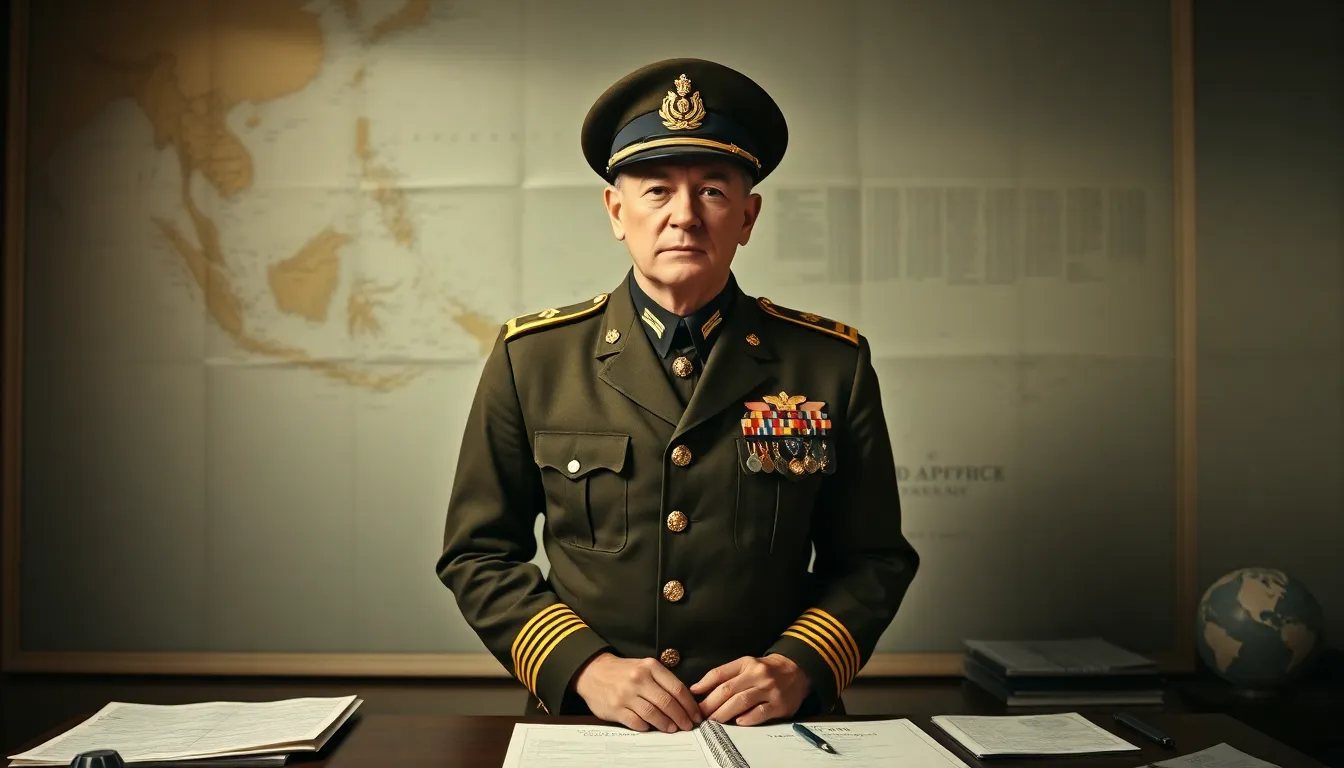
Admiral Chester William Nimitz served as the Commander in Chief of the United States Pacific Fleet and Pacific Ocean Areas during World War II. His strategic leadership shaped the outcome of the Pacific war and left a lasting imprint on American naval doctrine.
Alan Mathison Turing (1912‑1954) was a British mathematician whose work at Bletchley Park during World War II helped decrypt the German Enigma cipher, significantly influencing the Allied war effort. His legacy spans computing, cryptanalysis, and modern discussions of civil rights.
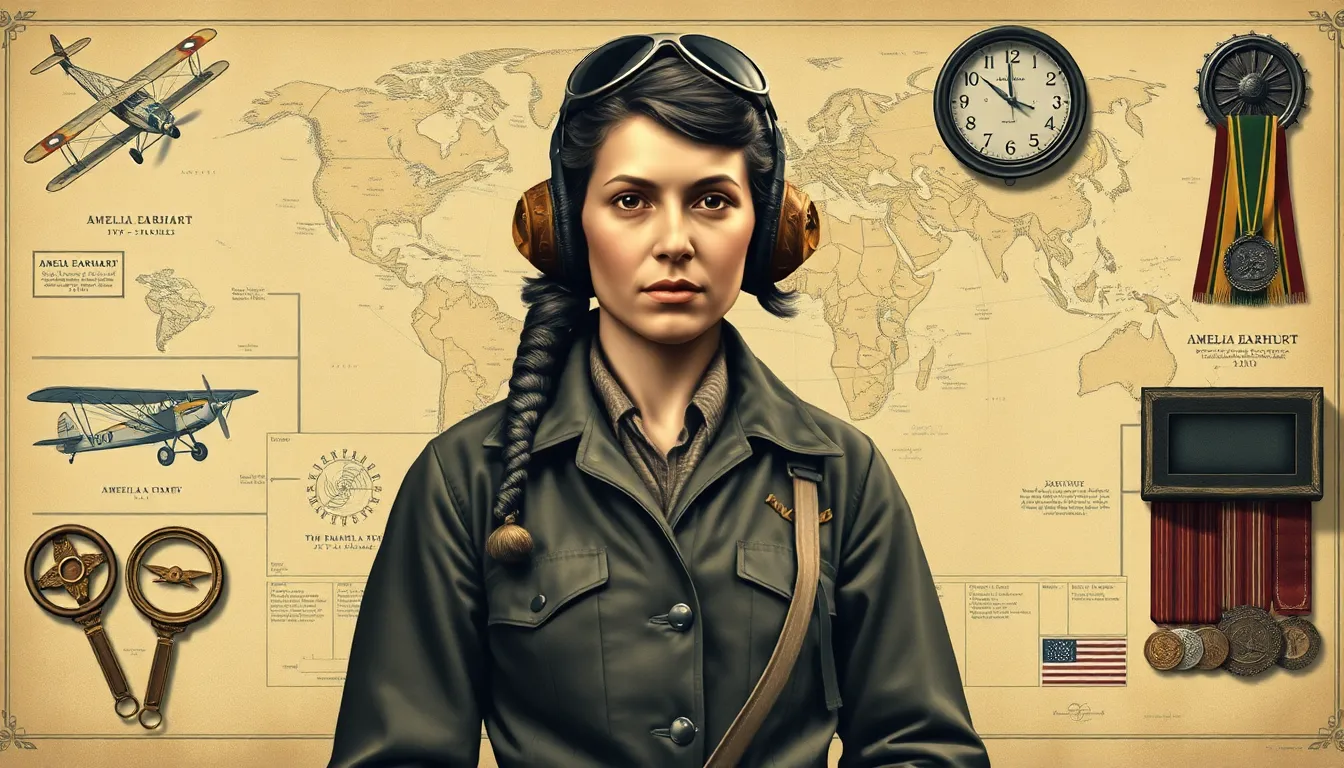
Amelia Earhart (1897‑1937) was a pioneering American aviator whose public profile extended into the pre‑World War II era, where she advocated for civil‑air‑training and contributed to U.S. military aviation policy. Though she never held a combat command, her influence on the development of women’s roles in the armed forces remains a notable part of her legacy.
Audie Murphy was the United States’ most decorated World War II soldier, later a Hollywood actor, whose life spanned combat heroism, public fame, and a tragic early death.
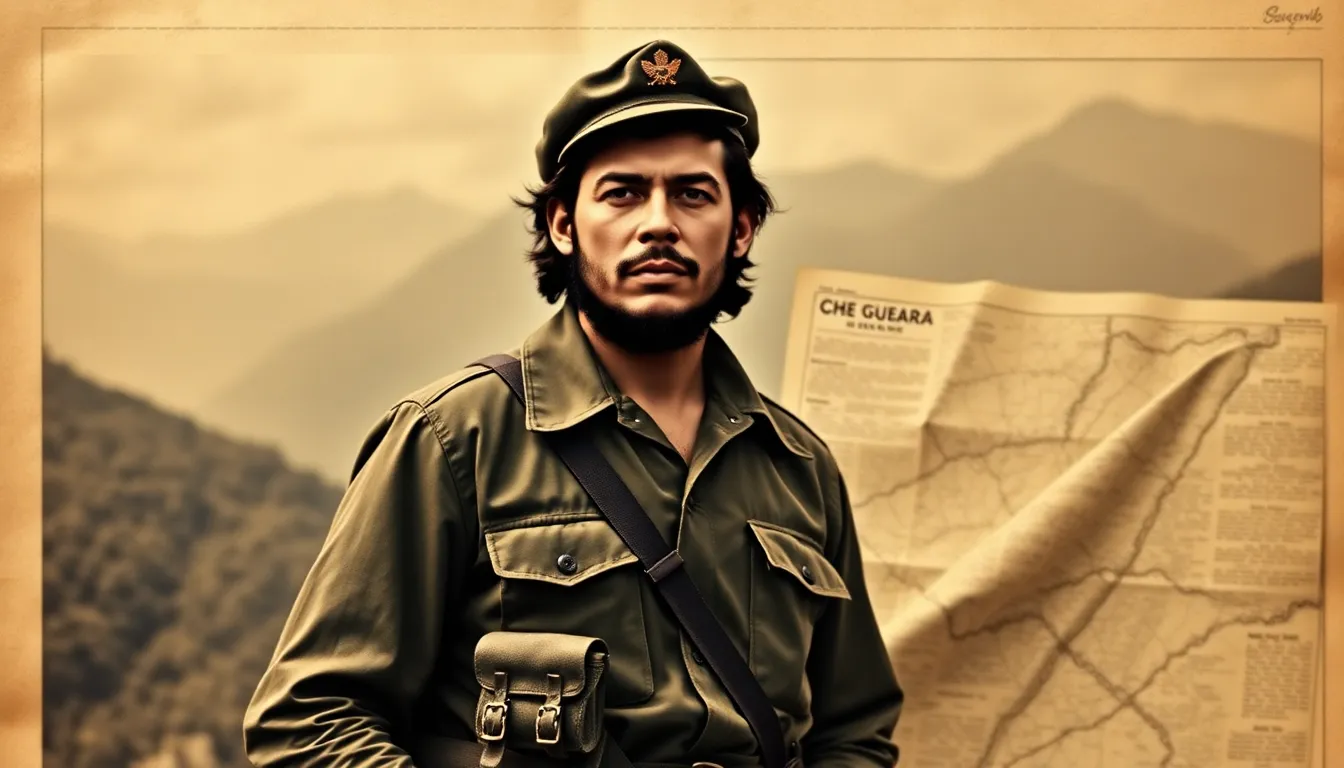
Ernesto “Che” Guevara (1928‑1967) was an Argentine‑born physician, guerrilla leader, and key figure in the Cuban Revolution. This biography examines his early life, military engagements, strategic decisions, controversies, and posthumous legacy.
Dwight D. Eisenhower rose from a modest Texas birth to become Supreme Allied Commander in World War II, later serving as U.S. President. This biography traces his military formation, wartime leadership, and lasting legacy.
George S. Patton was a senior United States Army officer who played a pivotal role in shaping the outcome of World War II through his leadership of the Third Army and his advocacy of armored warfare.
Hannibal Barca (247–c.183 BC) was a Carthaginian commander best known for his audacious crossing of the Alps and his leadership during the Second Punic War against Rome. His tactics and strategic vision remain subjects of scholarly study and military teaching.
Hernán Cortés (1485‑1547) was a Spanish conquistador whose expedition led to the fall of the Aztec Empire and fundamentally reshaped the history of the Americas.
John J. Pershing (1860–1948) was the senior United States Army officer who commanded the American Expeditionary Forces (AEF) on the Western Front in World War I. His career spanned the Indian Wars, the Spanish–American War, the Philippine–American War, and culminated in the decisive leadership of U.S. forces in Europe.
Napoleon Bonaparte rose from a modest Corsican background to dominate European warfare, reshaping the art of strategy and statecraft during the Revolutionary and Napoleonic eras.
Robert E. Lee (1807–1870) was a career United States Army officer who became the commanding general of the Confederate States Army during the American Civil War. His military leadership, strategic decisions, and postwar legacy remain subjects of extensive scholarly debate.
Toussaint Louverture (1743‑1803) emerged from slavery to become the foremost military and political leader of the Haitian Revolution, shaping the first successful slave revolt that created an independent nation.
An encyclopedic biography of Union General William T. Sherman, focusing on his early life, military career, the 1864 March to the Sea, and his post‑war legacy.
Thad William Allen is a retired United States Coast Guard admiral who served as the 23rd Commandant and led multiple national disaster responses, including Hurricane Katrina and the Deepwater Horizon oil spill.
Valentina Tereshkova, the first woman in space, rose from a textile factory in the Soviet Union to become a celebrated Soviet Air Force officer and a symbol of Cold‑War competition.
Keith B. Alexander is a retired United States Army lieutenant general who served as the first commander of U.S. Cyber Command and as director of the National Security Agency. The biography details his early life, military career, cyber‑warfare initiatives, controversies, and post‑government activities.
A factual, encyclopedia‑style overview of the limited publicly available information on former Delta Force operator Eric ONeill, his military service, and his post‑service legacy.
Wernher von Braun (1912‑1977) was a German‑born rocket engineer whose work on the V‑2 weapon during World War II and later the U.S. space program made him one of the most influential figures in aerospace history.
Fritz Haber (1868‑1934) was a German chemist whose scientific achievements earned him a Nobel Prize, but whose wartime work on chemical weapons made him a controversial figure in military history.
Dwight D. Eisenhower (1890‑1969) rose from a modest Kansas farm to become Supreme Allied Commander in World War II and the 34th President of the United States, leaving a lasting imprint on military strategy and postwar geopolitics.
Norman Schwarzkopf (1934‑2012) was a United States Army general who commanded Coalition forces during the Gulf War. His career spanned three decades of service, shaping modern U.S. joint operations and earning a place in military history.
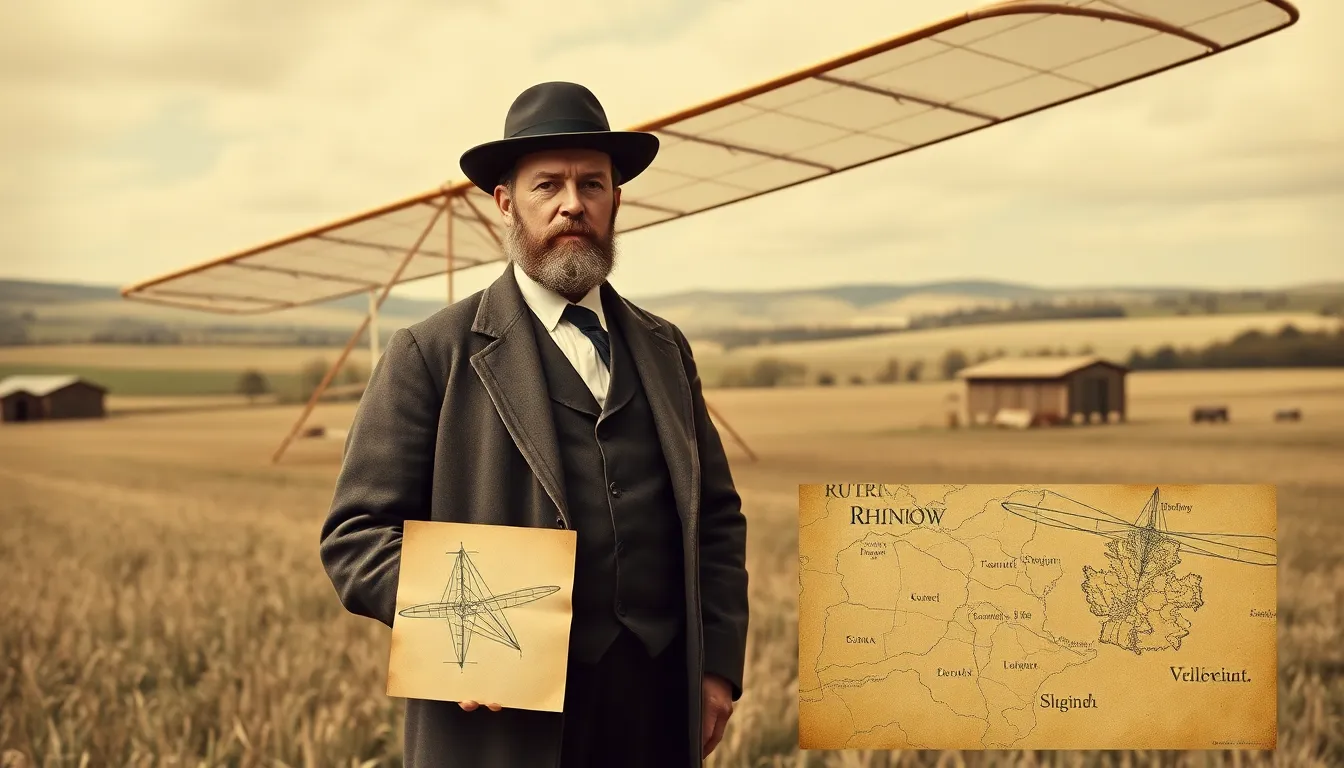
Otto Lilienthal (1848–1896) was a German engineer and aviation pioneer whose glider experiments laid the technical foundations for powered flight and later influenced military aviation doctrine.
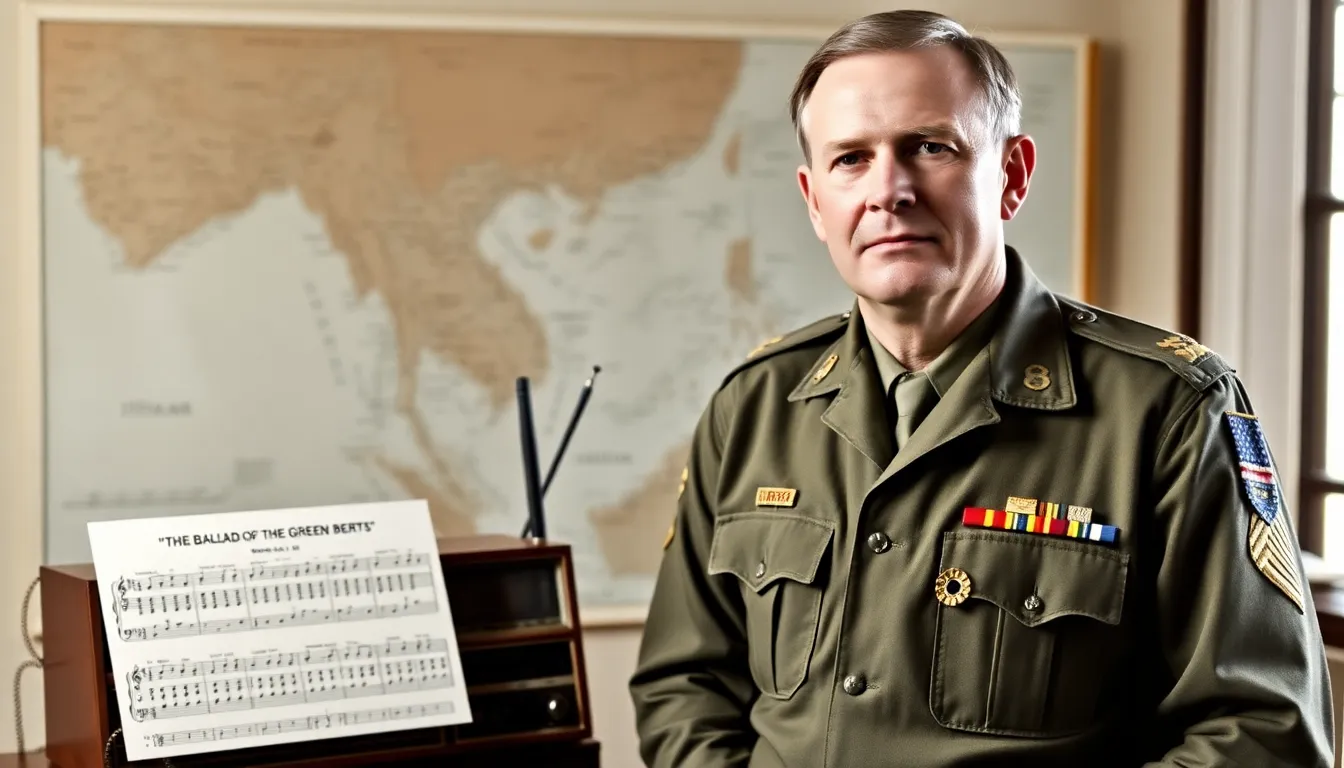
Barry Sadler (1939–1989) was a United States Army Staff Sergeant, Special Forces operative, and the author‑singer of the 1966 hit “The Ballad of the Green Berets.” His life spanned military service in Vietnam, a brief entertainment career, and later legal controversy.
Igor Sikorsky (1889‑1972) was a pioneering aviator of the Russian Empire and later the United States, whose wartime service as a pilot and later as a helicopter designer left a lasting imprint on military aviation.
William J. “Wild Bill” Donovan (1883–1959) was a United States Army officer, lawyer, and the founder of the Office of Strategic Services, the precursor to the CIA. His career spanned two world wars, influential intelligence operations, and a brief foray into post‑war politics.
Charles Elwood “Chuck” Yeager (1923‑2020) was a United States Air Force fighter pilot and test pilot best known for becoming the first person to break the sound barrier in level flight.
John Glenn was a U.S. Marine Corps fighter pilot in World War II and the Korean War, the first American to orbit Earth, and a long‑serving U.S. senator. This biography details his early life, military service, spaceflight, and lasting legacy.
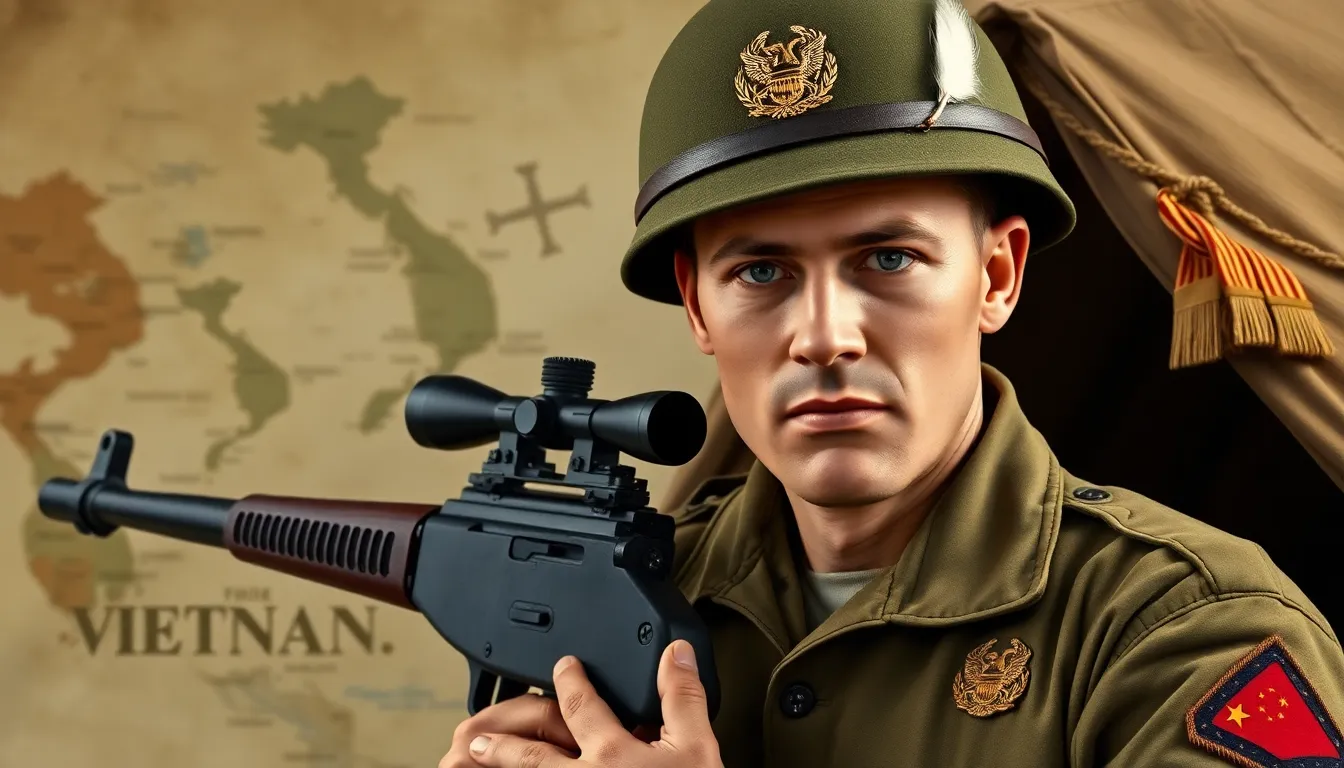
Carlos Hathcock was a United States Marine Corps sniper whose record during the Vietnam War made him one of the most celebrated marksmen in U.S. military history. His career, famed for both documented achievements and later mythologizing, reflects the complexities of modern warfare and the evolving role of precision shooting.
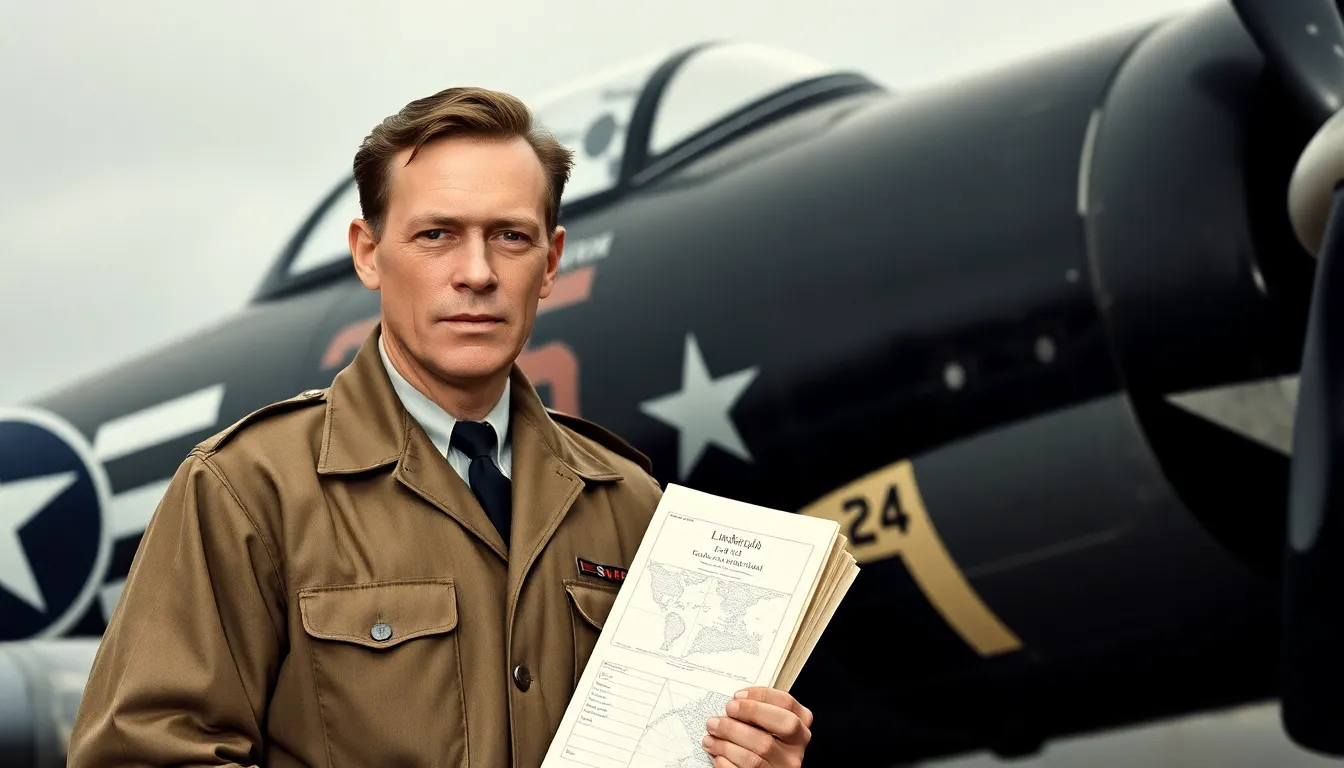
Charles A. Lindbergh (1902–1974) was an American aviator whose solo trans‑Atlantic flight made him a global celebrity. He later served as a military consultant and reserve officer, influencing aircraft development and operational doctrine during World War II.
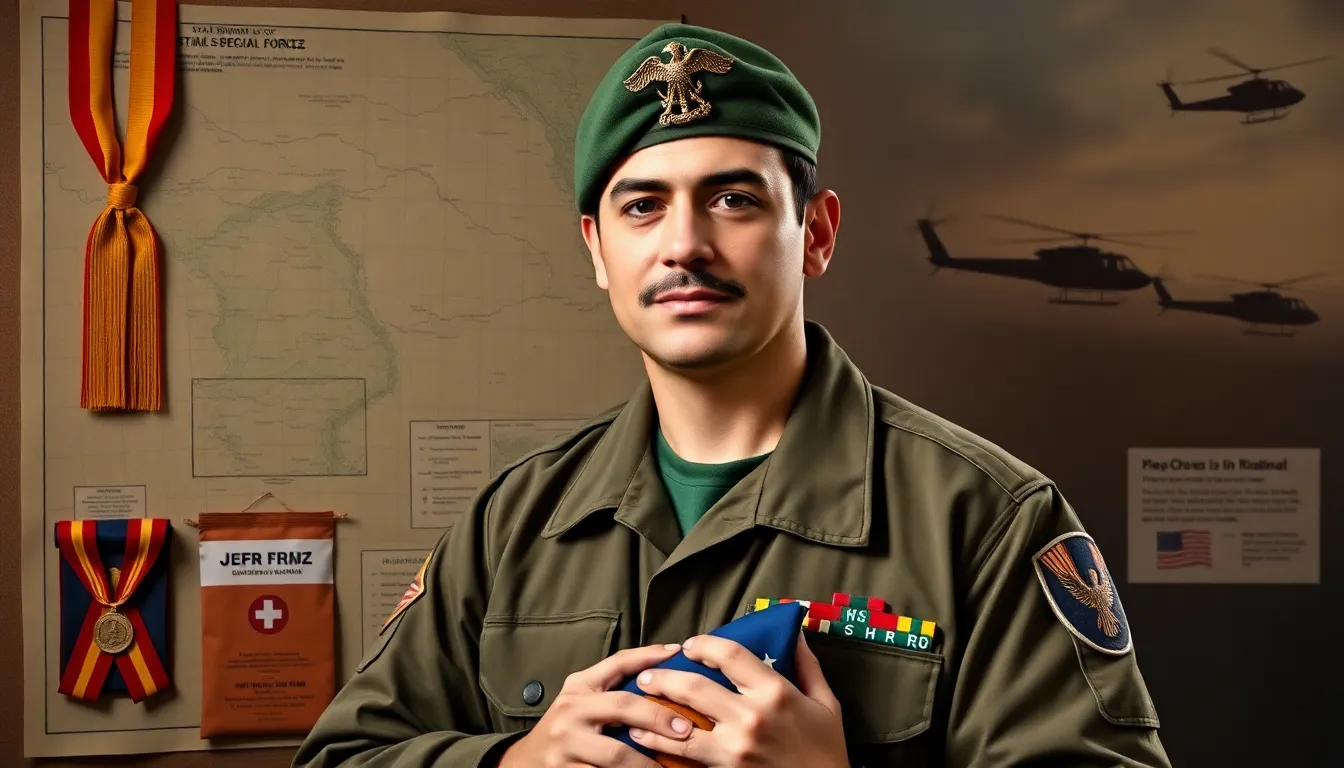
Roy Benavidez was a United States Army Special Forces soldier and Medal of Honor recipient whose actions during the Vietnam War exemplify extraordinary bravery under fire. This biography examines his early life, military career, the 1968 rescue mission that earned him the nation’s highest decoration, and his postwar legacy.
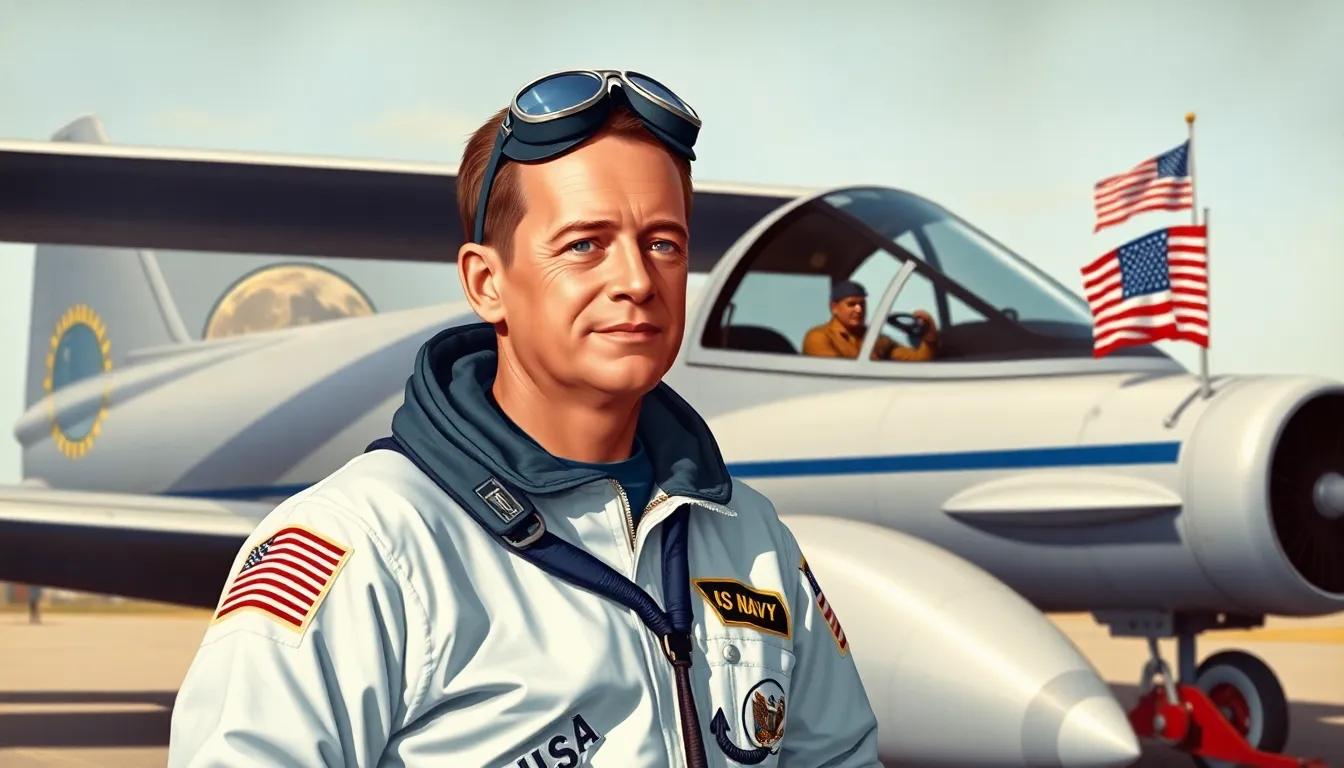
Neil Armstrong, the first human to set foot on the Moon, began his distinguished career as a United States Navy aviator and later as a test pilot for experimental rocket aircraft, before becoming a historic astronaut.
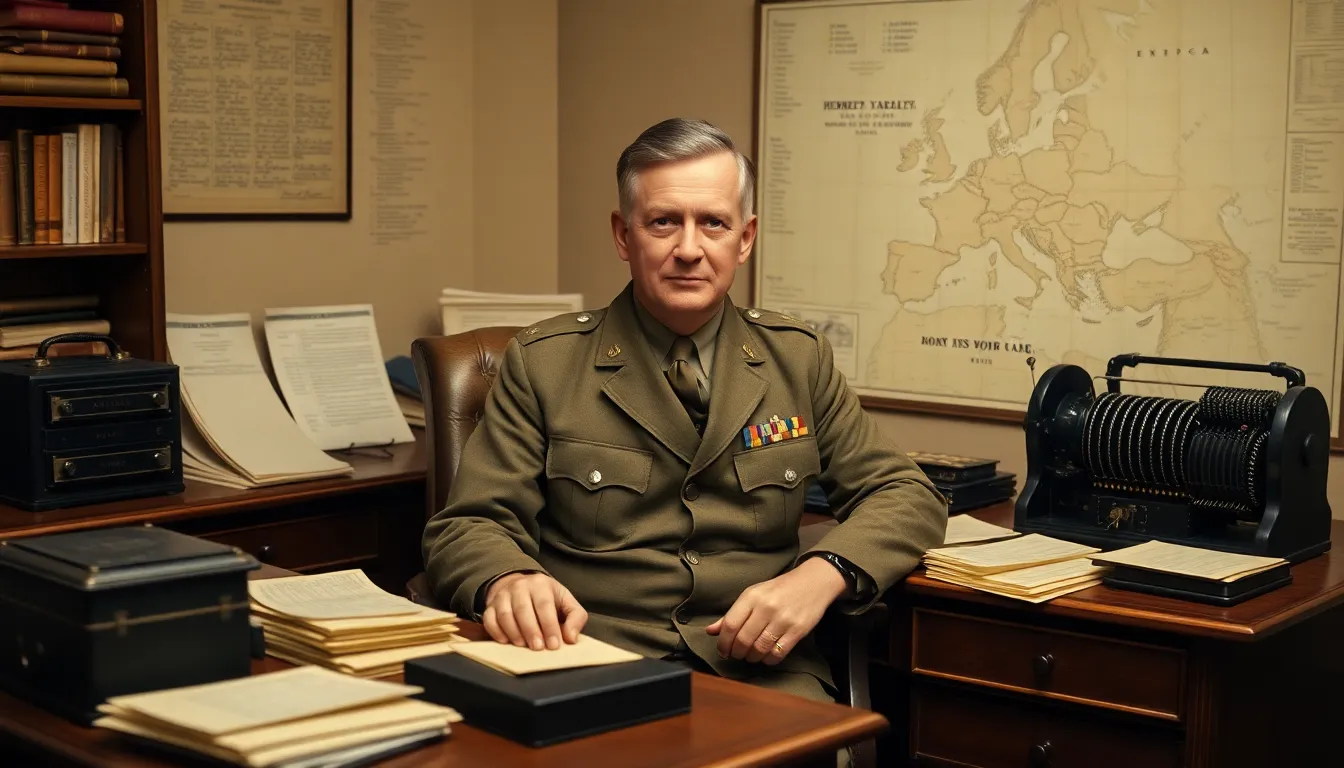
Herbert O. Yardley (1889–1958) was an American cryptographer who headed the U.S. Army’s first peacetime signals‑intelligence unit, the Black Chamber, and later authored a controversial memoir that exposed American code‑breaking activities.
Omar Bradley (1893–1981) was a senior U.S. Army field commander in World War II, later serving as Army Chief of Staff and Chairman of the Joint Chiefs of Staff. This biography explores his early life, military career, key campaigns, leadership style, and lasting legacy.
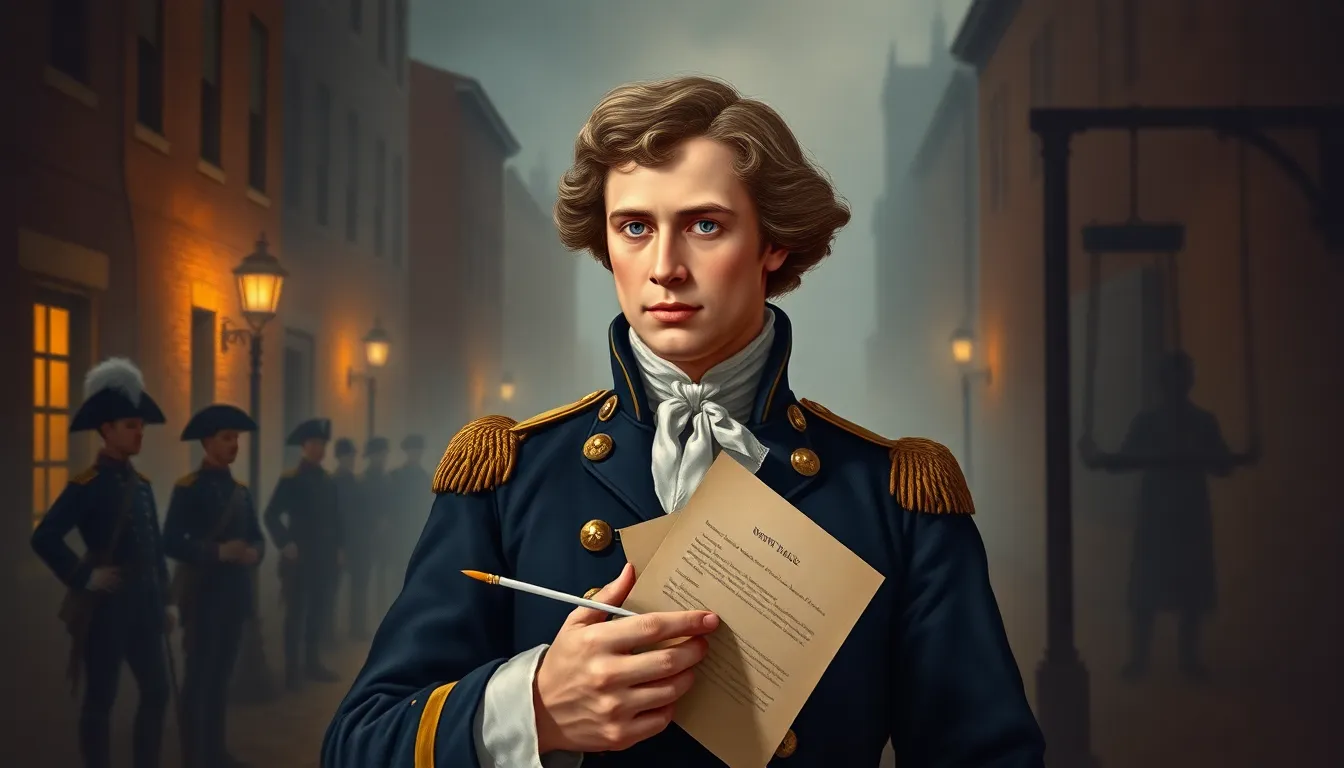
Nathan Hale (1755–1776) was a young American officer who volunteered as a spy for the Continental Army during the Revolutionary War, captured by the British and executed after a brief trial.
George S. Patton was a senior United States Army officer known for his bold leadership in both World Wars. His career spanned the interwar period, the development of armored warfare, and controversial postwar years.
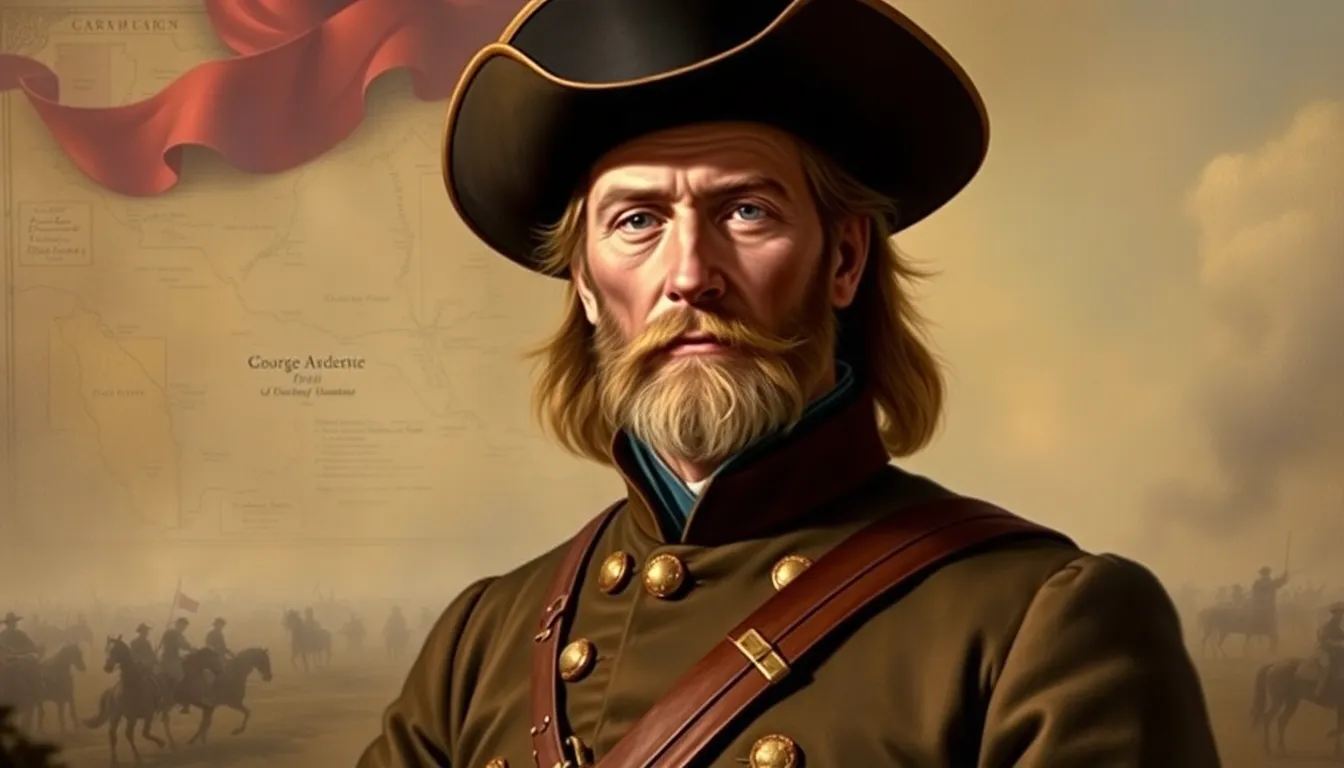
George Armstrong Custer was a United States Army officer whose career spanned the Civil War, the Indian Wars, and ended at the Battle of Little Bighorn. This biography examines his early life, military service, controversial decisions, and the ways his memory has been shaped over time.
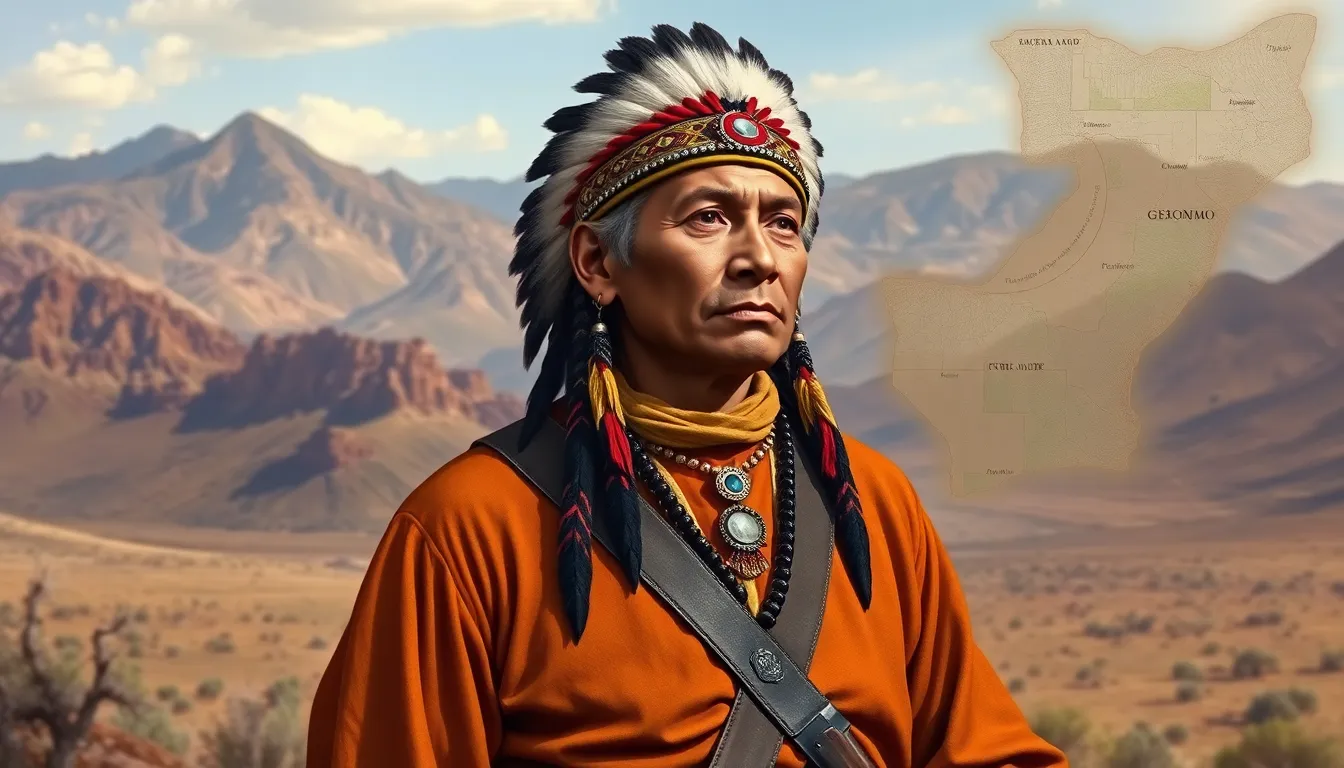
Geronimo (1829–1909) was a prominent leader of the Bedonkohe band of the Apache nation who resisted United States and Mexican expansion for decades. His complex legacy blends documented military actions, oral traditions, and later mythmaking.
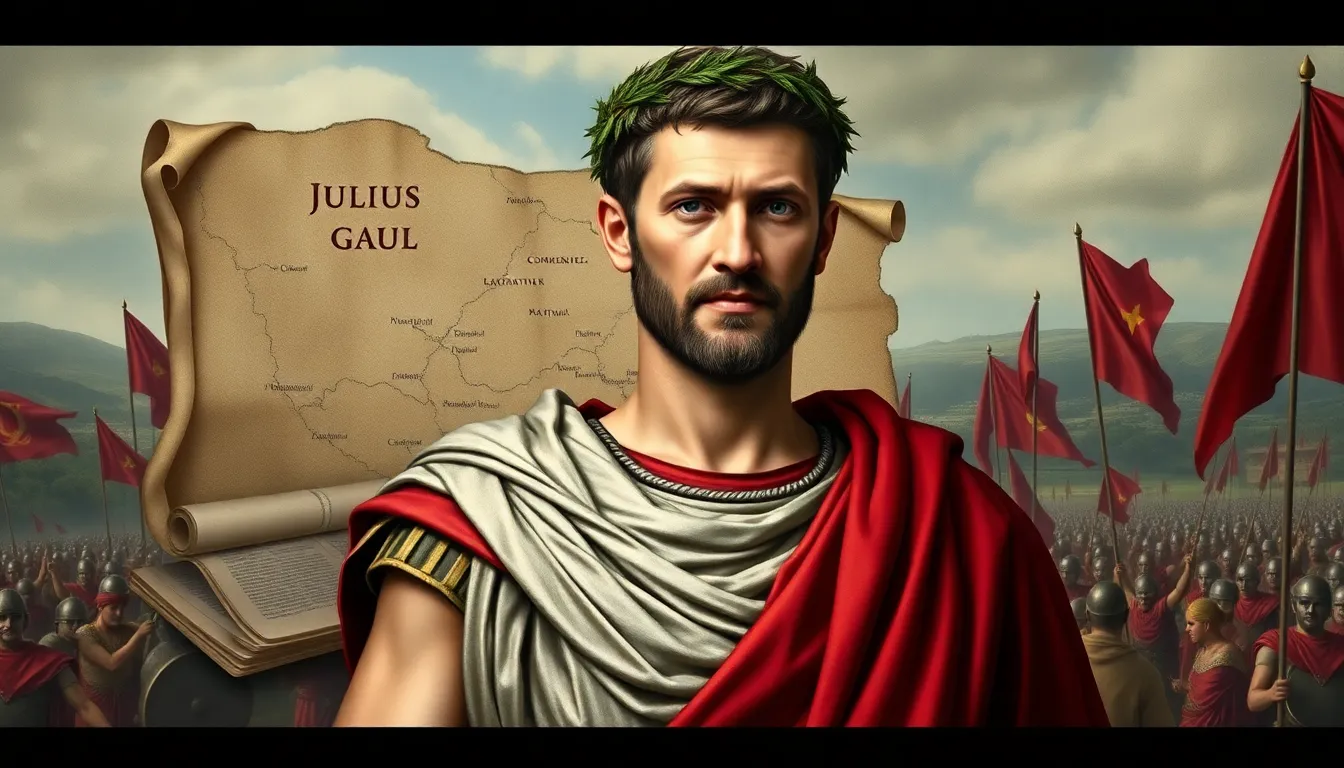
Julius Caesar (100–44 BC) was a Roman general whose campaigns in Gaul, Britain, and the civil wars of the late Republic reshaped the ancient world. His writings and reforms left a lasting imprint on military theory and political history.
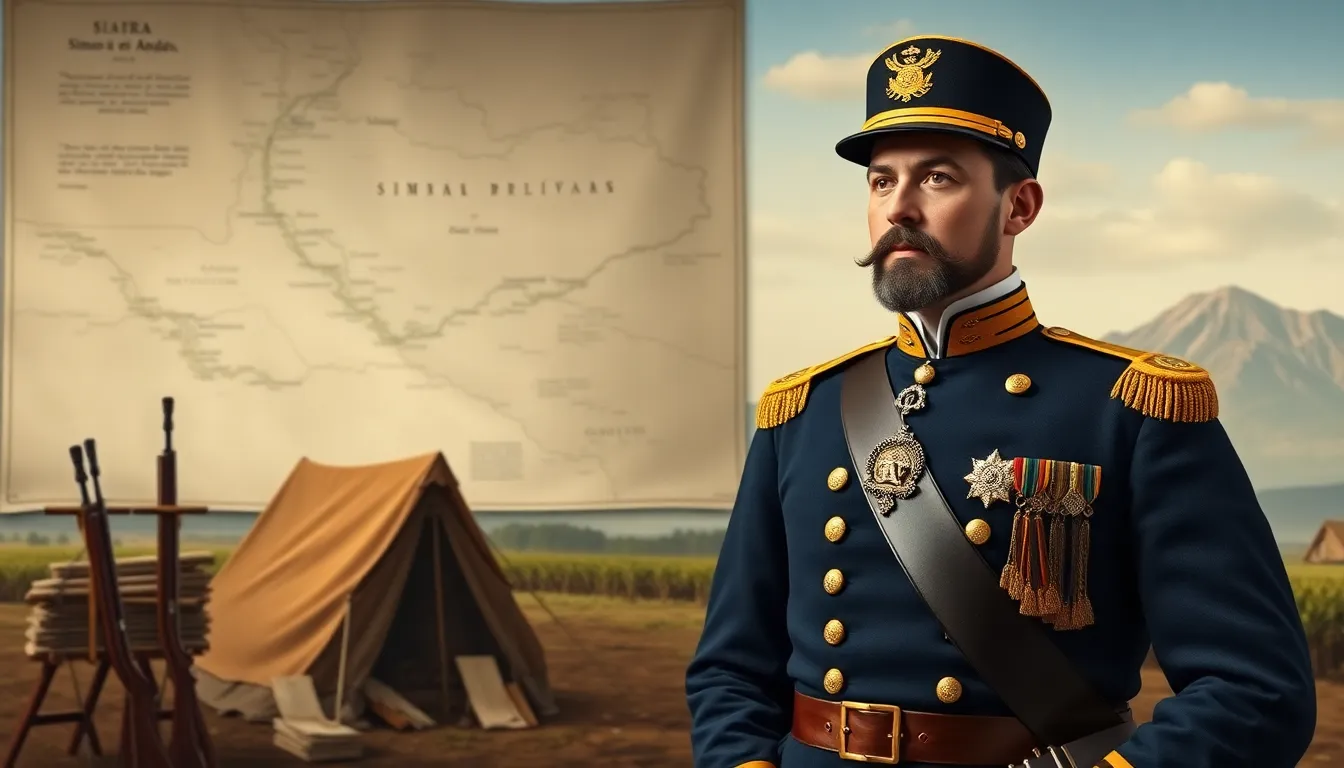
Simon Bolívar (1783‑1830) was a Venezuelan military leader whose campaigns liberated much of northern South America from Spanish rule. His strategic acumen, political vision, and enduring myth have shaped the region’s modern identity.
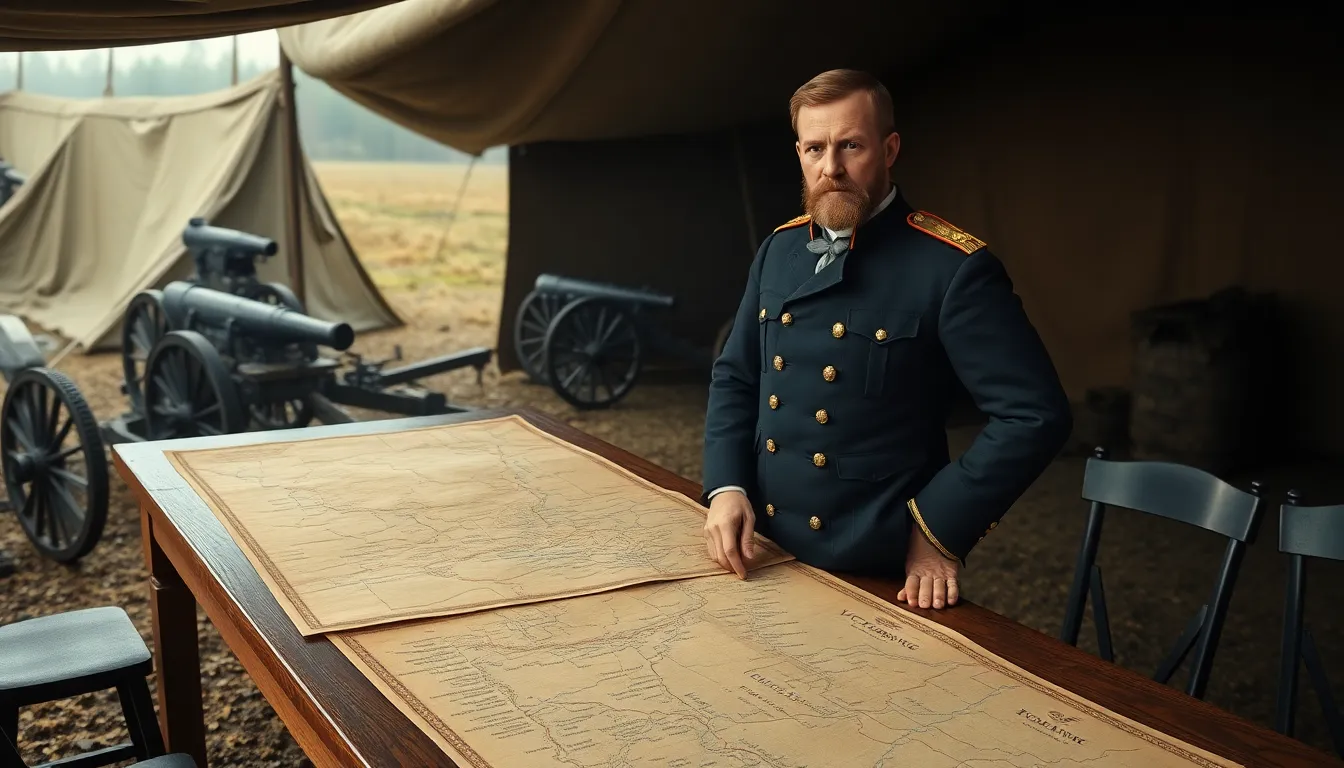
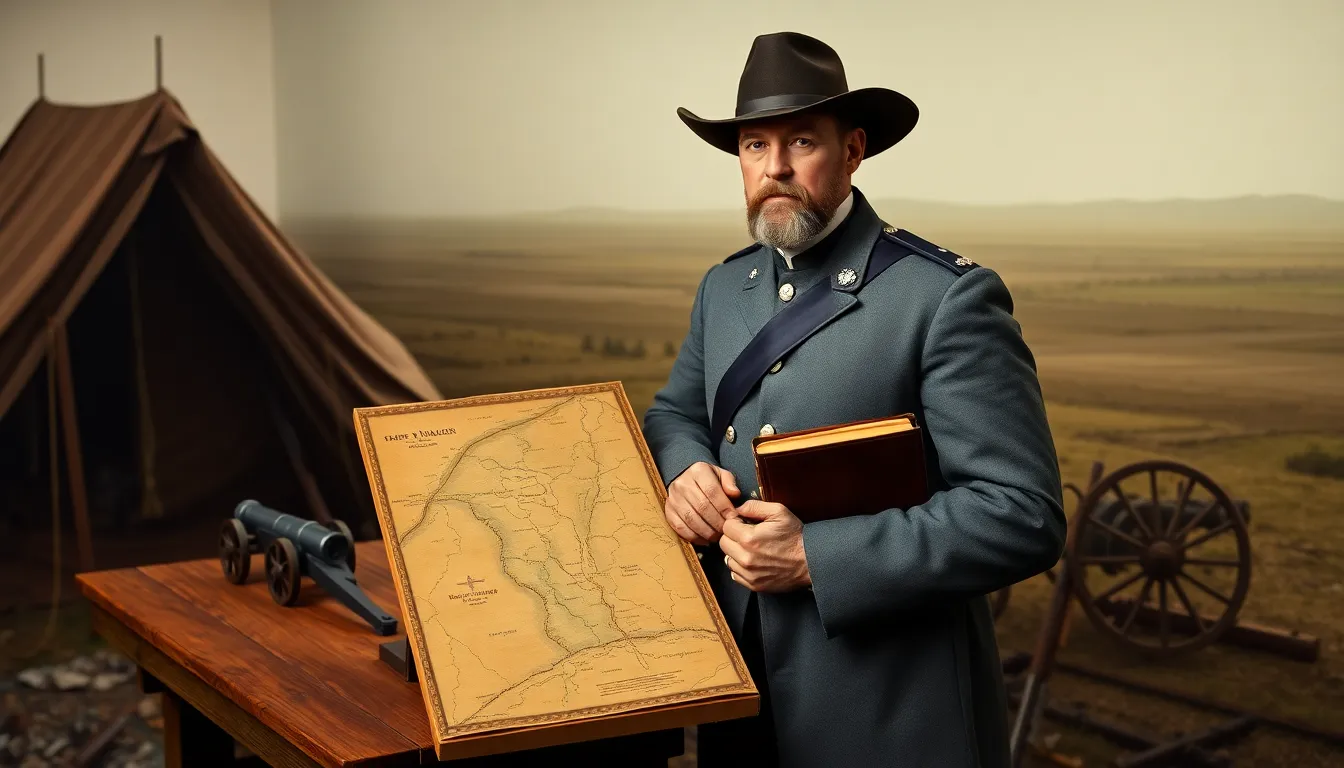
Ulysses S. Grant rose from modest frontier beginnings to become the Union’s most effective commander in the American Civil War, later serving two terms as President of the United States.
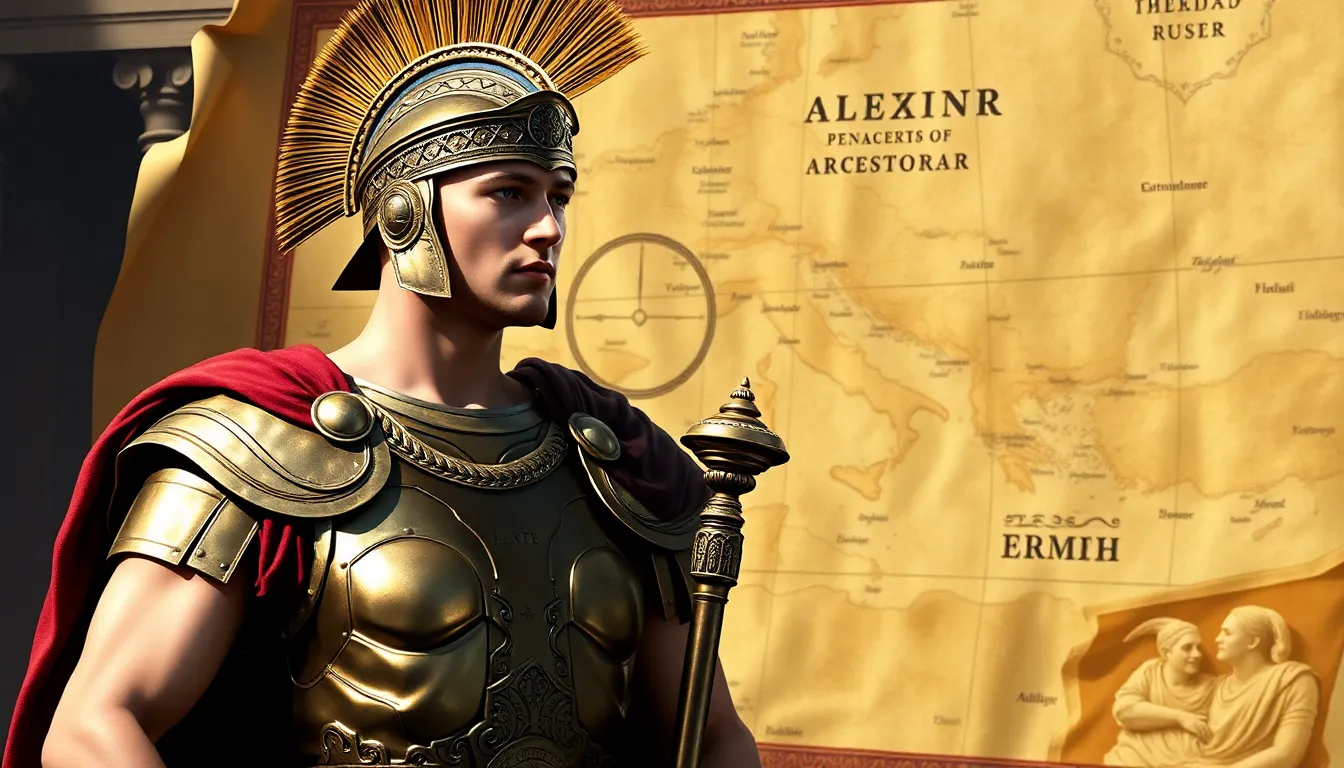
Alexander III of Macedon (356–323 BC) rose from a royal court in the ancient kingdom of Macedon to become one of history’s most celebrated military commanders, creating an empire that stretched from Greece to the Indus Valley.
Douglas MacArthur (1880‑1964) was a senior United States Army officer who commanded Allied forces in the Pacific during World War II. His career spanned five decades, encompassing the Philippine‑American War, World War I, and the Korean War, and he remains a controversial figure in military history.
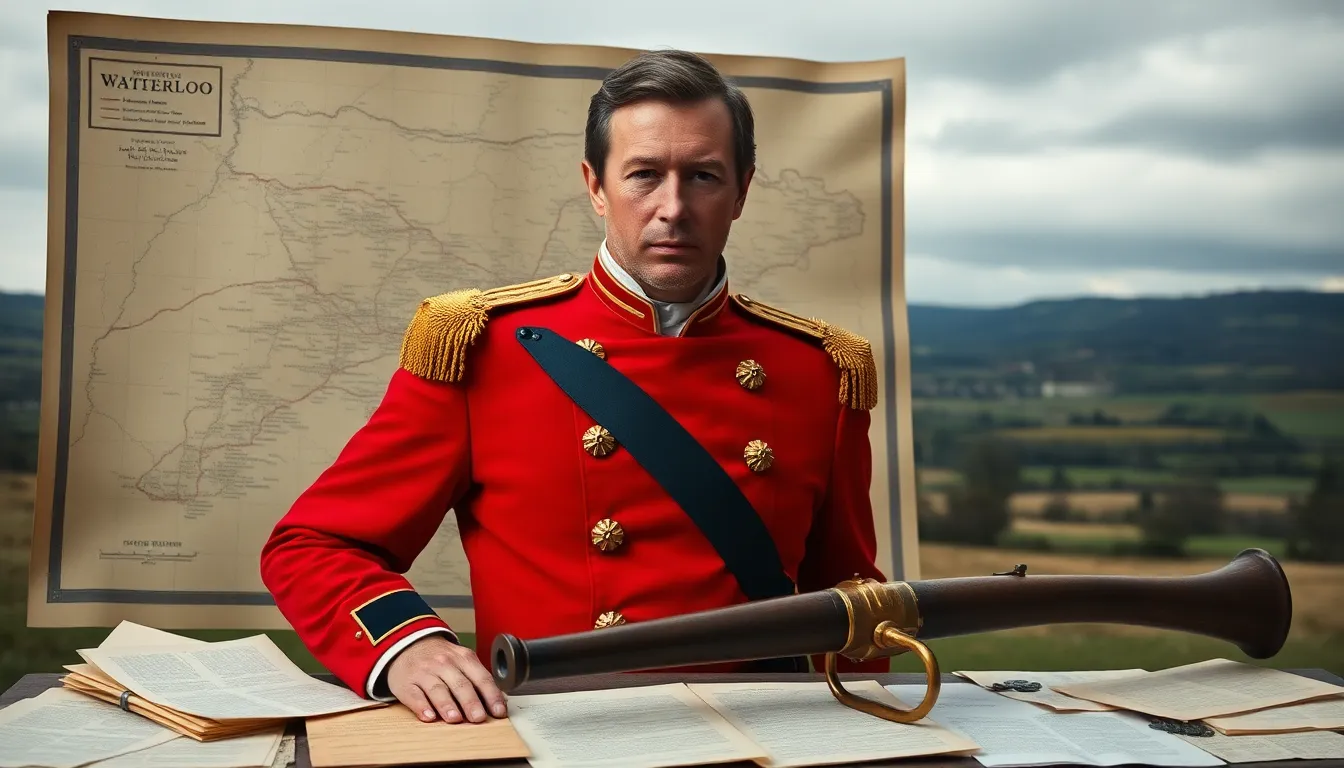
Arthur Wellesley, 1st Duke of Wellington, rose from an Irish gentry family to become Britain’s leading military commander during the Napoleonic Wars, culminating in his decisive victory at Waterloo in 1815.
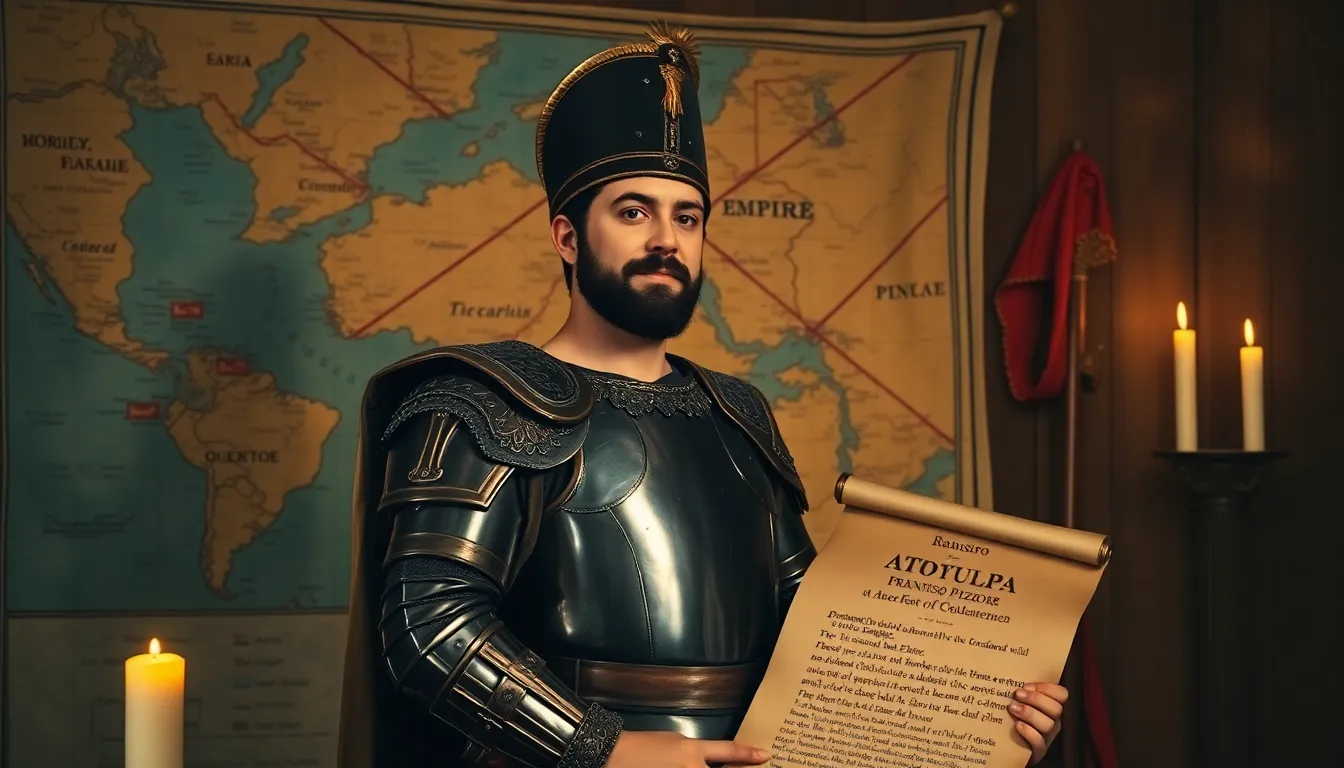
Francisco Pizarro (c. 1478‑1541) was the Spanish captain who led the conquest of the Inca Empire, establishing colonial rule over Peru. This biography examines his early years, military career, decisive campaigns, controversies, and enduring legacy.
Thomas Jonathan “Stonewall” Jackson (1824–1863) was a Confederate general noted for his aggressive tactics during the American Civil War. This biography outlines his early life, military career, key campaigns, controversies, and posthumous legacy.
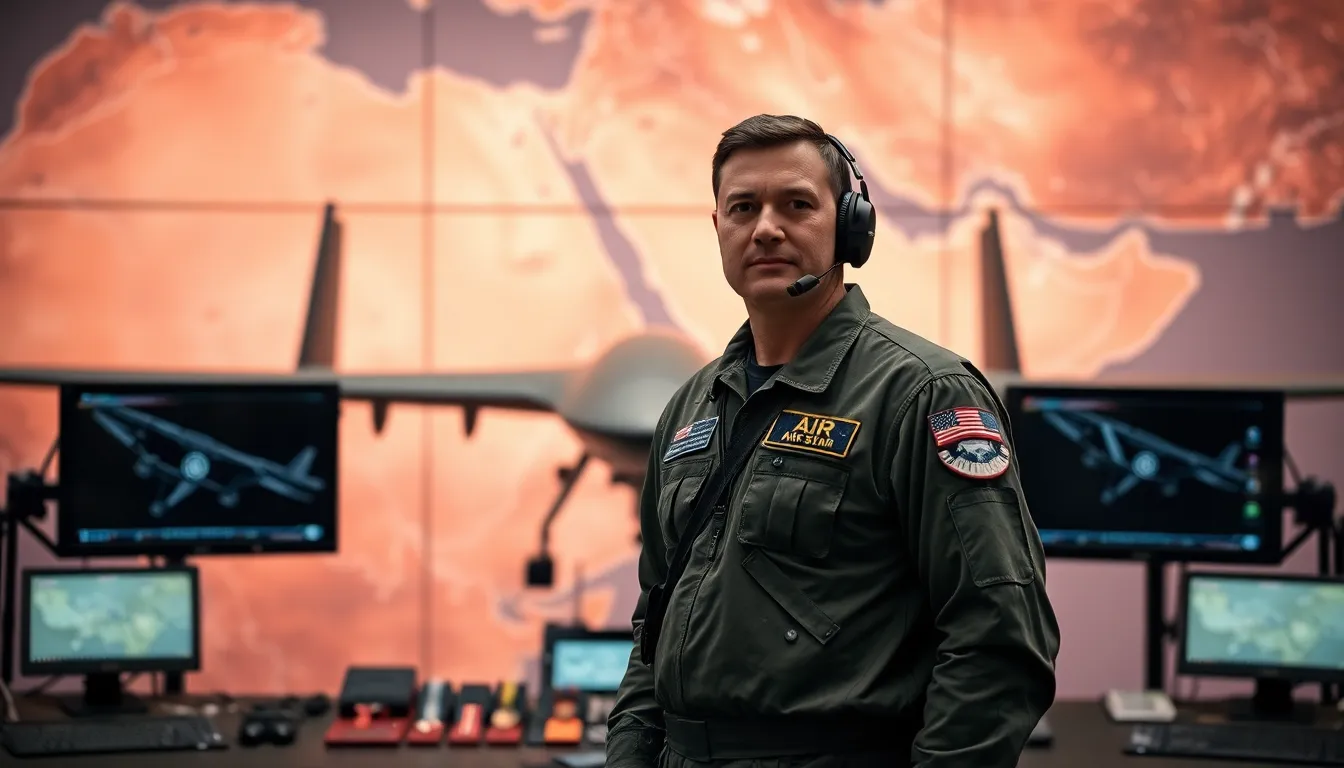
Christopher Aaron is identified in limited public sources as a United States Air Force UAV pilot who served during the 2010s. Details of his personal life, rank, and awards remain scarce, and the record of his service reflects the broader, often classified, nature of modern unmanned aerial warfare.
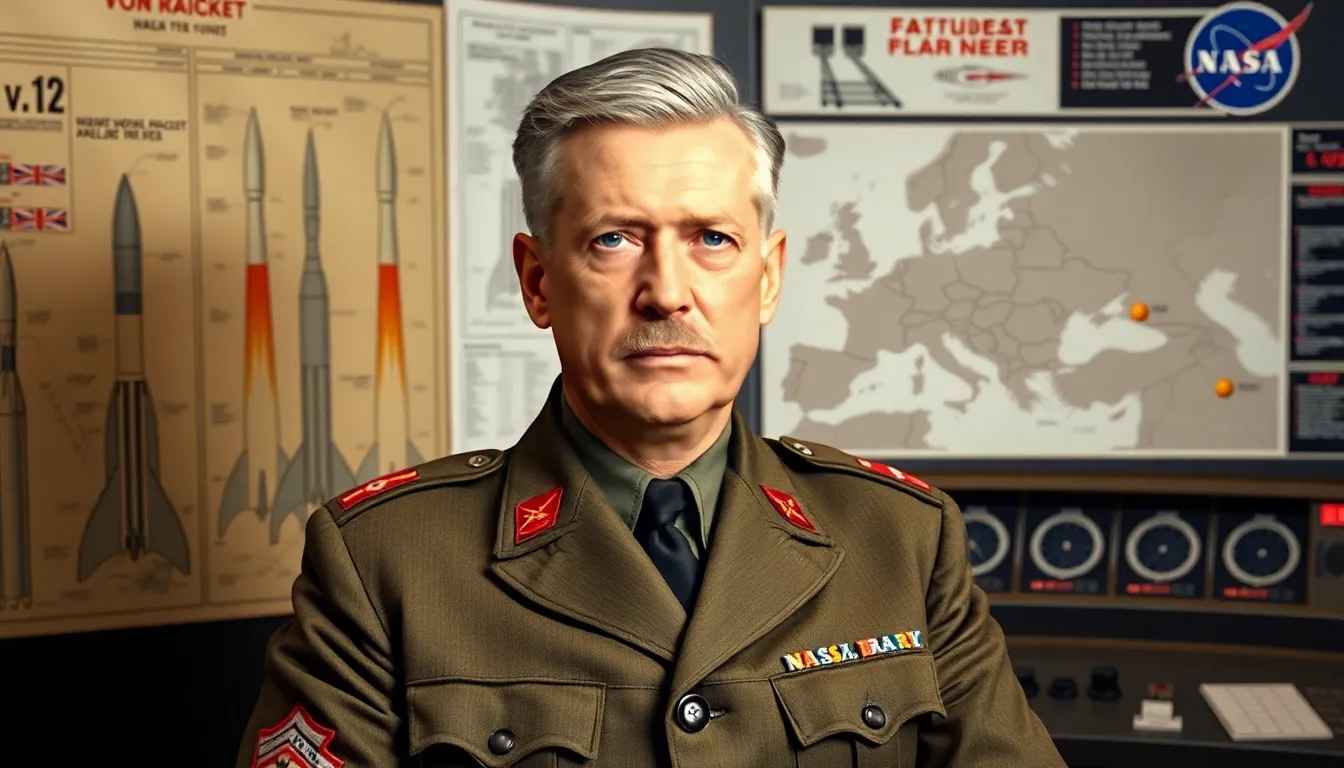
Werner von Braun (1912‑1977) was a German‑American rocket engineer whose work spanned the Nazi wartime weapons programme and the United States space effort, making him a controversial figure in both military and scientific history.