Explore Biographies of Explorers & Adventurers
The Human Desire to Cross Boundaries
The biographies of explorers and adventurers reveal one of humanity’s oldest impulses: the desire to move beyond the familiar. Long before satellites, digital maps, weather models, and instant communication, people crossed deserts, climbed mountains, sailed oceans, entered forests, traversed polar ice, and followed rivers into regions they did not fully understand.
Exploration is not merely movement. It is confrontation with uncertainty.
An explorer’s life story often begins with a boundary. Sometimes it is geographical: an unmapped coast, a mountain summit, a polar route, a vast ocean, or an inland wilderness. Sometimes it is psychological: fear, convention, poverty, expectation, or doubt. The explorer becomes significant because they refuse to remain inside the known circumference of ordinary life.
These biographies matter because they show how curiosity becomes action. They turn maps into narratives and journeys into human drama.
Adventure as a Record of Courage, Curiosity, and Consequence
Adventure is often romanticized, but the lives of real adventurers are rarely simple tales of triumph. They include hunger, injury, isolation, disease, shipwreck, miscalculation, political conflict, and moral ambiguity. Many explorers pursued knowledge. Others pursued trade, empire, fame, scientific discovery, survival, or personal transcendence.
Their stories are therefore both inspiring and complicated. A journey may expand human understanding, but it may also bring disruption to indigenous communities, ecosystems, and existing cultures. A serious biography of an explorer must recognize both courage and consequence.
Explorers and adventurers are remembered because they stepped into uncertainty. Their legacies endure because their journeys changed how people imagined the world.
Early Life and the Formation of Restless Minds
Childhood, Environment, and First Encounters with the Unknown
Many explorers develop an early fascination with distance. A child may stare at maps, listen to sailors, read travel accounts, climb local hills, wander through forests, or dream of countries beyond the horizon. These small acts can become the embryonic stage of a life defined by movement.
Environment often plays a decisive role. Coastal towns may produce sailors. Mountain regions may inspire climbers. Rural landscapes may cultivate endurance. Urban poverty may create hunger for escape. A family library, a teacher, a local expedition story, or a single glimpse of the sea can ignite an imagination that refuses confinement.
Not every adventurer begins with privilege. Some come from hardship and scarcity. Others inherit access to education, ships, sponsors, or scientific institutions. In both cases, the early biography reveals the origin of restlessness. It shows how a person first learned to look beyond the visible edge of life.
Education, Skills, and the Making of an Adventurer
Exploration requires more than bravery. It demands competence. Navigation, cartography, astronomy, geology, botany, survival skills, sailing, climbing, negotiation, language learning, logistics, medicine, and leadership may all become necessary tools.
Some explorers trained formally through naval academies, scientific societies, military service, universities, or apprenticeship. Others learned through experience, failure, observation, and improvisation. The adventurer’s education is often eclectic. It may combine technical knowledge with instinctive adaptability.
A successful explorer must read landscapes like texts. Weather, water, stars, animal behavior, ice conditions, soil, wind, and silence can all carry information. In dangerous environments, ignorance is not merely inconvenient. It can be fatal.
This is why the formation of an adventurer is so fascinating. The life is built from curiosity, but sustained by discipline.
Journeys, Expeditions, and Defining Quests
The Search for New Routes, Lands, Peaks, Oceans, and Frontiers
Every great explorer biography contains a defining quest. For some, it is the search for a sea route, a river source, a mountain summit, a polar passage, a desert crossing, or a hidden archaeological site. For others, the frontier may be underwater, underground, airborne, or even beyond Earth’s atmosphere.
The quest gives shape to the life. It creates urgency, danger, and narrative propulsion. An expedition may take years to organize. Sponsors must be persuaded. Supplies must be gathered. Routes must be planned. Crew members must be chosen. Instruments must be tested. Political permissions may be required.
Then comes departure.
The moment an explorer leaves familiar territory, the biography changes tone. Plans meet reality. Maps fail. Weather intrudes. Equipment breaks. Human personalities collide. The world becomes less abstract and more severe.
A route on paper can look elegant. A route in the field can become merciless.
Hardship, Risk, Survival, and Endurance
Adventure biographies are often stories of endurance under pressure. Explorers face hunger, thirst, frostbite, heatstroke, infection, altitude sickness, storms, avalanches, hostile terrain, loneliness, and exhaustion. The body becomes both vehicle and vulnerability.
Risk is not always dramatic. Sometimes it arrives quietly. A small navigational error. A delayed supply. A cracked boot. A contaminated water source. A disagreement within the team. A sudden change in weather. In remote places, minor problems can metastasize into catastrophe.
Survival depends on judgment. Courage matters, but reckless courage can destroy an expedition. The best adventurers learn when to advance and when to retreat. They understand that persistence must be balanced with prudence.
Endurance is physical, but it is also mental. Long journeys impose monotony, fear, and doubt. The explorer must continue when certainty has disappeared.
Discovery, Documentation, and Cultural Impact
Mapping, Journals, Science, and Public Knowledge
Explorers do not only travel; they document. Their maps, journals, sketches, measurements, specimens, photographs, and reports can become part of public knowledge. A journey may clarify coastlines, identify species, describe climates, record languages, reveal trade routes, or reshape scientific understanding.
Documentation transforms private ordeal into shared information. Without records, an expedition becomes legend. With careful records, it becomes evidence.
Many explorers contributed to geography, anthropology, natural history, oceanography, archaeology, meteorology, and astronomy. Some were scientists by training. Others became accidental observers of immense value. Their field notes captured details that later researchers used to understand landscapes, cultures, and ecological systems.
A biography of an explorer therefore often becomes a biography of knowledge itself. It shows how observation, risk, and writing can alter the intellectual map of an era.
Encounters, Ethics, and the Complex Legacy of Exploration
Exploration is never only about empty spaces. Many places described as “discovered” by outsiders were already inhabited, named, understood, and spiritually significant to local communities. For this reason, modern biographies of explorers must be written with ethical awareness.
Encounters between explorers and indigenous peoples could involve cooperation, exchange, misunderstanding, violence, exploitation, disease, conversion, displacement, or colonial domination. Some explorers depended on local guides, translators, hunters, navigators, and knowledge keepers while later receiving disproportionate credit.
This complexity does not erase courage, but it deepens the story. Exploration can expand knowledge while also participating in unequal systems of power. A balanced biography must examine both the achievements and the consequences.
The most responsible explorer biographies avoid triumphalist simplicity. They ask who traveled, who guided, who benefited, who suffered, and who was forgotten.
Personal Character and the Psychology of Adventure
Ambition, Fear, Discipline, and Obsession
Explorers and adventurers often possess unusual psychological intensity. They may be ambitious, curious, stubborn, visionary, restless, or obsessive. Some are motivated by science. Others by fame, national pride, spiritual yearning, commercial interest, or personal escape.
Fear is part of the story. The absence of fear is not courage. Courage is action despite fear. Many explorers wrote about anxiety, loneliness, uncertainty, and the terrible awareness that return was not guaranteed.
Discipline separates durable adventurers from impulsive wanderers. Expedition life requires routine: checking supplies, maintaining equipment, recording observations, rationing food, monitoring weather, preserving morale, and making decisions when exhausted.
Obsession can be productive or dangerous. It may push a person beyond ordinary limits. It may also blind them to risk. Many explorer biographies turn on this precarious balance between vision and fixation.
Leadership, Teamwork, and Decision-Making Under Extreme Conditions
Exploration is often remembered through individual names, but expeditions are rarely solitary achievements. Crews, guides, porters, scientists, translators, pilots, sailors, climbers, cooks, sponsors, and local communities may all contribute to success.
Leadership in extreme environments is unforgiving. A leader must manage fear, fatigue, conflict, scarcity, and uncertainty. Decisions that seem small can determine survival. Should the team continue? Turn back? Split up? Wait out the storm? Abandon equipment? Trust local advice? Change the route?
Good expedition leadership requires humility as well as authority. The leader must listen, adapt, and recognize when the environment has overruled ambition.
Teamwork is equally crucial. Trust becomes a survival mechanism. In remote landscapes, one person’s negligence can endanger everyone. One person’s steadiness can save the group.
Legacy of Explorers and Adventurers
How Their Stories Changed Geography, Science, and Imagination
Explorers and adventurers changed the way people understood the planet. Their journeys filled blank spaces on maps, connected distant regions, introduced new scientific questions, and expanded the vocabulary of possibility. Some helped chart oceans. Others crossed polar ice, climbed formidable peaks, explored caves, studied rainforests, or documented ancient ruins.
Their impact was not only practical. It was imaginative. Exploration altered literature, art, education, politics, commerce, and popular culture. Tales of expeditions inspired novels, films, museums, schoolbooks, and future adventurers.
Yet legacy must be examined carefully. Some explorers are celebrated as heroes. Others are reassessed as agents of empire or exploitation. Many are both admired and scrutinized. This tension makes their biographies especially important.
They are not marble statues. They are human beings moving through dangerous landscapes and complicated histories.
Why Their Biographies Still Inspire Modern Readers
Explorer biographies continue to inspire because they dramatize the confrontation between human limitation and the unknown. They show people stepping beyond comfort into uncertainty, sometimes for knowledge, sometimes for ambition, sometimes for survival, and sometimes for reasons even they could not fully explain.
Modern readers live in a mapped world, but the spirit of exploration remains relevant. Today’s frontiers may include deep oceans, space travel, climate science, archaeology, artificial intelligence, medical research, and personal transformation. The old impulse persists: to ask what lies beyond the current boundary.
The lives of explorers and adventurers remind readers that discovery is not only geographical. It can also be intellectual, moral, creative, and inward.
To explore their biographies is to study courage under pressure, curiosity in motion, and the difficult beauty of going where certainty ends.
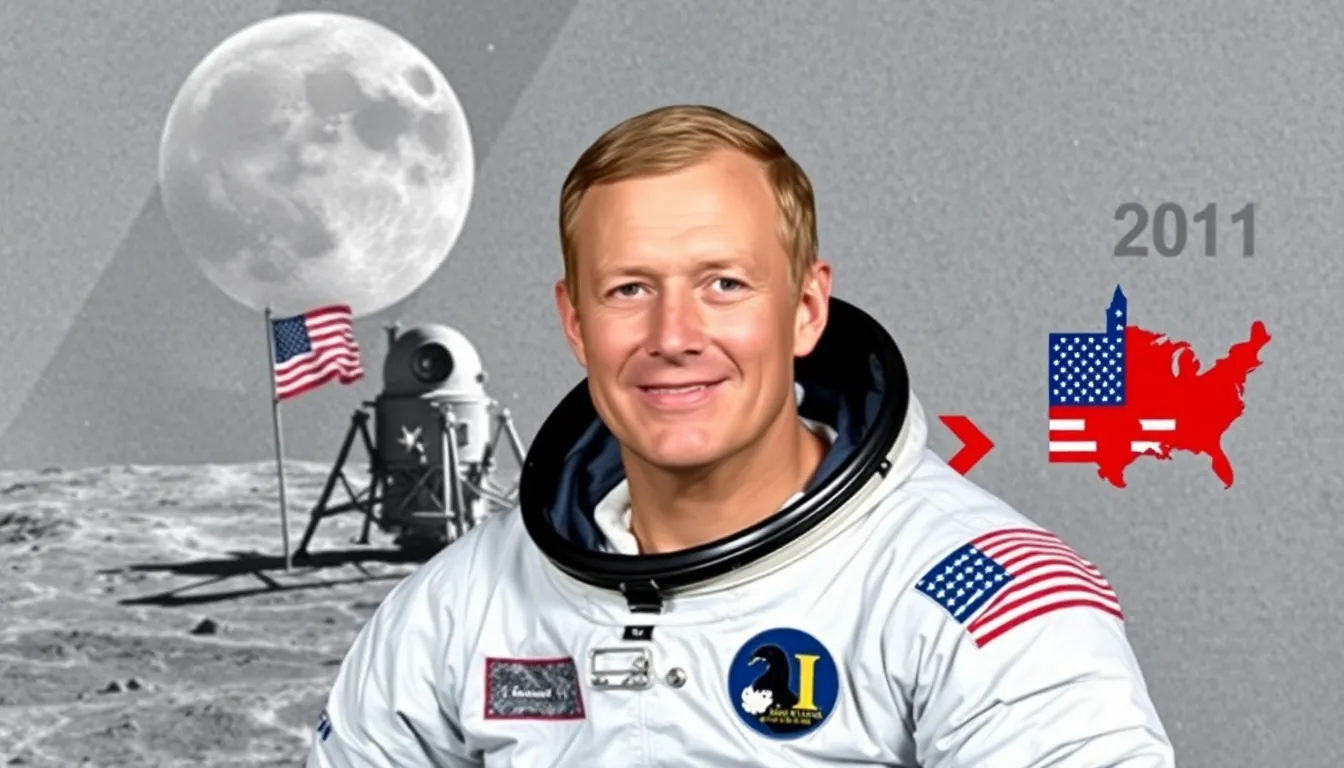
Buzz Aldrin, an American astronaut and engineer, became the second human to walk on the Moon during Apollo 11 in 1969. His career spans military aviation, space exploration, and advocacy for future human journeys beyond Earth.
James Cook (1728–1779) was a British naval officer and cartographer whose three Pacific voyages dramatically expanded European knowledge of the Southern Hemisphere. His meticulous journals, scientific collaborations, and detailed charts laid foundations for modern oceanography and anthropology.
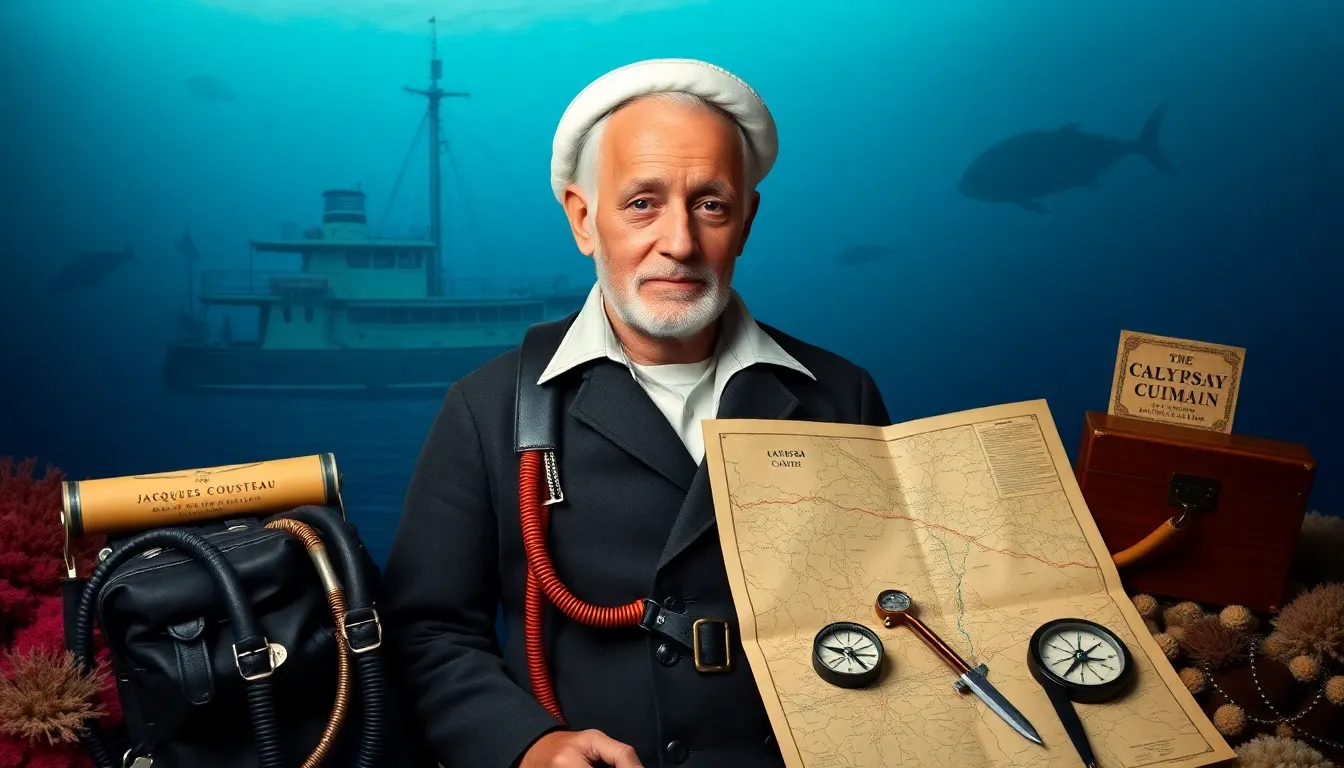
Jacques Cousteau (1910–1997) was a French naval officer, filmmaker and marine researcher who helped popularize oceanography and co‑invented the modern scuba system. His decades‑long work aboard the research vessel Calypso transformed public perception of the sea and laid foundations for contemporary marine conservation.
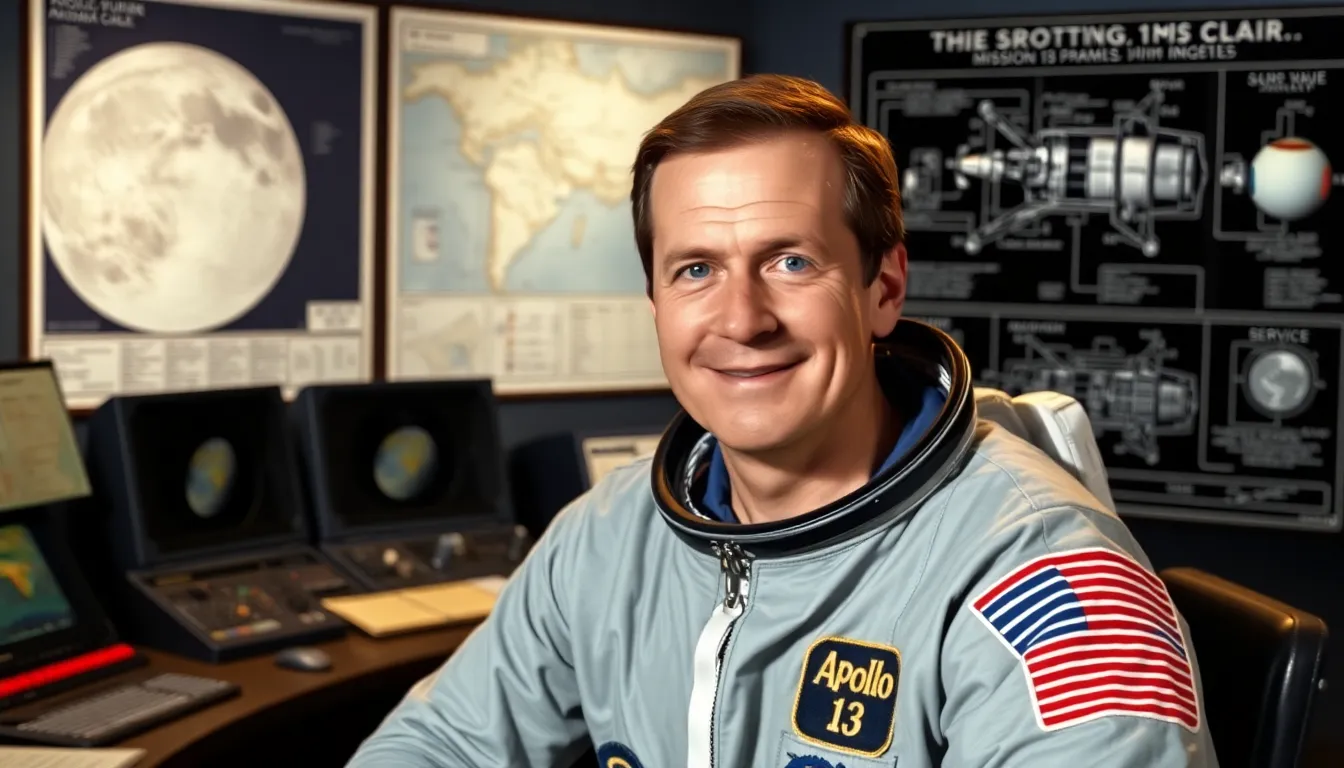
James A. Lovell Jr., a United States Navy aviator turned astronaut, piloted Apollo 8 around the Moon and commanded the ill‑fated Apollo 13 mission, whose safe return became a hallmark of crisis management in space exploration.
John Glenn was a pioneering astronaut, Marine Corps aviator, and public servant who became the first American to orbit the Earth in 1962, forging a lasting legacy in the Space Age.
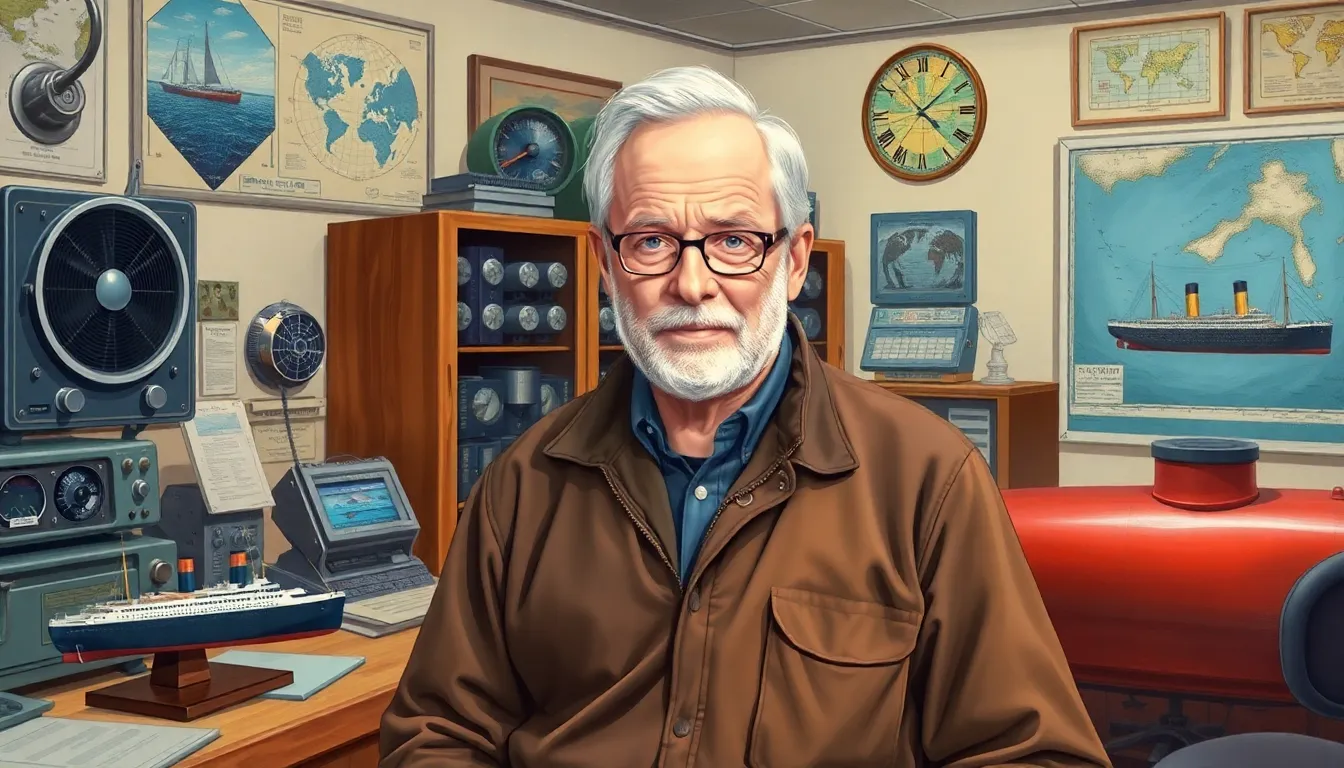
Robert Ballard is an American oceanographer whose 1985 discovery of the RMS Titanic reshaped deep‑sea archaeology. This biography traces his early life, the technology behind his expeditions, and his enduring legacy in marine science.
Robert Falcon Scott (1868–1912) was a Royal Navy officer and explorer whose ill‑fated Terra Nova Expedition attempted to be the first to reach the South Pole. His life, scientific contributions, and the tragedy of his final journey have shaped the public memory of early twentieth‑century polar exploration.
Sally Ride (1951‑2012) was an American physicist and astronaut who became the first U.S. woman to travel to space aboard Challenger in 1983. Her career blended scientific research, exploration leadership, and public advocacy for STEM education.
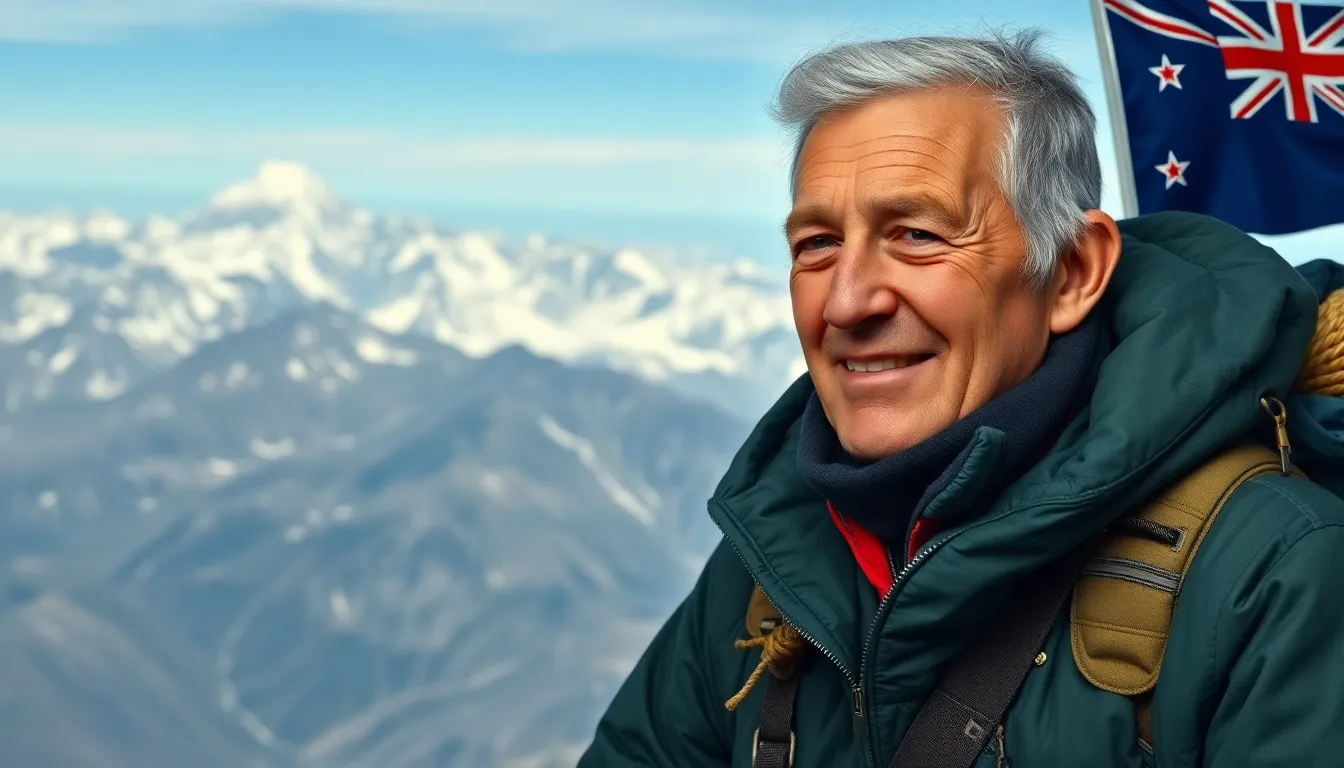
Sir Edmund Hillary (1919‑2008) was a New Zealand mountaineer whose 1953 ascent of Mount Everest, together with Tenzing Norgay, marked the first confirmed summit of the world’s highest peak.
Vasco da Gama (c.1460‑1524) was the Portuguese navigator who opened the first all‑sea link between Europe and Asia. His voyages to Calicut between 1497 and 1499 established a maritime trade route that reshaped global commerce and empire.
Zheng He (1371‑1433) was a Ming‑dynasty eunuch admiral who commanded seven grand treasure voyages across the Indian Ocean, establishing diplomatic and commercial links from Southeast Asia to East Africa.
Christopher Columbus (1451–1506) was a Genoese navigator whose 1492 transatlantic expedition under the Spanish Crown initiated sustained European contact with the Americas, reshaping world history.
Gertrude Bell (1868–1926) was a British archaeologist, diplomat, and explorer whose work in the Middle East shaped Western understanding of the region and influenced the formation of modern Iraq.
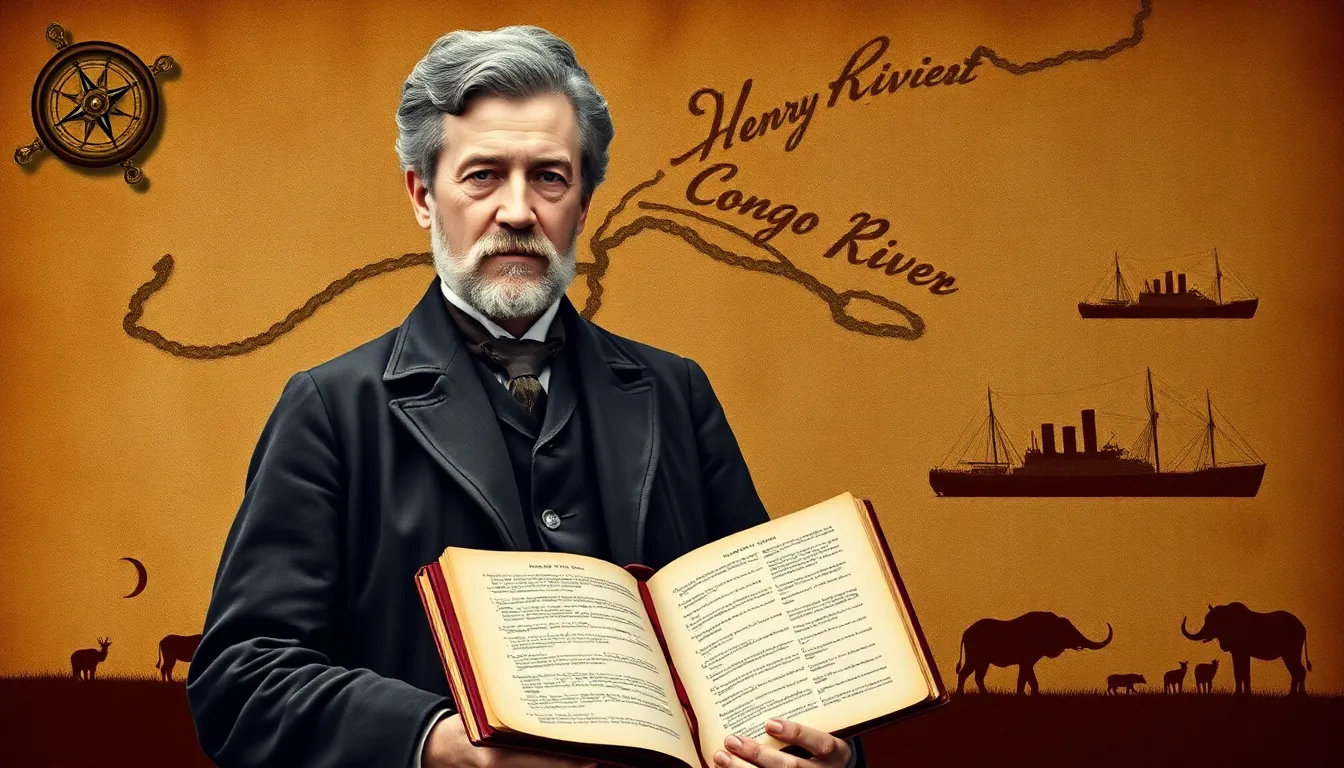
Henry Morton Stanley (1841–1904) was a Welsh-born journalist-turned-explorer whose 1871 expedition to find Dr. David Livingstone made him a household name. His subsequent African journeys mapped large swaths of the Congo Basin and fueled both scientific knowledge and colonial controversy.
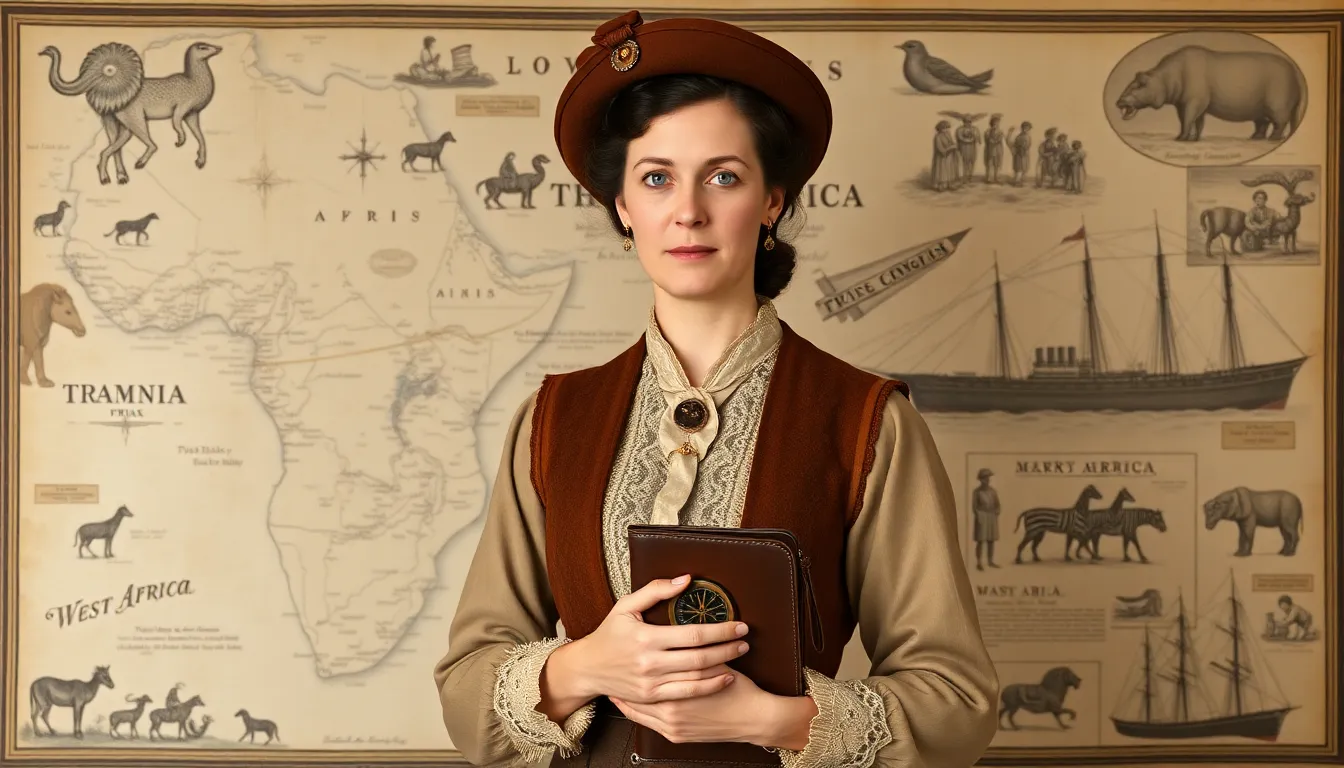
Mary Kingsley (1862‑1900) was a British explorer who traveled extensively in West Africa during the 1890s, producing influential writings on African societies, geography, and natural history. Her journeys challenged contemporary Victorian attitudes toward empire, science, and gender.
Neil Armstrong (1930–2012) was an American astronaut, naval aviator, and test pilot who became the first human to set foot on the Moon on 20 July 1969. His career spanned military aviation, space exploration, and public service, leaving a lasting imprint on scientific progress and popular culture.
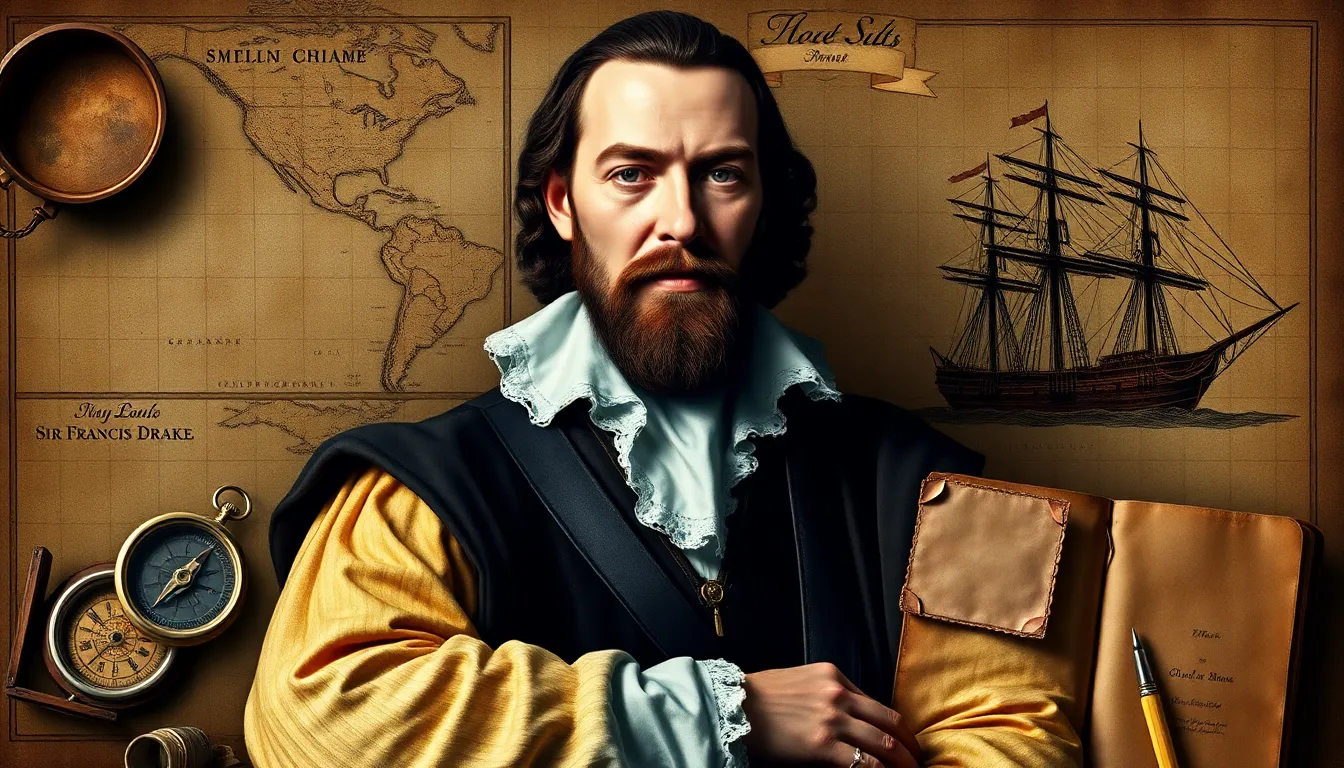
Sir Francis Drake (c.1540‑1596) was an English seafarer who combined privateering, circumnavigation, and state‑sanctioned raids into a remarkable maritime career. His voyages reshaped England’s Atlantic ambitions and left a contested legacy of exploration and piracy.
Amerigo Vespucci (1454–1512) was an Italian navigator whose voyages helped Europeans understand that the lands discovered by Columbus were part of a previously unknown continent. His letters and the 1507 Waldseemüller map led to the continent being named America in his honour.
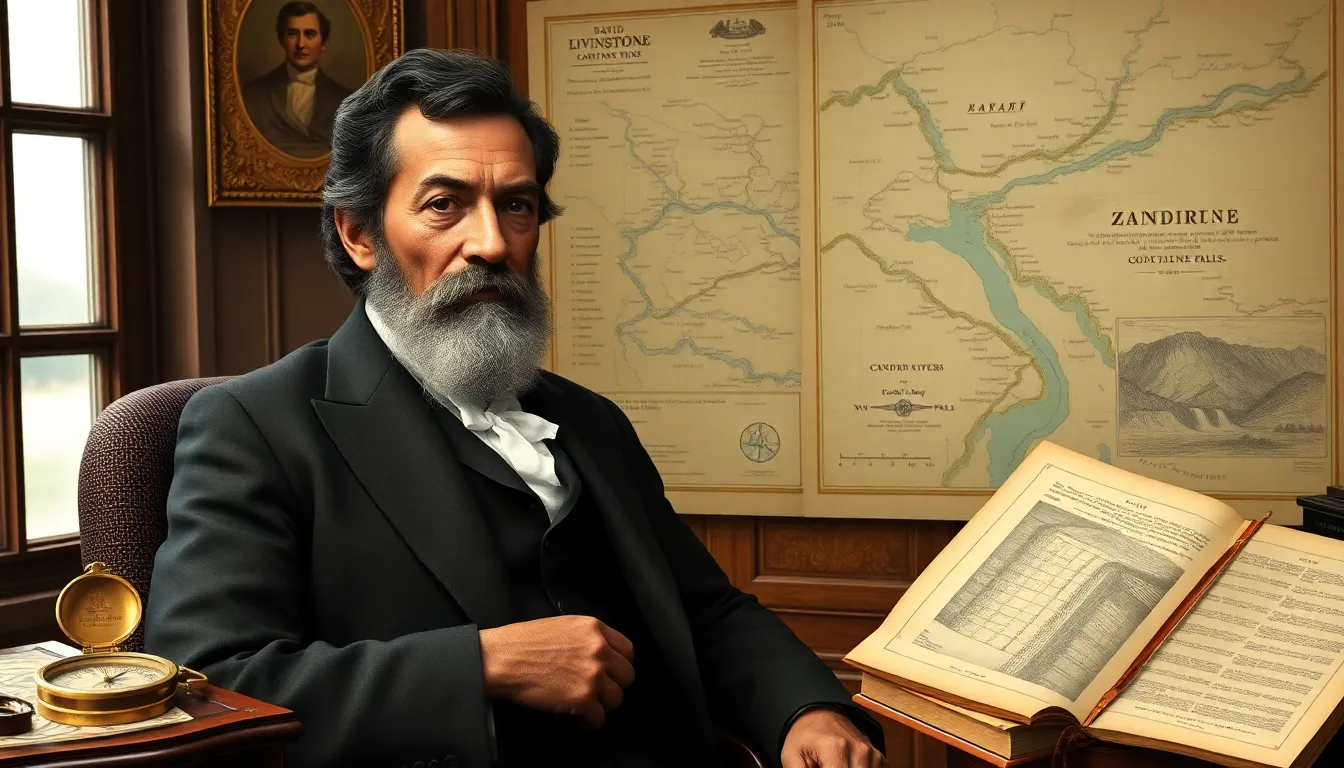
David Livingstone (1813–1873) was a Scottish missionary, physician, and explorer whose four decades of travel opened European eyes to the geography, peoples, and natural history of central and southern Africa.
Mae Jemison broke barriers as the first Black woman astronaut, combining medicine, engineering, and activism to explore both Earth’s oceans and the cosmos, leaving a lasting impact on science and education.
Sir Ernest Shackleton’s Endurance Expedition (1914‑1917) remains a benchmark of leadership and survival in polar exploration.
Tenzing Norgay (c.1914‑1986) was a Sherpa mountaineer whose 1953 ascent of Mount Everest with Sir Edmund Hillary made him a global symbol of Himalayan climbing. His life illustrates the cultural, logistical and political dimensions of high‑altitude exploration in the twentieth century.
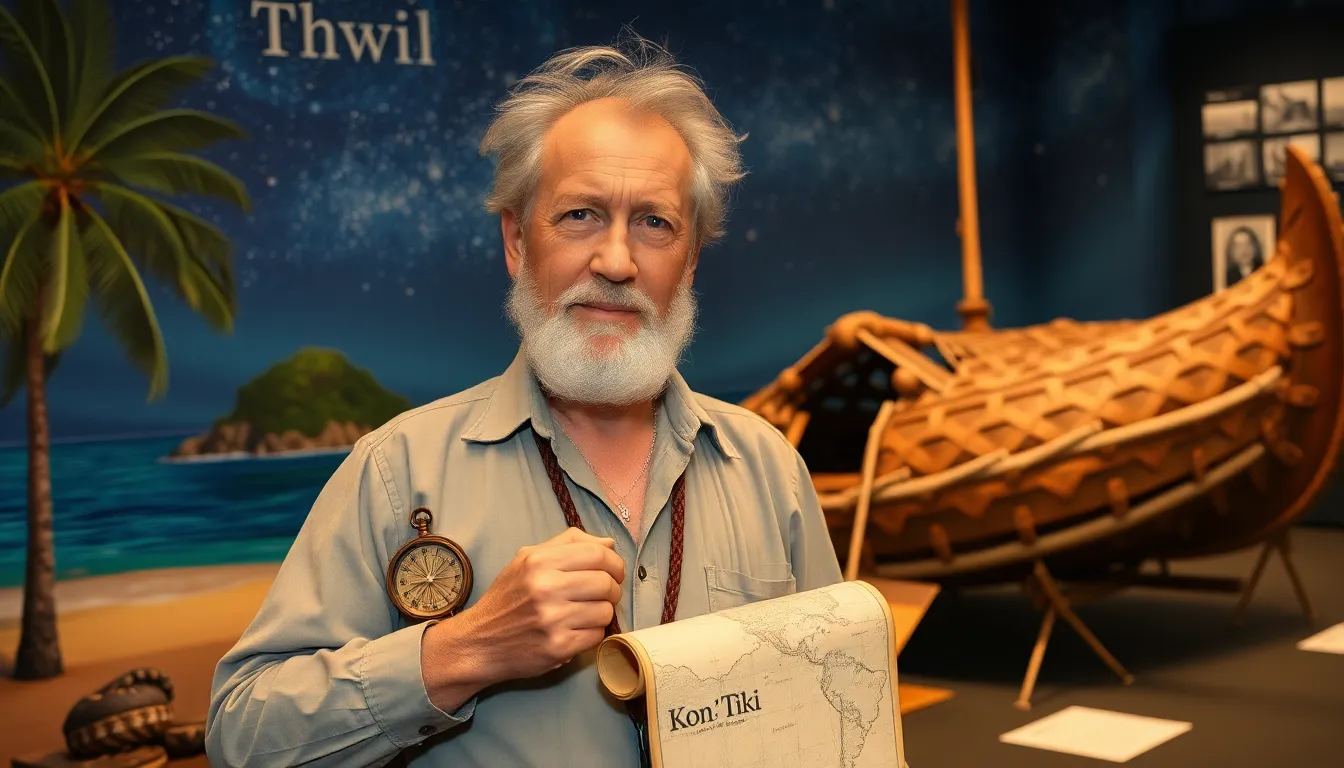
Thor Heyerdahl (1914‑2002) was a Norwegian explorer whose daring Kon‑Tiki raft voyage across the Pacific challenged conventional theories of ancient migration. His interdisciplinary approach, public charisma, and controversial hypotheses left a complex legacy in anthropology, archaeology and popular culture.
Alan Bartlett Shepard Jr. (1923‑1998) was the first American to travel into space and later walked on the Moon during Apollo 14. His career spanned naval aviation, astronautics, and public service, shaping the United States’ venture into the final frontier.
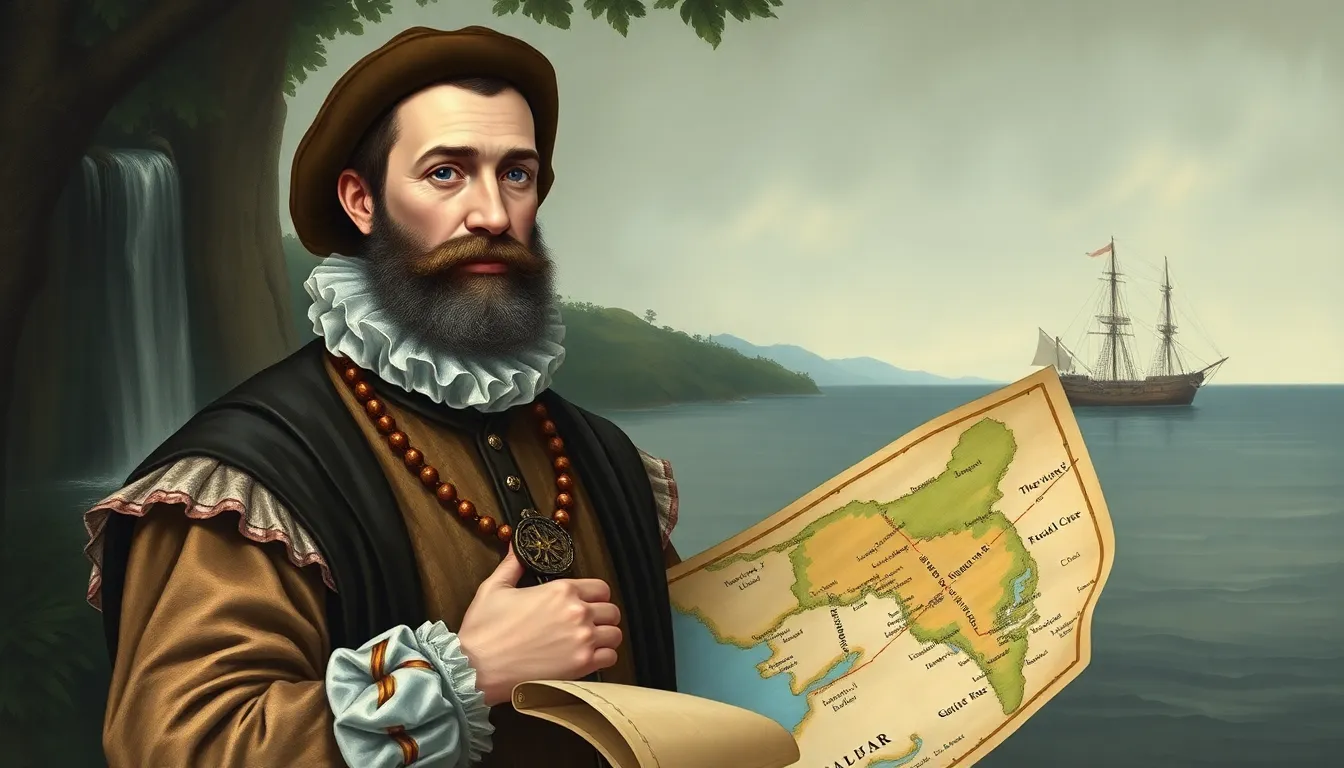
Ferdinand Magellan, a Portuguese navigator who entered the service of Spain, led the first expedition to sail around the globe. His voyage (1519‑1522) changed European understanding of world geography despite ending in his death in the Philippines.
Marco Polo (1254‑1324) was a Venetian merchant whose reported journey to the court of Kublai Khan opened Europe to detailed knowledge of the far‑east, sparking centuries of curiosity and exploration.
Roald Amundsen (1872‑1928) was a Norwegian explorer who became the first person to reach the South Pole in December 1911. His career spanned Arctic navigation, trans‑continental air travel, and pioneering scientific contributions to polar research.
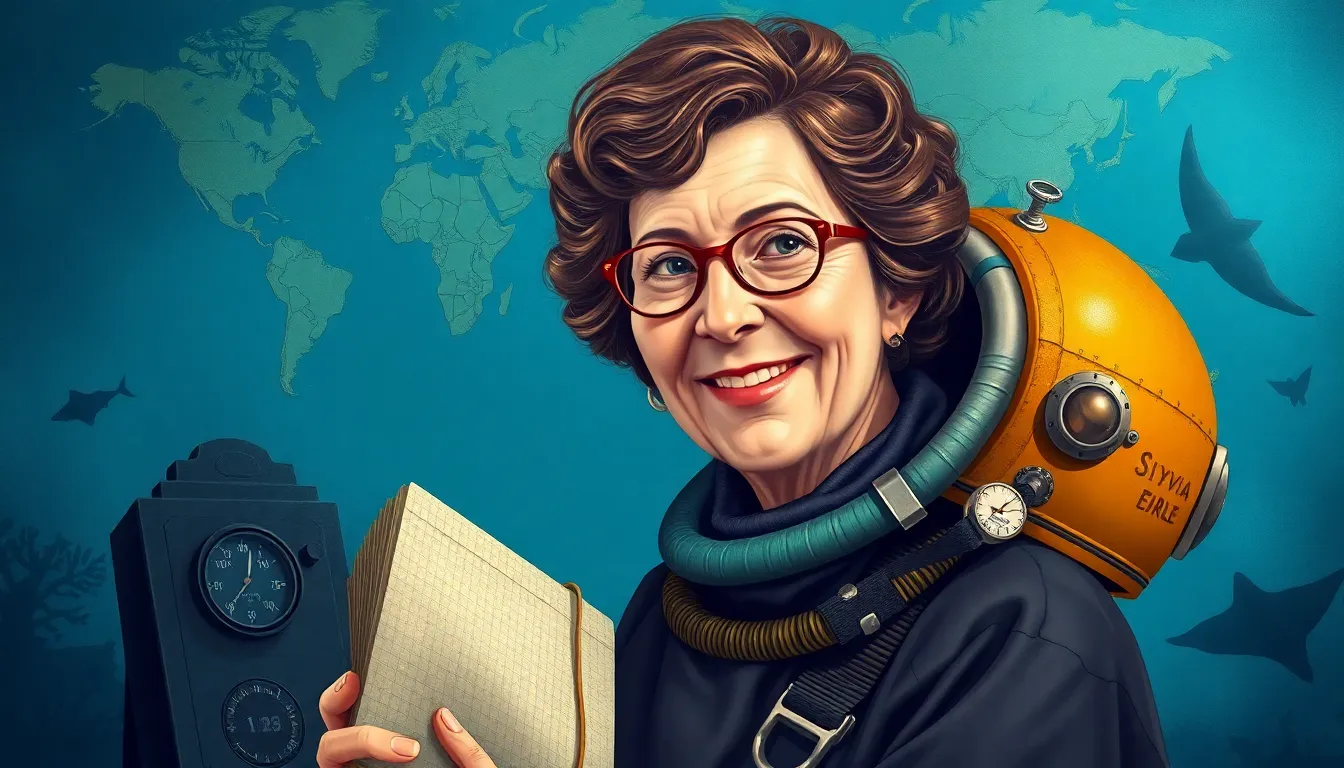
Sylvia Earle, a pioneering American marine biologist, has spent more than six decades exploring the world’s oceans, advocating for marine conservation, and inspiring generations of scientists and adventurers.
Yuri Gagarin, a Soviet pilot and cosmonaut, became the first human to orbit Earth in Vostok 1 (1961). This biography examines his upbringing, training, historic flight, and lasting impact on space exploration.
Sir Walter Raleigh (1552–1618) was an English courtier, soldier, and explorer whose most famous enterprise was the half‑century quest for the legendary city of gold, El Dorado, in the Guiana highlands. His ambition, patronage by Queen Elizabeth I, and daring voyages left a complex legacy of cartographic contributions, colonial entanglements, and literary fame.