Explore Biographies of Historical Figures and uncover the leaders, thinkers, rebels, and events that shaped the course of history.
Explore Biographies of Historical Figures
History is not an abstraction — it is the accumulated decisions, actions, and experiences of individual human beings across time. The biographies of history's most significant figures offer direct access to the lives behind the dates and the persons behind the events, bridging the distance between past and present.
Ancient and Classical Worlds
The ancient world produced figures of extraordinary influence whose ideas and actions still resonate. Julius Caesar's military campaigns and political ambitions shaped the structure of Western governance for centuries. Cleopatra VII ruled one of the ancient world's most sophisticated civilizations and negotiated alliances that prolonged Egyptian sovereignty against Roman expansion. Socrates, Plato, and Aristotle established philosophical frameworks that still define how Western civilization approaches ethics, politics, and knowledge. Alexander the Great spread Greek culture across three continents in little more than a decade.
Medieval and Early Modern Visionaries
The medieval period produced leaders, thinkers, and explorers whose legacies proved surprisingly durable. Genghis Khan created the largest contiguous land empire in history and — despite extraordinary violence — established trade routes connecting East and West for centuries. Joan of Arc led French armies at nineteen and was executed at twenty, becoming a national symbol that outlasted the war she helped win. Leonardo da Vinci worked at the intersection of art and science five centuries before interdisciplinary thinking had a name.
Revolutionary Figures of the Modern Era
The 18th and 19th centuries were ages of revolution — political, industrial, and intellectual. George Washington, Simón Bolívar, and Toussaint Louverture led independence movements on three continents. Napoleon Bonaparte reorganized European states and legal systems in ways that still structure modern governance. Frederick Douglass escaped slavery and became the most articulate and influential abolitionist voice in American public life. These figures shaped the world's political map in ways that are still legible today.
Why Historical Biographies Matter Now
Studying historical figures is not nostalgia — it is an active form of civic education. Understanding how past leaders made decisions in conditions of uncertainty, how they managed power, how they responded to crisis and injustice, equips us to evaluate the decisions and leaders of our own time. History's biographies are a practical resource for the present.
Browse the collection below to discover the lives of the historical figures who built, challenged, and transformed the world we have inherited.
Charles “Lucky” Luciano (1897–1962) was a pioneering Italian‑American mobster who reshaped organized crime in the United States, creating the modern Mafia structure and the National Crime Commission.
Charles ‘Lucky’ Luciano (1897–1962) was a Sicilian-born American mobster who restructured organized crime in the United States. His career spanned the Prohibition era, the creation of the national crime syndicate, and his later exile to Italy.
Lucretia Mott (1793–1880) was a pioneering American Quaker, abolitionist, and women’s rights activist whose persistent advocacy helped shape the early reform movements of the 19th‑century United States.
Lucretia Mott (1793–1880) was an American Quaker minister, abolitionist, and pioneering advocate for women’s rights whose intellectual courage helped shape 19th‑century reform movements.
Martin Luther King Jr. was a Baptist minister and the most visible leader of the American civil‑rights movement from 1954 until his assassination in 1968. He advocated nonviolent protest and helped secure landmark legislation that ended legal segregation.
Malcolm X (1925–1965) was a prominent African‑American civil rights leader whose advocacy for Black empowerment and self‑defense left a lasting impact on U.S. social movements. This biography examines his historical context, early life, activism, controversies, and legacy.
Malcolm X (1925–1965) was a prominent African‑American leader whose advocacy for Black empowerment, self‑defence and human rights made him a pivotal figure in the US civil‑rights movement.
Nancy Reagan (1921‑2016) was the wife of U.S. President Ronald Reagan, serving as First Lady from 1981 to 1989. A former actress, she became a prominent public figure through her advocacy, political influence, and humanitarian work.
Nancy Reagan (1921‑2016) was the wife of the 40th President of the United States, Ronald Reagan, and served as First Lady from 1981 to 1989. She is remembered for her anti‑drug campaign, influential role in the White House, and later public discussion of the couple’s finances.
Ferdinand Magellan (c.1480 – 1521) was a Portuguese explorer who organised the first expedition to circumnavigate the globe under the Spanish Crown, dramatically reshaping European knowledge of the world.
Ferdinand Magellan (c.1480–1521) was a Portuguese explorer who organised the first expedition to circumnavigate the globe under the Spanish flag. His life, voyages, and aftermath remain pivotal in early modern maritime history.
Neil Armstrong (1930‑2012) was an American astronaut, naval aviator, and aerospace engineer who became the first human to walk on the Moon during NASA’s Apollo 11 mission in 1969.
Harold Lafayette Hunt (1889‑1974) was an American oil magnate whose ventures reshaped the petroleum industry, amassed a fortune, and left a controversial legacy in politics and philanthropy.
Harold Lloyd Hunt (1910–1974) was an American oil magnate whose business empire spanned petroleum, minerals, and finance. His complex legacy includes vast wealth, political influence, and controversial family dynamics.
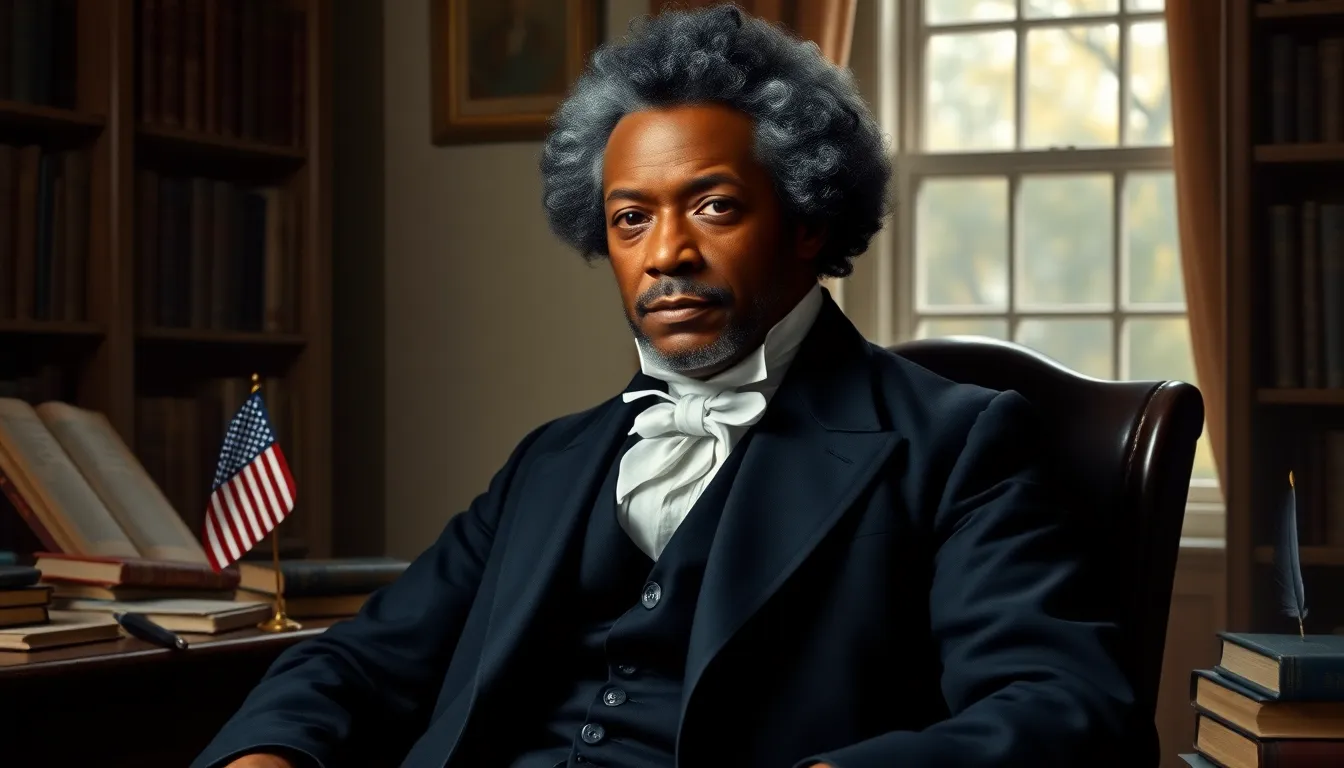
Frederick Douglass (c.1818‑1895) was an enslaved‑born African‑American abolitionist, orator, writer, and statesman whose speeches, memoirs, and political work reshaped 19th‑century America.
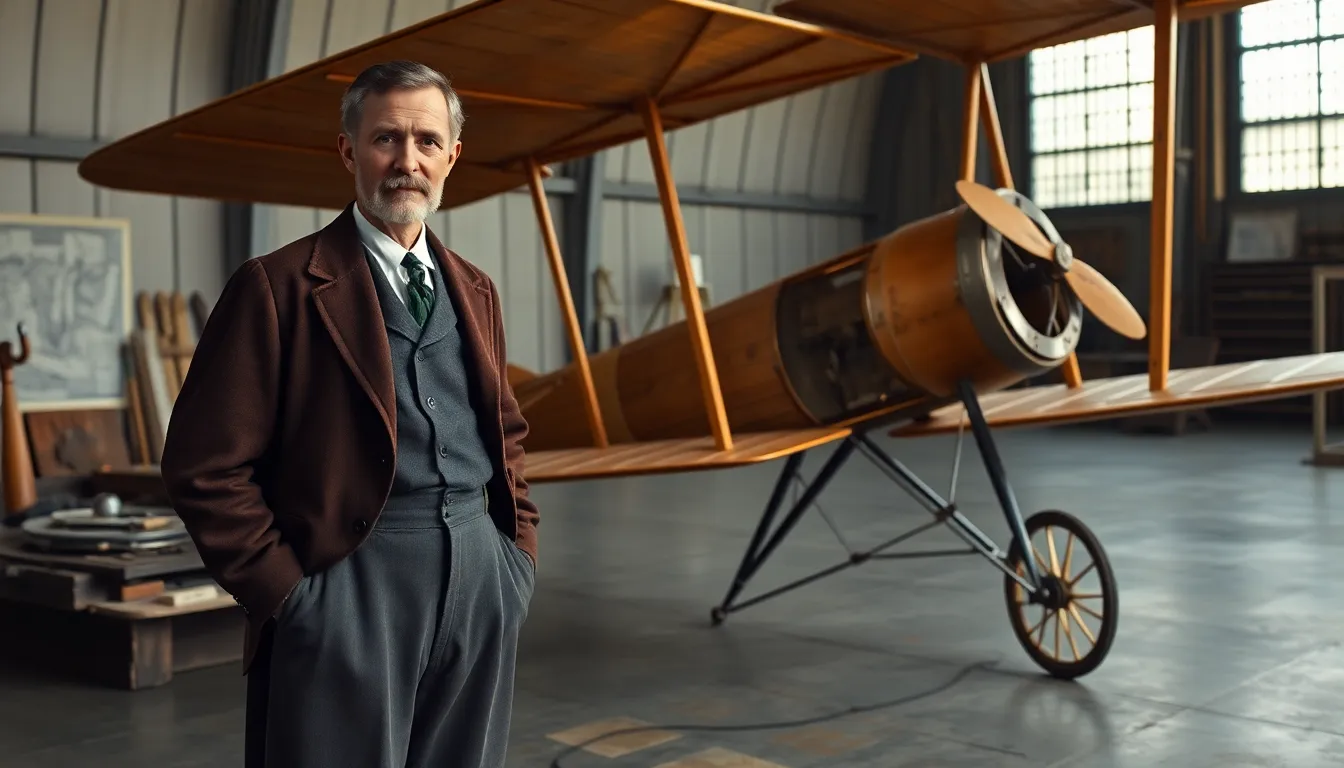
Wilbur and Orville Wright pioneered powered flight in 1903, reshaping transportation and warfare. This biography explores Orville Wright’s life, achievements, and enduring legacy.
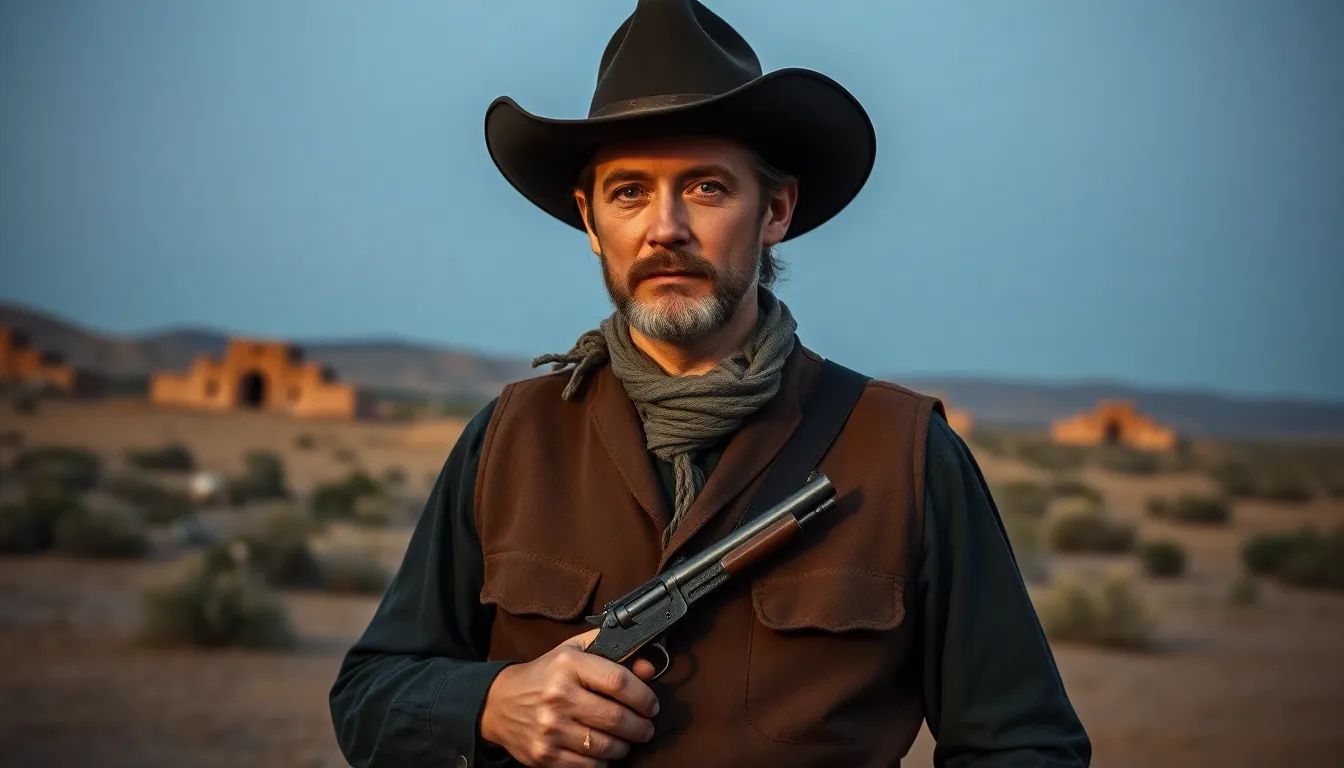
Billy the Kid, born Henry McCarty, became one of the most infamous gunmen of the American Old West. This encyclopedia entry examines his early life, role in the Lincoln County War, personal finances, and the contested legacy he left behind.
Billy the Kid, born Henry McCarty, became one of the most infamous figures of the American Old West. This biography surveys his early years, documented exploits, alliances, controversies, and the evolving legacy that surrounds him.
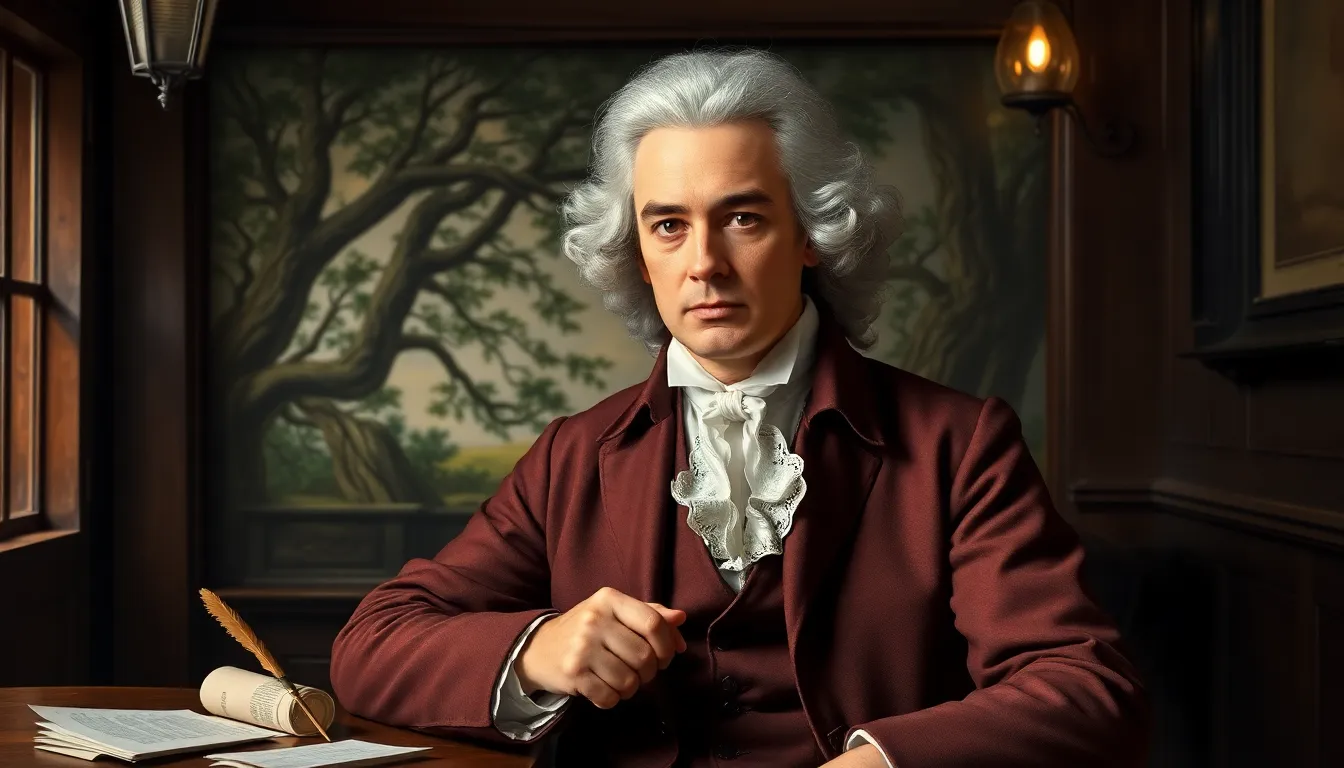
Samuel Adams (1722–1803) was a leading American patriot, political organizer, and statesman whose advocacy helped spark the American Revolution and shape the new nation.
Samuel Adams (1722–1803) was a leading American patriot, political theorist, and organizer of resistance to British taxation. His career spanned colonial politics, the Revolutionary War, and early statehood, leaving a complex legacy.
Paul Revere was a colonial American silversmith, patriot, and messenger whose midnight ride in 1775 became an emblem of revolutionary resistance. His life spanned the transition from British America to the early United States, and his legacy continues to be examined by historians.
Paul Revere (1735–1818) was an American silversmith, patriot, and messenger whose midnight ride became a symbol of revolutionary fervor. This biography examines his life, work, financial standing, and lasting influence.
Robert H. Goddard (1882‑1945) was an American physicist and engineer whose pioneering work on liquid‑propellant rockets laid the foundations for modern spaceflight. His life combined rigorous scientific inquiry with a modest personal profile.
John Glenn (1921‑2016) was an American Marine Corps pilot, the first American to orbit Earth, a decorated astronaut, and a long‑serving U.S. Senator. His career spanned the Cold War, the Space Race, and decades of public service.
John Glenn was a United States Marine Corps pilot, the first American to orbit Earth, and a longtime senator. His life spanned military service, spaceflight, and public office, leaving a lasting legacy in American history.
William Clark (1770–1838) was an American explorer, soldier, and territorial governor best known for co‑leading the Lewis and Clark Expedition. His later career shaped early American frontier governance and Native American relations.
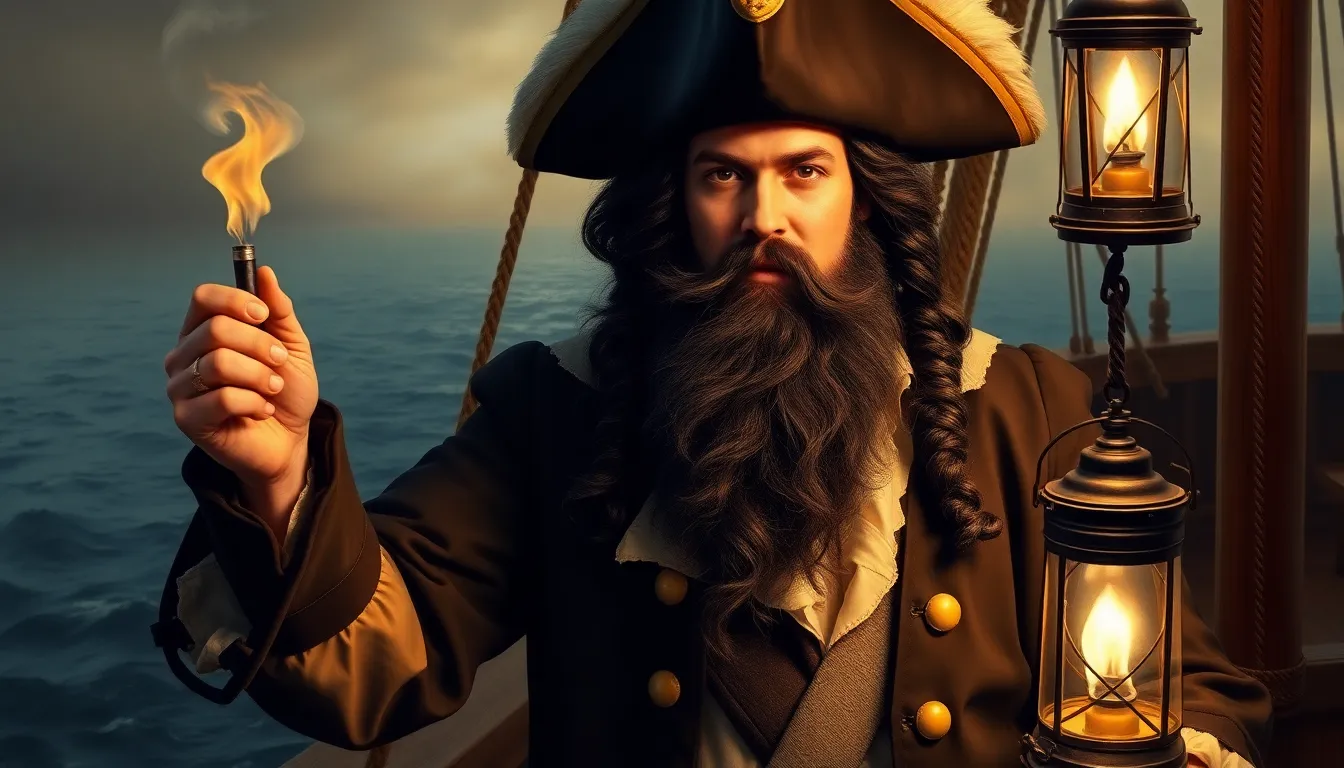
A factual, source‑aware biography of Edward Teach, known as Blackbeard, covering his early life, piratical career, allies and foes, and the legacy he left in maritime history.
Edward Teach, popularly known as Blackbeard, was an English pirate who became the most famous seafarer of the Golden Age of Piracy, noted for his fearsome image, daring captures, and a brief but impactful career in the early 18th century.
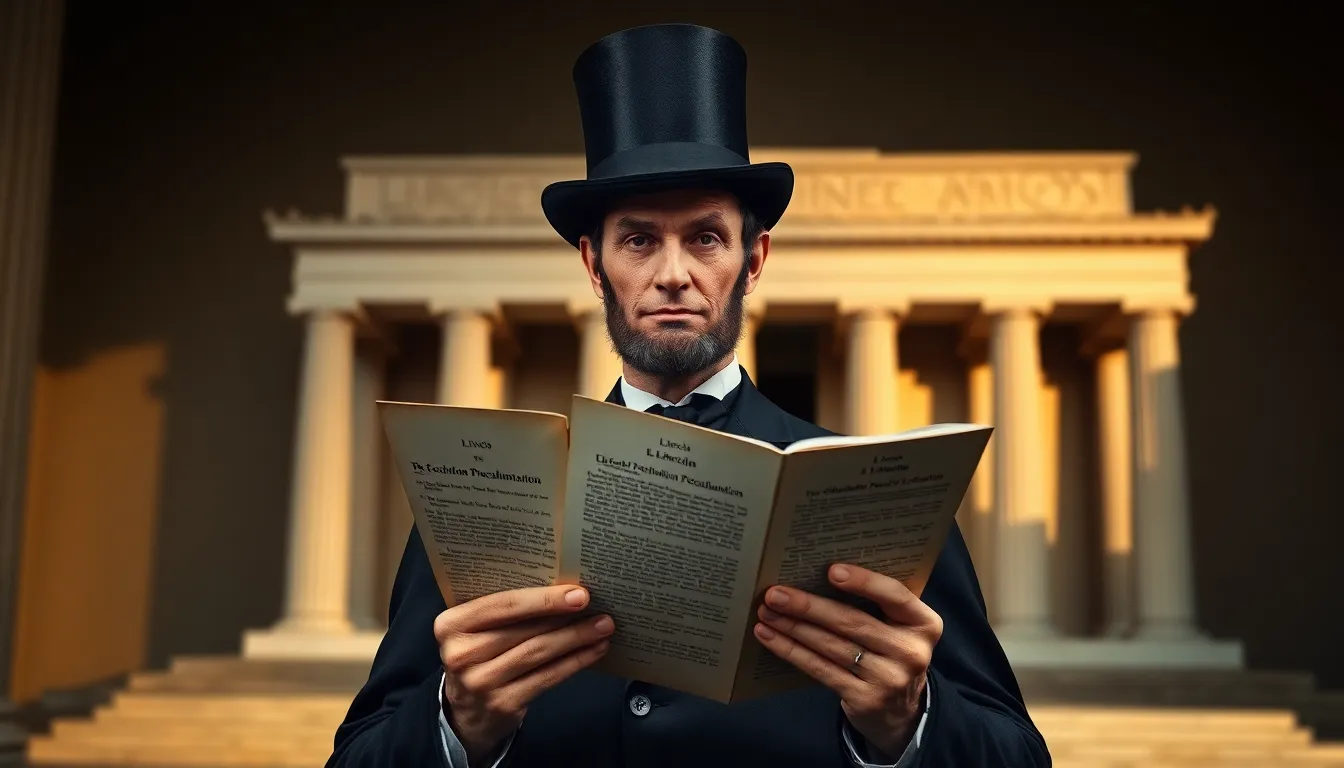
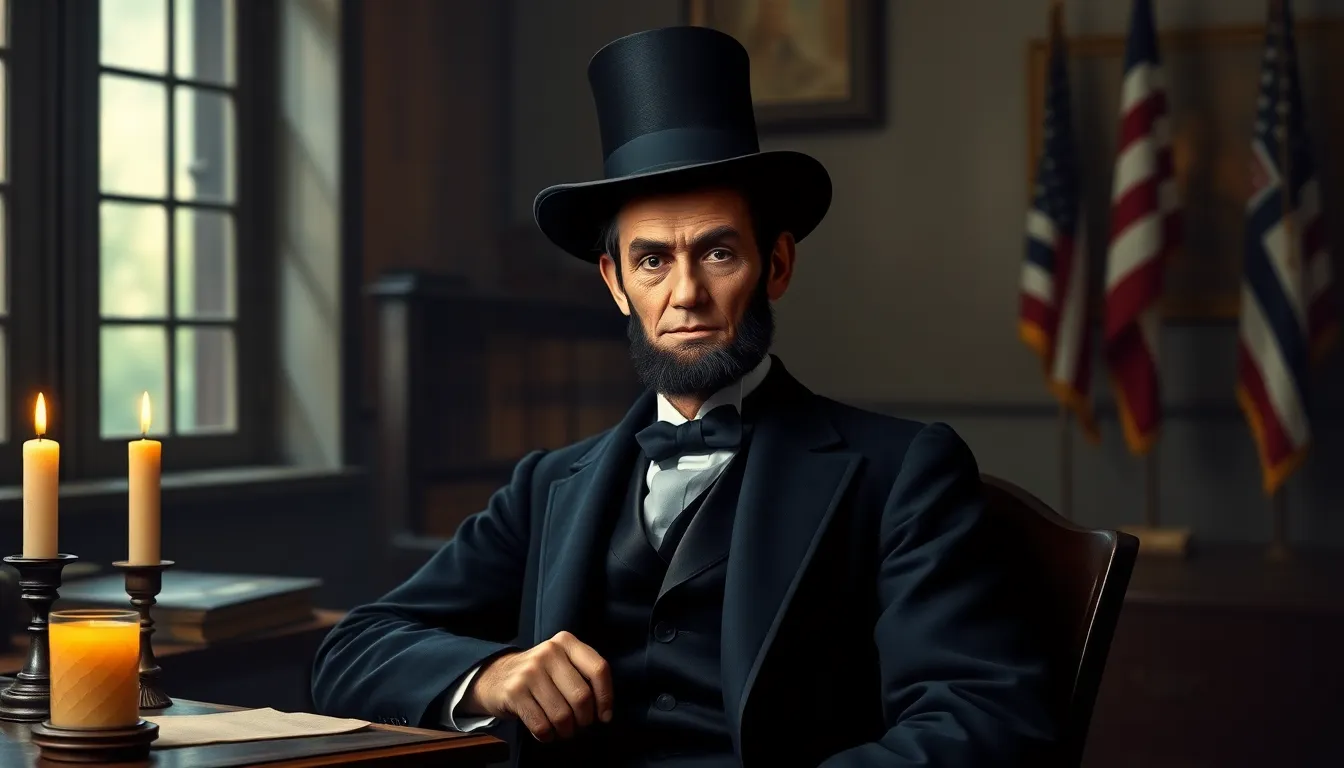
Abraham Lincoln (1809‑1865) served as the 16th President of the United States, leading the nation through its Civil War, ending slavery, and shaping modern America. This biography examines his early life, political career, personal circumstances, estimated net worth, and enduring legacy.
Abraham Lincoln, the 16th President of the United States, led the nation through the Civil War, abolished slavery, and left a complex personal legacy that continues to shape American memory.
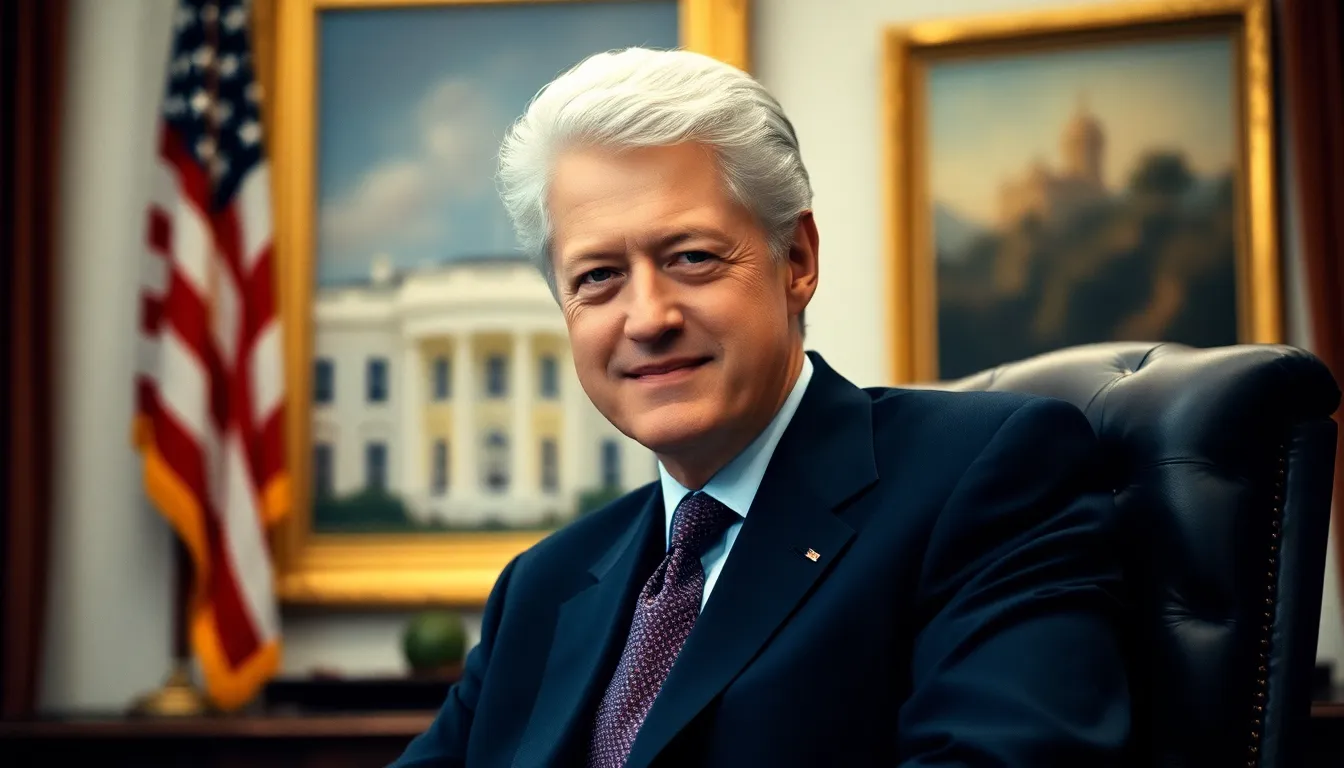
William Jefferson Clinton, the 42nd President of the United States, served from 1993 to 2001. This biography outlines his early life, political career, personal finances, and lasting legacy.
Donald J. Trump (born 1946) is an American businessman, media personality, and the 45th President of the United States (2017‑2021). This biography examines his early life, business career, political rise, controversies, and legacy.
Franklin D. Roosevelt, the 32nd President of the United States, led the nation through the Great Depression and World War II, reshaping American government and society.
Franklin D. Roosevelt (1882‑1945) served as the 32nd President of the United States, leading the nation through the Great Depression and most of World War II. His New Deal policies reshaped American government, while his wartime leadership forged a new international order.
George H. W. Bush (1924‑2018) was the 41st President of the United States, a World War II naval aviator, and a career diplomat. His life spanned major mid‑20th‑century events, from the Cold War to the Gulf War, shaping American foreign and domestic policy.
George H.W. Bush (1924‑2018) served as the 41st President of the United States, a World War II veteran, and a diplomat whose career spanned five decades of American politics.
George W. Bush, the 43rd President of the United States, served from 2001 to 2009. His tenure was marked by the September 11 attacks, the wars in Afghanistan and Iraq, and major domestic policy initiatives.
George W. Bush served as the 43rd President of the United States from 2001 to 2009. His tenure was marked by the response to the September 11 attacks, two major wars, and significant domestic reforms.
Gerald Rudolph Ford Jr. (1913‑2006) served as the 38th President of the United States after assuming office upon Richard Nixon’s resignation. His modest upbringing, congressional career, and unexpected ascent to the presidency shaped a legacy of humility, bipartisan compromise, and complex historical interpretation.
Gerald R. Ford (1913‑2006) served as the 38th President of the United States after succeeding Richard Nixon. A former congressman and vice president, his life spanned military service, political reform, and a post‑presidential career marked by public speaking and philanthropy.
Harry S. Truman (1884‑1972) rose from a modest Missouri farm to the presidency during World War II’s end and the early Cold War, shaping U.S. foreign and domestic policy. His life, decisions, and legacy remain subjects of extensive historical debate.
James Earl “Jimmy” Carter, the 39th President of the United States, served from 1977 to 1981 and later became a Nobel Peace laureate and humanitarian, noted for his post‑presidential work with The Carter Center.
Joe Biden, the 46th President of the United States, has a career spanning decades of public service, marked by legislative achievements, foreign policy experience, and personal resilience.
Joseph R. Biden Jr., the 46th President of the United States, has a political career spanning five decades. This biography examines his early life, public service, personal relationships, and the financial disclosures that inform public understanding of his net worth.
John Adams (1735‑1826) was a Founding Father, the second President of the United States, and a prolific political writer. His career spanned the Revolution, the formation of the new republic, and the early partisan era.
John Adams (1735‑1826) was a Founding Father, diplomat, and the second President of the United States. This biography surveys his early life, political career, personal affairs, and lasting legacy.
John F. Kennedy (1917‑1963) served as the 35th President of the United States, navigating Cold War crises, civil‑rights challenges, and a vision of a new frontier. His brief life, political ascendancy, and lasting cultural imprint continue to fuel scholarly debate.
John F. Kennedy, the 35th President of the United States, led the nation through pivotal Cold‑War crises and initiated sweeping domestic reforms. His brief but influential tenure continues to shape American political memory.