Explore Biographies of Historical Figures and uncover the leaders, thinkers, rebels, and events that shaped the course of history.
Explore Biographies of Historical Figures
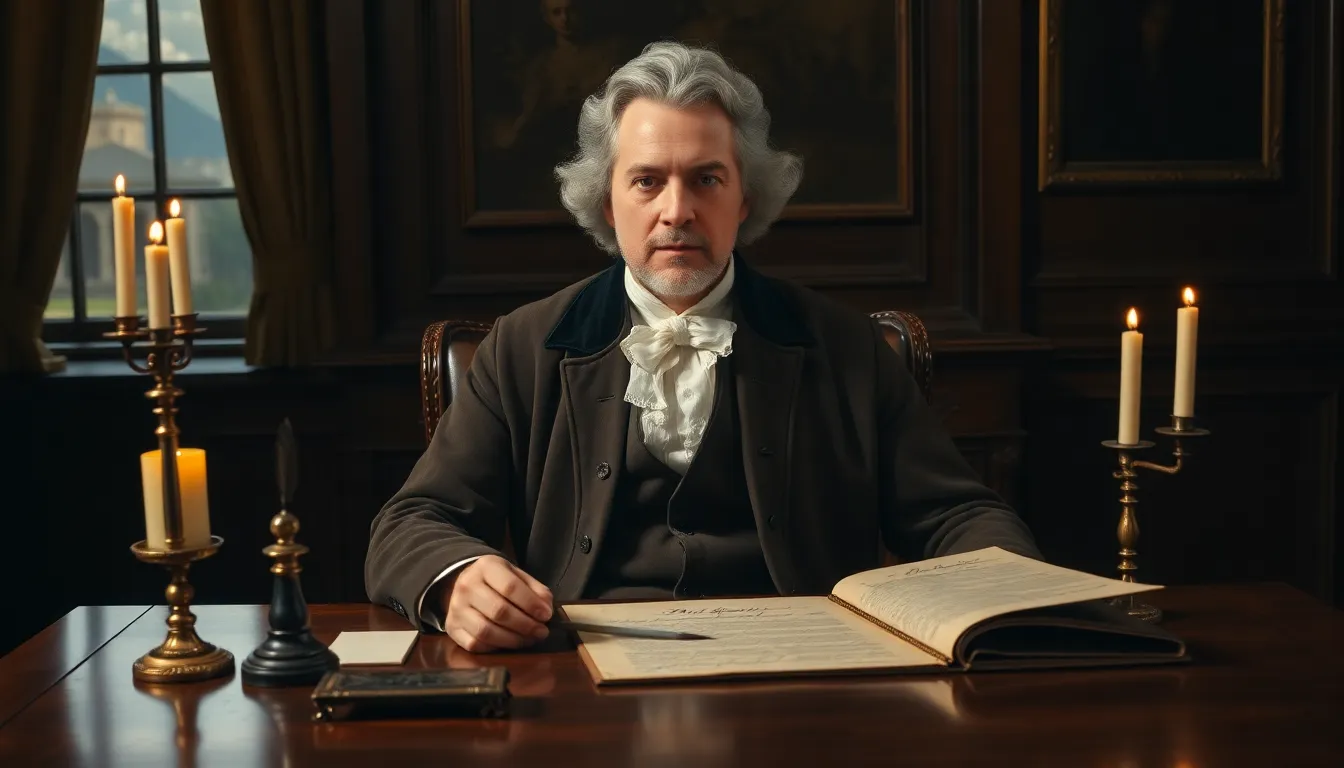
History is not an abstraction — it is the accumulated decisions, actions, and experiences of individual human beings across time. The biographies of history's most significant figures offer direct access to the lives behind the dates and the persons behind the events, bridging the distance between past and present.
Ancient and Classical Worlds
The ancient world produced figures of extraordinary influence whose ideas and actions still resonate. Julius Caesar's military campaigns and political ambitions shaped the structure of Western governance for centuries. Cleopatra VII ruled one of the ancient world's most sophisticated civilizations and negotiated alliances that prolonged Egyptian sovereignty against Roman expansion. Socrates, Plato, and Aristotle established philosophical frameworks that still define how Western civilization approaches ethics, politics, and knowledge. Alexander the Great spread Greek culture across three continents in little more than a decade.
Medieval and Early Modern Visionaries
The medieval period produced leaders, thinkers, and explorers whose legacies proved surprisingly durable. Genghis Khan created the largest contiguous land empire in history and — despite extraordinary violence — established trade routes connecting East and West for centuries. Joan of Arc led French armies at nineteen and was executed at twenty, becoming a national symbol that outlasted the war she helped win. Leonardo da Vinci worked at the intersection of art and science five centuries before interdisciplinary thinking had a name.
Revolutionary Figures of the Modern Era
The 18th and 19th centuries were ages of revolution — political, industrial, and intellectual. George Washington, Simón Bolívar, and Toussaint Louverture led independence movements on three continents. Napoleon Bonaparte reorganized European states and legal systems in ways that still structure modern governance. Frederick Douglass escaped slavery and became the most articulate and influential abolitionist voice in American public life. These figures shaped the world's political map in ways that are still legible today.
Why Historical Biographies Matter Now
Studying historical figures is not nostalgia — it is an active form of civic education. Understanding how past leaders made decisions in conditions of uncertainty, how they managed power, how they responded to crisis and injustice, equips us to evaluate the decisions and leaders of our own time. History's biographies are a practical resource for the present.
Browse the collection below to discover the lives of the historical figures who built, challenged, and transformed the world we have inherited.
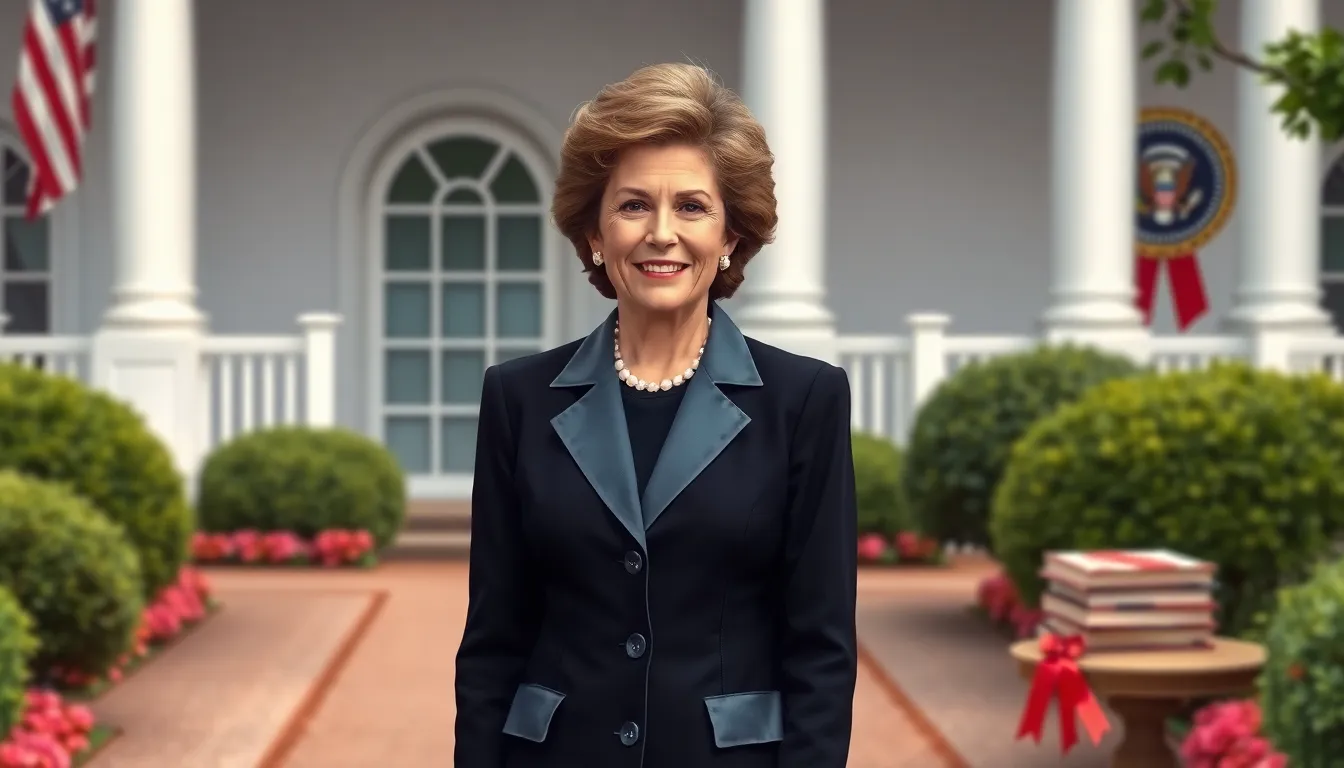
Hillary Rodham Clinton, former First Lady, U.S. Senator, Secretary of State, and presidential candidate, has been a central figure in American politics for four decades. This biography outlines her early life, political career, personal relationships, and the controversies that have shaped her public image.
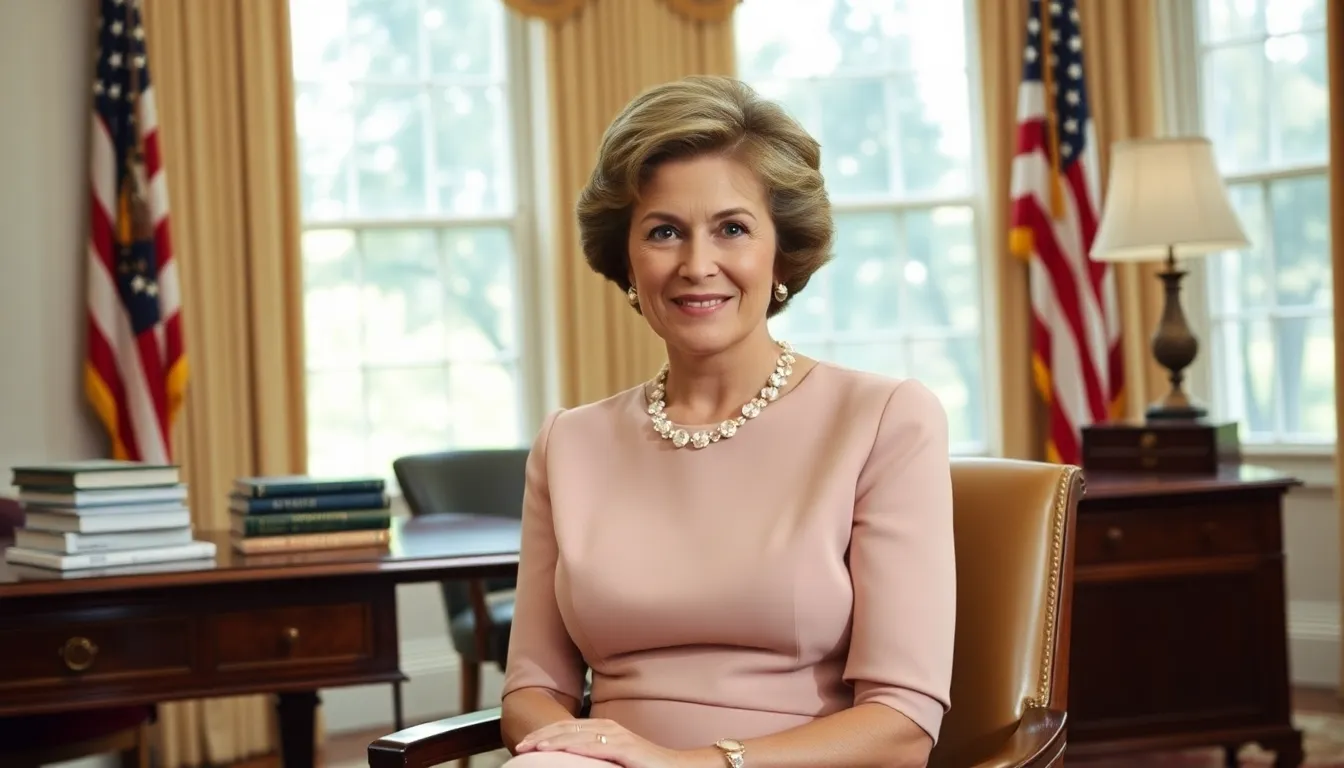
Jacqueline Kennedy (1929–1994) served as First Lady of the United States from 1961 to 1963, redefining the role through her cultural initiatives, historical preservation work, and enduring public image.
Jill Tracy Biden, the current First Lady of the United States, has spent decades as an educator, author, and advocate for military families. Her life reflects the evolution of modern American politics and the role of women in public service.
Melania Trump, born Melanija Knavs in Slovenia, served as First Lady of the United States from 2017 to 2021. The biography outlines her early life, modeling career, marriage to Donald J. Trump, public initiatives, controversies, and lasting legacy.
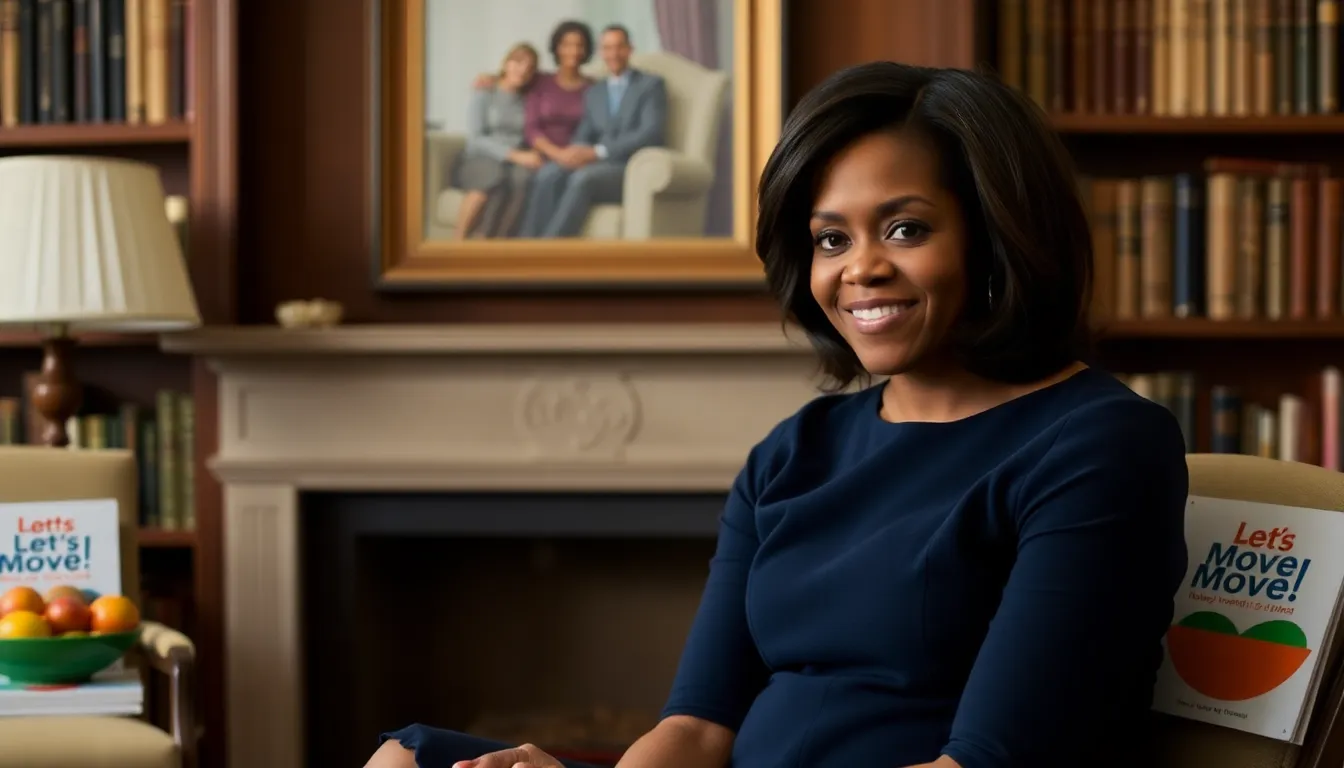
Michelle Obama, former First Lady of the United States, is known for her advocacy on education, health, and military families, as well as her memoir “Becoming”.
Michelle Obama, former First Lady of the United States (2009–2017), is a lawyer, author, and public health advocate whose initiatives on nutrition, education, and veterans’ families have left an enduring imprint on contemporary American society.
Rosalynn Carter, former First Lady of the United States (1977–1981), is noted for her advocacy on mental health, caregiving, and women’s issues, as well as her long partnership with President Jimmy Carter.
Rosalynn Carter, former First Lady of the United States (1977‑1981), is noted for her advocacy on mental health, caregiving, and women’s issues, and remains an active public figure well into her ninth decade.
John Hancock (1737–1793) was a prominent American merchant, politician, and Revolutionary leader best known for his large signature on the Declaration of Independence and his service as the first President of the United States Congress.
John Hancock was a prominent American merchant, patriot, and statesman whose bold signature on the Declaration of Independence made his name synonymous with a signature. He served as President of the Continental Congress and later as Governor of Massachusetts.
Sir Francis Drake (c.1540–1596) was an English sea captain, privateer, and explorer whose voyages against Spain helped shape the Elizabethan era’s naval power and global ambitions.
Frederick Douglass (c.1818‑1895) was an escaped slave who became a leading abolitionist, writer, and statesman, whose speeches and autobiographies reshaped 19th‑century American politics and civil‑rights discourse.
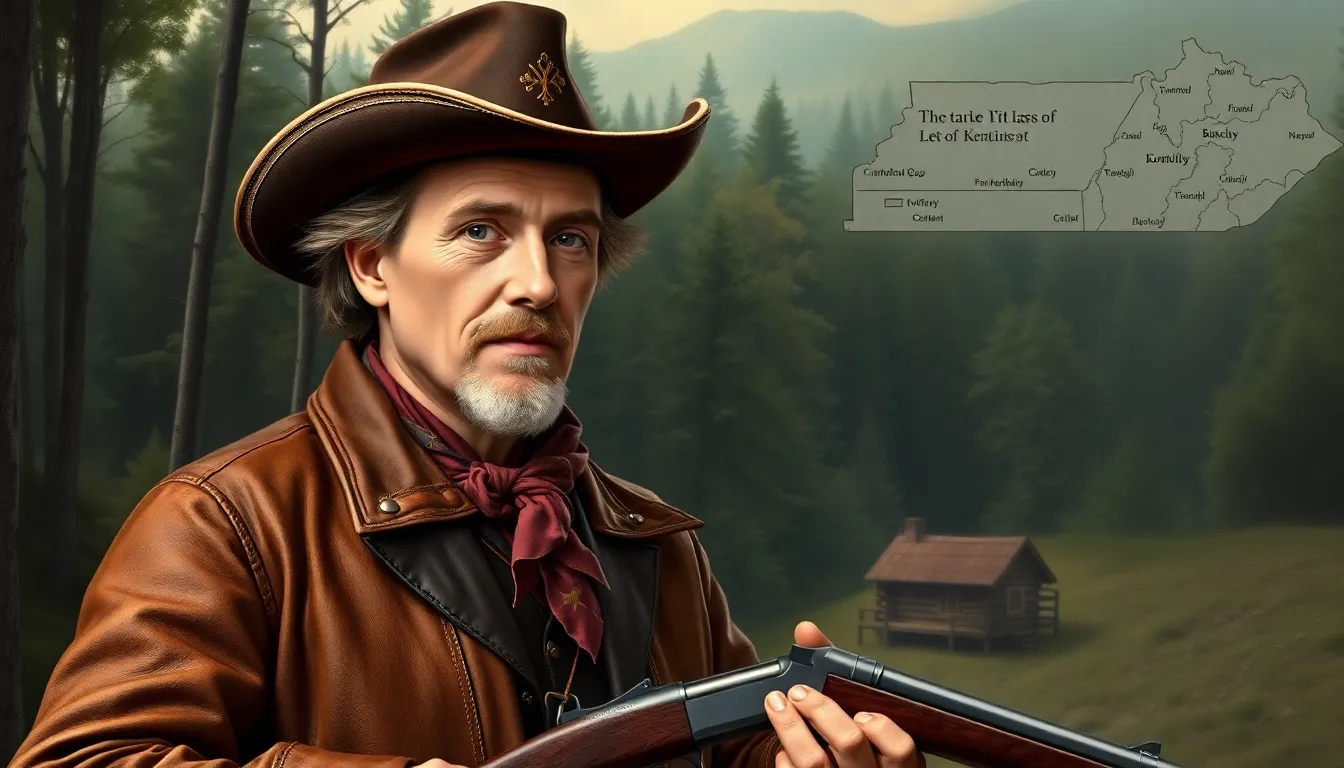
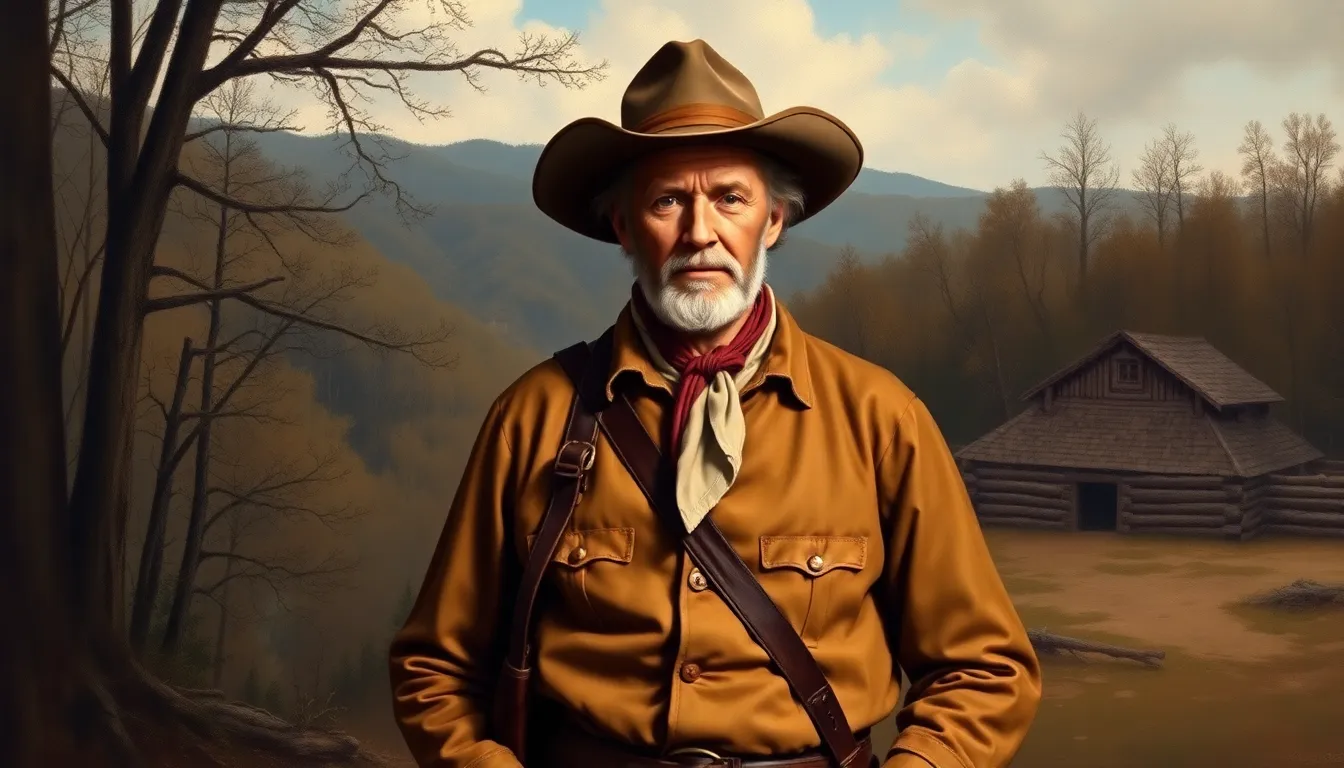
Daniel Boone (1734–1820) was a seminal American pioneer whose exploration of Kentucky opened the western frontier for settlement. His life, marked by frontier exploits, complex family ties, and modest means, remains a subject of both legend and scholarly investigation.
Daniel Boone (1734–1820) was a legendary American frontiersman whose explorations of Kentucky opened the western frontier for settlement. His life, marked by wilderness skill, conflict with Indigenous peoples, and lasting cultural myth, reflects the complexities of early American expansion.
Alphonse Gabriel Capone (1899–1947) rose from an immigrant neighbourhood in Brooklyn to become the most notorious gangster of the Prohibition era, heading the Chicago Outfit and influencing organized crime in the United States. His life, criminal empire, courtroom battles and eventual decline illustrate the complexities of law enforcement and public fascination in early twentieth‑century America.
Alphonse “Al” Capone (1899–1947) rose from an immigrant family in Brooklyn to become Chicago’s most infamous Prohibition‑era gangster, amassing wealth, power, and a lasting mythic legacy.
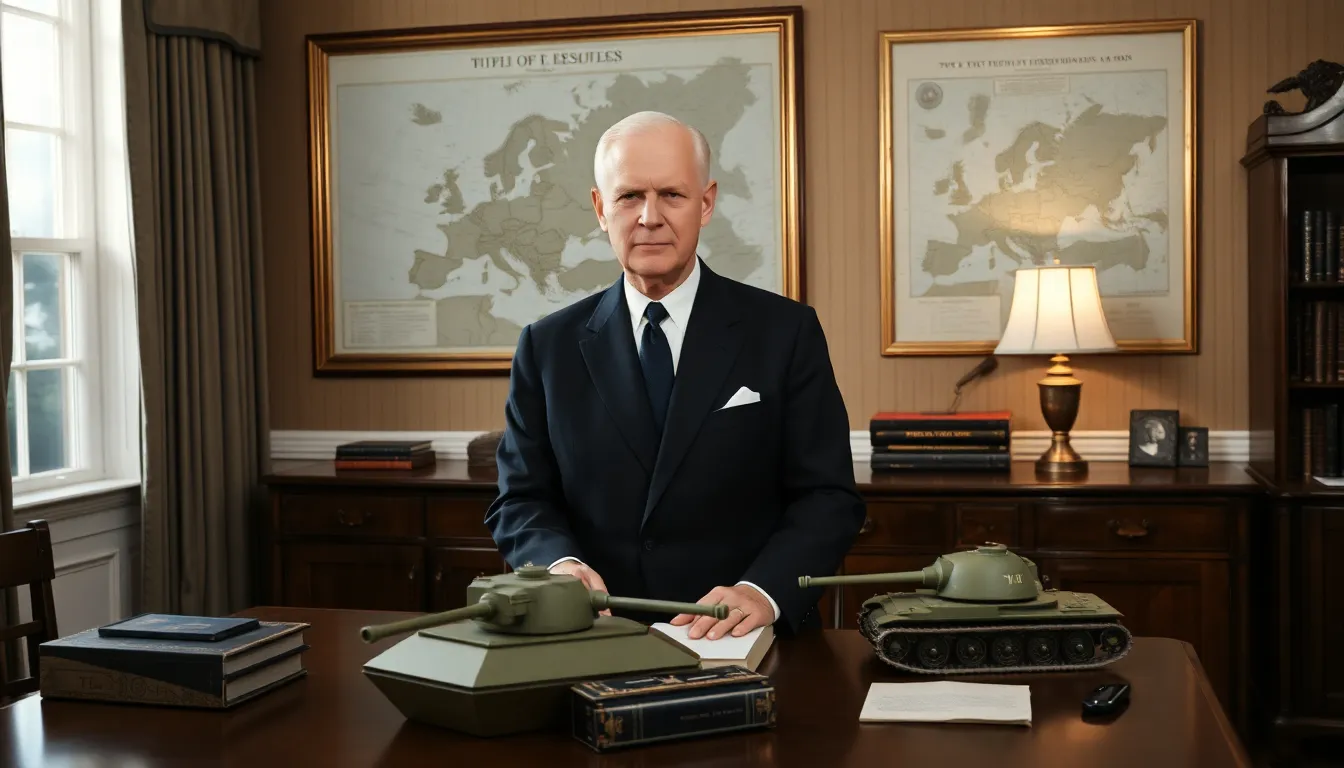
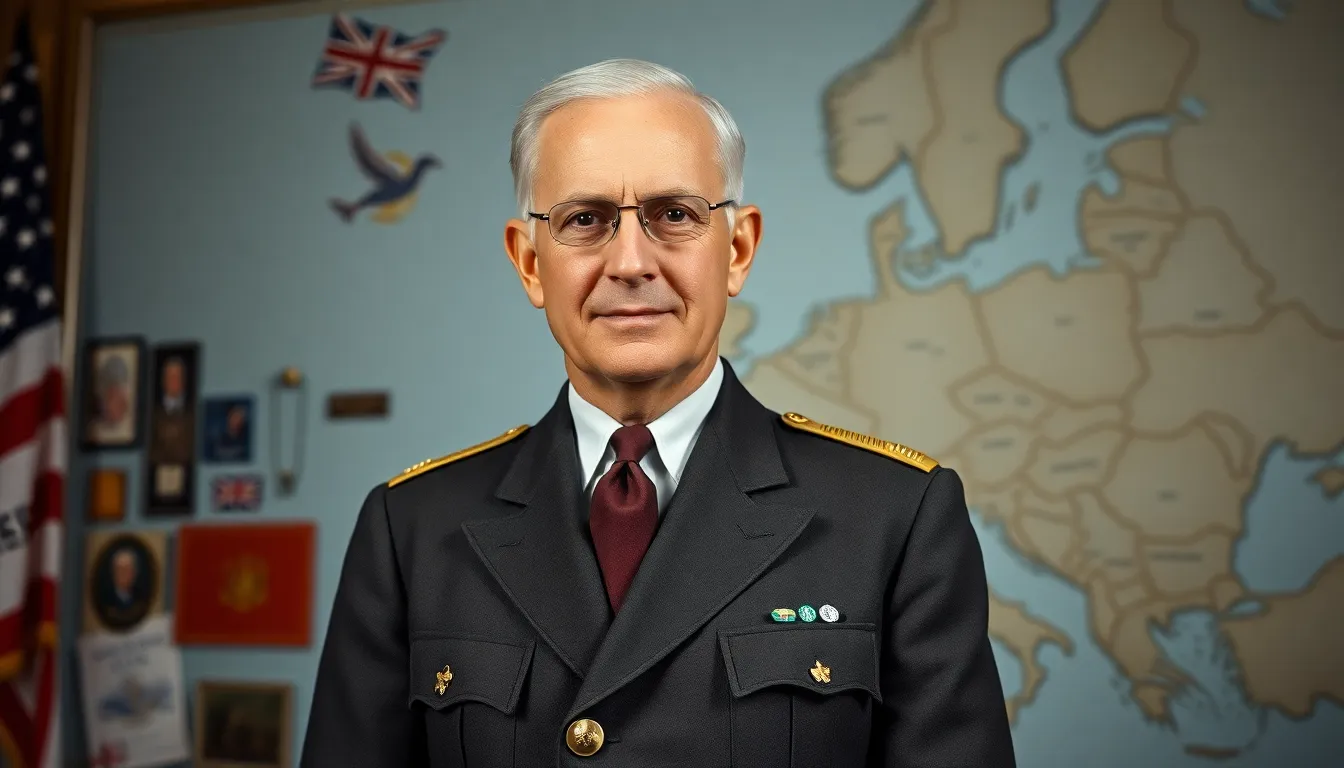
Dwight D. Eisenhower was a five‑star general who became the Supreme Commander of Allied forces in Europe during World War II and later served two terms as the 34th President of the United States.
Dwight D. Eisenhower (1890–1969) was a five‑star general who commanded Allied forces in World War II and served two terms as the 34th President of the United States, shaping mid‑century American politics and foreign policy.
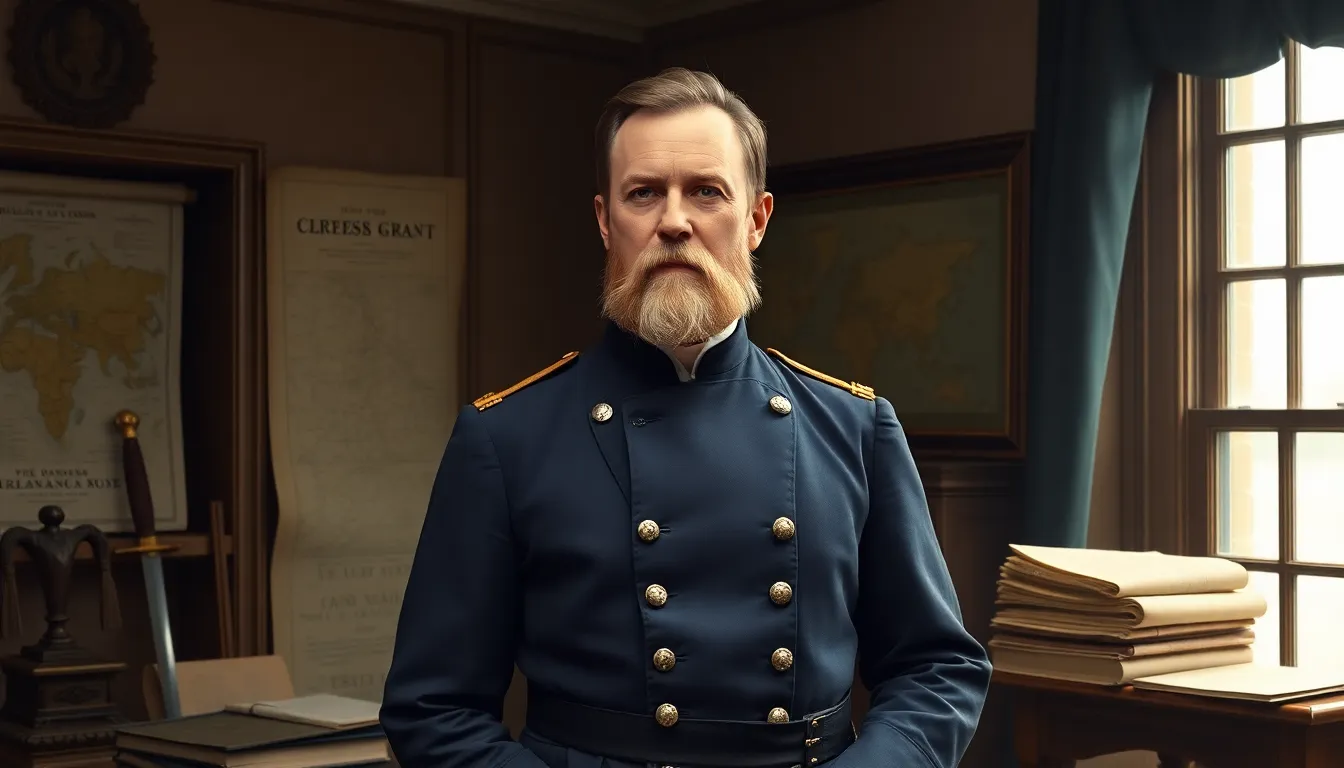
Ulysses S. Grant (1822‑1885) was the commanding general of the Union armies during the American Civil War and the 18th President of the United States, known for his military leadership, political controversies, and post‑presidential financial difficulties.
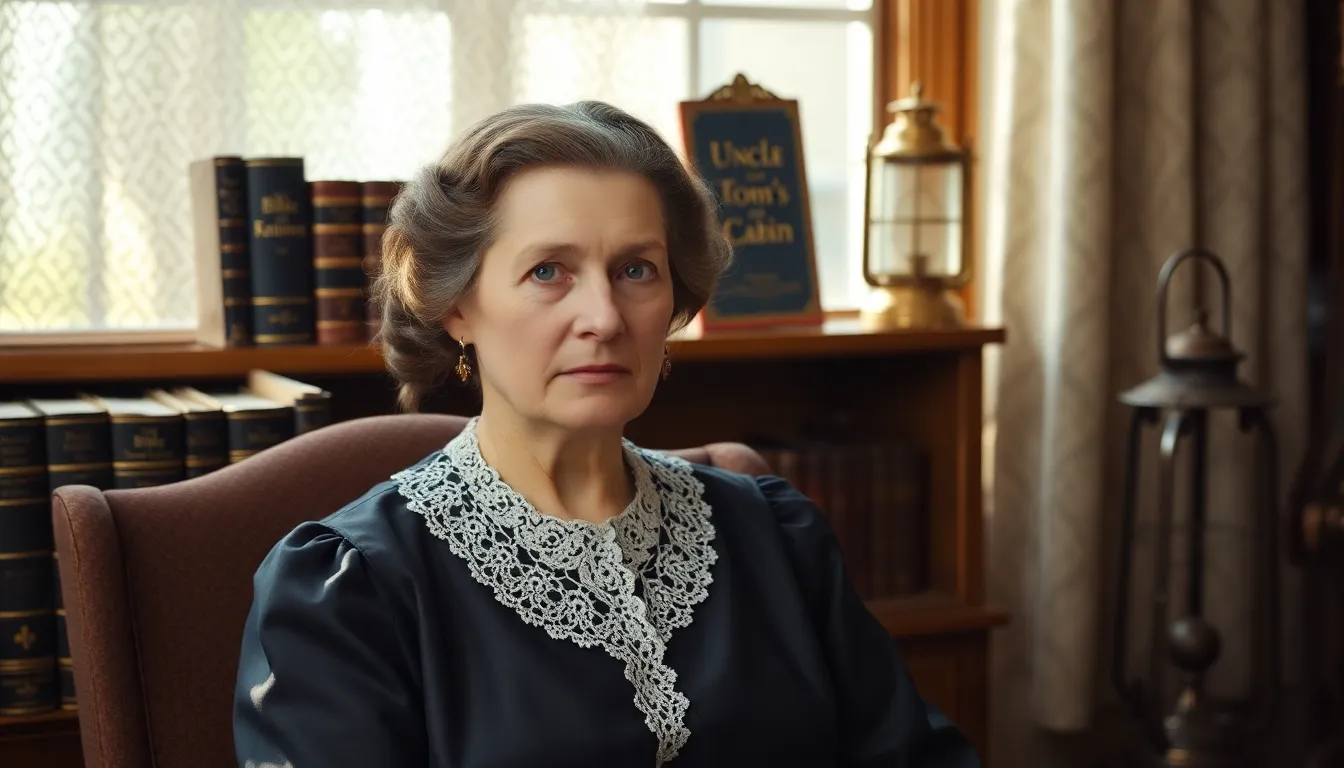
Harriet Beecher Stowe (1811–1896) was an American author and abolitionist best known for her novel *Uncle Tom’s Cabin*. Her writings shaped public opinion on slavery and left a lasting imprint on American literature and social reform.
Harriet Beecher Stowe (1811–1896) was an American author and abolitionist best known for her novel Uncle Tom’s Cabin, which galvanized anti‑slavery sentiment in the United States and abroad. Her life, writings, and activism reflect the turbulent moral and political debates of the nineteenth‑century United States.
Andrew Carnegie (1835–1919) was a Scottish‑American industrialist who built the Carnegie Steel Company into the largest steel empire of the 19th century and later became a leading philanthropist.
Samuel Slater (1768‑1835) was an English‑born American industrialist who introduced the first successful water‑powered cotton‑spinning factory to the United States, earning him the nickname “Father of the American Industrial Revolution.”
Samuel Slater (1768–1835) was an English‑born industrialist who introduced British textile technology to the United States, earning the nickname “Father of the American Industrial Revolution.” He founded the first successful water‑powered cotton‑spinning mill in America and helped shape early U.S. manufacturing.
Eli Whitney (1765–1825) was an American inventor whose development of the cotton gin and advocacy of interchangeable parts reshaped agriculture and manufacturing in the early United States.
Eli Whitney (1765–1825) was an American inventor best known for the cotton gin and for pioneering interchangeable parts in manufacturing, shaping the early United States industrial landscape.
Jacqueline Kennedy (1929–1994) was the First Lady of the United States from 1961 to 1963, an influential cultural figure, and later a publisher and preservationist. Her life spanned public service, iconic fashion, and a complex personal legacy.
Jesse James (1847‑1882) was a notorious American outlaw whose criminal career after the Civil War made him a folk legend. This biography examines his early life, the Confederate guerrilla background, documented robberies, uncertain wealth, and the ways historians have interpreted his legacy.
Thurgood Marshall was the first African American appointed to the U.S. Supreme Court, renowned for his legal victories against segregation and his lifelong commitment to civil rights.
Thurgood Marshall was the first African‑American justice of the United States Supreme Court, renowned for his civil‑rights litigation and influence on American law. His life spanned from 1908 to 1993, marked by groundbreaking victories and enduring debates.
Laura Bush, former First Lady of the United States (2001‑2009), is noted for her work in education, literacy, and women’s health. This biography explores her early years, public service, and lasting legacy.
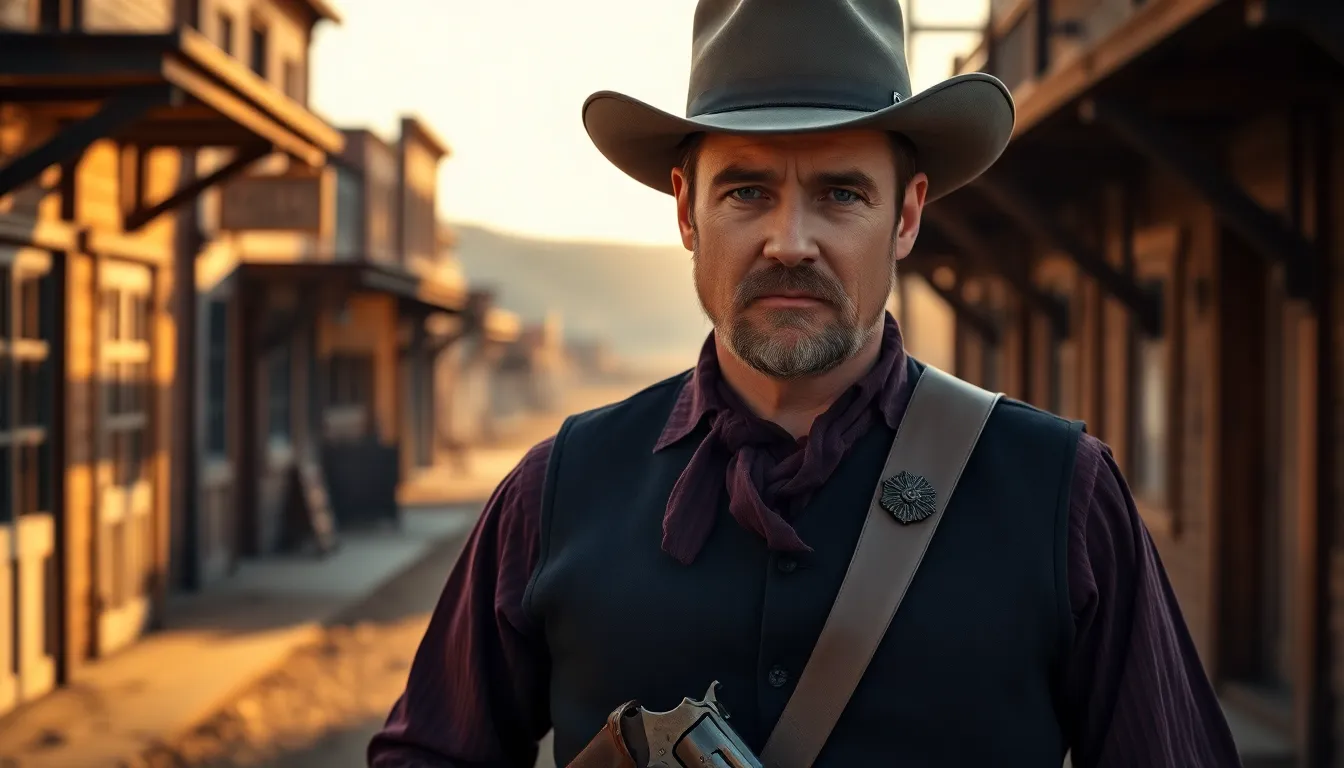
Wyatt Earp (1848‑1938) was a frontier lawman, gambler, and businessman whose reputation was forged in the gun‑fights of the American Old West. His life, marked by both documented service and mythologising, continues to shape popular images of western justice.
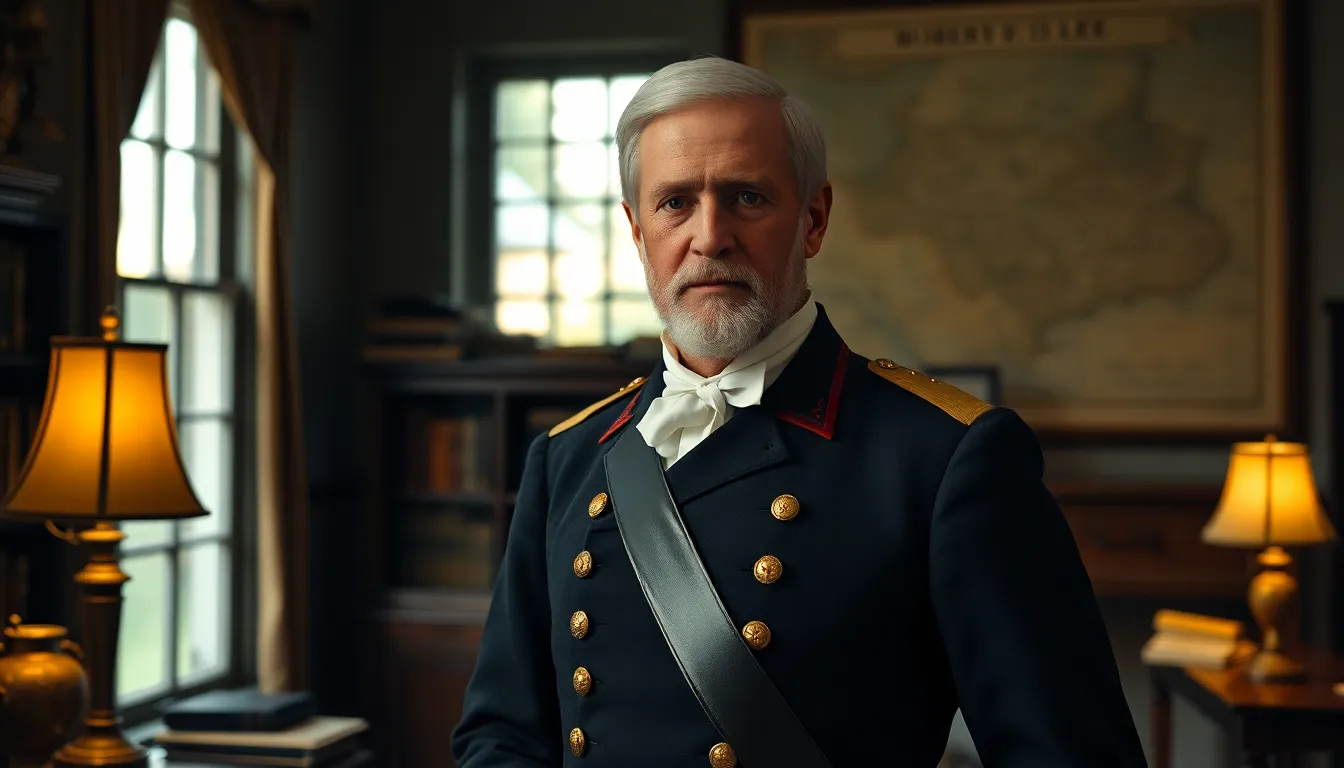
Robert E. Lee (1807–1870) was a senior officer of the United States Army who commanded the Confederate Army of Northern Virginia during the American Civil War. His life reflects the complexities of loyalty, war, and post‑war reconciliation.
Robert E. Lee (1807–1870) was a senior officer of the United States Army who became the commanding general of the Confederate Army of Northern Virginia during the American Civil War. His military skill, personal integrity, and post‑war reconciliation efforts have made him a subject of enduring scholarly debate.
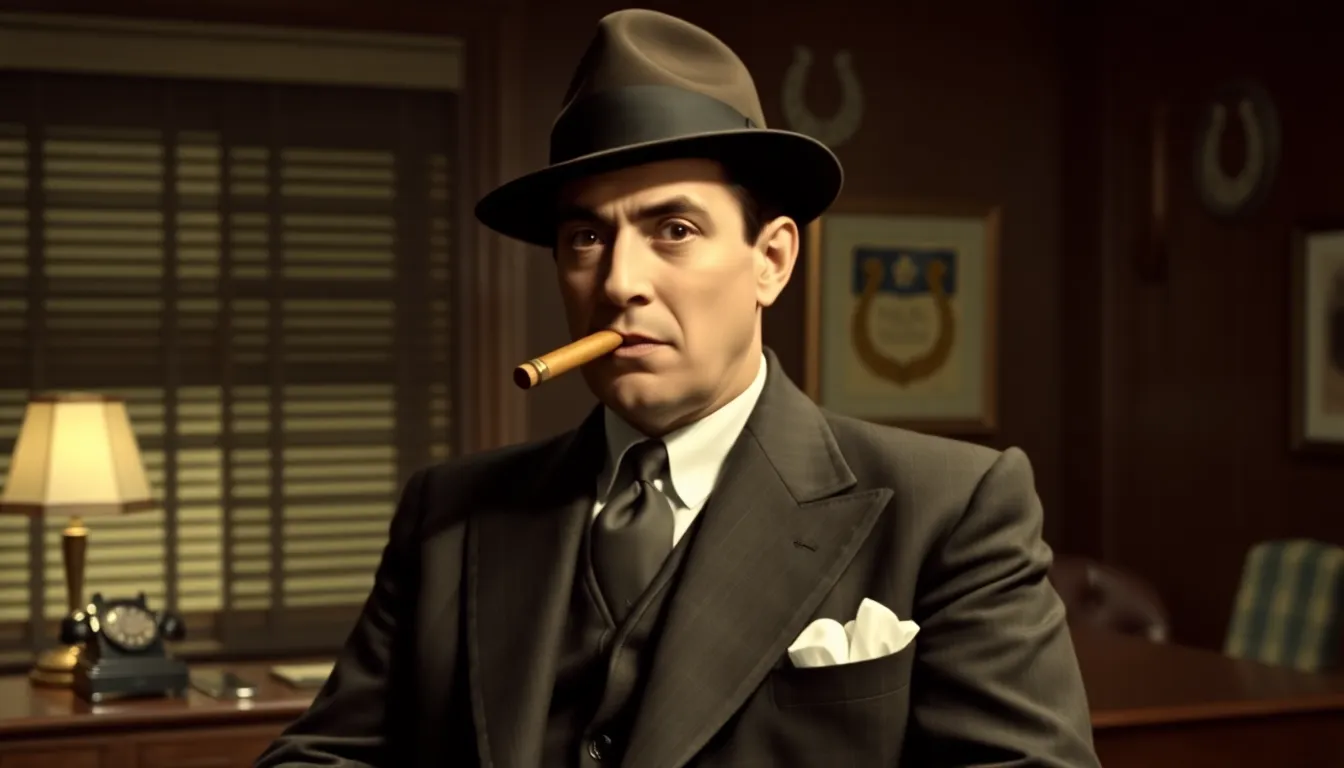
Charles “Lucky” Luciano (1897–1962) was a pioneering Italian‑American mobster who reshaped organized crime in the United States, creating the modern Mafia structure and the National Crime Commission.
Charles ‘Lucky’ Luciano (1897–1962) was a Sicilian-born American mobster who restructured organized crime in the United States. His career spanned the Prohibition era, the creation of the national crime syndicate, and his later exile to Italy.
Lucretia Mott (1793–1880) was a pioneering American Quaker, abolitionist, and women’s rights activist whose persistent advocacy helped shape the early reform movements of the 19th‑century United States.
Lucretia Mott (1793–1880) was an American Quaker minister, abolitionist, and pioneering advocate for women’s rights whose intellectual courage helped shape 19th‑century reform movements.
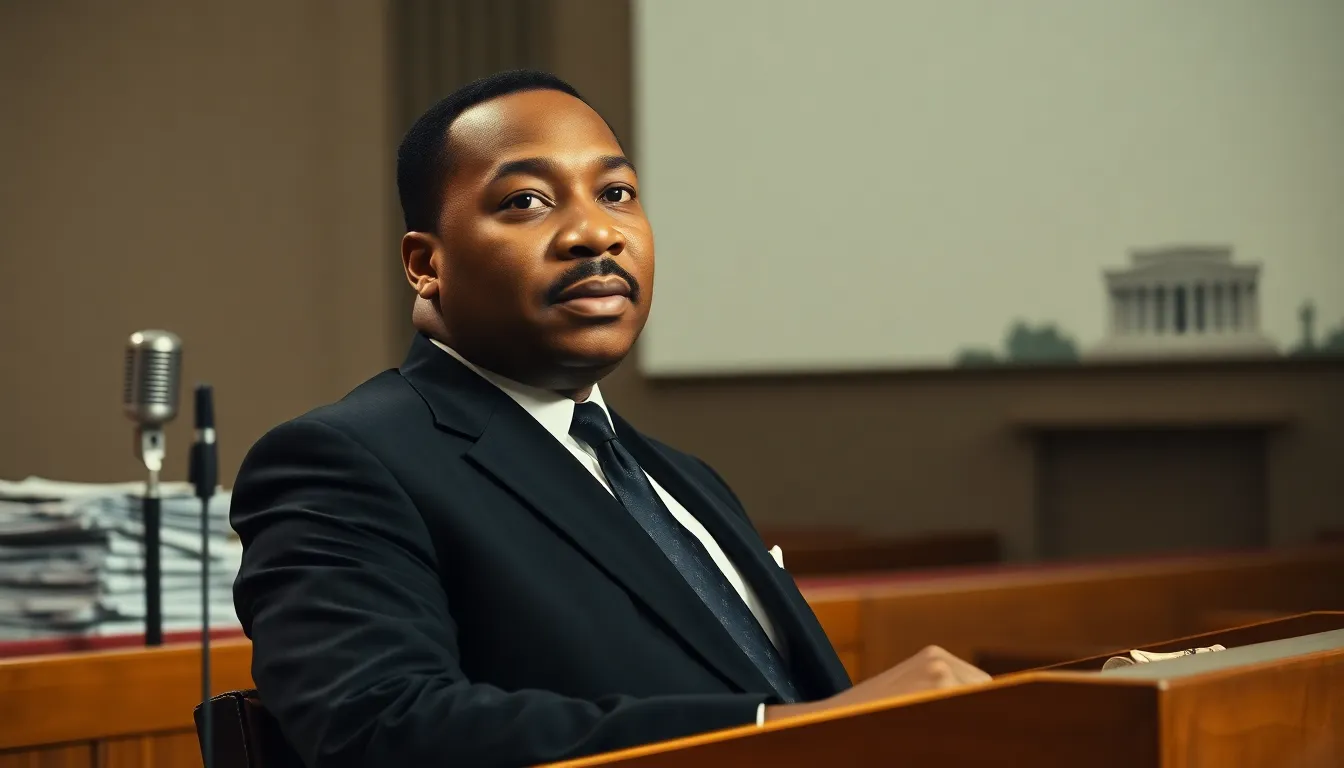
Martin Luther King Jr. was a Baptist minister and the most visible leader of the American civil‑rights movement from 1954 until his assassination in 1968. He advocated nonviolent protest and helped secure landmark legislation that ended legal segregation.
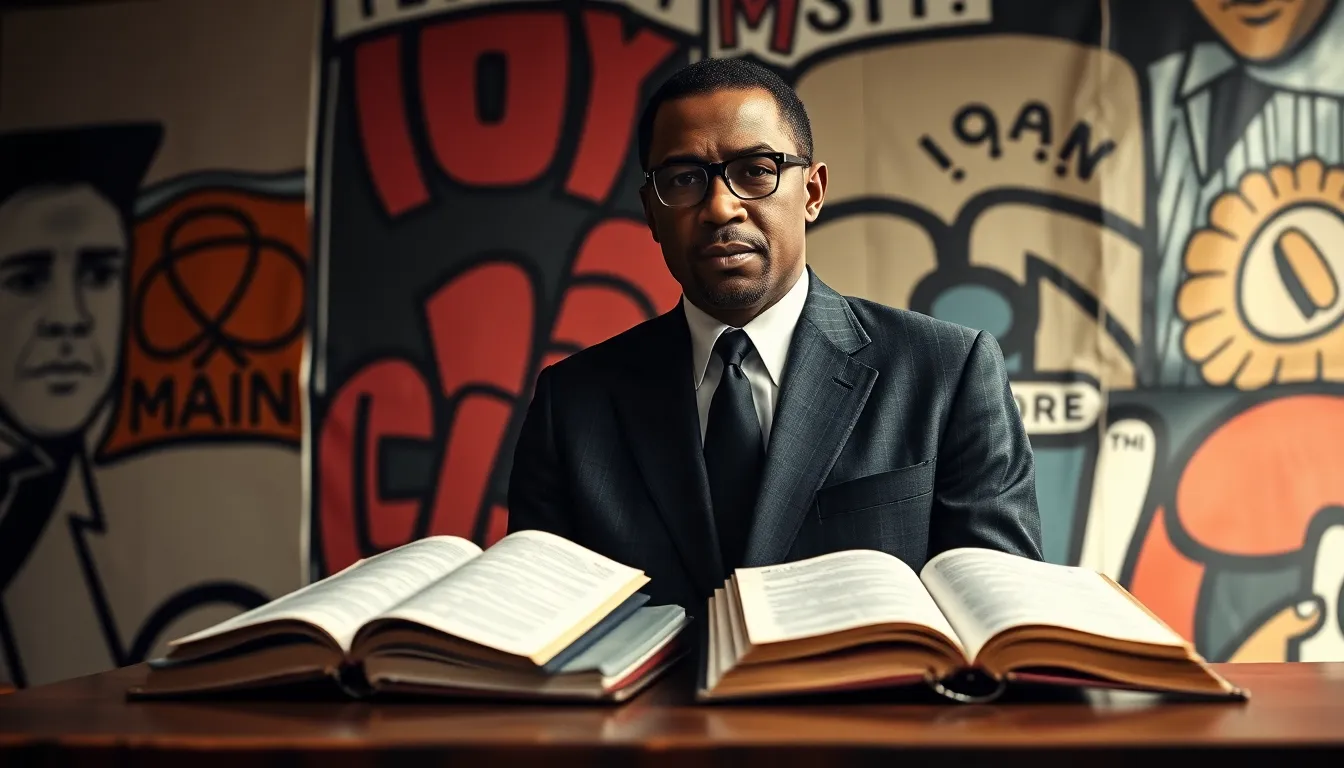
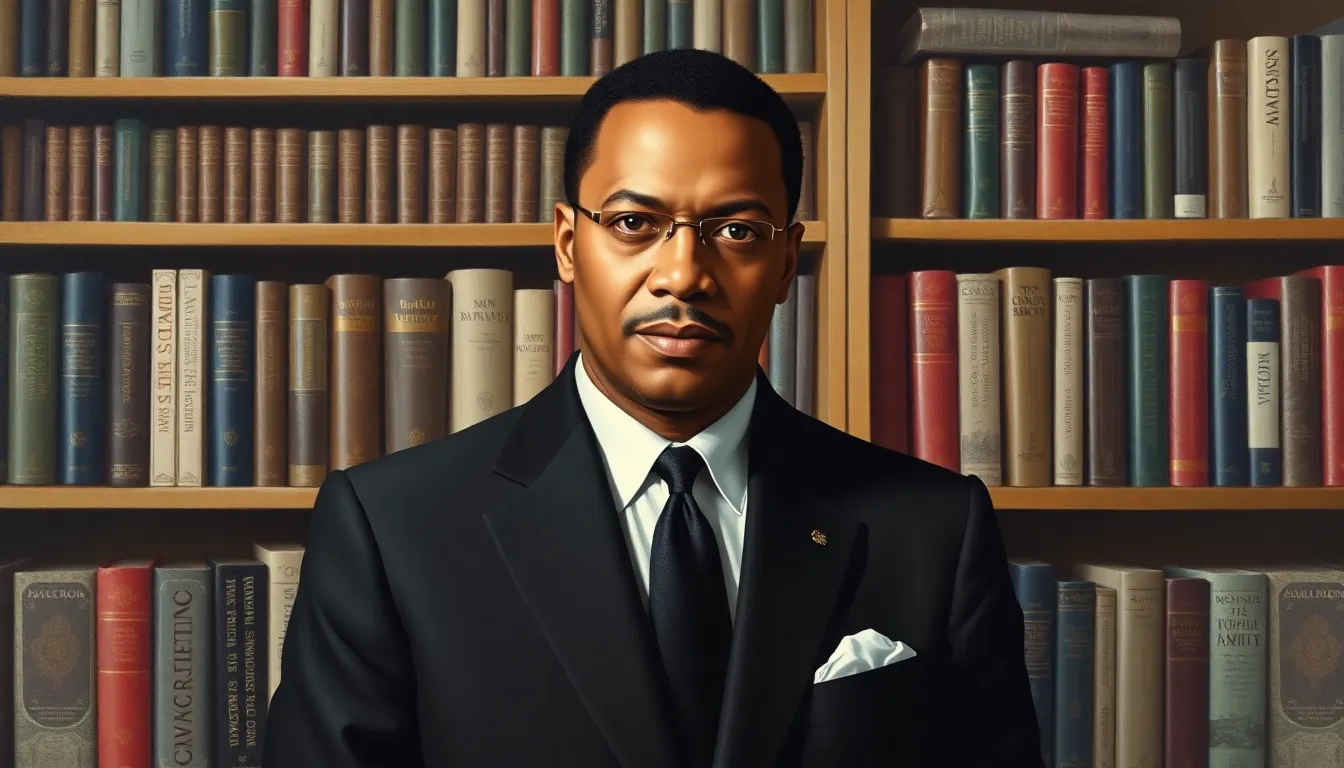
Malcolm X (1925–1965) was a prominent African‑American civil rights leader whose advocacy for Black empowerment and self‑defense left a lasting impact on U.S. social movements. This biography examines his historical context, early life, activism, controversies, and legacy.
Malcolm X (1925–1965) was a prominent African‑American leader whose advocacy for Black empowerment, self‑defence and human rights made him a pivotal figure in the US civil‑rights movement.
Nancy Reagan (1921‑2016) was the wife of U.S. President Ronald Reagan, serving as First Lady from 1981 to 1989. A former actress, she became a prominent public figure through her advocacy, political influence, and humanitarian work.
Nancy Reagan (1921‑2016) was the wife of the 40th President of the United States, Ronald Reagan, and served as First Lady from 1981 to 1989. She is remembered for her anti‑drug campaign, influential role in the White House, and later public discussion of the couple’s finances.
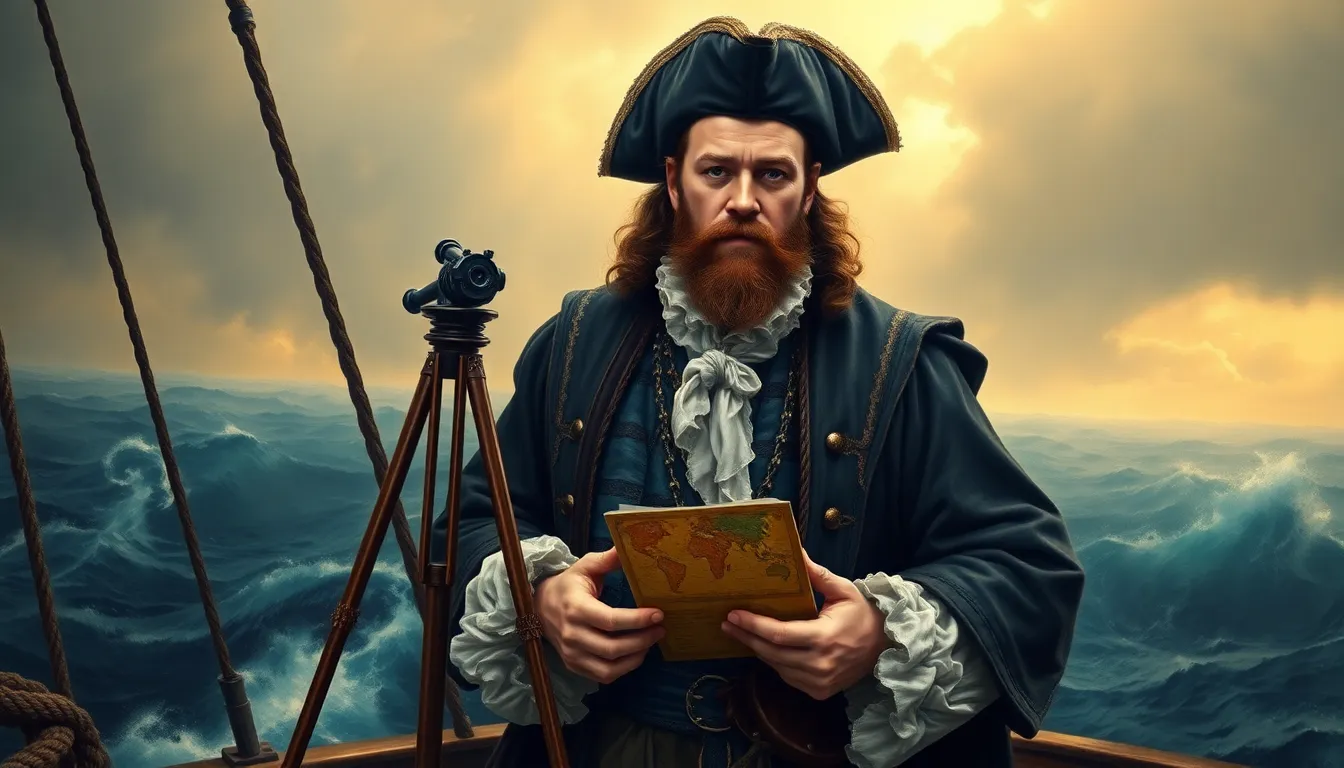
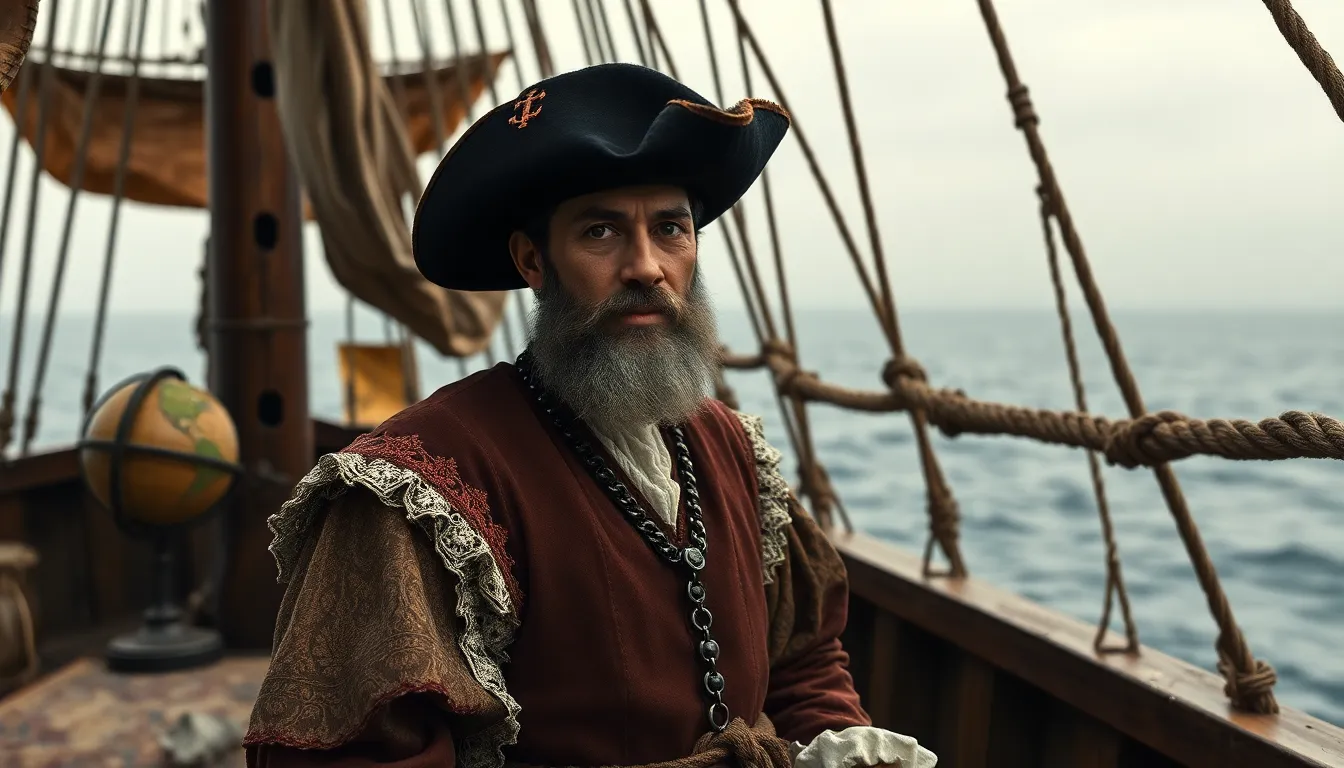
Ferdinand Magellan (c.1480 – 1521) was a Portuguese explorer who organised the first expedition to circumnavigate the globe under the Spanish Crown, dramatically reshaping European knowledge of the world.
Ferdinand Magellan (c.1480–1521) was a Portuguese explorer who organised the first expedition to circumnavigate the globe under the Spanish flag. His life, voyages, and aftermath remain pivotal in early modern maritime history.
Neil Armstrong (1930‑2012) was an American astronaut, naval aviator, and aerospace engineer who became the first human to walk on the Moon during NASA’s Apollo 11 mission in 1969.
Harold Lafayette Hunt (1889‑1974) was an American oil magnate whose ventures reshaped the petroleum industry, amassed a fortune, and left a controversial legacy in politics and philanthropy.
Harold Lloyd Hunt (1910–1974) was an American oil magnate whose business empire spanned petroleum, minerals, and finance. His complex legacy includes vast wealth, political influence, and controversial family dynamics.