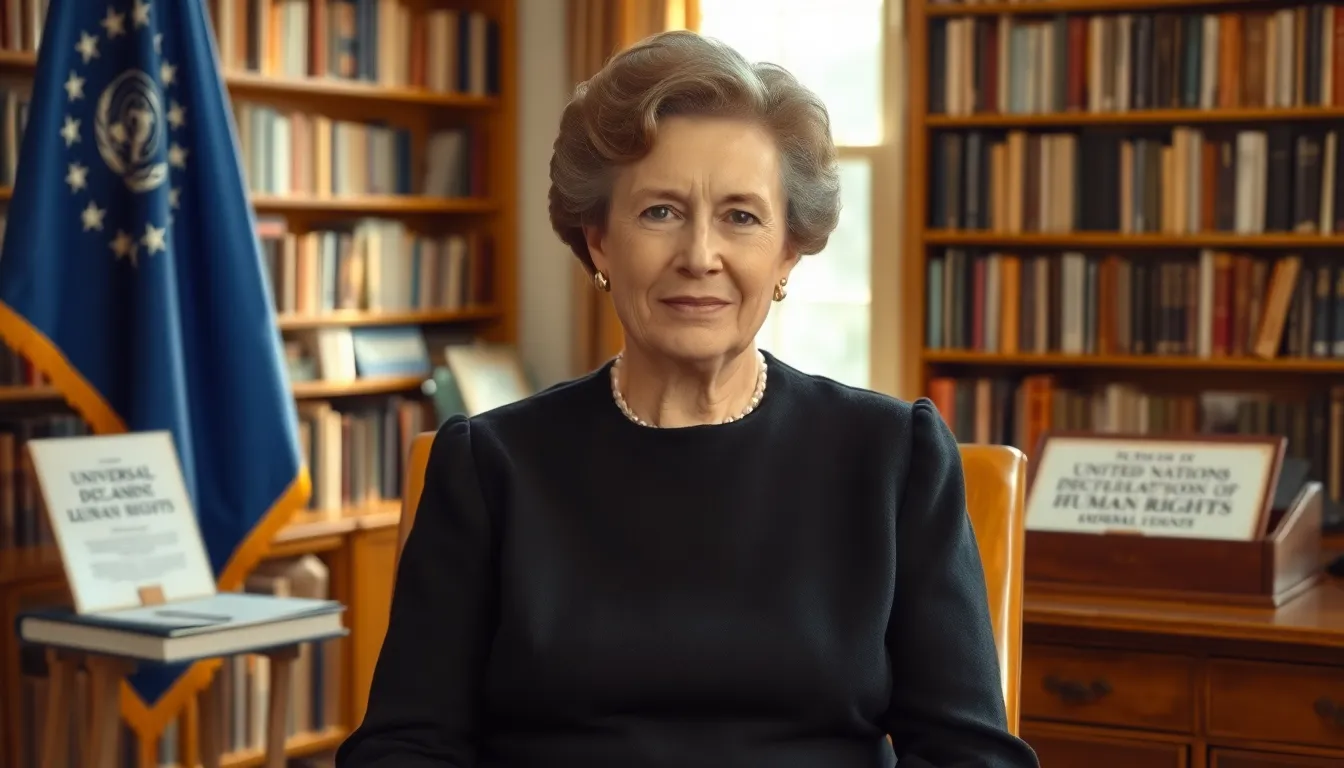
Explore Biographies of Historical Figures and uncover the leaders, thinkers, rebels, and events that shaped the course of history.
Explore Biographies of Historical Figures
History is not an abstraction — it is the accumulated decisions, actions, and experiences of individual human beings across time. The biographies of history's most significant figures offer direct access to the lives behind the dates and the persons behind the events, bridging the distance between past and present.
Ancient and Classical Worlds
The ancient world produced figures of extraordinary influence whose ideas and actions still resonate. Julius Caesar's military campaigns and political ambitions shaped the structure of Western governance for centuries. Cleopatra VII ruled one of the ancient world's most sophisticated civilizations and negotiated alliances that prolonged Egyptian sovereignty against Roman expansion. Socrates, Plato, and Aristotle established philosophical frameworks that still define how Western civilization approaches ethics, politics, and knowledge. Alexander the Great spread Greek culture across three continents in little more than a decade.
Medieval and Early Modern Visionaries
The medieval period produced leaders, thinkers, and explorers whose legacies proved surprisingly durable. Genghis Khan created the largest contiguous land empire in history and — despite extraordinary violence — established trade routes connecting East and West for centuries. Joan of Arc led French armies at nineteen and was executed at twenty, becoming a national symbol that outlasted the war she helped win. Leonardo da Vinci worked at the intersection of art and science five centuries before interdisciplinary thinking had a name.
Revolutionary Figures of the Modern Era
The 18th and 19th centuries were ages of revolution — political, industrial, and intellectual. George Washington, Simón Bolívar, and Toussaint Louverture led independence movements on three continents. Napoleon Bonaparte reorganized European states and legal systems in ways that still structure modern governance. Frederick Douglass escaped slavery and became the most articulate and influential abolitionist voice in American public life. These figures shaped the world's political map in ways that are still legible today.
Why Historical Biographies Matter Now
Studying historical figures is not nostalgia — it is an active form of civic education. Understanding how past leaders made decisions in conditions of uncertainty, how they managed power, how they responded to crisis and injustice, equips us to evaluate the decisions and leaders of our own time. History's biographies are a practical resource for the present.
Browse the collection below to discover the lives of the historical figures who built, challenged, and transformed the world we have inherited.
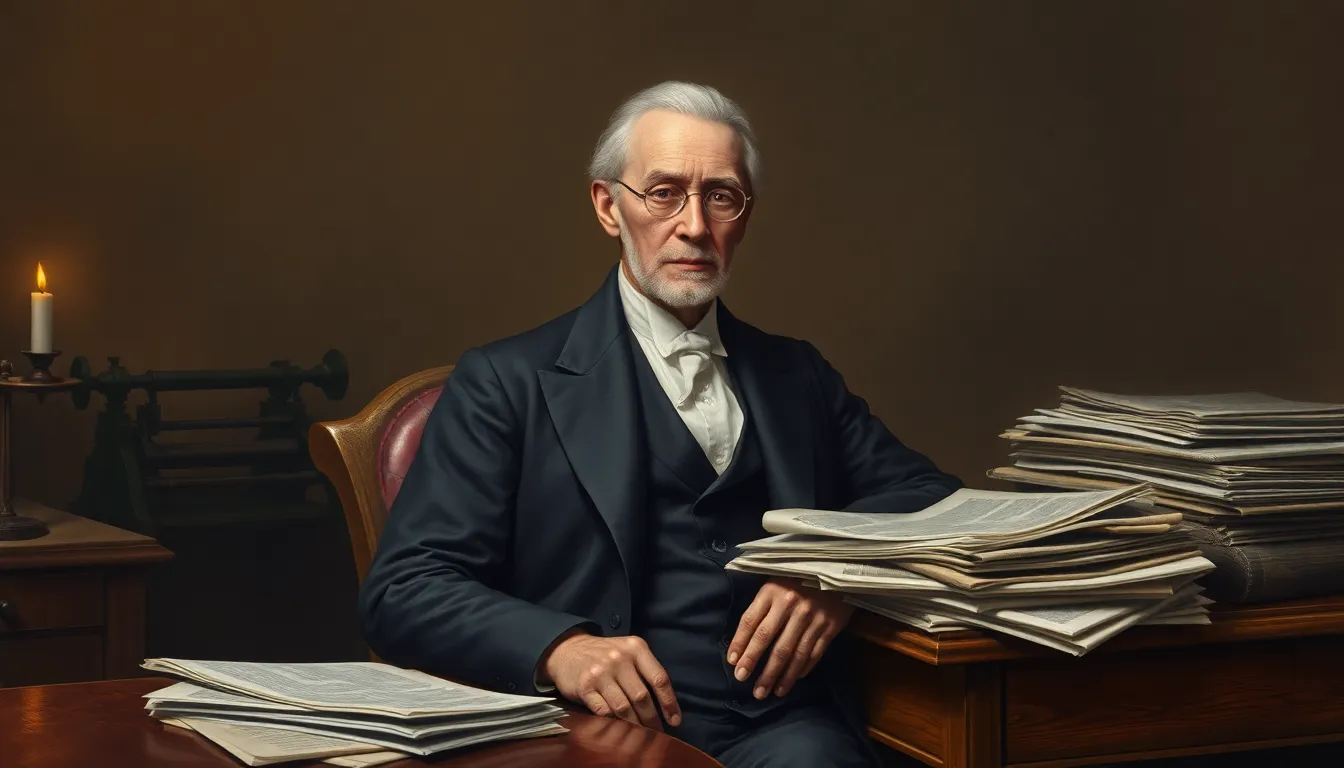
William Lloyd Garrison (1805–1879) was a leading American abolitionist, journalist, and social reformer who founded the anti‑slavery newspaper The Liberator and helped shape the antislavery movement of the mid‑19th century.
Elizabeth Cady Stanton (1815–1902) was a pivotal leader of the 19th‑century American women’s rights movement. She co‑authored the Declaration of Sentiments, founded the National Woman Suffrage Association, and wrote extensively on gender equality.
Elizabeth Cady Stanton (1815‑1902) was a pioneering American suffragist, social reformer, and author whose activism helped spark the women’s rights movement in the United States.
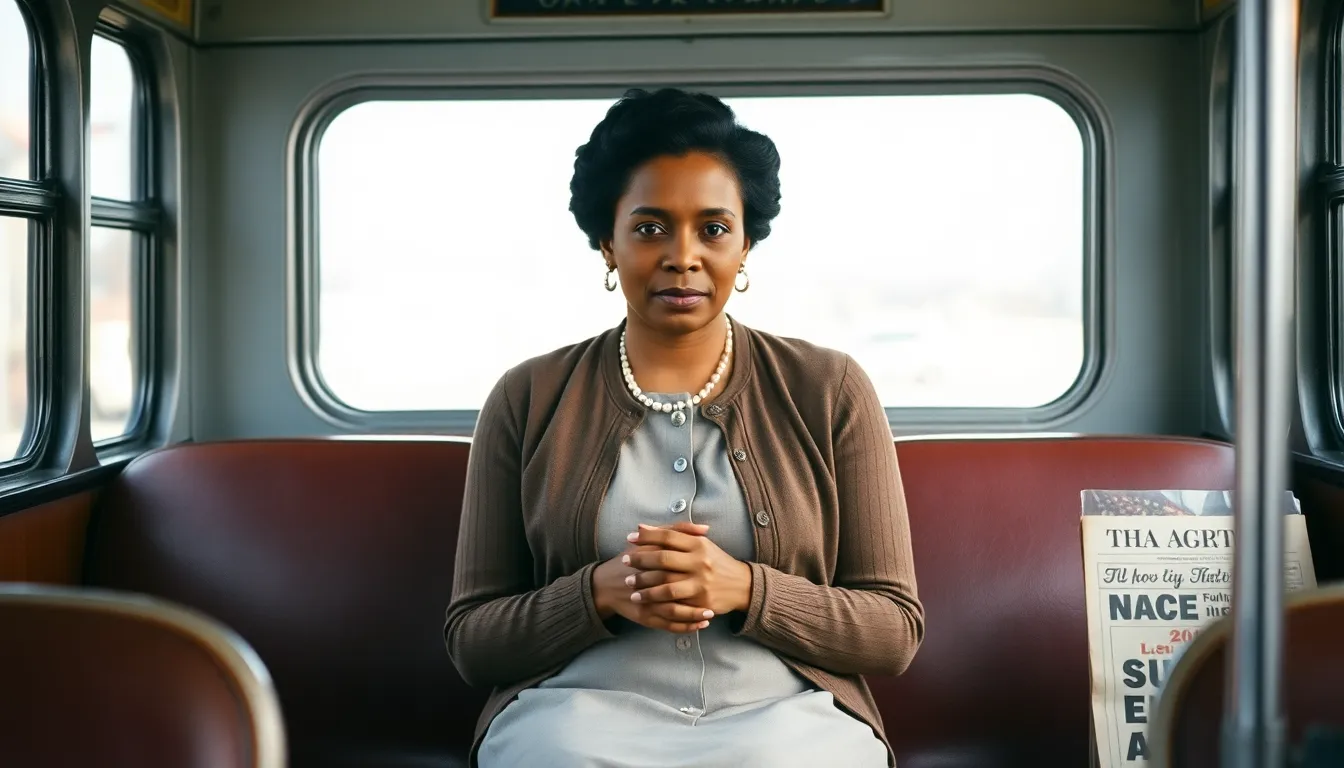
Rosa Parks, an African‑American civil‑rights activist, is renowned for her pivotal role in the Montgomery bus boycott of 1955, an act that helped launch the modern civil‑rights movement.
Jesse James (1847‑1882) was an American outlaw who became a legendary figure of the post‑Civil War frontier. His life, crimes, and myth have been examined by historians for their social, political, and cultural significance.
John D. Rockefeller (1839–1937) was an American industrialist whose Standard Oil monopoly reshaped the petroleum industry, amassed unprecedented wealth, and left a complex legacy of philanthropy and controversy.
Abigail Adams was the wife of John Adams, the second president of the United States, and a prominent advocate for women’s rights. This biography examines her early life, political influence, family affairs, and enduring legacy.
Clara Barton (1821–1912) was an American nurse, humanitarian, and founder of the American Red Cross, whose work during the Civil War and later humanitarian efforts shaped modern disaster relief.
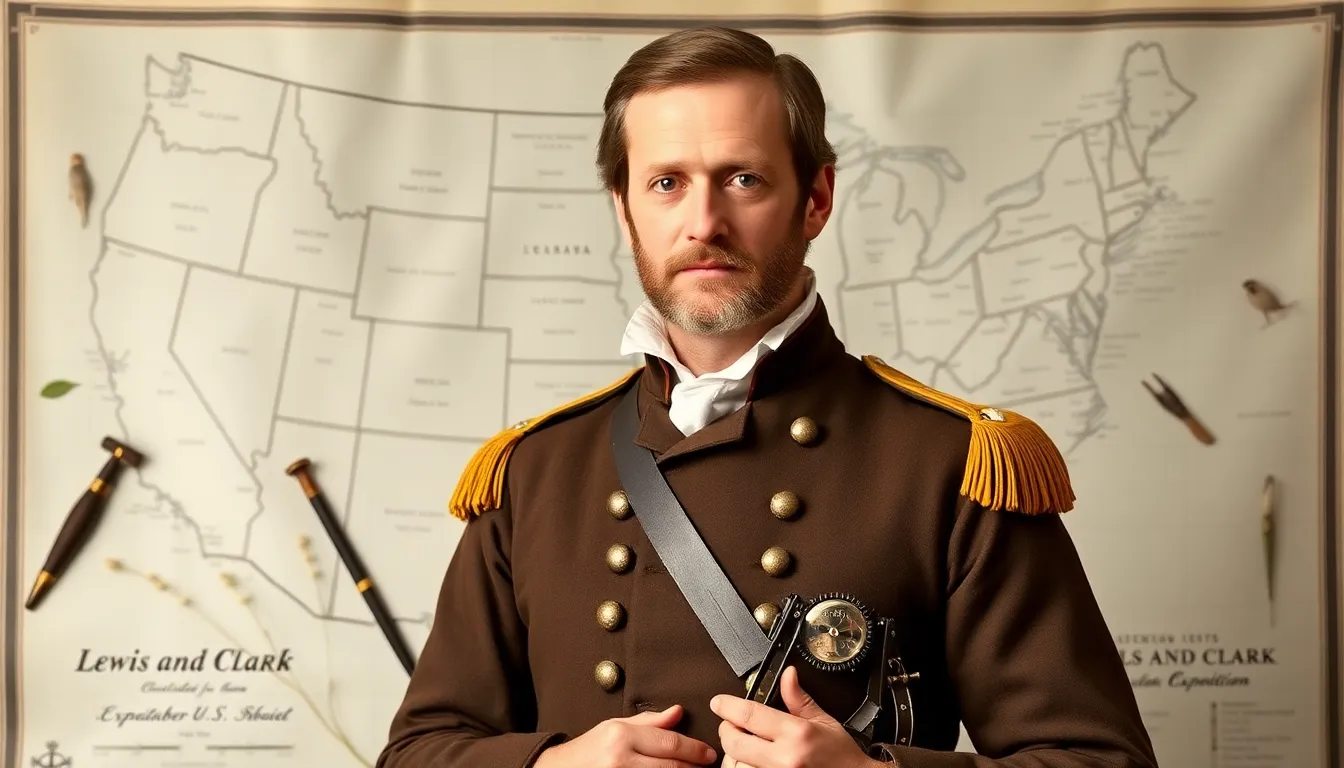
William Clark (1770‑1838) was an American explorer, soldier, and territorial governor best known for co‑leading the Lewis and Clark Expedition. This article surveys his early life, the historic trek to the Pacific, his later public service, and how historians have interpreted his legacy.
Martin Luther King Jr. (1929–1968) was an American Baptist minister and leader of the civil‑rights movement, renowned for his advocacy of nonviolent protest and his pivotal role in ending racial segregation in the United States.
Harry S. Truman (1884‑1972) served as the 33rd President of the United States, guiding the nation through the final phase of World War II and the onset of the Cold War. His modest upbringing, decisive leadership, and controversial decisions have left a lasting imprint on American history.
Jimmy Carter served as the 39th President of the United States (1977‑1981), later becoming a Nobel Peace Laureate and humanitarian. This biography outlines his upbringing in rural Georgia, political career, post‑presidential work, and the evolving assessment of his legacy.
James Butler “Wild Bill” Hickok (1837–1876) was a famed lawman, scout, and gambler of the American Old West. His life, marked by frontier violence, gunfights, and legendary exploits, continues to shape popular images of the 19th‑century frontier.
Roy Olmstead (1886–1966) was a prominent Seattle police officer‑turned‑bootlegger who built one of the most sophisticated illicit alcohol operations during Prohibition. His story reflects the complexities of law enforcement, organized crime, and early federal drug policy in the United States.
Roy Olmstead was a Seattle police officer turned bootlegger who built one of the most sophisticated illegal liquor operations during Prohibition, later becoming a landmark figure in U.S. Fourth Amendment jurisprudence.
Frank James (1843‑1915) was an American Confederate guerrilla, outlaw, and later businessman, best known as the elder brother of Jesse James. His life traversed the Civil War, the tumult of the post‑war frontier, and a gradual retreat into quiet respectability.
Wilbur Wright (1867‑1912) was an American aviation pioneer who, together with his brother Orville, achieved the first powered, controlled flight. This biography outlines his early life, contributions to early aviation, personal background, and legacy.
Wilbur Wright (1867‑1912) was an American aviation pioneer whose work with his brother Orville laid the foundations of powered flight. This article surveys his age, estimated net worth, personal life and historical legacy.
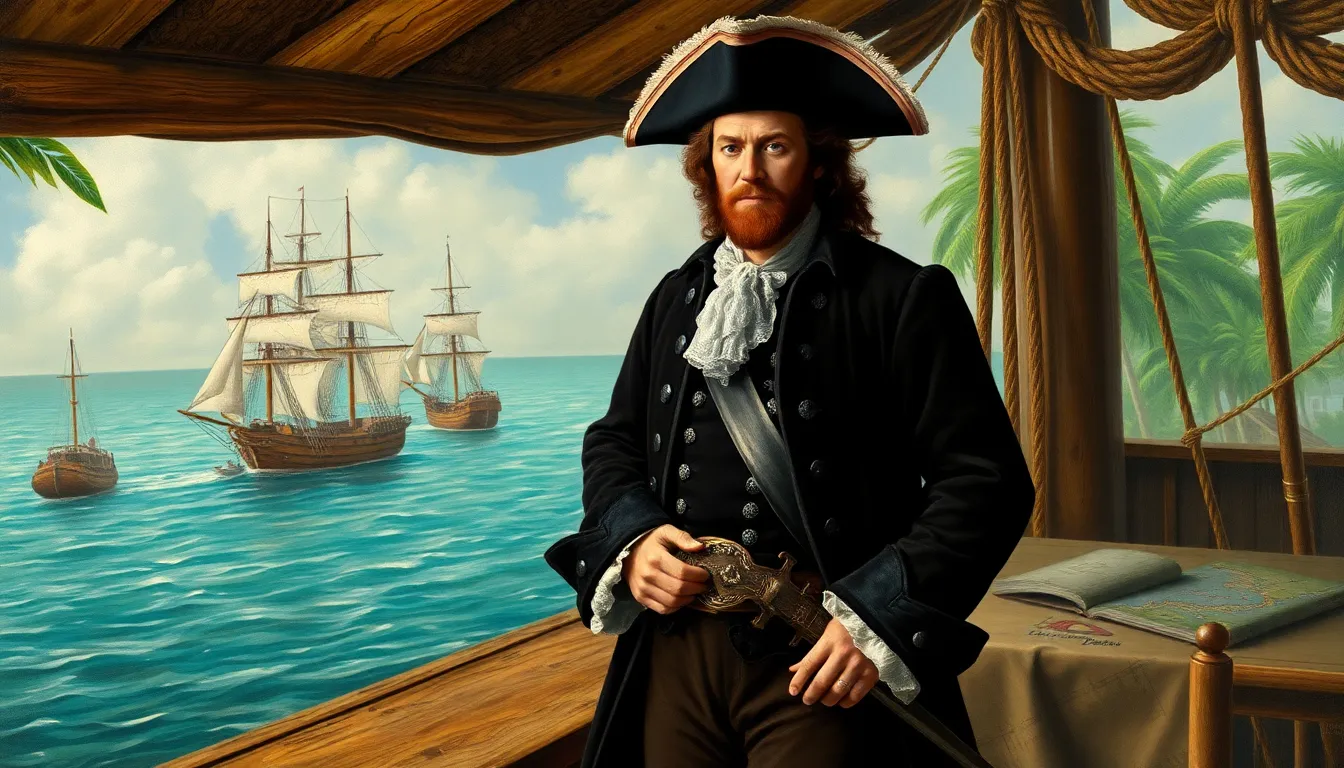
Sir Henry Morgan (c.1635–1688) was a Welsh privateer who became one of the most renowned figures of Caribbean piracy, later serving as Lieutenant Governor of Jamaica and amassing a substantial fortune.
Sir Henry Morgan (c. 1635 – 1688) was a Welsh privateer, plantation owner and later Lieutenant Governor of Jamaica, whose raids on Spanish America made him a celebrated yet controversial figure in the Caribbean’s Golden Age of Piracy.
Buzz Aldrin, an American astronaut and lunar explorer, was the second person to walk on the Moon during Apollo 11 in 1969. His career spans military service, engineering, spaceflight, and later public advocacy for human exploration of Mars.
Buzz Aldrin is an American astronaut, engineer, and former fighter pilot best known for being the lunar module pilot on Apollo 11, the first crewed mission to land on the Moon. His career spans military service, NASA, and a post‑flight public life marked by advocacy and controversy.
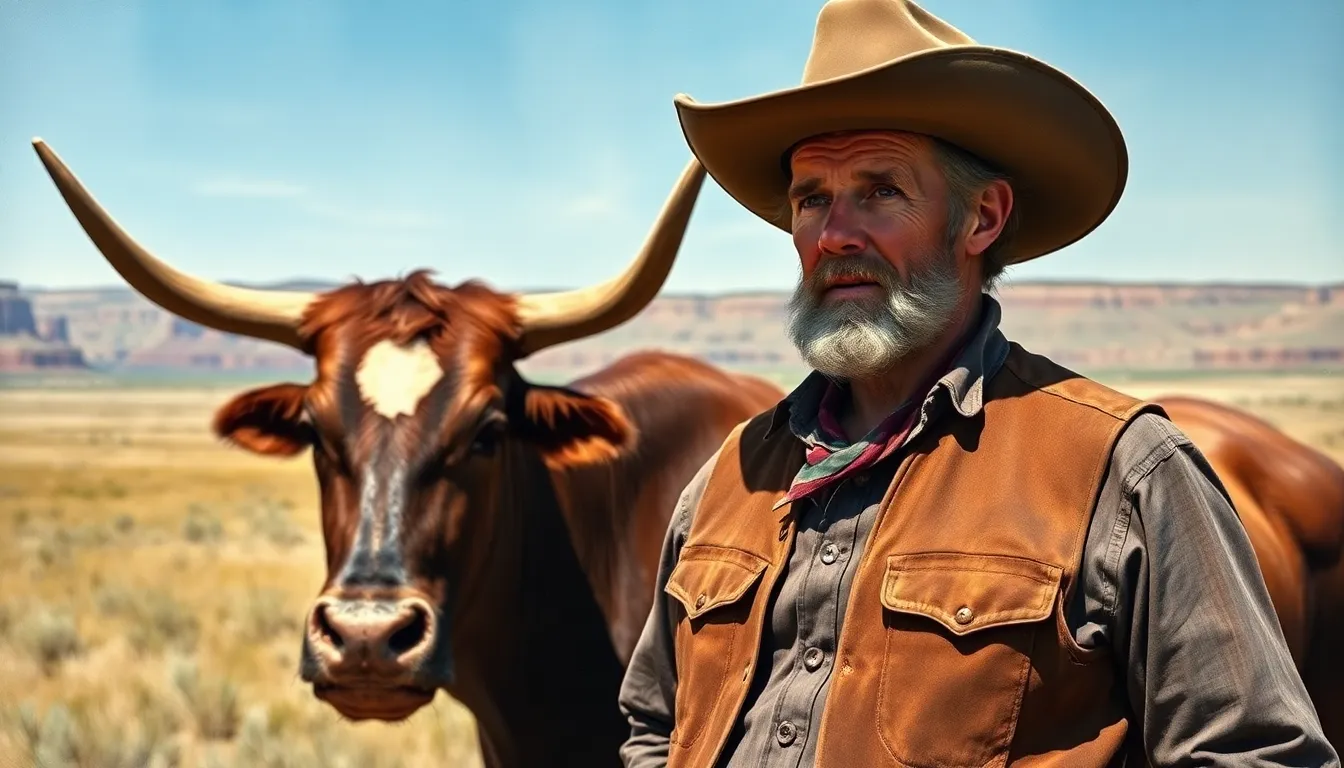
Charles Goodnight (1836‑1929) was a pioneering Texas cattle rancher whose innovations in open‑range ranching and the dog‑trail to Colorado transformed the American West.
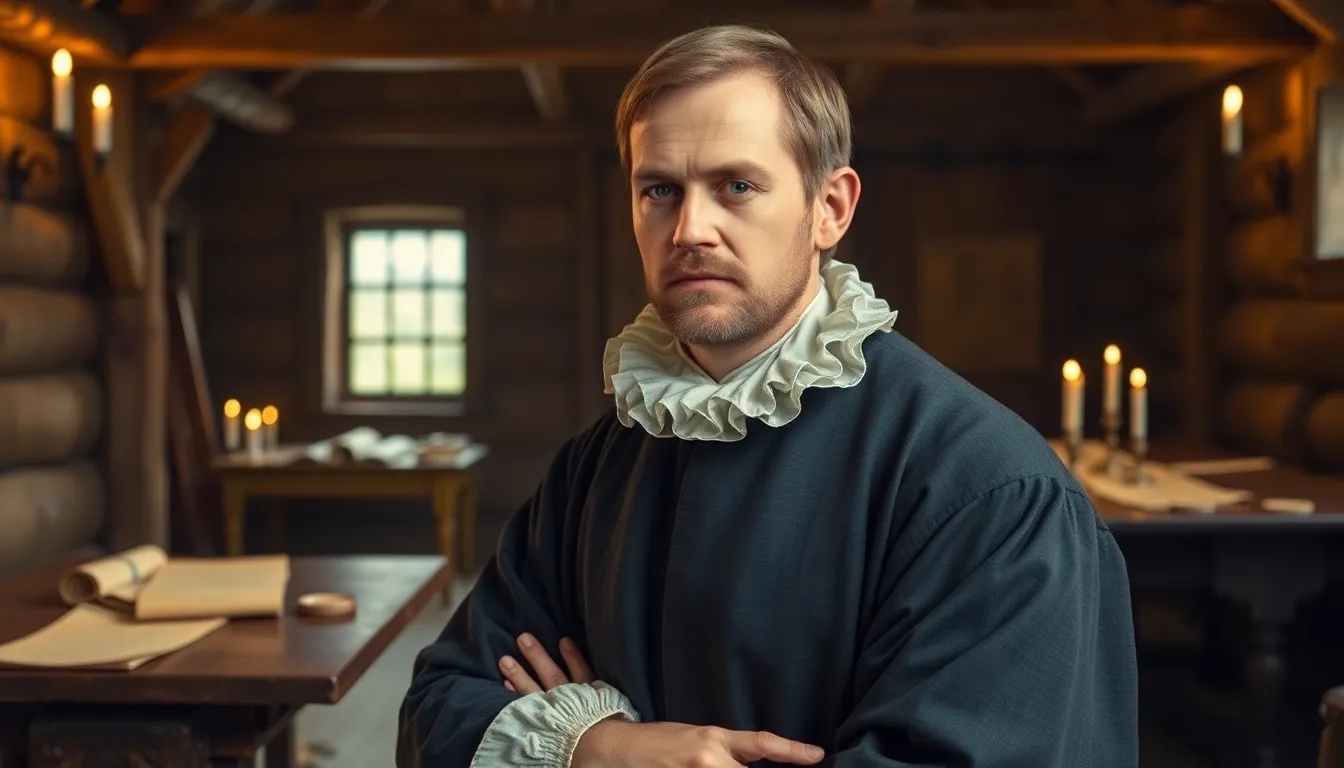
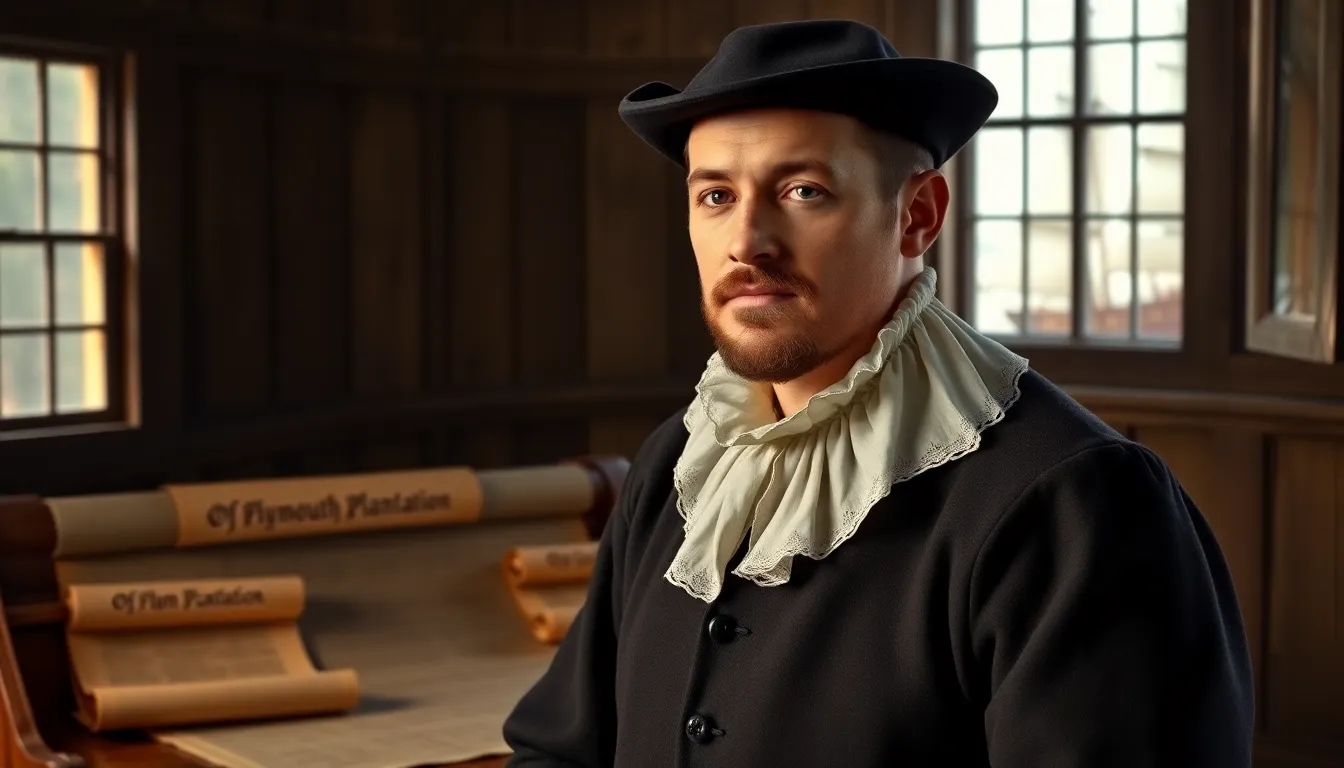
William Bradford (1590–1657) was a leading figure in early American colonial history, serving multiple terms as governor of Plymouth Colony and authoring the seminal chronicle “Of Plymouth Plantation.” His life reflects the challenges and aspirations of the English Puritan migration to the New World.
William Bradford (1590‑1657) was a leading figure of the Plymouth Colony, serving as its governor for over three decades and authoring the seminal history “Of Plymouth Plantation.” This biography outlines his upbringing, public service, personal wealth, and enduring legacy.
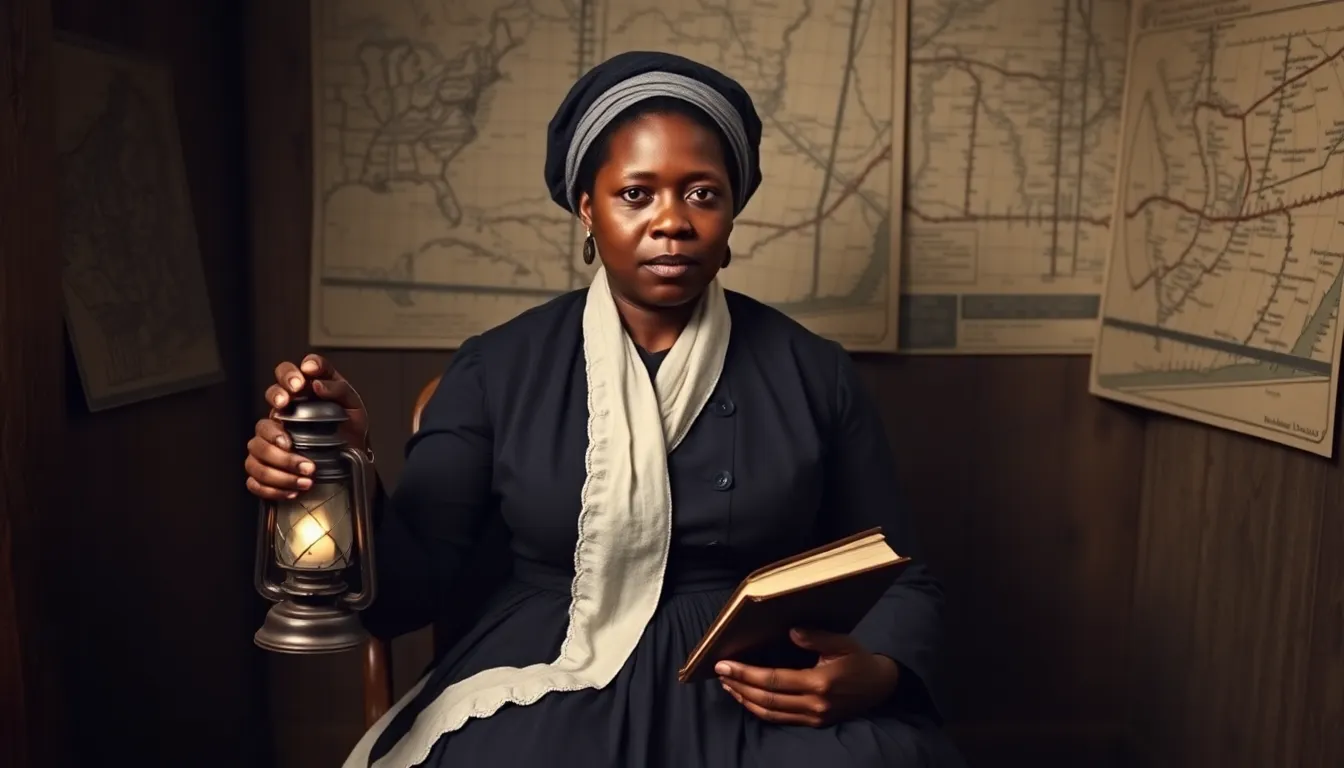
Harriet Tubman (c. 1822–1913) was an enslaved-born abolitionist, conductor of the Underground Railroad, and Union spy whose life exemplifies resistance and humanitarian leadership.
Harriet Tubman (c. 1822–1913) was an escaped enslaved woman who became a leading conductor of the Underground Railroad, a Union spy, and a tireless advocate for women’s suffrage. Her life, marked by daring rescues and relentless activism, reshaped American understandings of freedom and civil rights.
Hernán Cortés (1485‑1547) was a Spanish conquistador whose expedition precipitated the fall of the Aztec Empire and the founding of New Spain, reshaping the early modern Atlantic world.
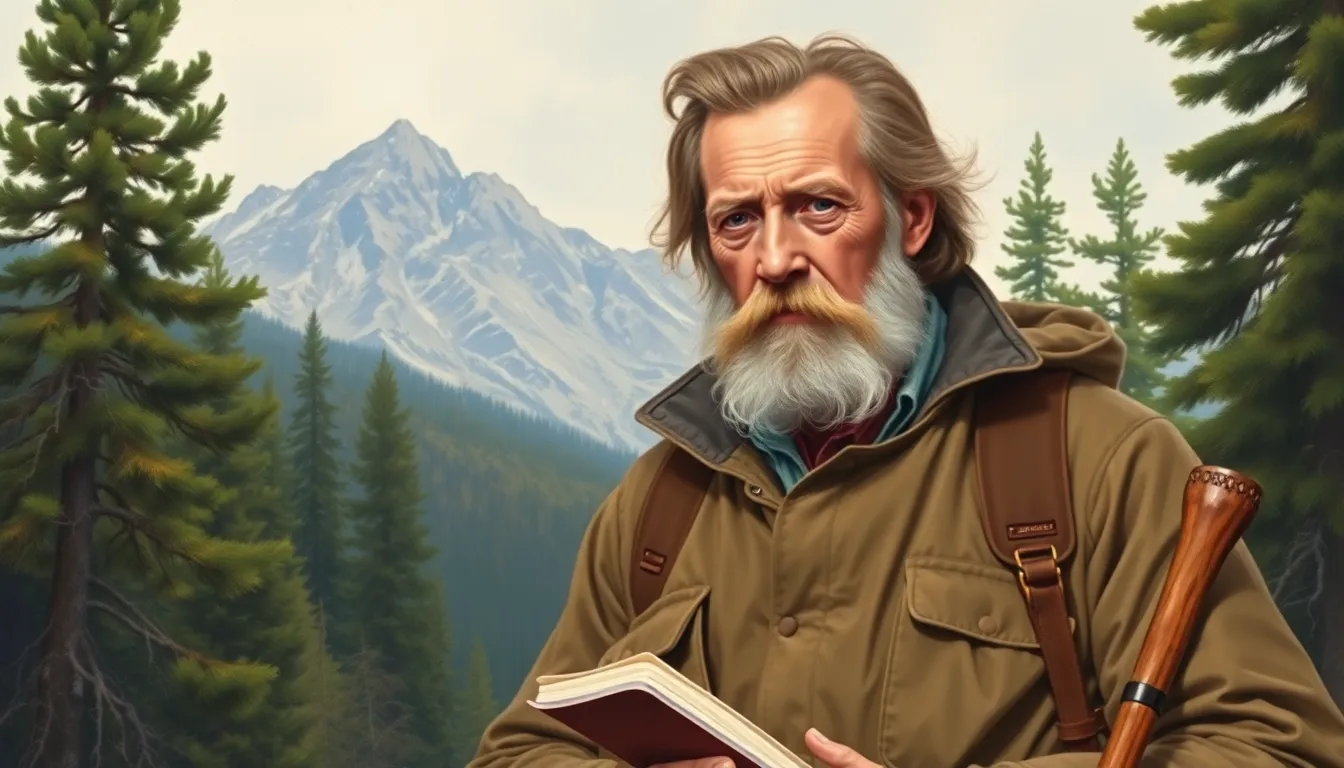
John Muir (1838–1914) was a Scottish‑born American naturalist, writer, and early advocate of wilderness preservation whose ideas helped shape the modern conservation movement.
John Muir (1838‑1914) was a Scottish‑born American naturalist, writer and early environmental advocate whose activism helped create the modern conservation movement.
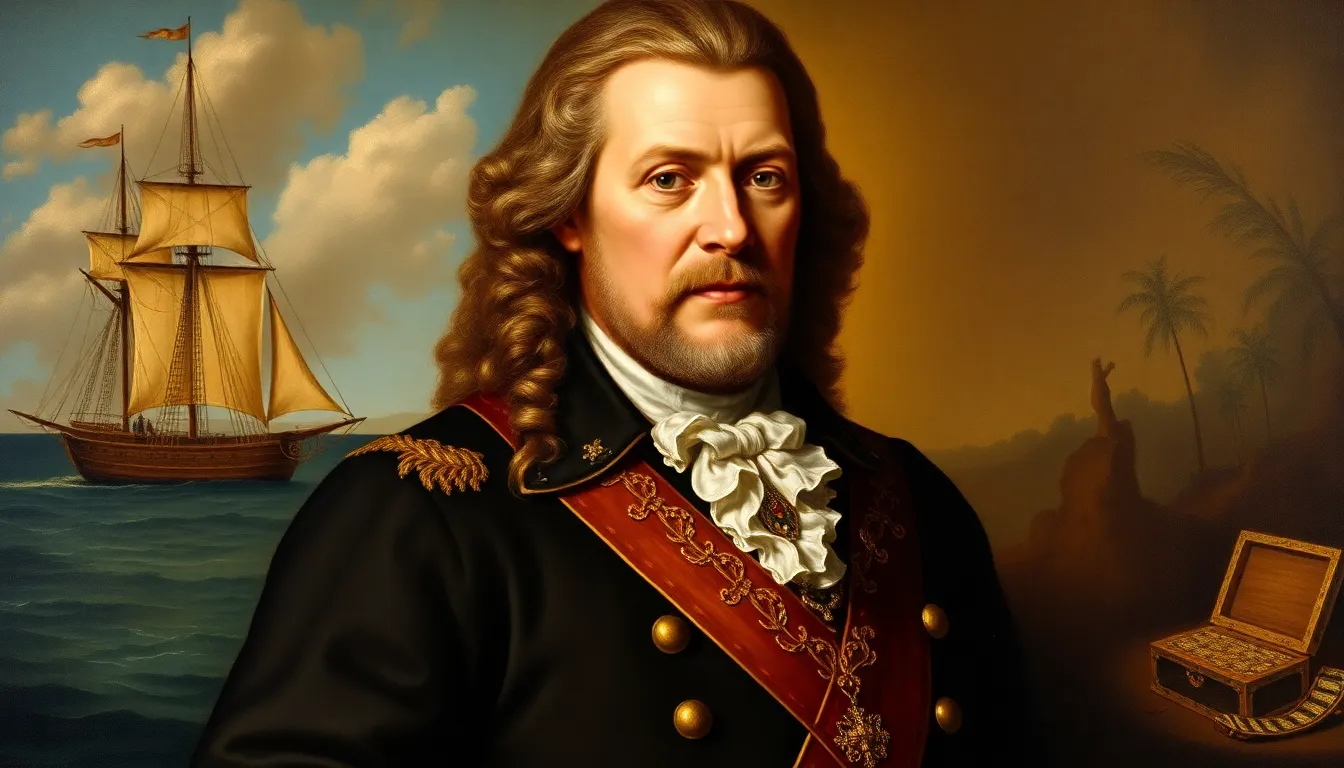
Jean Bart (1650‑1702) was a celebrated French privateer who achieved fame for his daring raids against the Dutch and English during the Nine Years’ War and the War of the Spanish Succession. His career, wealth, and personal life illustrate the complex relationship between state‑sponsored piracy and early modern French society.
Meyer Lansky (1902–1983) was a Polish‑born American organized‑crime figure known for his financial acumen, role in the development of the National Crime Syndicate, and influence on modern gambling enterprises. His life spanned immigration, the rise of American organized crime, and post‑war legal battles.
Booker T. Washington (1856–1915) was a leading African‑American educator, author, and adviser to multiple U.S. presidents. He founded the Tuskegee Institute and shaped debates on race, education, and economic empowerment in the post‑Civil War United States.
Booker T. Washington (1856‑1915) was a leading African‑American educator, author, and adviser to multiple U.S. presidents. He founded the Tuskegee Institute and advocated for vocational training as a path to racial advancement.
Wernher von Braun (1912‑1977) was a German‑born rocket engineer whose work shaped both Nazi Germany’s V‑2 programme and the United States’ Apollo moon‑landing effort. His career, marked by technical brilliance and ethical controversy, continues to provoke scholarly debate.
Wernher Magnus Maximilian Freiherr von Braun (1912‑1977) was a German‑American aerospace engineer whose work on rocket technology spanned the Nazi era, the Cold War, and the early Space Age. His legacy is marked by scientific achievement, moral controversy, and lasting influence on modern rocketry.
Henry Ford (1863–1947) was an American industrialist whose innovations in automobile manufacturing transformed the modern economy. This biography examines his early life, business achievements, controversies, and enduring legacy.
Christopher Columbus (1451‑1506) was a Genoese navigator commissioned by the Catholic Monarchs of Spain to find a westward sea route to Asia. His four Atlantic voyages opened European contact with the Americas, reshaping world history while sparking enduring controversy.
Christopher Columbus (c.1451 – 1506) was an Italian navigator whose 1492 voyage across the Atlantic opened European exploration of the Americas, reshaping world history despite enduring controversy over his motives and legacy.
Meriwether Lewis (1774‑1809) was an American explorer, soldier, and politician best known for co‑leading the Lewis and Clark Expedition that opened the American West to settlement.
Meriwether Lewis (1774–1809) was an American soldier, explorer, and public official best known for co‑leading the Lewis and Clark Expedition that mapped the newly acquired western territories of the United States. His life, career, and untimely death continue to provoke scholarly debate.
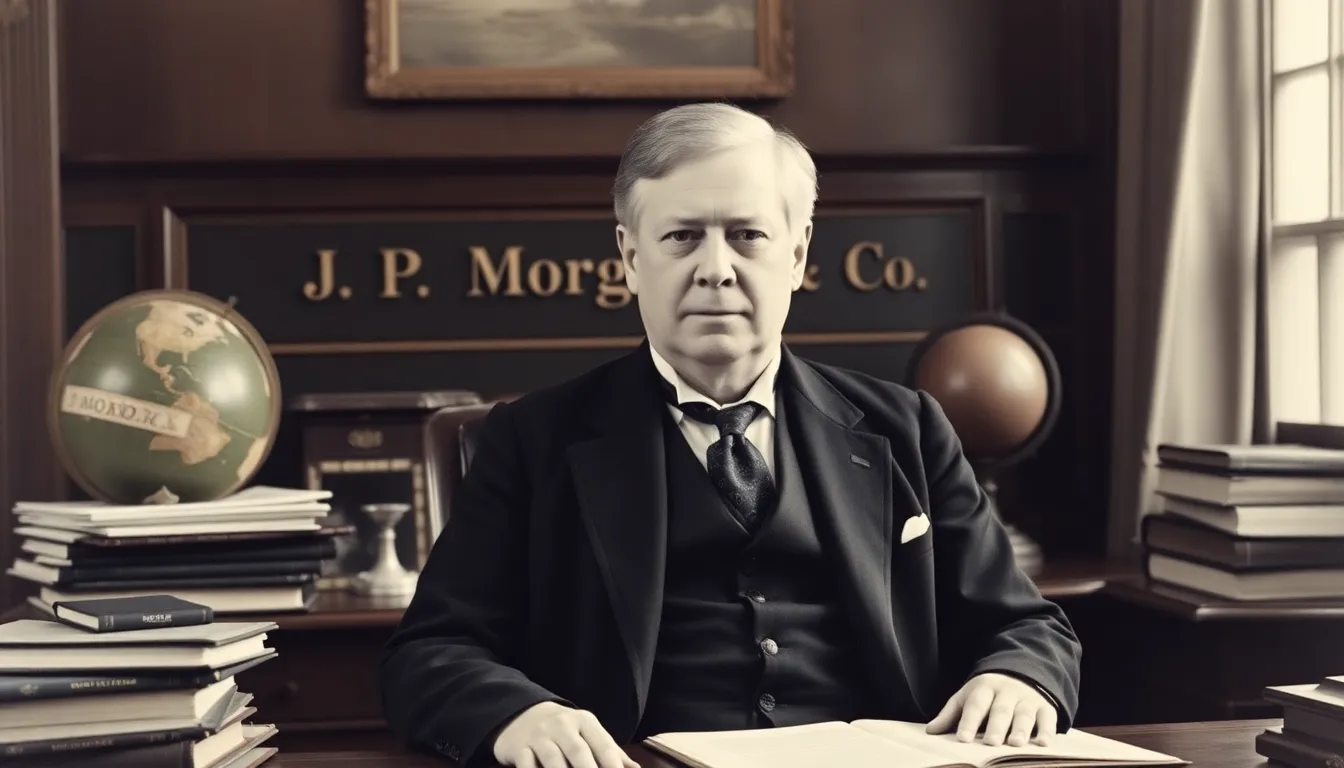
John Pierpont Morgan (1837–1913) was a dominant American financier whose banking enterprises reshaped the U.S. economy in the Gilded Age, influencing industry, finance, and public policy.
John Pierpont Morgan (1847–1913) was a dominant American financier whose banking empire shaped U.S. industry, railroads, and finance during the Gilded Age. His actions sparked both admiration for stabilising markets and criticism for consolidating capital.
Abigail Adams, influential First Lady, political adviser, and early advocate for women’s rights, shaped the early United States through her letters, counsel to President John Adams, and robust public service.
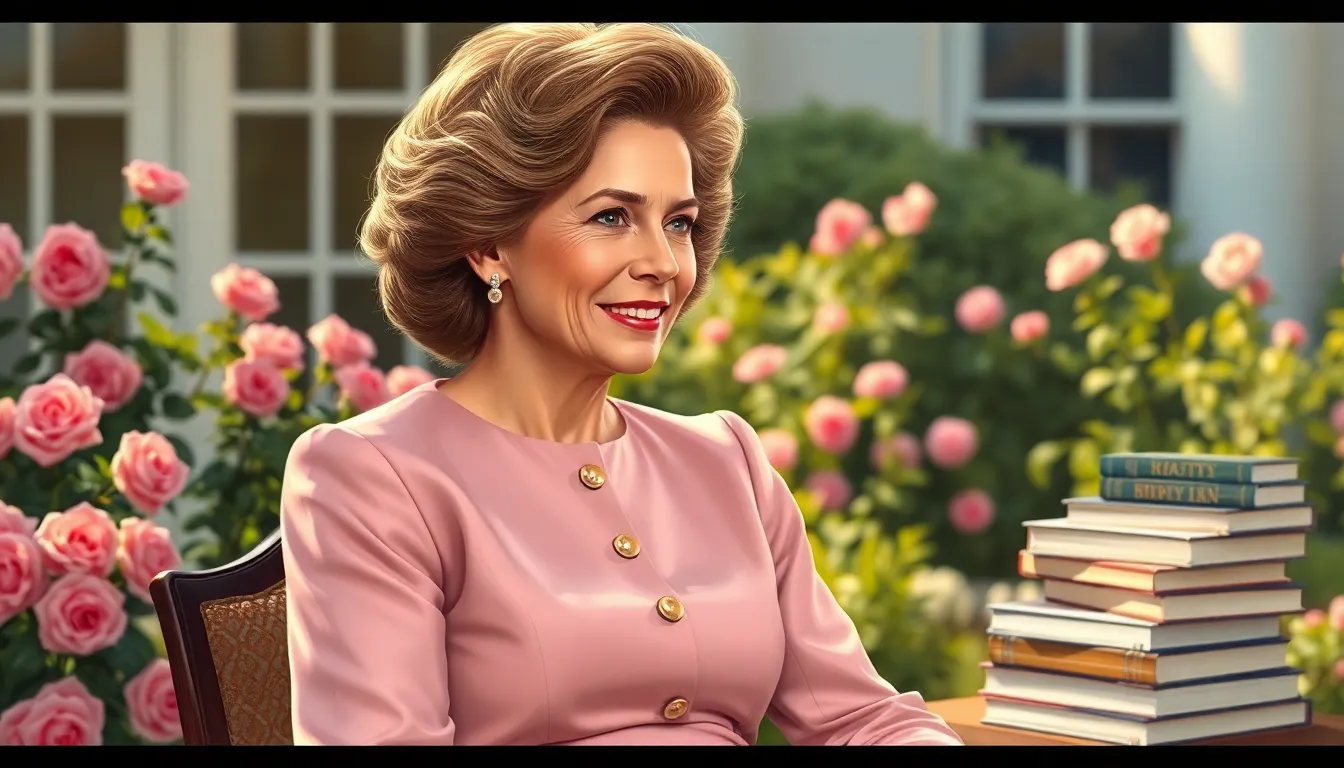
Barbara Pierce Bush (1925‑2018) served as First Lady of the United States from 1989 to 1993, championing family literacy and the arts while navigating the political and personal challenges of public life.
Barbara Pierce Bush (1925–2018) served as First Lady of the United States from 1989 to 1993. A lifelong advocate for family literacy, she shaped the public role of the White House hostess while navigating the political landscape of the late Cold War era.
Eleanor Roosevelt (1884‑1962) was an American diplomat, activist, and First Lady who reshaped the role of the presidential spouse and championed human rights. Her life spanned a period of profound social change, and she left a lasting legacy in both U.S. domestic policy and international affairs.
Eleanor Roosevelt (1884–1962) was an American First Lady, diplomat, and activist whose public work reshaped the role of women in American politics and international human‑rights advocacy. Her life spanned the Progressive Era, the New Deal, World War II, and the early United Nations.