Explore Biographies of Historical Figures and uncover the leaders, thinkers, rebels, and events that shaped the course of history.
Explore Biographies of Historical Figures
History is not an abstraction — it is the accumulated decisions, actions, and experiences of individual human beings across time. The biographies of history's most significant figures offer direct access to the lives behind the dates and the persons behind the events, bridging the distance between past and present.
Ancient and Classical Worlds
The ancient world produced figures of extraordinary influence whose ideas and actions still resonate. Julius Caesar's military campaigns and political ambitions shaped the structure of Western governance for centuries. Cleopatra VII ruled one of the ancient world's most sophisticated civilizations and negotiated alliances that prolonged Egyptian sovereignty against Roman expansion. Socrates, Plato, and Aristotle established philosophical frameworks that still define how Western civilization approaches ethics, politics, and knowledge. Alexander the Great spread Greek culture across three continents in little more than a decade.
Medieval and Early Modern Visionaries
The medieval period produced leaders, thinkers, and explorers whose legacies proved surprisingly durable. Genghis Khan created the largest contiguous land empire in history and — despite extraordinary violence — established trade routes connecting East and West for centuries. Joan of Arc led French armies at nineteen and was executed at twenty, becoming a national symbol that outlasted the war she helped win. Leonardo da Vinci worked at the intersection of art and science five centuries before interdisciplinary thinking had a name.
Revolutionary Figures of the Modern Era
The 18th and 19th centuries were ages of revolution — political, industrial, and intellectual. George Washington, Simón Bolívar, and Toussaint Louverture led independence movements on three continents. Napoleon Bonaparte reorganized European states and legal systems in ways that still structure modern governance. Frederick Douglass escaped slavery and became the most articulate and influential abolitionist voice in American public life. These figures shaped the world's political map in ways that are still legible today.
Why Historical Biographies Matter Now
Studying historical figures is not nostalgia — it is an active form of civic education. Understanding how past leaders made decisions in conditions of uncertainty, how they managed power, how they responded to crisis and injustice, equips us to evaluate the decisions and leaders of our own time. History's biographies are a practical resource for the present.
Browse the collection below to discover the lives of the historical figures who built, challenged, and transformed the world we have inherited.
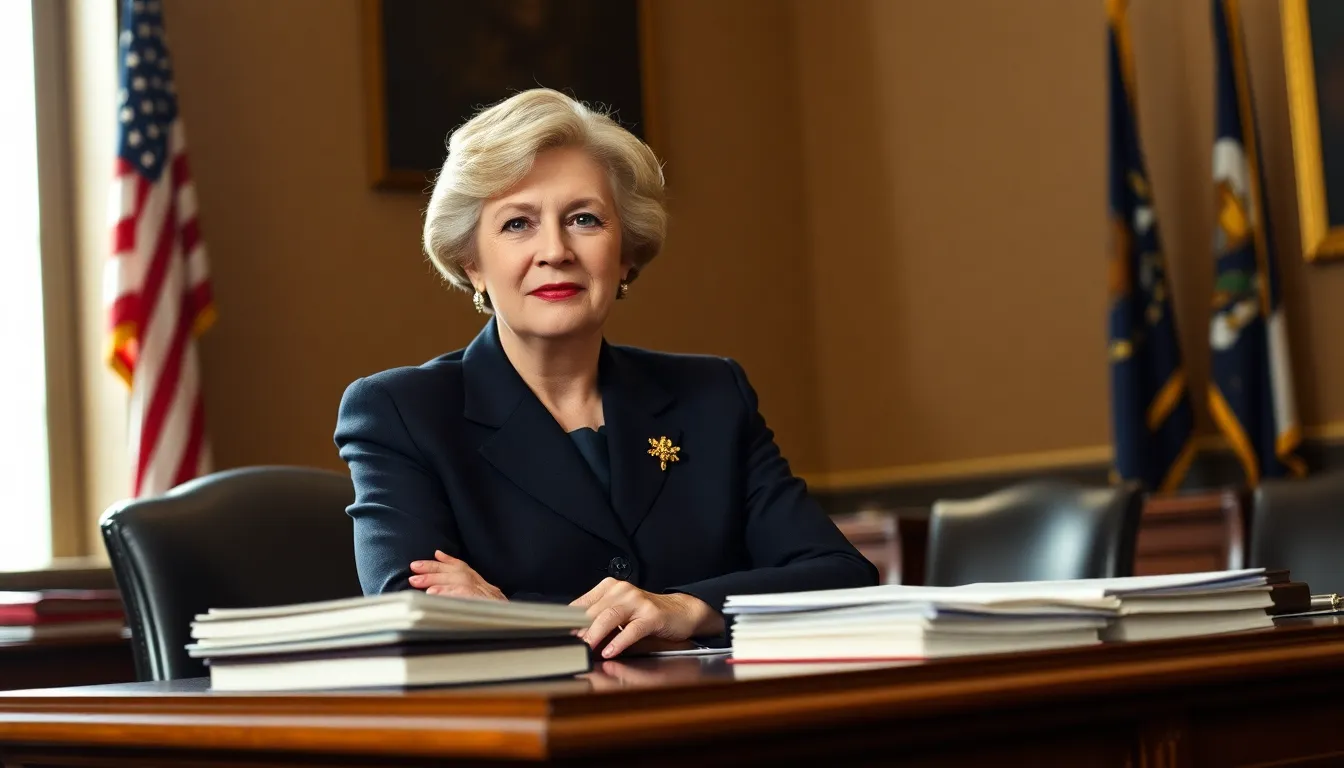
Margaret Chase Smith was a pioneering American senator from Maine, the first woman to serve in both houses of Congress, known for her independent stance during the McCarthy era and her long career in public service.
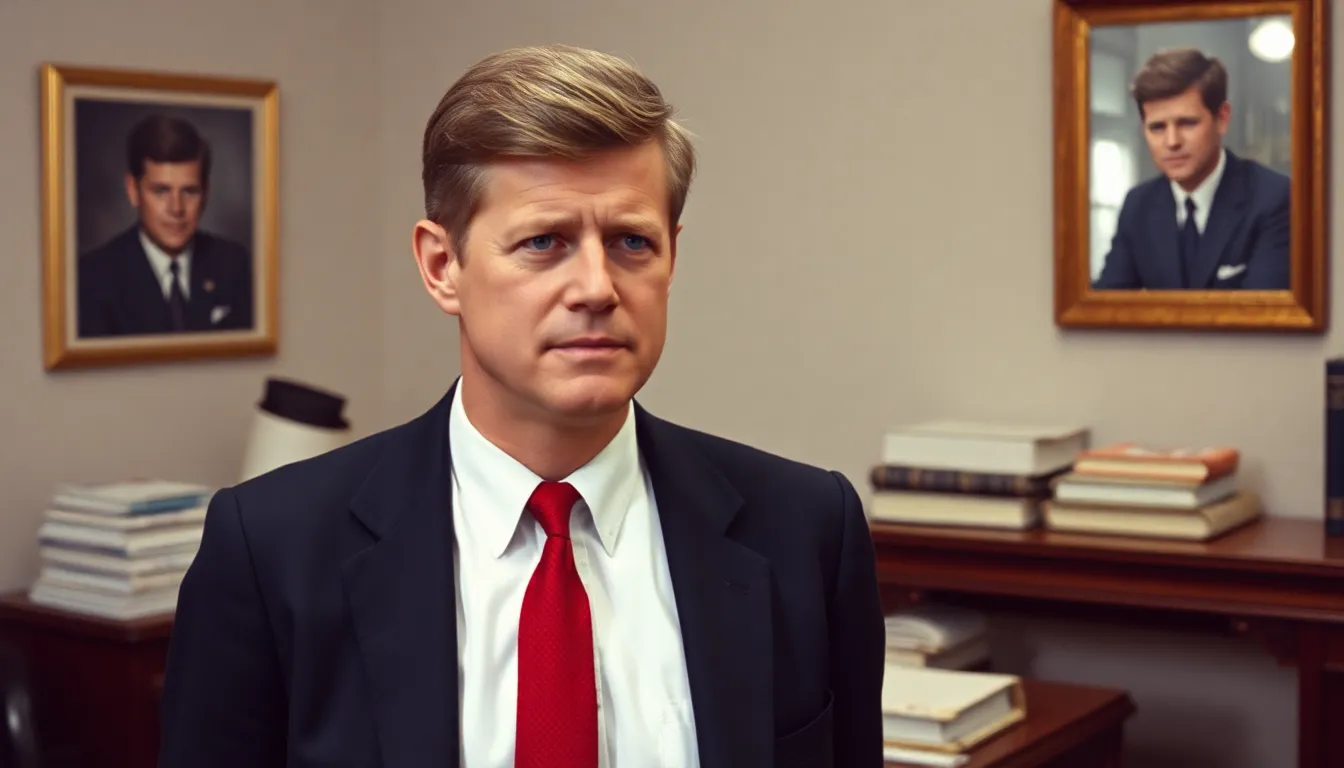
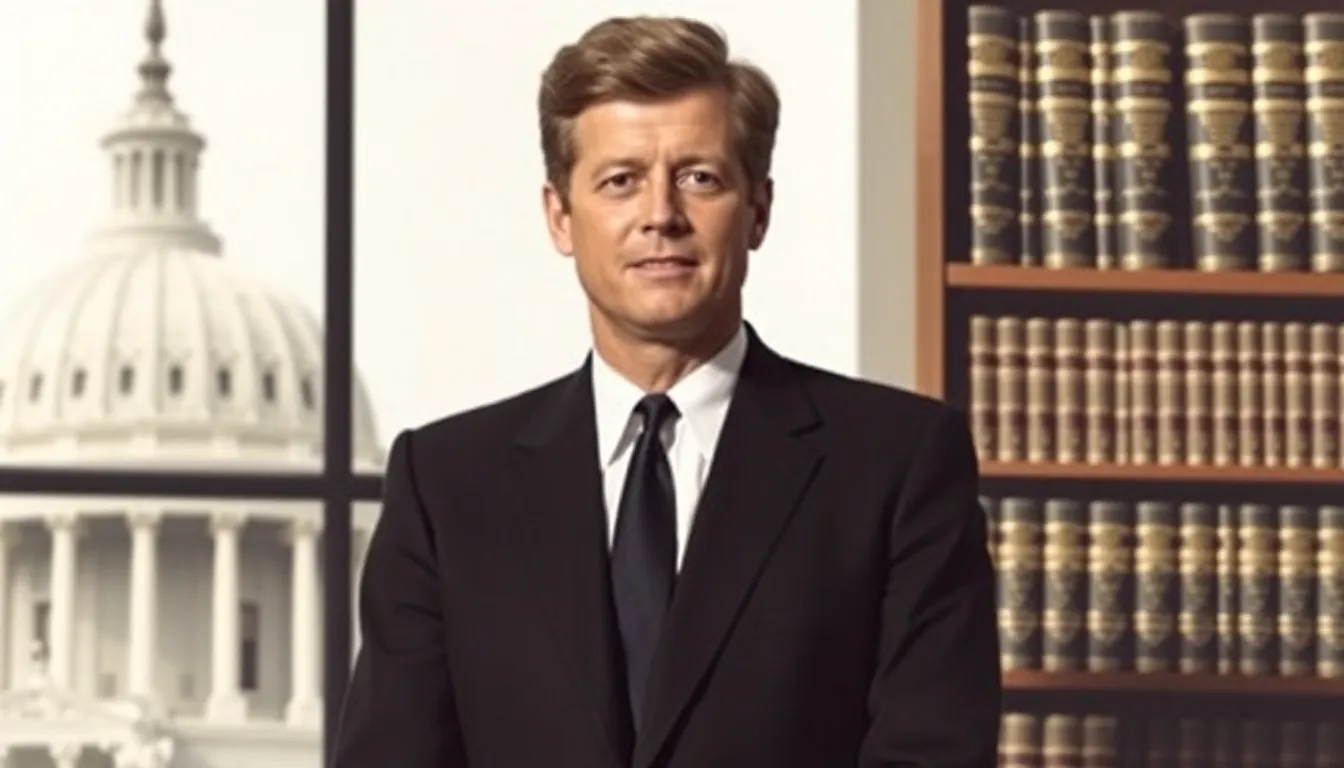
Robert Francis Kennedy (1925‑1968) was a U.S. Attorney General, U.S. Senator, and leading figure of the 1960s liberal movement. His work on civil rights, organized crime, and poverty made him a pivotal, yet sometimes controversial, actor in American politics.
Robert F. Kennedy (1925‑1968) was a U.S. senator, Attorney General, and civil‑rights advocate whose political career was shaped by World War II, the New Deal, and the turbulence of the 1960s.
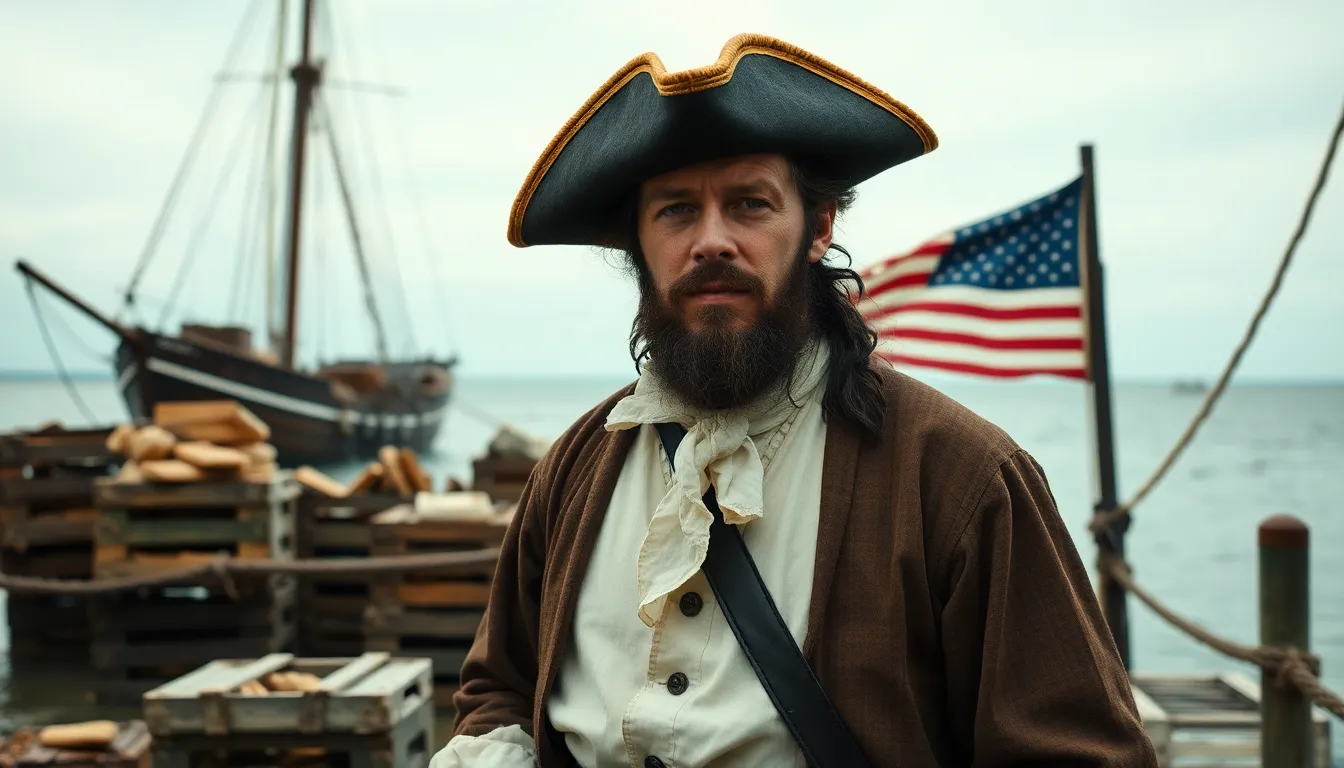
John Smith (c.1580 – 1631) was an English soldier, explorer, and author who played a pivotal role in the establishment of the Jamestown colony, shaping early English‑American relations.
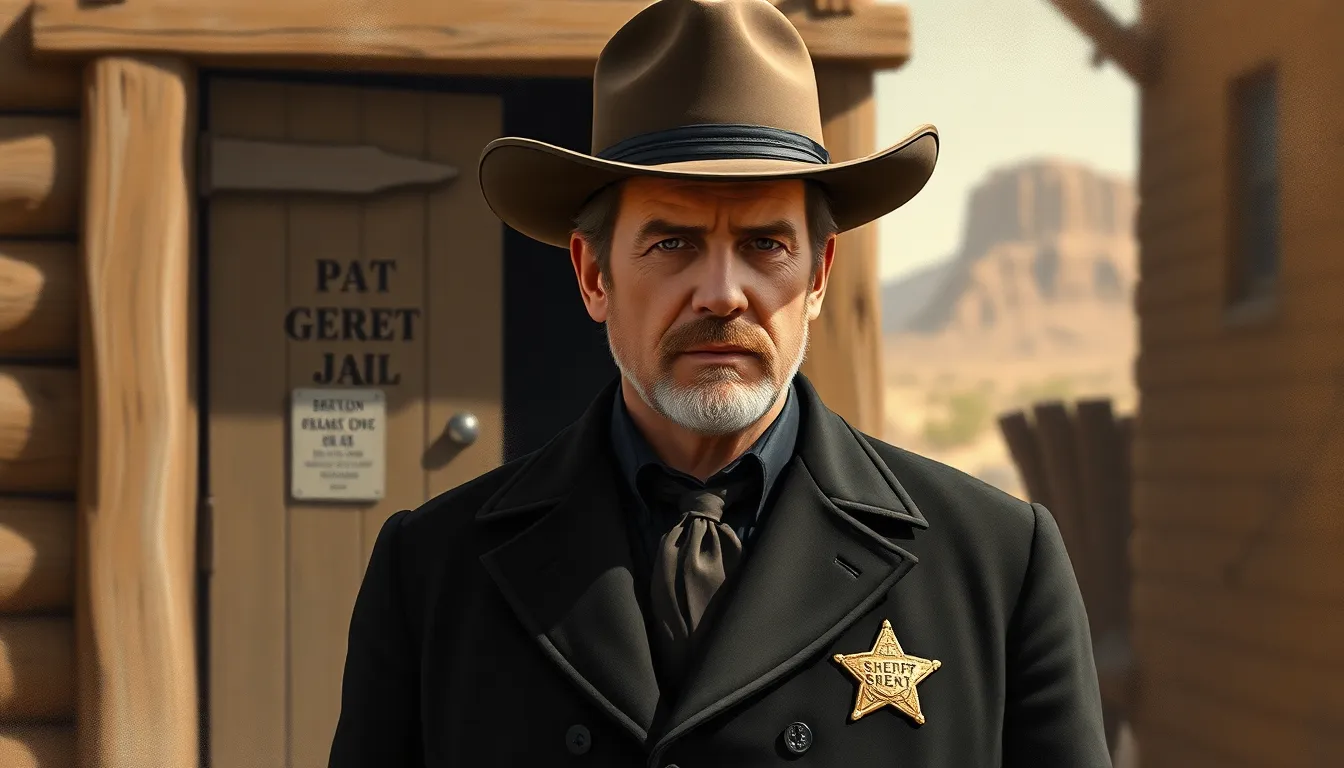
Pat Garrett (1850‑1908) was an American lawman best remembered for killing the outlaw Billy the Kid. His career spanned the Texas Rangers, New Mexico law enforcement, and a brief stint as a politician.
Jean Lafitte, the enigmatic privateer and smuggler who operated in the Gulf of Mexico in the early 19th century, is famed for his role in the Battle of New Orleans and his complex relationships with colonial authorities.
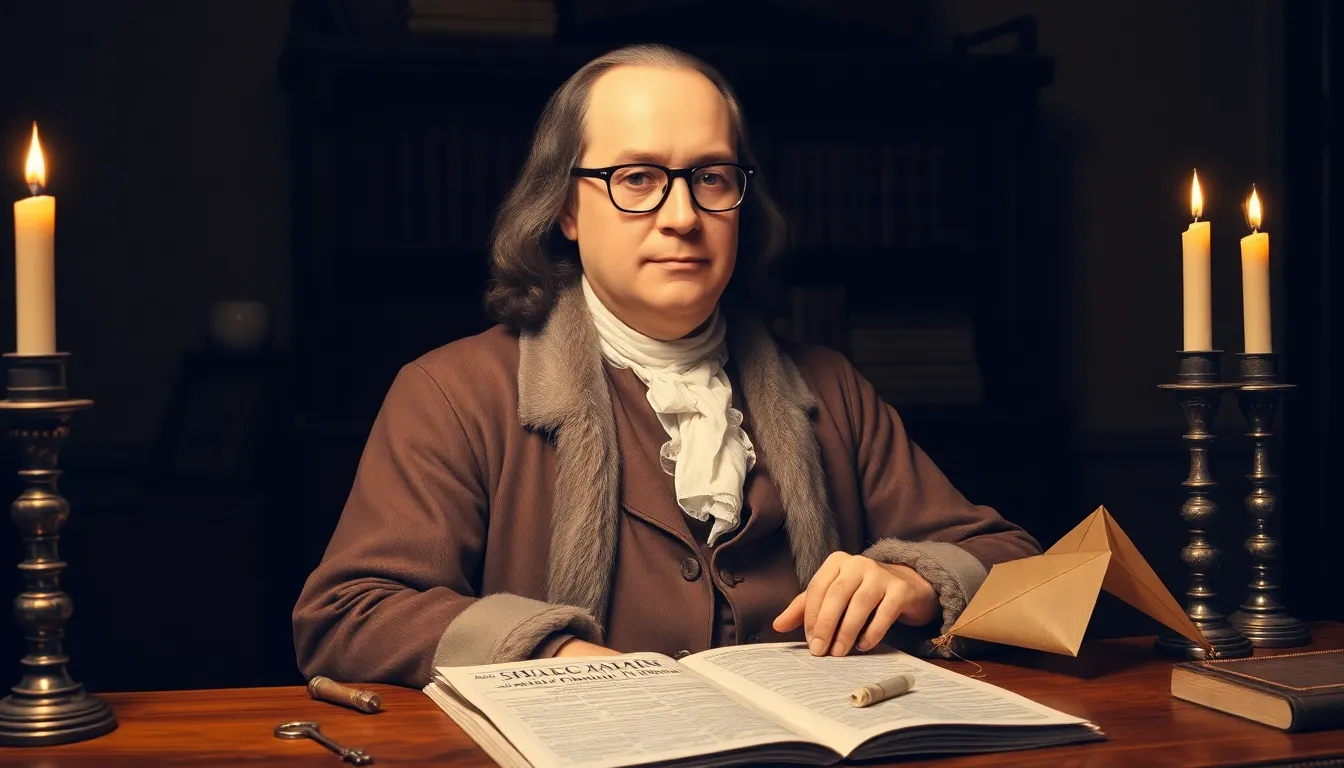
Benjamin Franklin (1706–1790) was a Founding Father, diplomat, inventor, and publisher whose multifaceted career shaped the early United States and the Enlightenment world.
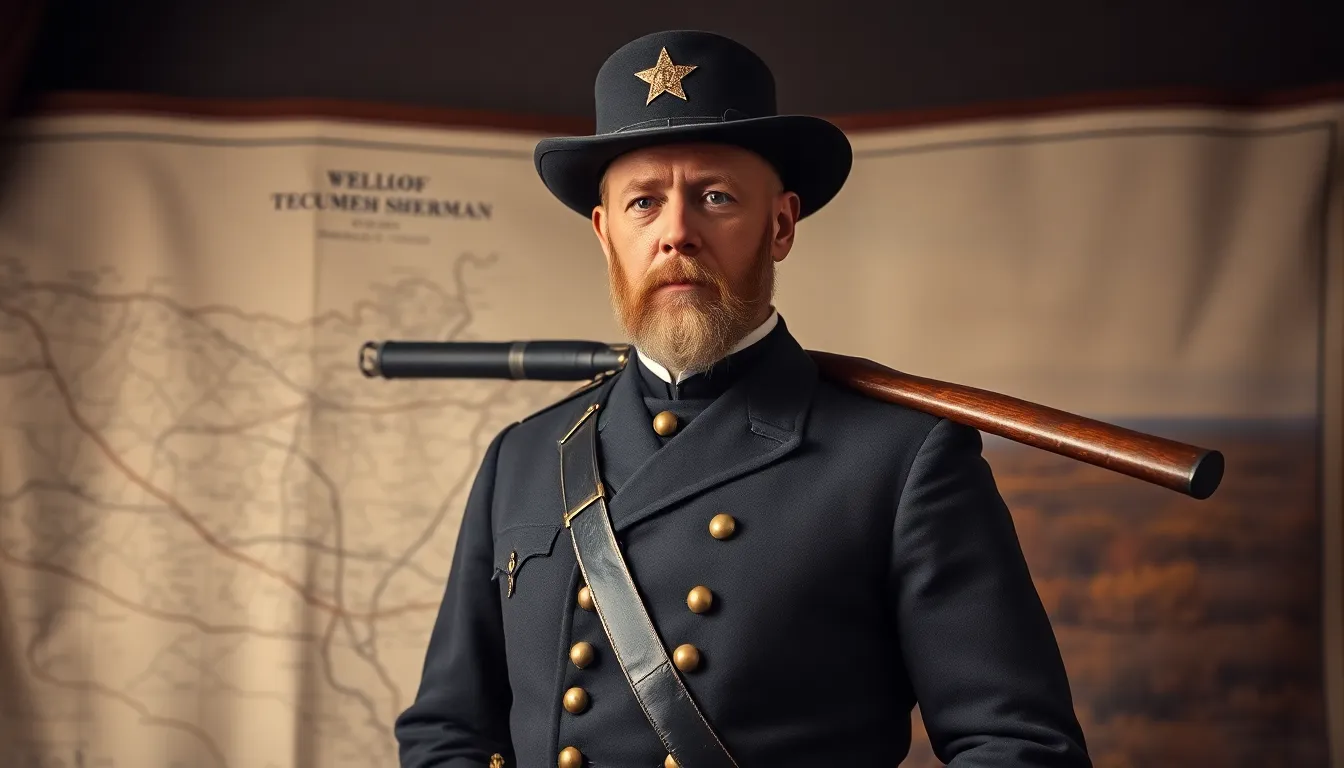
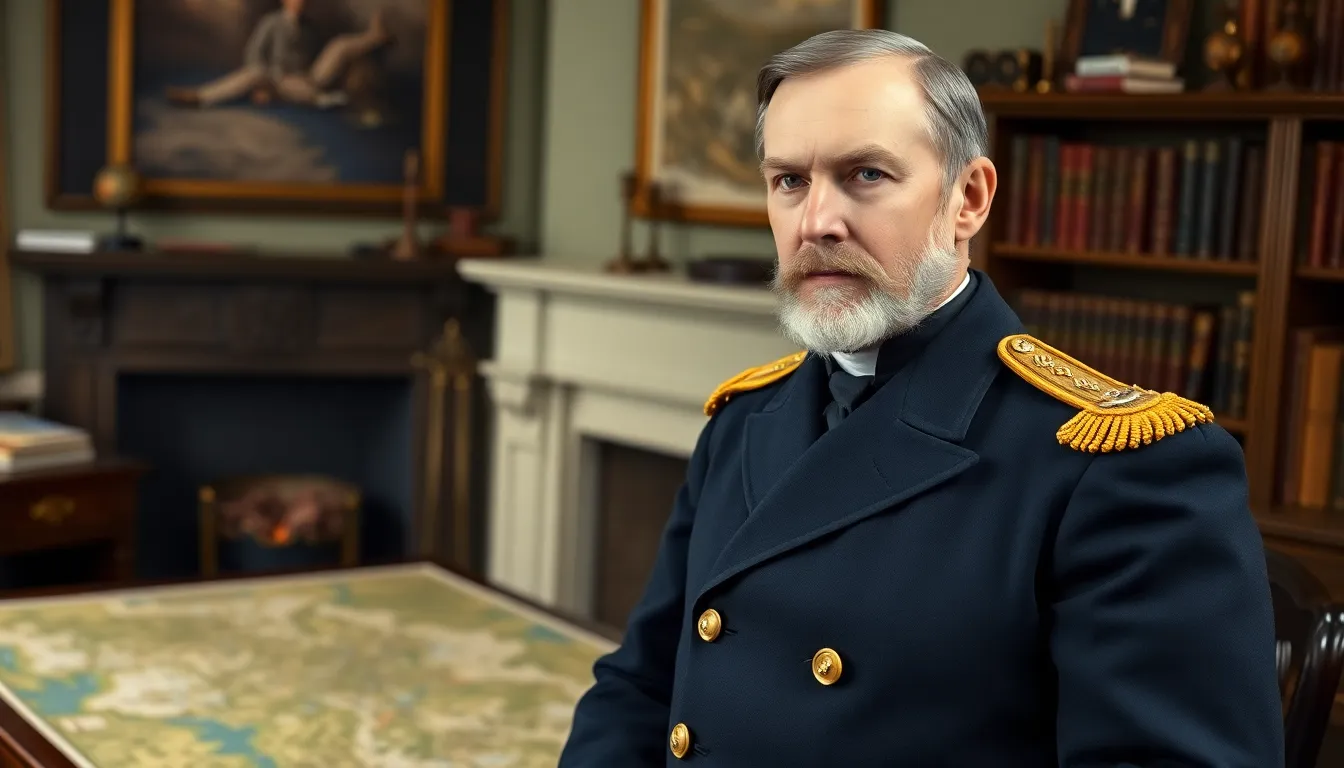
William Tecumseh Sherman (1820‑1891) was a senior Union general during the American Civil War, renowned for his strategic use of total war and his post‑war contributions to American military thought.
William Tecumseh Sherman (1820‑1891) was a senior United States Army officer and strategist whose campaigns helped secure Union victory in the Civil War. His post‑war career, personal life, and legacy remain subjects of scholarly debate.
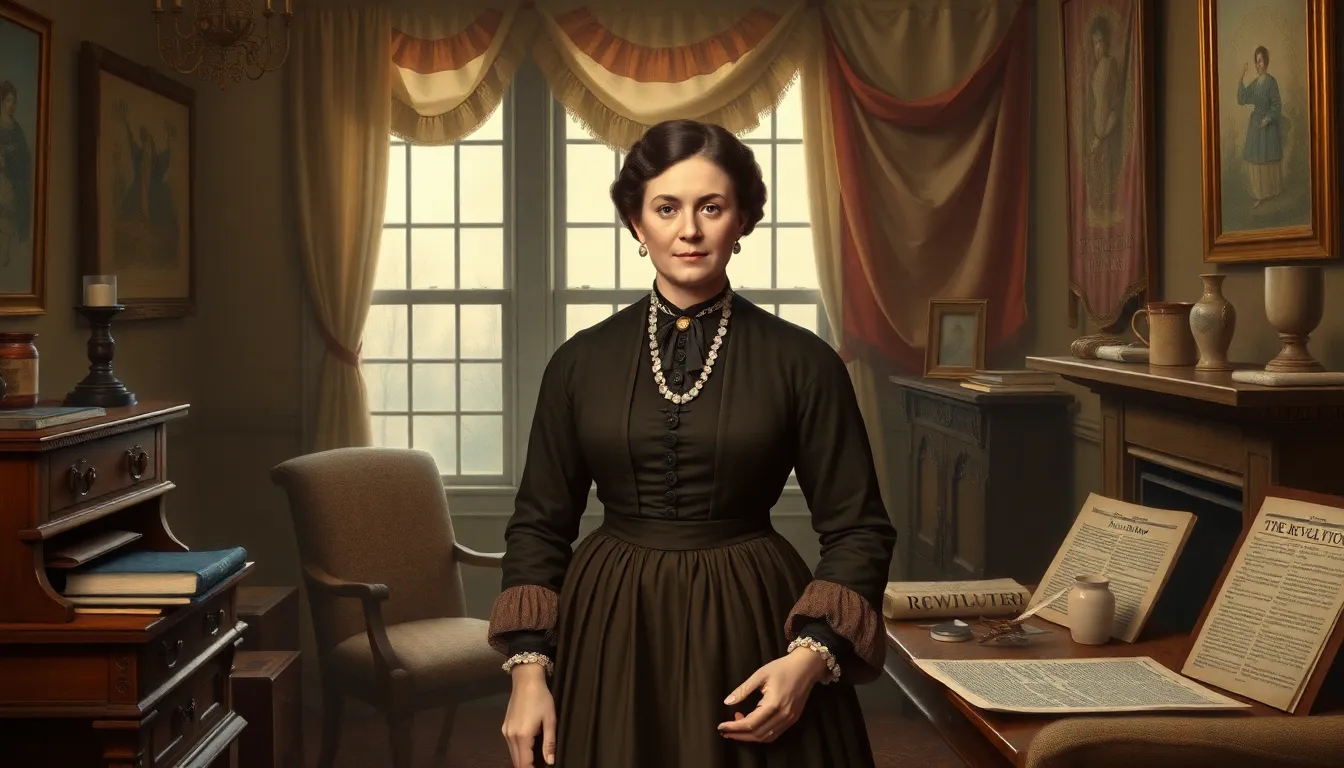
Susan B. Anthony was a leading American suffragist whose lifelong activism helped secure women’s right to vote. This biography examines her early life, political work, allies, opponents, and lasting legacy.
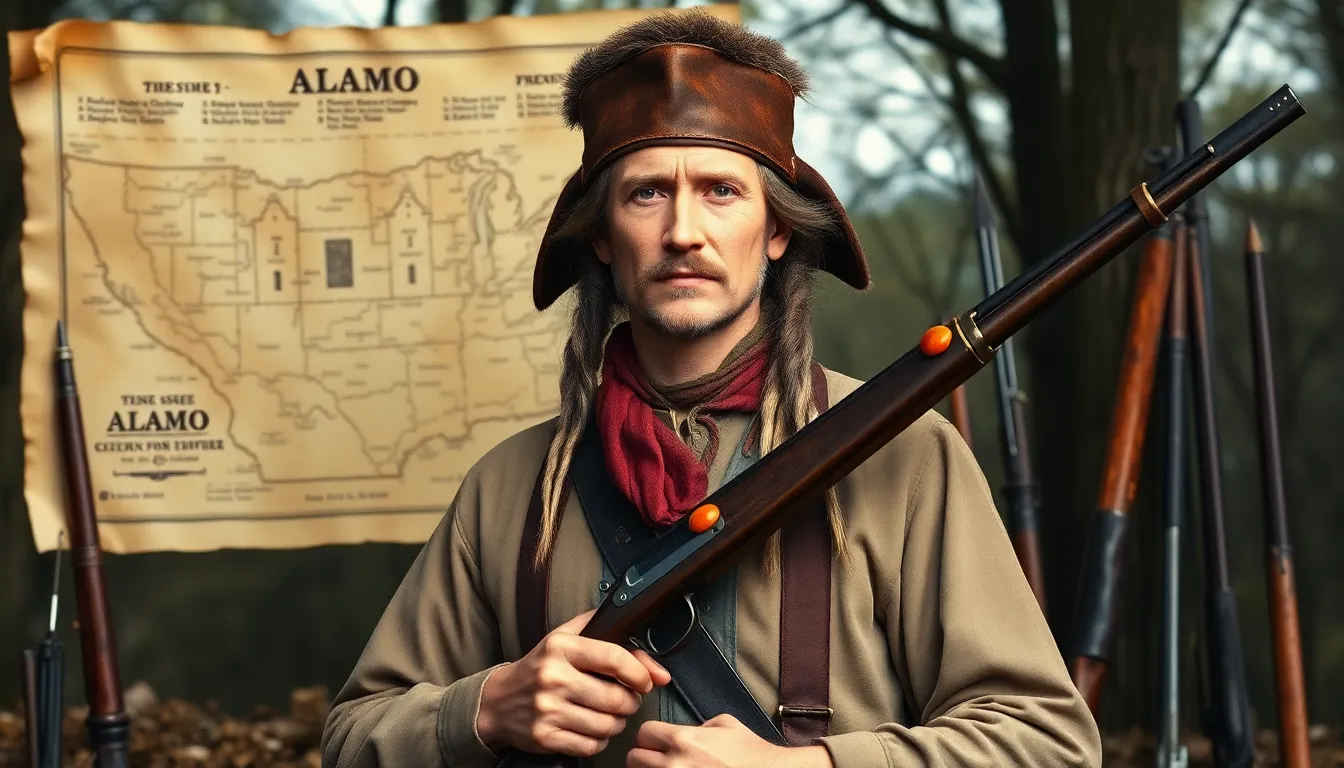
David “Davy” Crockett (1786–1836) was an American frontiersman, soldier, and politician famed for his role in the Texas Revolution and his larger‑than‑life legend. His life reflects the expansionist spirit and political turbulence of early‑19th‑century America.
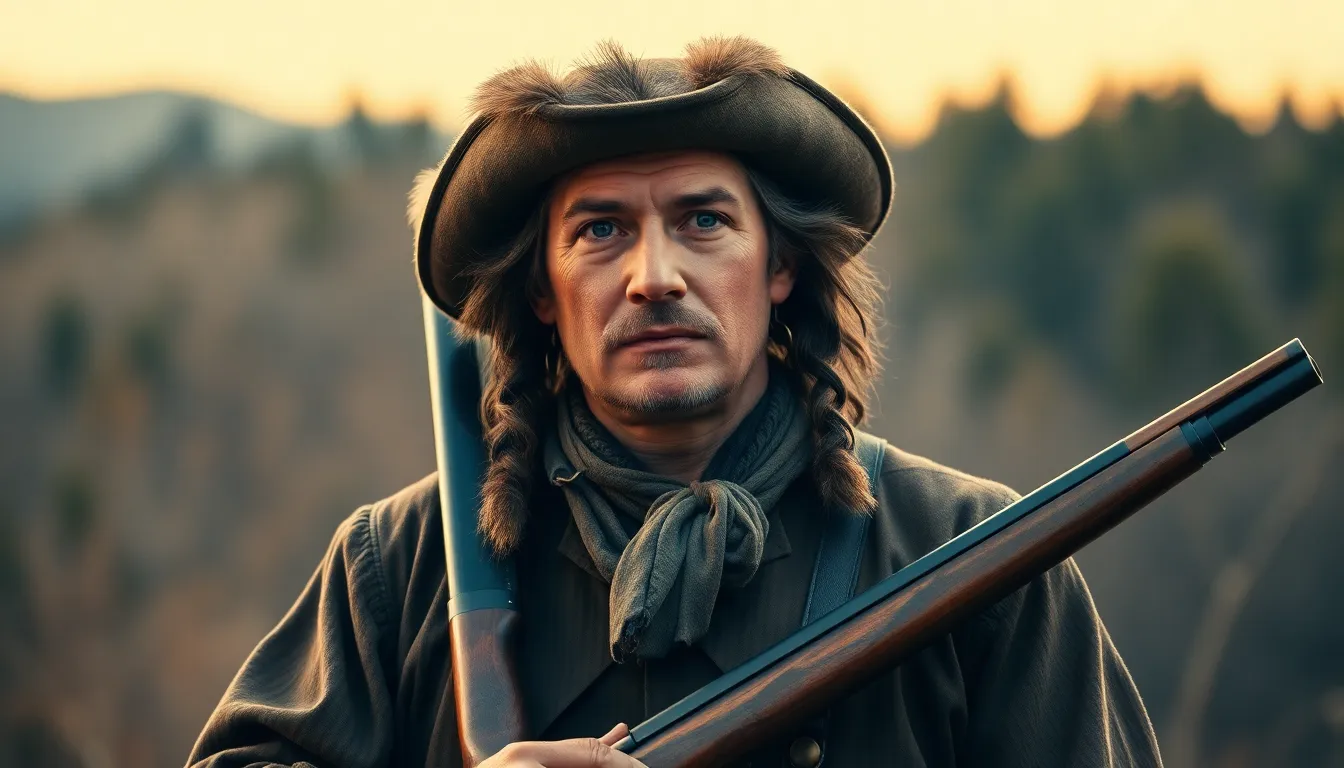
David “Davy” Crockett (1786–1836) was an American frontiersman, soldier, and politician celebrated for his exploits on the western frontier and his death at the Battle of the Alamo. His life, myth, and legacy continue to shape American cultural memory.
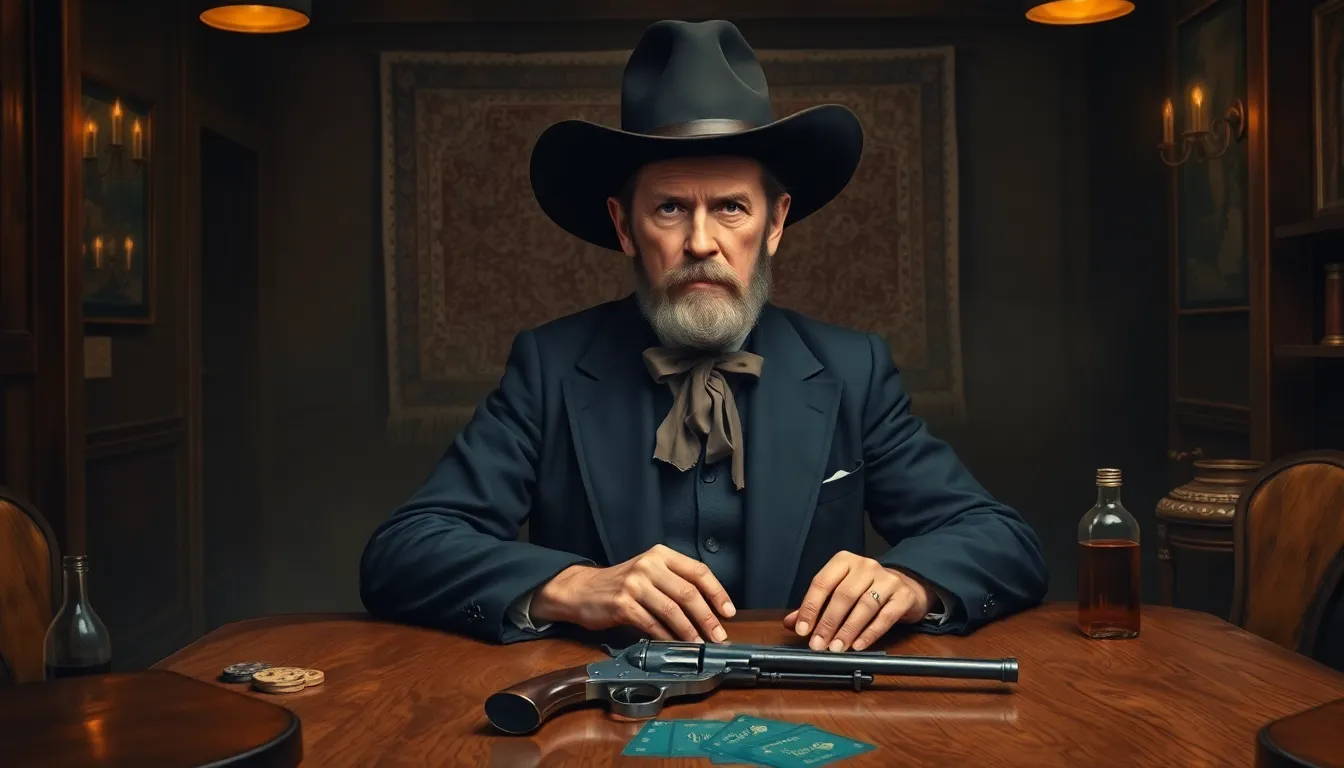
James Butler “Wild Bill” Hickok (1837–1876) was an American frontier scout, lawman, and gambler whose legend grew from documented deeds and popular myth during the turbulent years of the American Old West.
Michel Halbine is an obscure figure linked to early 20th‑century oil prospecting. Sparse archival mentions suggest he operated as a wildcatter during the Texas oil boom, but concrete details about his life remain elusive.
William Lloyd Garrison (1805–1879) was a leading American abolitionist, journalist, and social reformer whose uncompromising advocacy helped shape the anti‑slavery movement in the United States.