The Life Story of Francis Crick: The Double Helix
Francis Crick (1916‑2004) was a British molecular biologist who, together with James Watson, discovered the double‑helical structure of DNA, reshaping biology and medicine in the 20th century.

More Biography, More Stories Behind Every Name
Individual biography articles for morebiography.com.
Francis Crick (1916‑2004) was a British molecular biologist who, together with James Watson, discovered the double‑helical structure of DNA, reshaping biology and medicine in the 20th century.
Francisco Pizarro (c. 1478‑1541) was the Spanish captain who led the conquest of the Inca Empire, establishing colonial rule over Peru. This biography examines his early years, military career, decisive campaigns, controversies, and enduring legacy.
Gloria Steinem (born 1934) is an American journalist, activist, and leader of the modern feminist movement. Over six decades she co‑founded pivotal organizations, shaped public policy debates, and remains a prominent voice for gender equality.
Harry S. Truman rose from modest beginnings in rural Missouri to become the 33rd President of the United States, guiding the nation through the final months of World War II and the early Cold War. His decisive leadership, plain‑spoken style, and controversial decisions left a lasting imprint on American and world history.
Howard Hughes (1905‑1976) was a pioneering aviator, prolific industrialist, and one of the most enigmatic figures in 20th‑century American business. His ventures spanned film, aviation, telecommunications, and real estate, leaving a complex legacy of innovation, wealth, and controversy.
Isaac Newton (1643–1727) was an English mathematician, physicist, and astronomer whose laws of motion and universal gravitation reshaped science, and whose development of calculus provided a new language for analysis.
Isabel Allende, born in 1942, is a Chilean‑American novelist whose debut, The House of the Spirits, launched her onto the world stage and reshaped magical realism in contemporary literature.
James Brown (1933–2006) was an American singer, songwriter, bandleader, and dancer whose relentless energy and rhythmic innovation earned him the title “Godfather of Soul.” His career spanned five decades, reshaping popular music and influencing countless artists.
James Cameron, the Canadian filmmaker behind blockbusters such as Titanic and Avatar, has reshaped modern cinema through groundbreaking technology and epic storytelling.
James Madison (1751–1836) was a Founding Father, chief architect of the U.S. Constitution, and fourth President of the United States. His political career spanned the Revolutionary era, the formation of the republic, and the early Republic’s most turbulent challenges.
Shawn Carter, known as Jay‑Z, rose from the Marcy projects in Brooklyn to become one of the most influential rappers and business magnates of the Digital Age, shaping hip‑hop culture and global entrepreneurship.
Jean-Michel Basquiat rose from the streets of New York as a graffiti pioneer to become a global icon of contemporary art, known for his raw visual language and cultural critique.
Jennifer Lawrence rose from a modest Kentucky upbringing to become one of Hollywood’s most acclaimed actresses, known for her roles in The Hunger Games, Silver Linings Playbook and numerous award‑winning projects.
Jim Carrey, a Canadian‑born comedian and actor, rose from stand‑up clubs to global stardom with iconic roles that reshaped late‑1990s comedy and continue to influence pop culture.
Jimi Hendrix (1942–1970) was an American guitarist, singer and songwriter whose innovative style redefined electric guitar music. His brief but groundbreaking career left an enduring influence on rock, blues, and popular culture.
Joe Montana, a four‑time Super Bowl champion and Hall of Fame quarterback, became known as “The Comeback Kid” for his poise under pressure and late‑game heroics that defined a generation of NFL play.
An encyclopedic biography of John Steinbeck, focusing on his early life, literary development, and the creation and impact of his landmark novel The Grapes of Wrath.
Katharine Hepburn (1907–2003) was an American actress whose career spanned over six decades. Renowned for her fierce independence, she won a record four Academy Awards for Best Actress and remains a defining figure of Hollywood’s golden age.
Kim Jong-un has led the Democratic People’s Republic of Korea since 2011, continuing the dynastic rule established by his grandfather. His tenure is marked by nuclear development, diplomatic overtures, and tightly controlled domestic policy.
Larry Bird rose from a modest upbringing in French Lick, Indiana, to become one of basketball’s greatest players, shaping the NBA’s modern era through his skill, rivalry with Magic Johnson, and lasting influence.
LeBron James, born in Akron, Ohio, rose from a challenging youth to become one of basketball’s most celebrated figures. His career spans high school stardom, four NBA championships, and a broad cultural impact beyond the court.
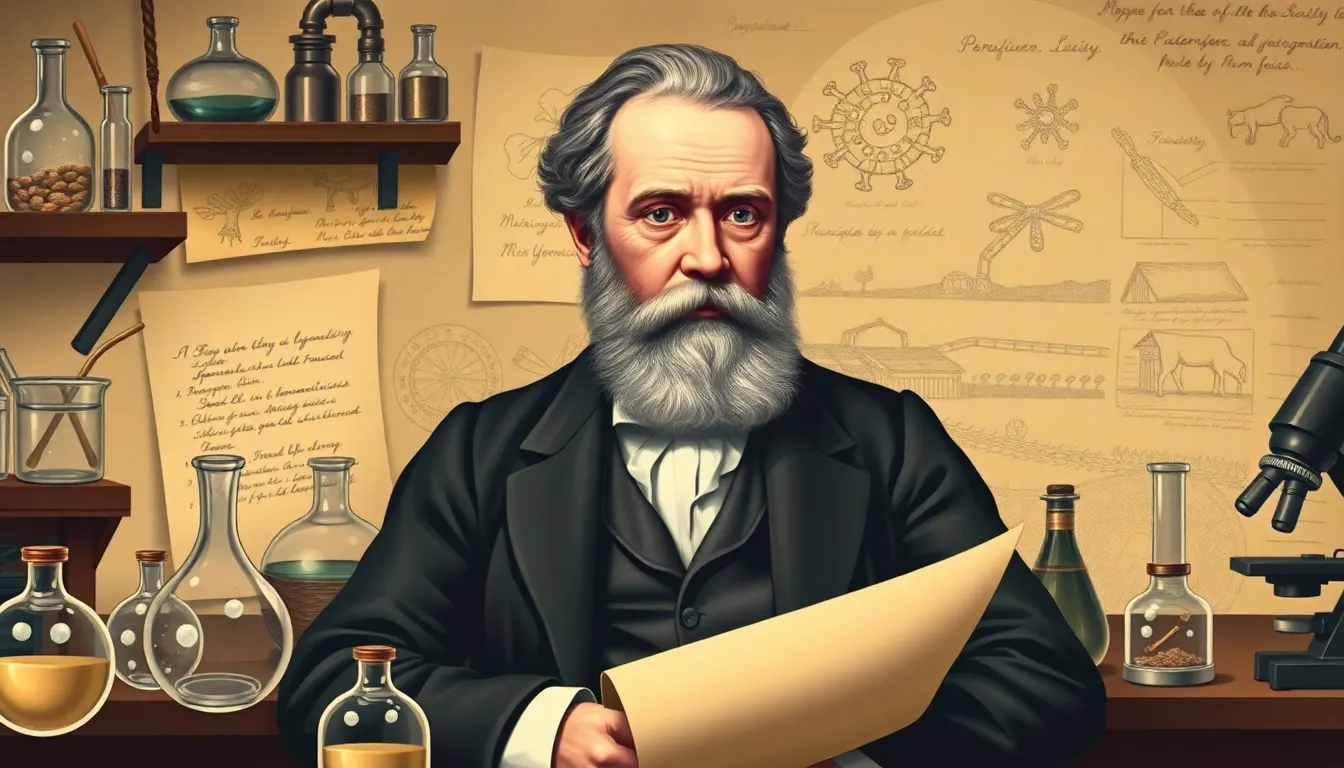
Louis Pasteur (1822‑1895) was a French chemist and microbiologist whose work established the germ theory of disease and introduced pasteurization. His discoveries in vaccination, fermentation, and microbiology transformed medicine and industry.
Kenyan actress Lupita Nyong’o rose from a multicultural upbringing to become an Oscar‑winning star, known for her groundbreaking work in 12 Years a Slave and the Marvel blockbuster Black Panther.
Manny Pacquiao rose from a modest upbringing in General Santos to become the only boxer in history to win world titles in eight weight divisions, while also serving as a senator in the Philippines.
Marco Polo (1254‑1324) was a Venetian merchant whose reported journey to the court of Kublai Khan opened Europe to detailed knowledge of the far‑east, sparking centuries of curiosity and exploration.
Margaret Atwood, a Canadian novelist, poet, and critic, rose to global prominence with The Handmaid’s Tale. This biography traces her early life, literary development, major works, and lasting influence.
Margaret Hamilton (born August 17 1936) was an American computer scientist who led the development of onboard flight software for NASA’s Apollo missions, pioneering many concepts of modern software engineering.
Margaret Thatcher (1925‑2013) was the United Kingdom’s first female prime minister, serving from 1979 to 1990. Her tenure reshaped British politics through sweeping economic reforms, a strong stance against the Soviet bloc, and a polarising legacy that continues to influence contemporary debate.
Mario Lemieux, often called “The Magnificent One,” is a Canadian former professional ice‑hockey centre who dominated the National Hockey League in the 1990s. His career is marked by remarkable scoring records, multiple Stanley Cup championships, and a legacy that reshaped the sport.
Samuel Langhorne Clemens, known as Mark Twain, emerged from a modest Missouri childhood to become a defining voice of 19th‑century American literature. His novels *The Adventures of Tom Sawyer* and *Adventures of Huckleberry Finn* cemented his reputation for humor, social critique, and masterful regional storytelling.
Martha Stewart transformed domestic arts into a global media empire, influencing home décor, cooking, and entrepreneurship. Her career spans publishing, television, retail, and a high‑profile legal battle, shaping modern lifestyle branding.
Martin Scorsese is one of the most influential American directors, known for his vivid storytelling, iconic collaborations, and an oeuvre that spans over five decades. From his gritty New York‑based beginnings to his recent forays into streaming, Scorsese has reshaped modern cinema.
Maurice Sendak (1928–2012) was an American illustrator and writer whose groundbreaking picture books, especially *Where the Wild Things Are*, reshaped children’s literature with their psychological depth and artistic daring.
Michael Jackson (1958–2009) rose from a family act in Gary, Indiana, to become the most widely recognized entertainer of the 20th century. His innovations in music, dance, and visual media reshaped popular culture worldwide.
Muammar al‑Qadhafi was a Libyan revolutionary and politician who ruled Libya from 1969 until his death in 2011. His rule combined Arab nationalism, socialism, and a distinctive political philosophy that reshaped Libya’s domestic and foreign policies.
Muhammad Ali (born Cassius Clay) emerged from Louisville’s streets to dominate heavyweight boxing, becoming a cultural icon whose influence extended beyond sport.
Novak Djokovic, born in Belgrade in 1987, rose from modest beginnings to become one of tennis’s most decorated players. His career is marked by a record‑tying Grand Slam haul, a versatile playing style, and a lasting impact on the sport worldwide.
Paul McCartney, a central figure of the Beatles and founder of Wings, transformed popular music through songwriting, performance, and innovation from the early 1960s onward.
Peyton Manning, a five‑time NFL MVP and two‑time Super Bowl champion, is celebrated for his cerebral approach to quarterbacking and his lasting impact on American football.
Pythagoras of Samos was a pioneering ancient Greek thinker whose contributions to mathematics, music theory, and religious practice shaped Western intellectual history. He is best known for the theorem that bears his name and for founding the influential Pythagorean brotherhood.

Rachael Ray is an American television personality, author, and entrepreneur who rose to fame with her accessible cooking style and the self-titled daytime talk show that aired on the Food Network. Known for her energetic persona and trademark “30‑Minute Meals,” she has built a multimedia brand spanning books, magazines, and product lines.
Rafael Correa served as President of Ecuador from 2007 to 2017, steering the nation through a period of economic growth, constitutional reform, and political controversy. His left‑wing policies, confrontational style, and post‑presidential legal battles have left a lasting imprint on Ecuadorian politics.

Reza Pahlavi, Crown Prince of Iran, is a prominent member of the former Pahlavi dynasty and an active opposition figure living in exile. He has pursued education in the United States, founded political organizations, and advocated for democratic reforms in Iran.
Richard Phillips Feynman (1918–1988) was an American theoretical physicist whose work reshaped quantum electrodynamics, introduced novel pedagogical methods, and left a lasting imprint on both science and popular culture.
Richard Nixon, the 37th President of the United States, rose from modest beginnings to the nation’s highest office, only to resign amid the Watergate scandal. This biography traces his early life, political ascent, presidency, and the events that led to his historic resignation.
Robyn Rihanna Fenty rose from a modest upbringing in Saint Michael, Barbados, to become a global music icon and billionaire businesswoman. Her career spans chart‑topping albums, high‑profile collaborations, and influential ventures in fashion and beauty.
Rita Hayworth (1918–1987) rose from a multilingual child of immigrant performers to become one of Hollywood’s most iconic stars, celebrated for her beauty, talent, and lasting influence on cinema.
Roald Amundsen (1872‑1928) was a Norwegian explorer who became the first person to reach the South Pole in December 1911. His career spanned Arctic navigation, trans‑continental air travel, and pioneering scientific contributions to polar research.