Jane Austen – Life and Work, Including Pride and Prejudice

An encyclopedic biography of Jane Austen, focusing on her upbringing, literary influences, the publication of Pride and Prejudice, and her lasting impact on English literature.
More Biography, More Stories Behind Every Name
An encyclopedic biography of Jane Austen, focusing on her upbringing, literary influences, the publication of Pride and Prejudice, and her lasting impact on English literature.

Jo Callis is a British songwriter, guitarist and keyboardist best known for his work with the synth‑pop band The Human League. His career spans the post‑punk era with The Teardrop Explodes to chart‑topping hits in the 1980s and continued collaborations into the digital age.

Joanne Catherall is an English singer best known as one of the lead vocalists of the synth‑pop band The Human League. Emerging from the Sheffield music scene in the early 1980s, she contributed to a string of chart‑topping hits and remains an influential figure in electronic pop.

John Major served as Prime Minister of the United Kingdom from 1990 to 1997, overseeing a period of economic recovery, constitutional reform, and foreign‑policy challenges. His political career spanned more than four decades, from local councilor to the leader of the Conservative Party.
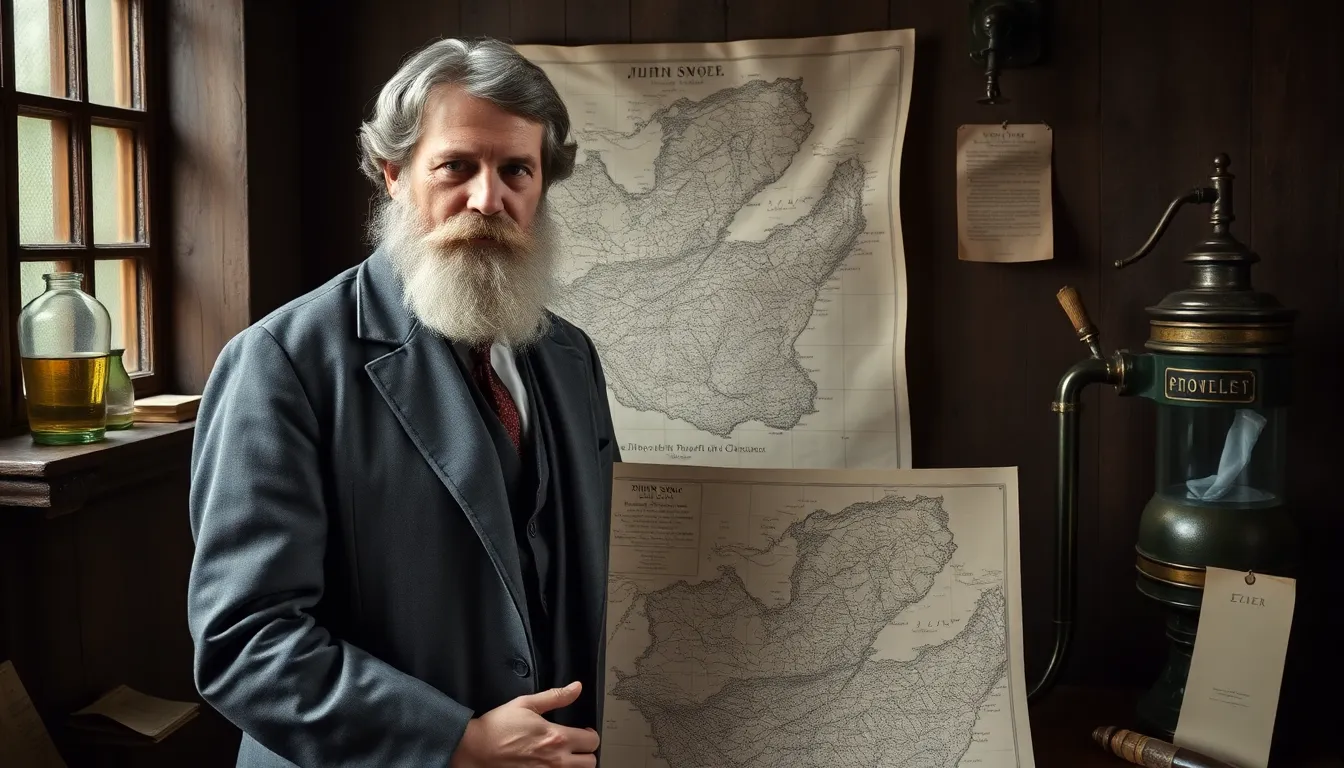
John Snow (1813‑1858) was an English physician whose pioneering work on cholera transmission laid the foundations of modern epidemiology. His meticulous investigations and statistical mapping transformed public health practice in the 19th century.

Lou Watts is an English vocalist best known for her work with the alternative rock band Pop Will Eat Itself. Emerging from the UK indie scene in the early 1990s, she helped shape the band’s industrial‑dance fusion and continues to influence British alternative music.
Marc Almond is a British singer-songwriter best known as the frontman of synth‑pop duo Soft Cell and for a prolific solo career that spans four decades. He is celebrated for his dramatic vocal style, theatrical performances, and collaborations across pop, cabaret, and avant‑garde music.
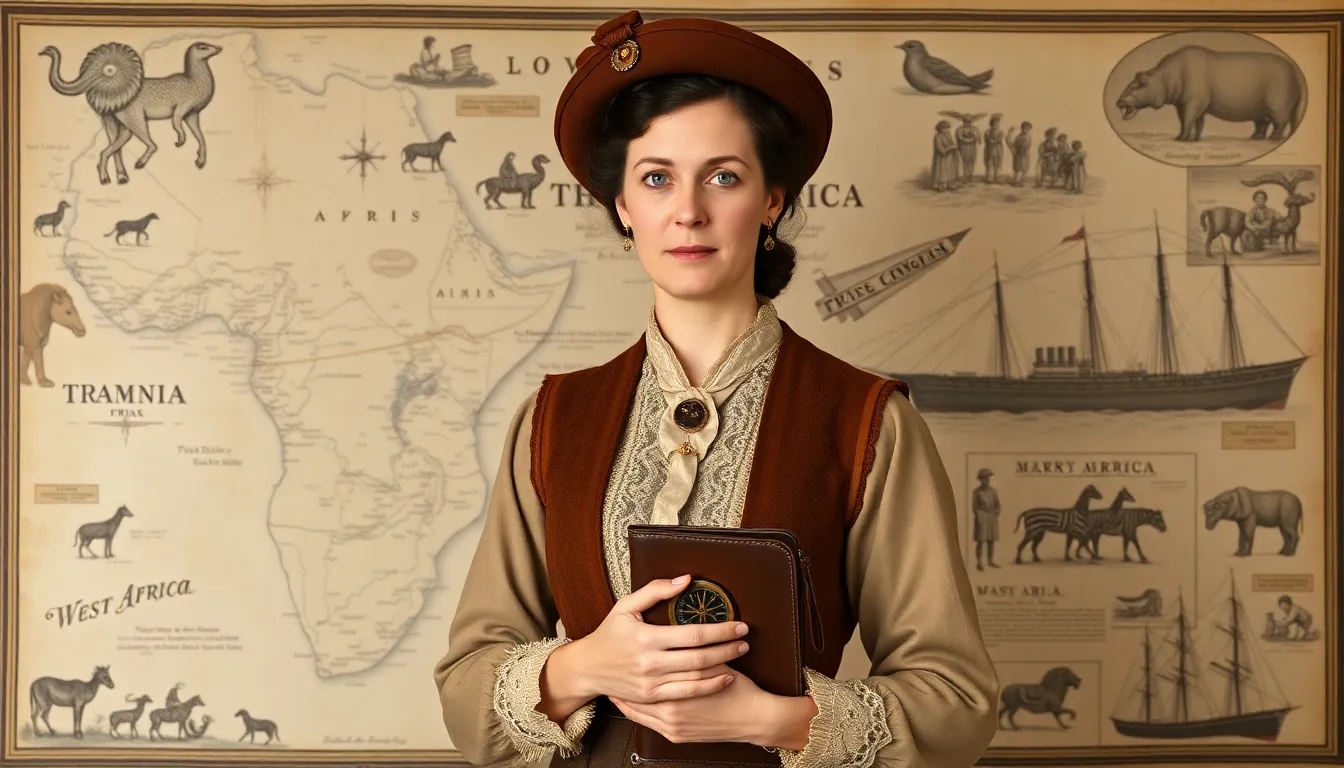
Mary Kingsley (1862‑1900) was a British explorer who traveled extensively in West Africa during the 1890s, producing influential writings on African societies, geography, and natural history. Her journeys challenged contemporary Victorian attitudes toward empire, science, and gender.

Matthew Carter is a British‑American type designer whose work has shaped digital and print typography for over five decades, including iconic typefaces such as Verdana, Georgia, and the Times New Roman revision.
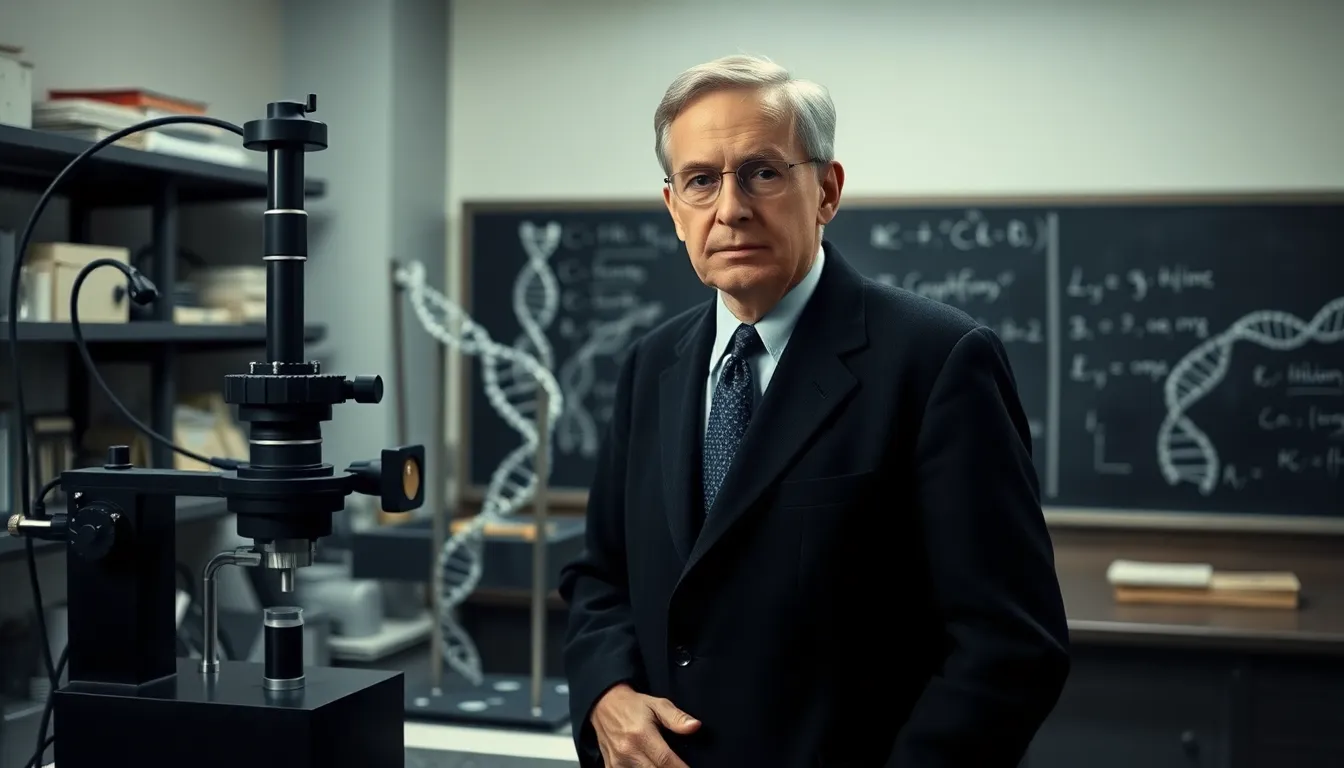
Maurice Wilkins (1916–2004) was a New Zealand‑born physicist whose X‑ray diffraction work on nucleic acids helped uncover the double‑helical structure of DNA, earning him the 1962 Nobel Prize in Physiology or Medicine.

Mike Score, born Michael Gordon Athey, is the English singer‑songwriter and keyboardist who fronted the new‑wave band A Flock of Seagulls. Known for his soaring vocals and futuristic image, he remains an influential figure in 1980s pop culture.
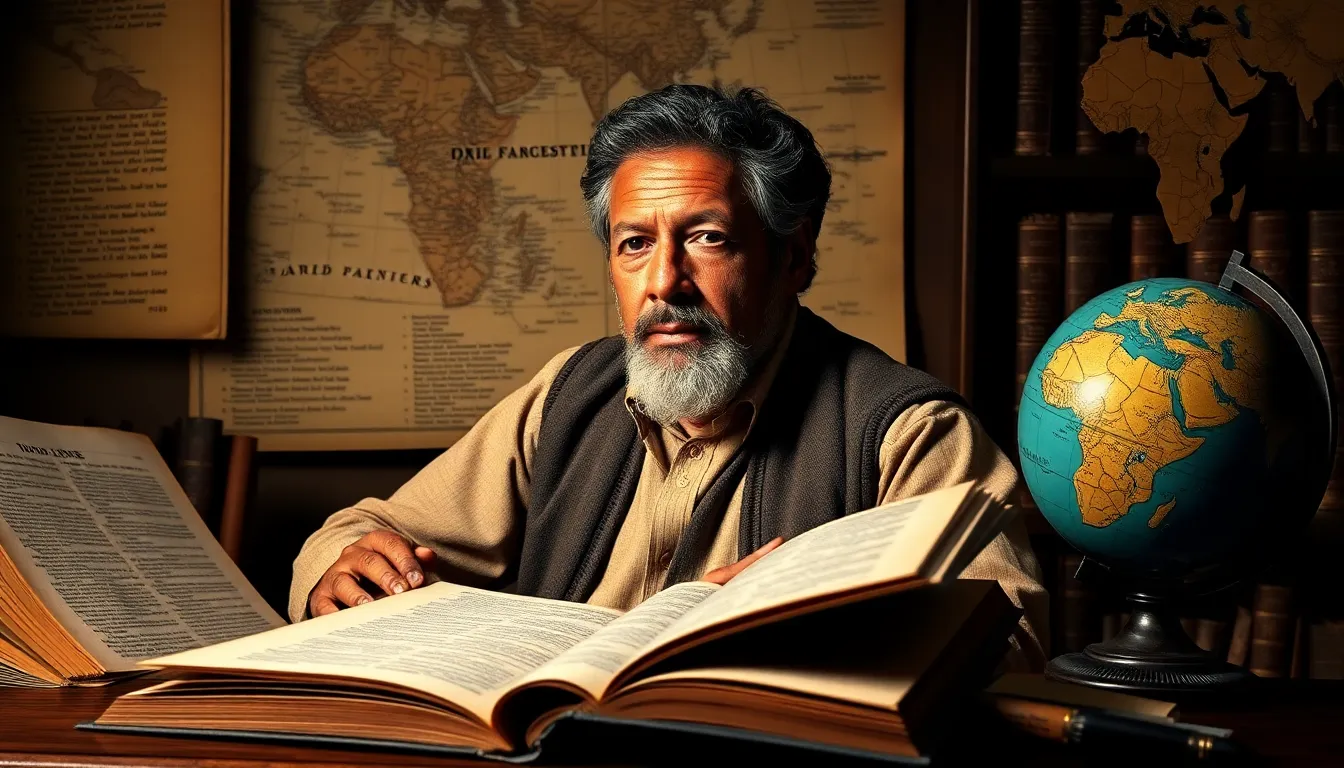
David Livingstone (1813–1874) was a Scottish missionary, physician, and explorer whose work in Africa combined evangelical aims with anti‑slavery activism. This biography examines his religious formation, missionary career, explorations, and enduring influence.

Jay Shetty is a British motivational speaker, author and digital content creator known for translating ancient wisdom into modern video essays. He rose from a modest start on social media to a global brand spanning podcasts, books, and corporate collaborations.
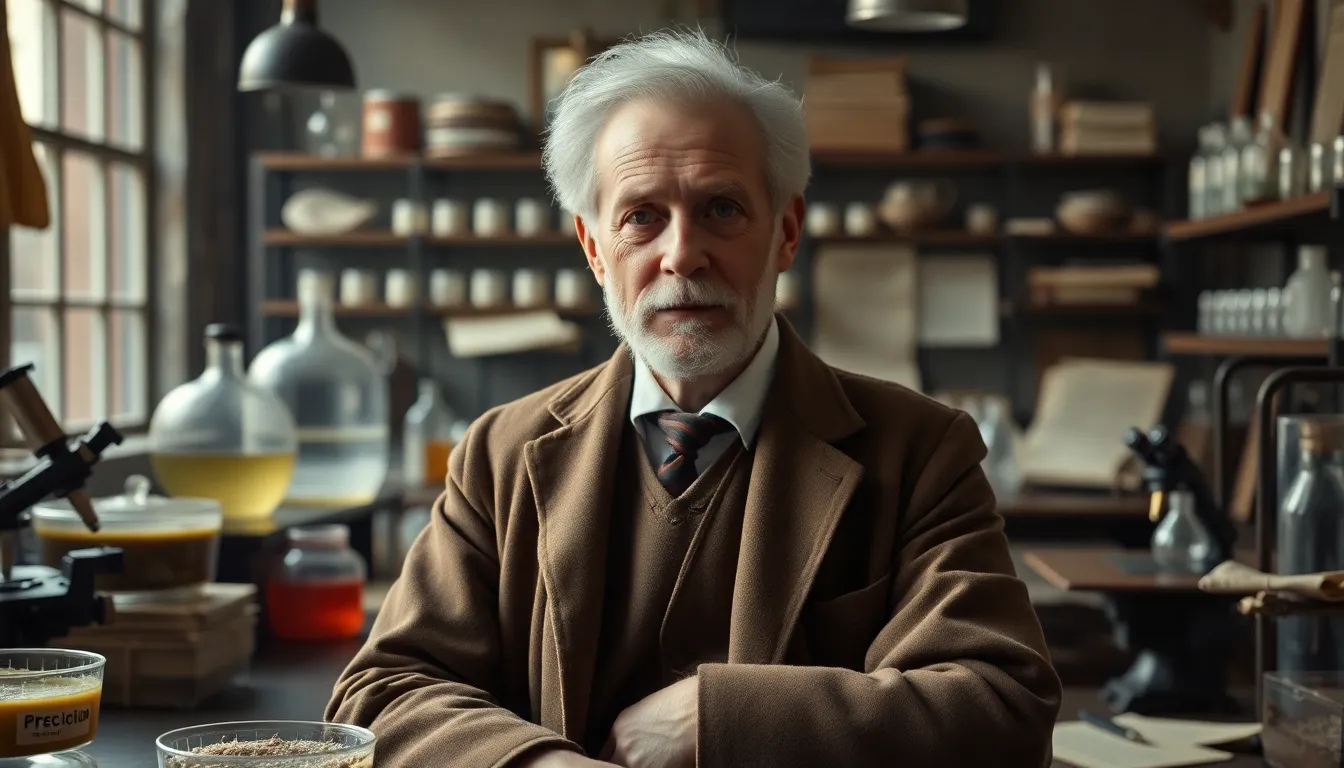
Sir Alexander Fleming (1881–1955) was a Scottish bacteriologist whose discovery of the antibacterial properties of Penicillium mold revolutionized medicine and earned him the Nobel Prize in 1945.
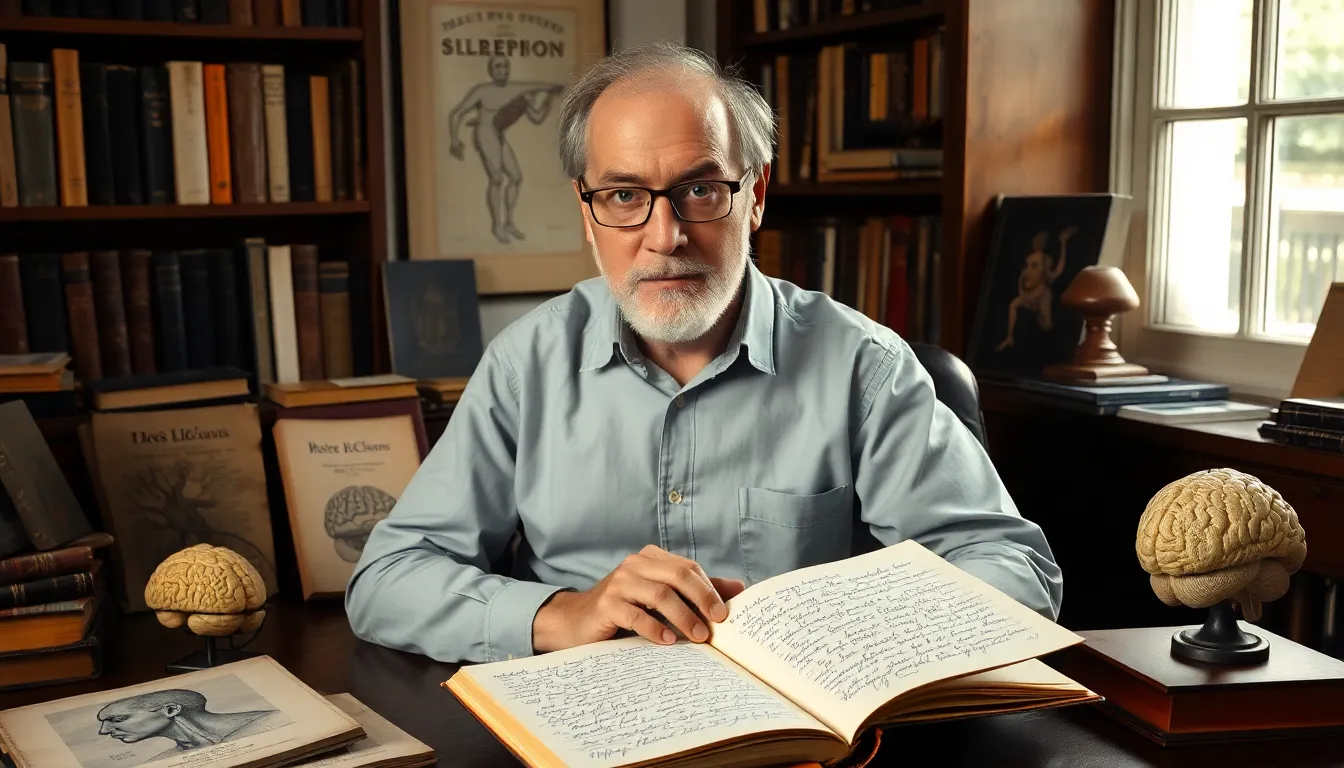
Oliver Sacks (1933‑2015) was a British‑born American neurologist, writer, and public intellectual whose clinical case histories transformed public understanding of the brain. His compassionate approach to neurological disorders, combined with lyrical prose, made him a unique bridge between science and literature.
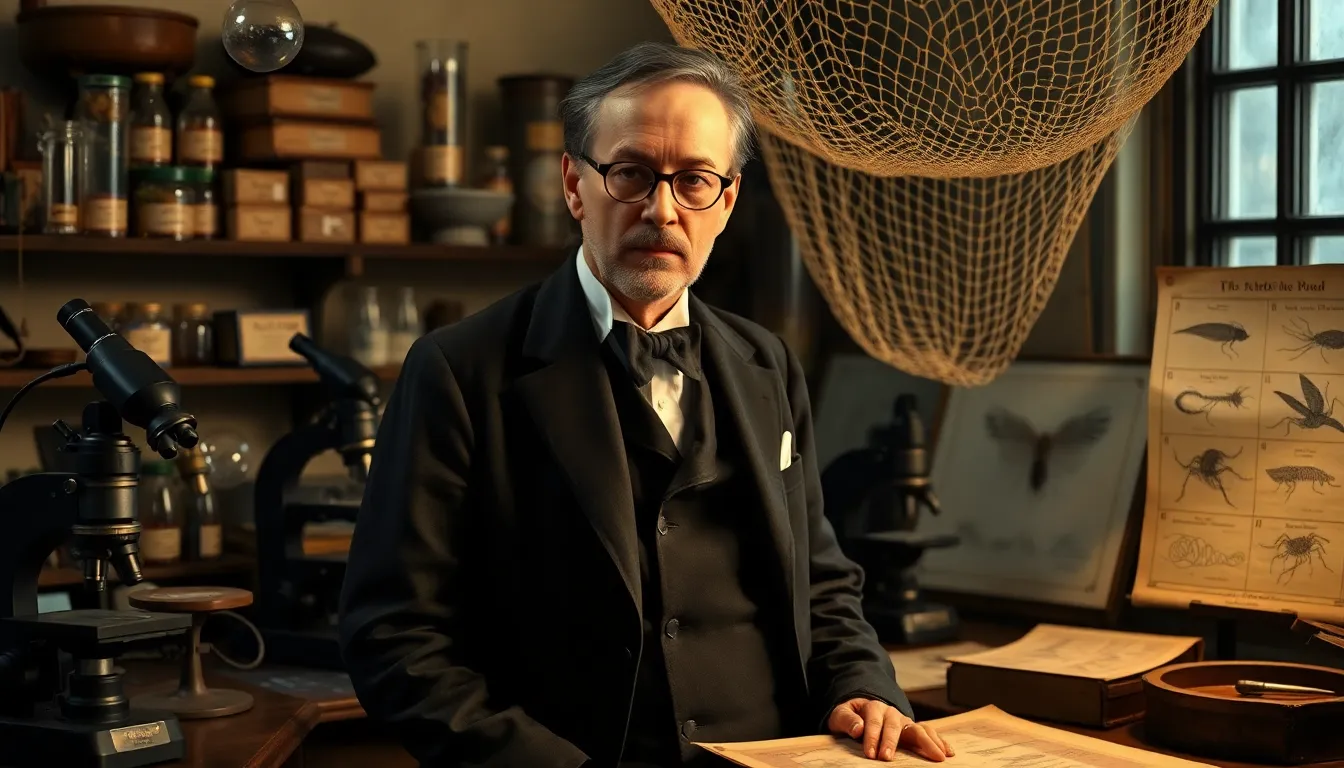
Sir Patrick Manson (1849–1922) was a Scottish physician and parasitologist recognized as the founder of tropical medicine. His work on filarial parasites and mosquito transmission transformed public health in the tropics.
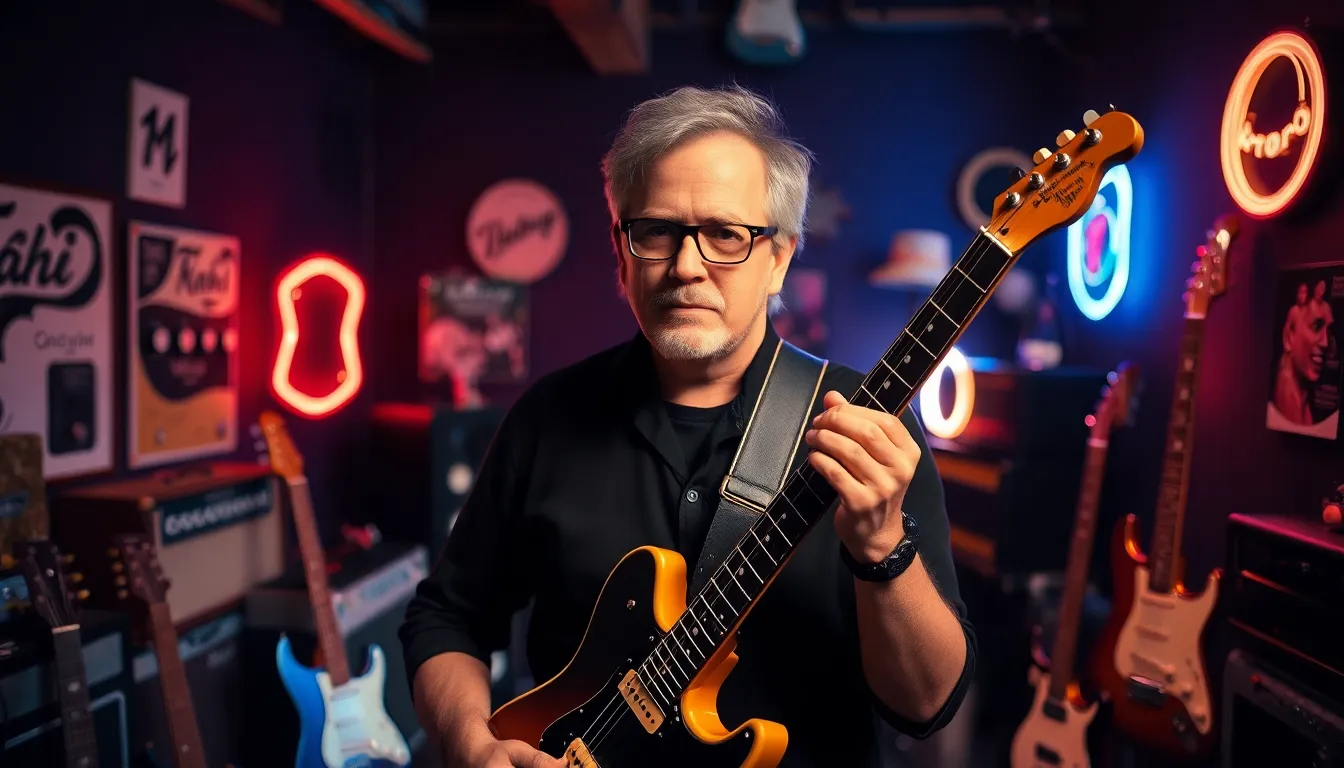
Paul Reynolds is a British guitarist best known for his work with the new‑wave band A Flock of Seagulls. His innovative playing helped define the sound of 1980s synth‑pop, and he remains an influential figure in modern guitar culture.
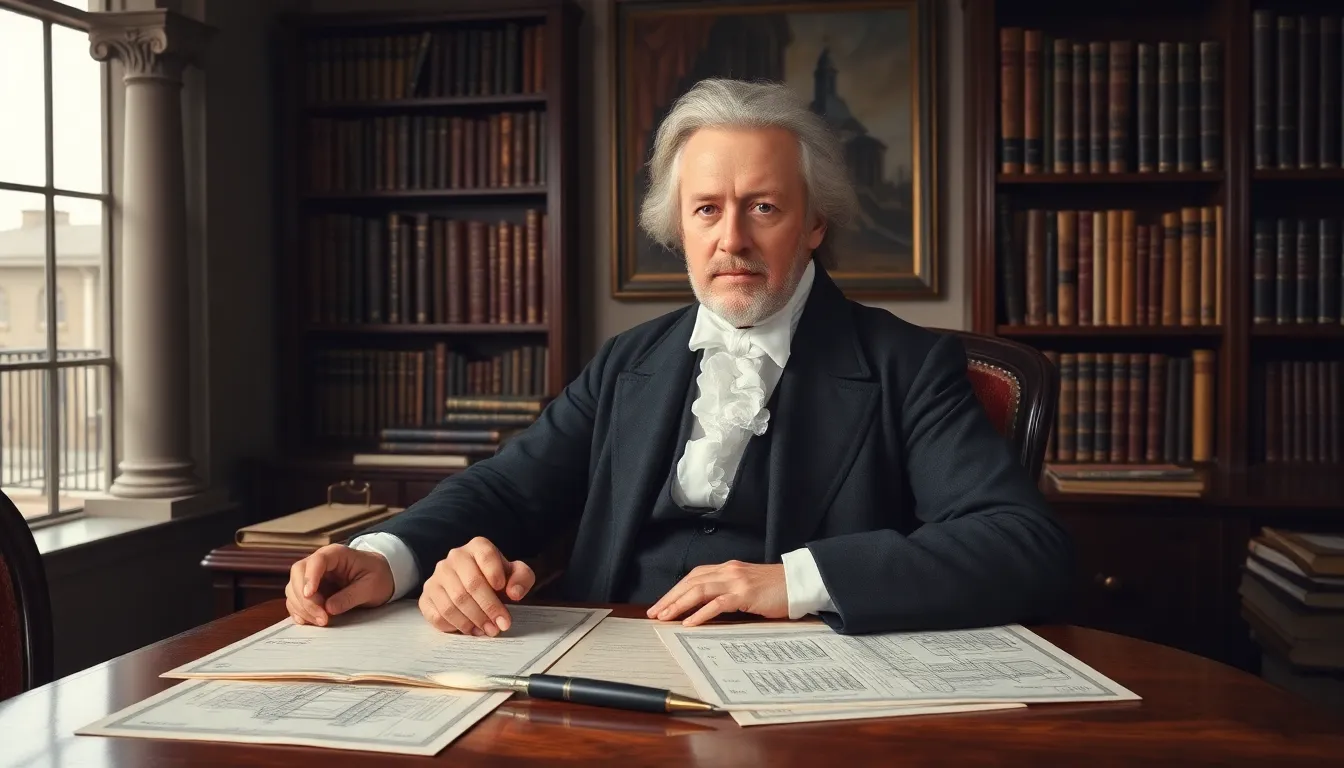
John Howard (1726–1790) was an English philanthropist whose investigations and reports on prison conditions helped launch the modern prison‑reform movement in Britain and abroad.

Ian C. Read is a British‑born pharmaceutical executive who led Pfizer from 2010 to 2022. The biography examines his early life, rise through the company, major strategic initiatives, and lasting impact on the pharma industry and digital health.

Phil Oakey is an English singer, songwriter and record producer best known as the frontman of synth‑pop pioneers The Human League. His career spans four decades of electronic music innovation.

Philip Adrian Wright is a British visual artist and musician best known for his early work with the synth‑pop pioneers The Human League. His multidisciplinary career spans graphic design, film, and contemporary art, reflecting a sustained influence on both music visual culture and independent art practice.
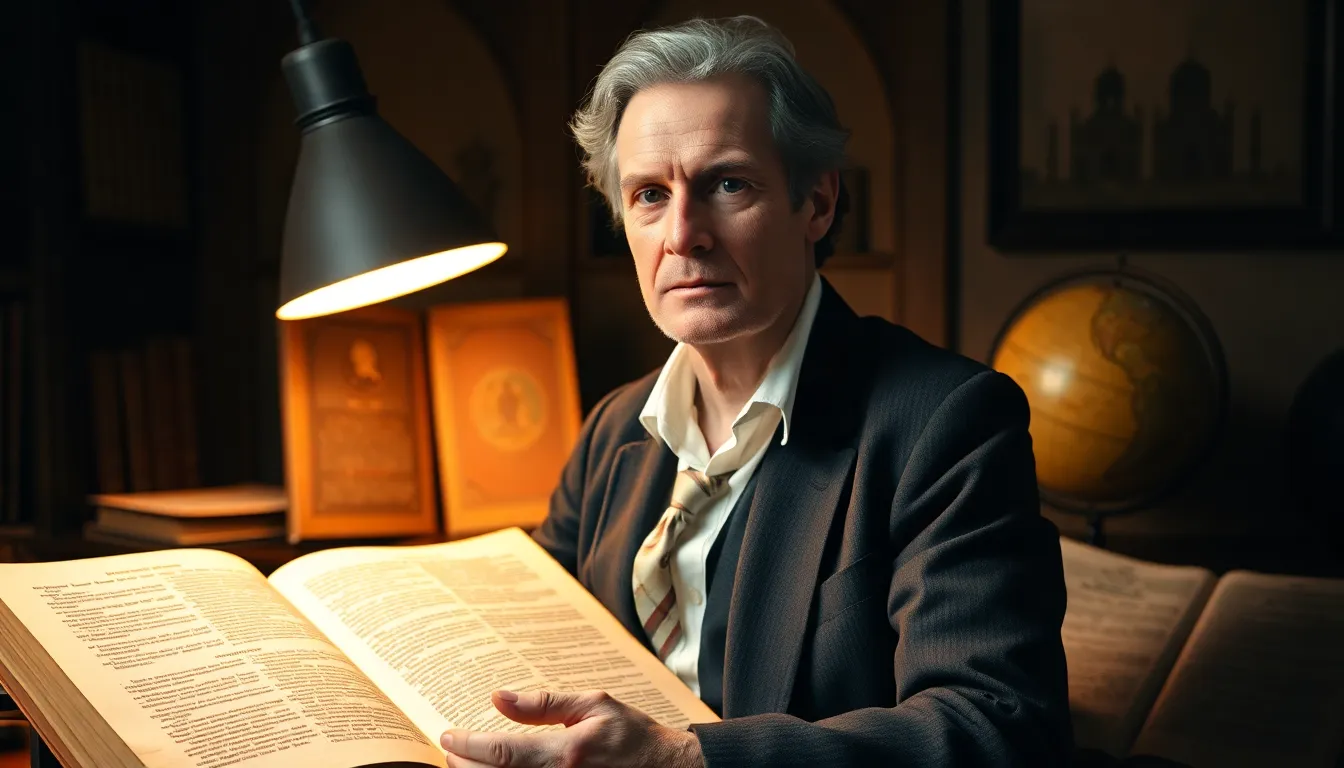
William Carey (1761–1834) was a British Baptist missionary, educator, and translator whose work in India laid the foundations for modern Protestant missions and a lasting legacy in education and biblical scholarship.

Sir Harold Gillies (1882‑1960) is recognized as the father of modern plastic surgery. His pioneering work on facial reconstruction during World War I transformed surgical practice and laid the foundation for contemporary reconstructive techniques.

Josiah Wedgwood (1730–1795) was an English potter and entrepreneur whose innovative designs, industrial methods, and marketing strategies transformed British ceramics and set a precedent for modern manufacturing.

Richard Fairbrass is a British singer, songwriter and music producer best known as the frontman of the pop duo Right Said Fred. The biography outlines his early life, musical influences, major hits, collaborations and cultural legacy.

Ricky Wilson is the English singer, songwriter and frontman of the indie‑rock band Kaiser Chiefs. Born in 1978, he rose to fame in the mid‑2000s, earning multiple awards and becoming a prominent figure in British pop culture.

Right Said Fred are a British pop duo best known for their 1991 worldwide hit “I’m Too Sexy”. Formed by brothers Richard and Fred Fairbrass, they have enjoyed a career spanning three decades with multiple albums, tours and a distinct cheek‑cheek pop‑rock style.

Rob Manzoli is a British‑Italian guitarist, songwriter and producer whose career spans more than three decades, encompassing work with rock, pop and folk acts, notable collaborations and a modest solo catalogue.

Clive Staples Lewis (1898–1963) was a British literary scholar, Christian apologist, and author whose works such as *Mere Christianity* and *The Chronicles of Narnia* have shaped modern Christian thought and popular culture.

Soft Cell, the English synth‑pop duo formed in 1978 by vocalist Marc Almond and keyboardist Dave Ball, achieved global fame with their 1981 hit “Tainted Love”. Their stark electronic sound, theatrical performances, and provocative lyrics left a lasting imprint on 1980s popular music.
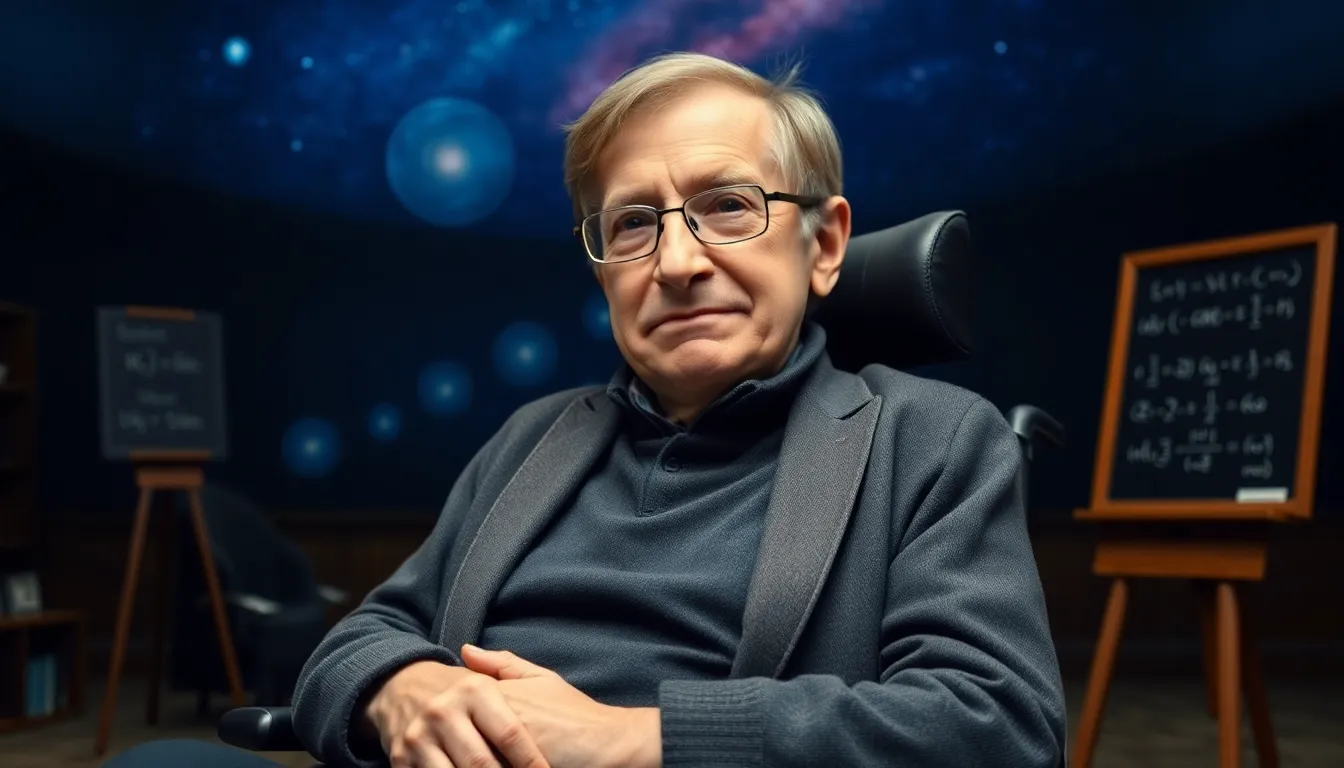
Stephen Hawking was a British theoretical physicist whose work on black holes, cosmology, and quantum gravity reshaped modern astrophysics. Despite a progressive motor neurone disease, he authored influential books and received numerous scientific honors.

Joseph Lister (1827‑1912) was a British surgeon whose introduction of antiseptic surgery transformed operative practice. This biography examines his education, career, scientific discoveries, personal life, and lasting legacy.

Susan Ann Sulley is an English singer best known as a longtime member of the synth‑pop band The Human League. Emerging from Sheffield’s post‑industrial club scene in the early 1980s, she helped shape the sound and visual style of British new‑wave music.

The Human League are a pioneering British synth‑pop band formed in Sheffield in 1977. Over four decades they have sold millions of records, produced iconic hits such as “Don’t You Want Me”, and influenced the development of electronic pop music worldwide.
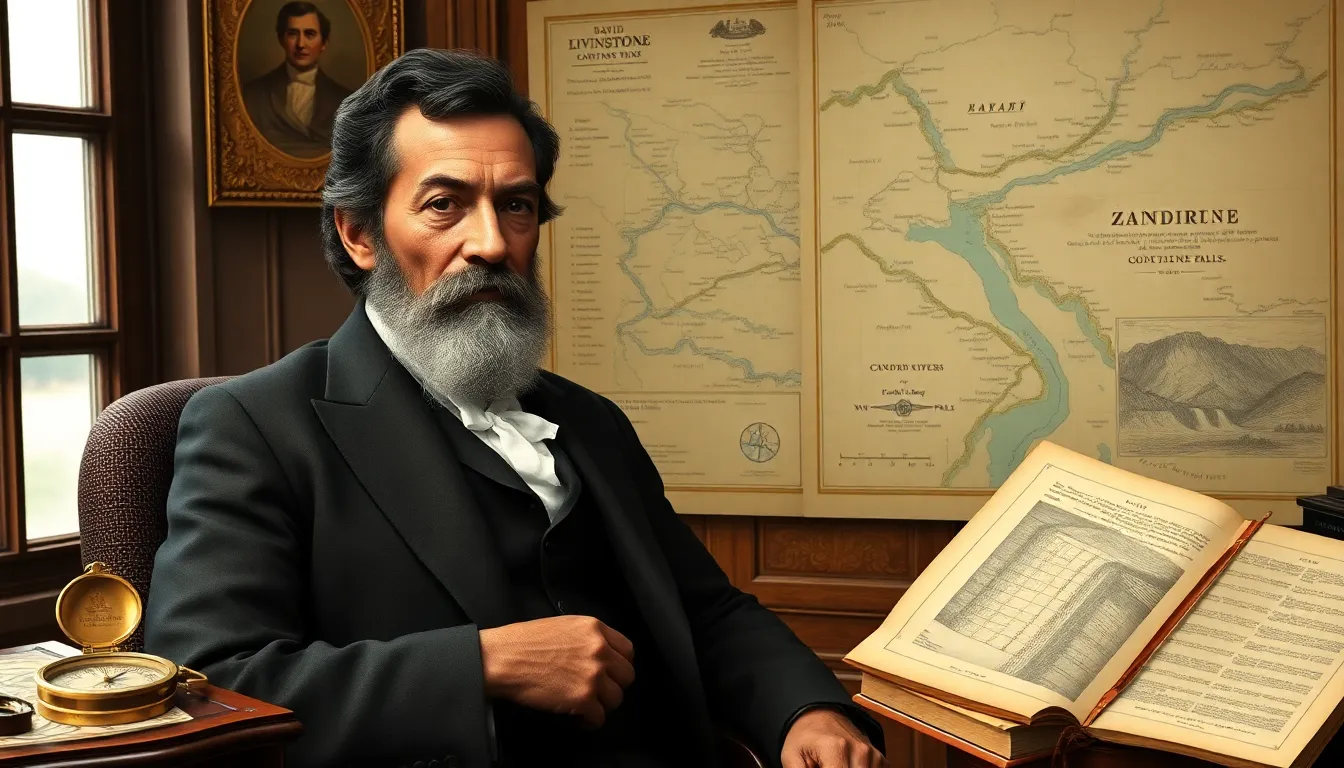
David Livingstone (1813–1873) was a Scottish missionary, physician, and explorer whose four decades of travel opened European eyes to the geography, peoples, and natural history of central and southern Africa.

Margaret Thatcher (1925‑2013) was the United Kingdom’s first female prime minister, serving from 1979 to 1990. Her tenure reshaped British politics through economic liberalisation, a strong stance against the Soviet bloc, and contentious social reforms.

Queen Elizabeth II reigned for seventy‑six years, overseeing profound constitutional, social, and geopolitical change. Her tenure shaped the modern British monarchy and left a lasting imprint on Commonwealth relations.

Sir Ernest Shackleton’s Endurance Expedition (1914‑1917) remains a benchmark of leadership and survival in polar exploration.

Winston Churchill (1874‑1965) was a British statesman, writer, and wartime leader who served as Prime Minister during World War II and again in the early 1950s, shaping mid‑century politics and international affairs.

David Bowie (1947–2016) was an English singer‑songwriter, actor, and visual innovator whose career spanned five decades. Renowned for his constant reinvention, he shaped rock, pop, and fashion with iconic personas such as Ziggy Stardust and the Thin White Duke.
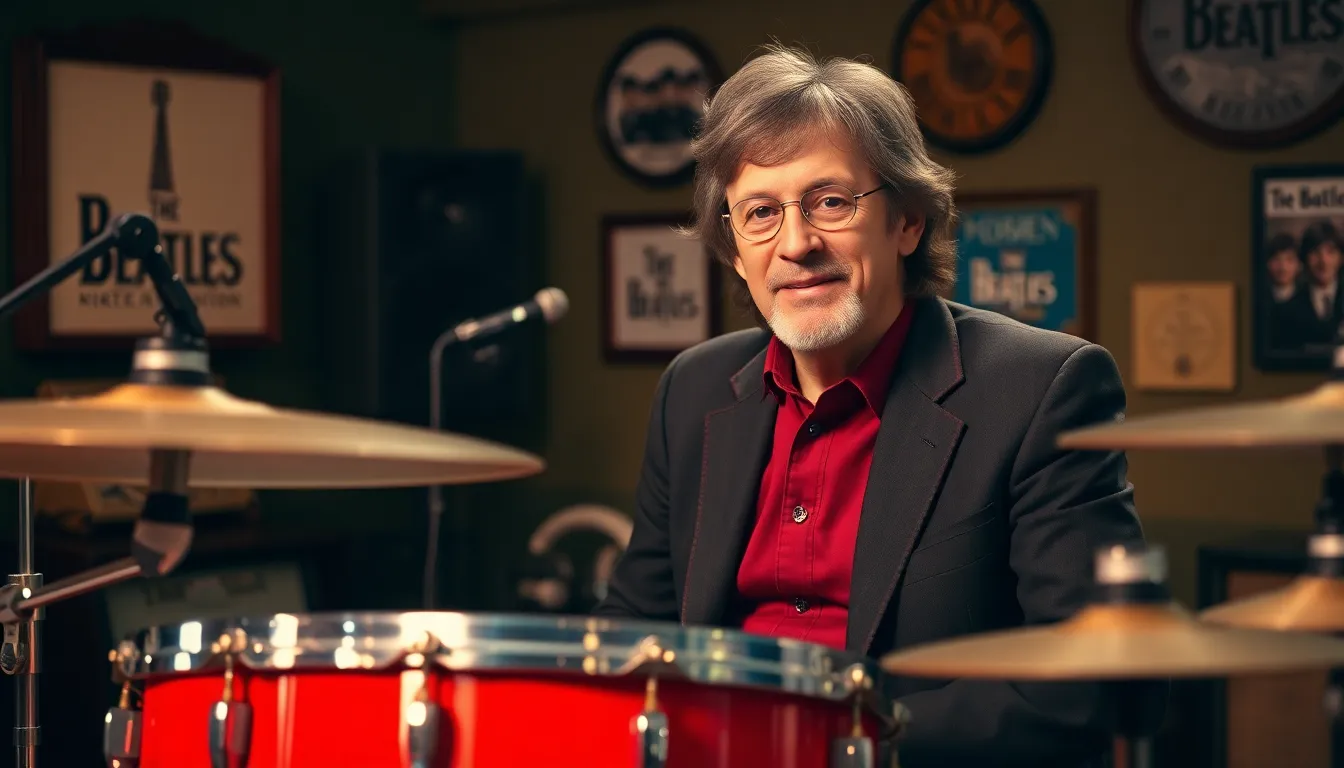
Ringo Starr, born Richard Starkey, is an English musician best known as the drummer of the Beatles. His steady beat, affable personality, and subsequent solo career have left an enduring imprint on popular music.

An encyclopedic overview of the Beatles’ origins, influences, major works, collaborations, and enduring cultural legacy that shaped modern popular music.

Alan Mathison Turing (1912‑1954) was a British mathematician, logician, and cryptanalyst whose theoretical work laid the foundations of computer science and artificial intelligence.

Charles Darwin (1809‑1882) formulated the theory of evolution by natural selection, reshaping biology and influencing countless scientific disciplines.

Rosalind Franklin (1920–1958) was a British chemist and X‑ray crystallographer whose precise diffraction images of DNA were pivotal in revealing its double‑helix structure. Her rigorous experimental methods and contributions to virology and carbon science left a lasting impact on molecular biology.

An encyclopedic overview of Eric Arthur Blair’s (George Orwell) early life, literary influences, publication history, and the creation, themes, and impact of his two best‑known novels, *Animal Farm* and *1984*.

A detailed, neutral biography of Roald Dahl that examines his early life, education, literary influences and the creation, themes, reception, and legacy of his celebrated novel Charlie and the Chocolate Factory.

Adele Laurie Blue Adkins, known mononymously as Adele, is a British singer‑songwriter whose powerful voice and confessional songwriting have made her one of the most successful artists of the 21st century. This biography traces her upbringing, musical influences, breakthrough albums, collaborations, awards and cultural legacy.