Ceramicist Lucie Rie Biography – Age, Net Worth & Personal Life

Lucie Rie (1902–1995) was an Austrian‑British studio potter whose refined, modernist ceramics reshaped 20th‑century pottery and influenced generations of makers.
More Biography, More Stories Behind Every Name
Lucie Rie (1902–1995) was an Austrian‑British studio potter whose refined, modernist ceramics reshaped 20th‑century pottery and influenced generations of makers.

Charlotte Brontë (1816‑1855) was an English novelist and poet best known for the classic novel *Jane Eyre*. She wrote under the pseudonym Currer Bell and helped shape Victorian literature with her innovative narrative voice and strong‑willed heroines.

Gordon Ramsay is a British chef, restaurateur and television personality known for his Michelin‑starred restaurants, fiery on‑screen persona and a prolific series of cookbooks. The biography outlines his early life, culinary training, major ventures, awards, controversies and lasting influence on contemporary food culture.
Sir Archer John Porter Martin (1910–2002) was a British chemist whose pioneering work on partition chromatography earned him the Nobel Prize in Chemistry in 1952. His methods transformed analytical chemistry and laid foundations for modern biochemical separations.
Chumbawamba were an English anarcho‑punk collective formed in 1982, best known for the 1997 hit “Tubthumping”. Over three decades they blended activism with pop, releasing a diverse catalogue before disbanding in 2012.

James Hoffmann is a British coffee specialist, author, and former World Barista Champion who has shaped modern specialty coffee through his roastery, publications, and extensive media work.

Alan Turing (1912‑1954) was a British mathematician, logician and cryptanalyst whose theoretical work laid the foundations of computer science and whose wartime codebreaking accelerated the Allied victory.
Dorothy Hodgkin was a pioneering British crystallographer whose work determined the structures of vital biomolecules, earning her the 1964 Nobel Prize in Chemistry and reshaping modern science.
Stafford Beer (1926–2002) was a pioneering British theorist of management cybernetics, best known for the Viable System Model and his work on operational research. His interdisciplinary approach reshaped organizational theory and public policy throughout the late 20th century.

John McAfee (1945–2021) was a British‑American computer programmer, entrepreneur, and outspoken cybersecurity advocate best known for founding the antivirus software company McAfee, Inc. His career spanned pioneering software development, high‑profile political ventures, and controversial legal battles.
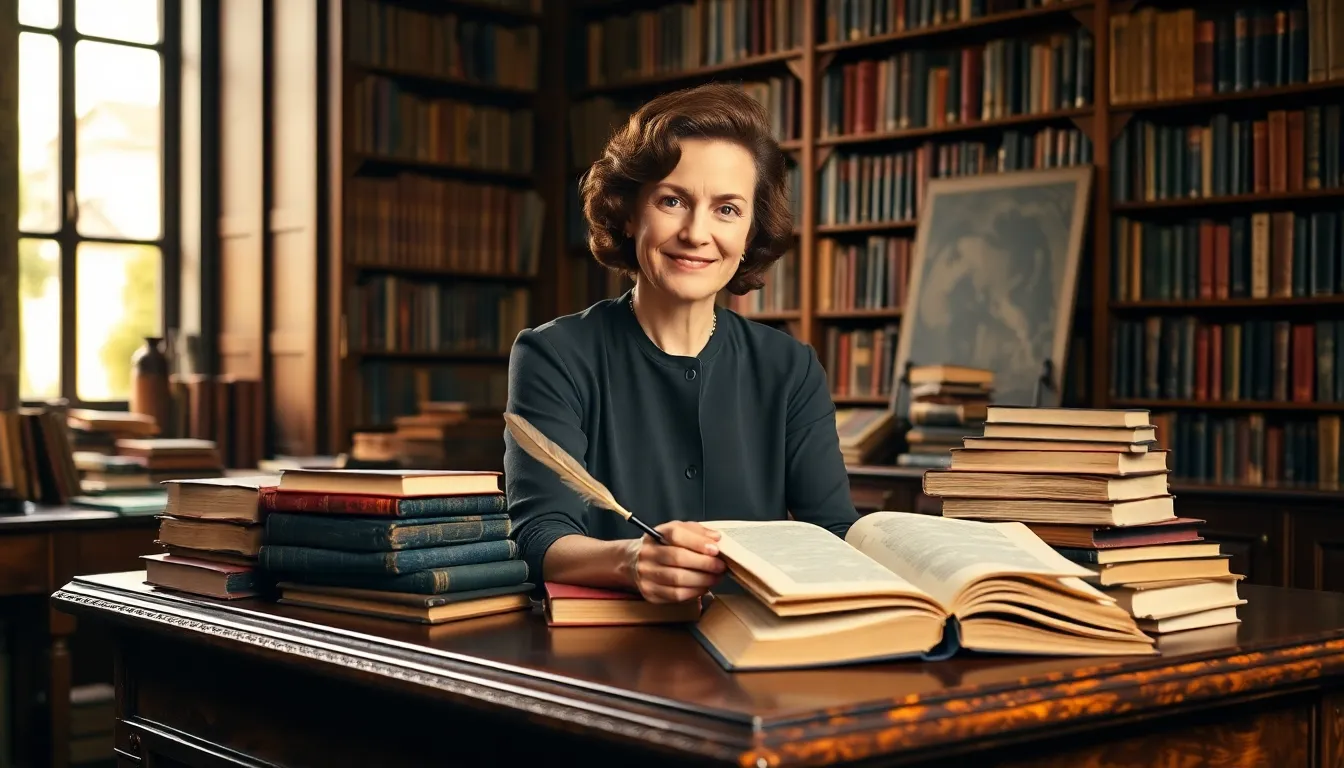
Cynthia Harnett (1893–1985) was a prolific British author of historical children’s novels, best known for her richly researched narratives set in medieval and Tudor England.
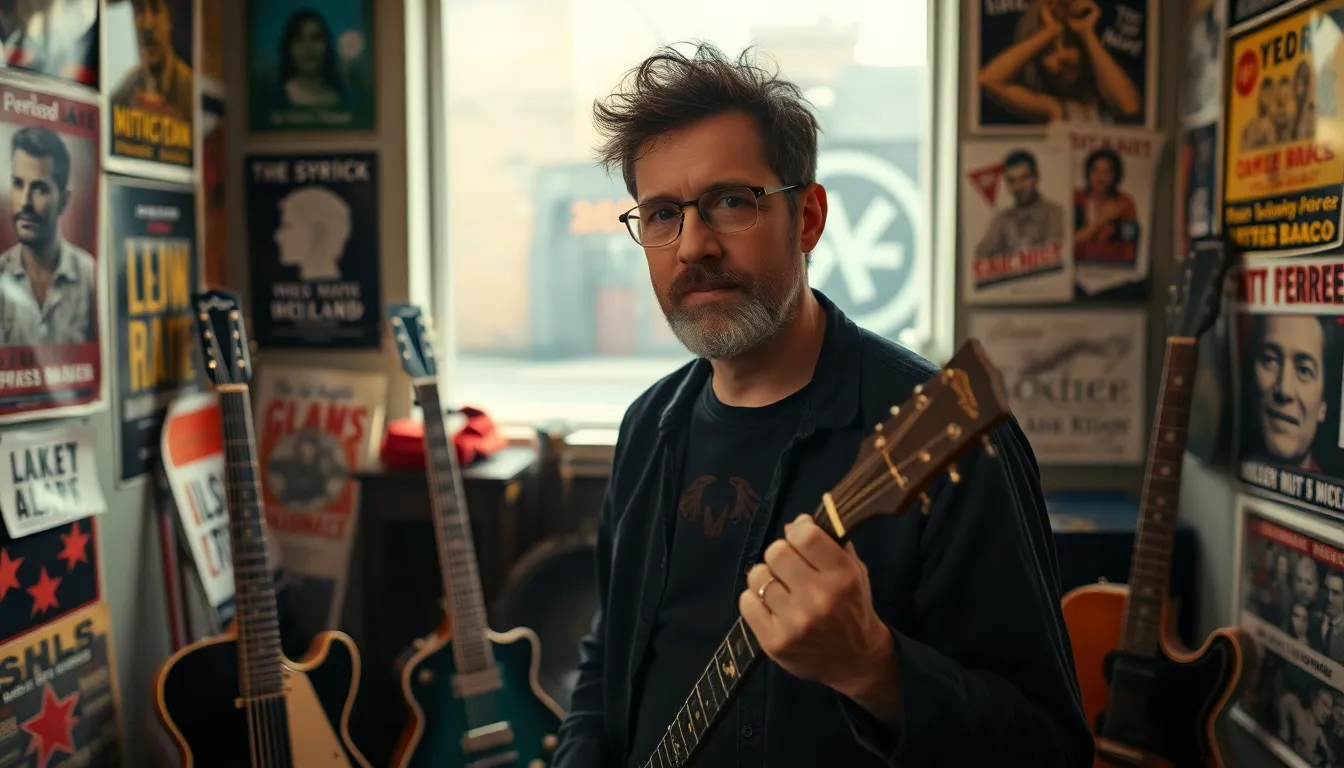
Danbert Nobacon is an English musician, activist, and visual artist best known as a founding member of the anarcho‑punk collective Chumbawamba. His career spans four decades of politically charged music, collaborative art projects, and grassroots organizing.
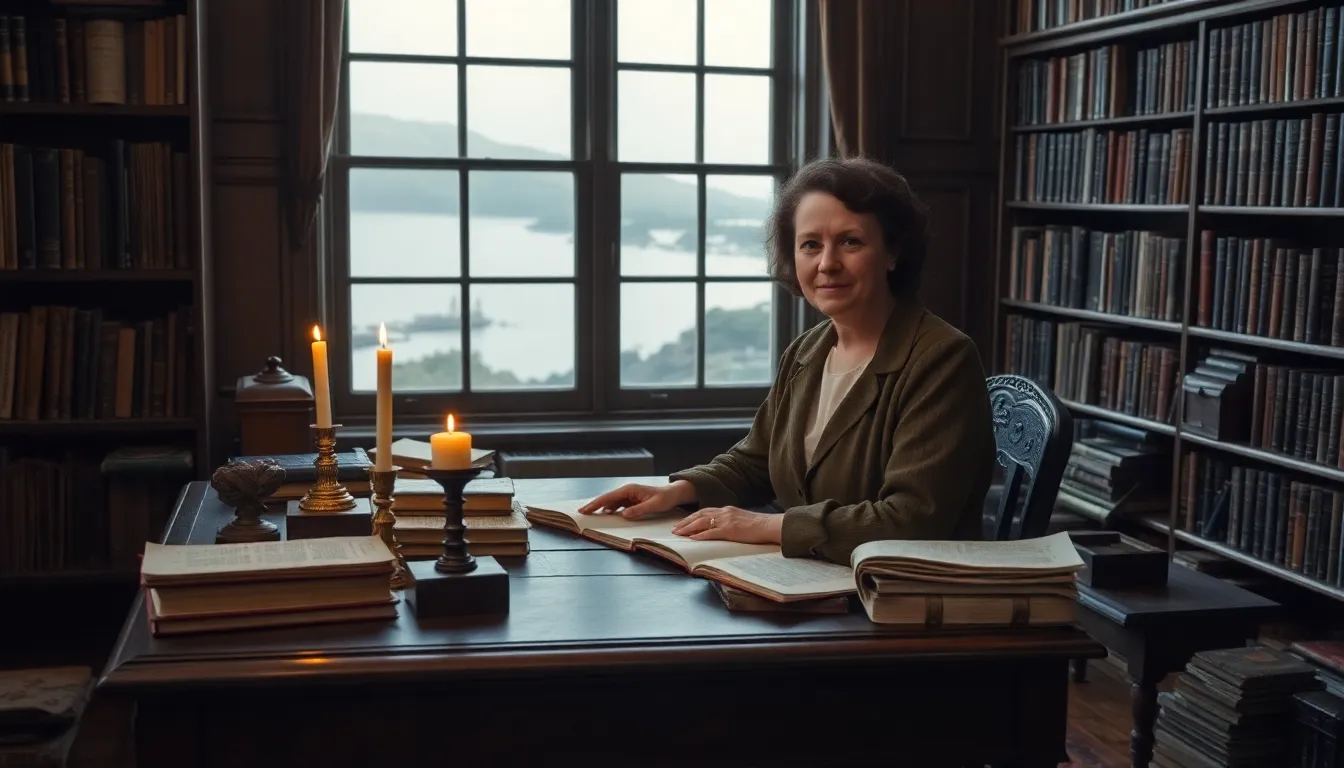
Daphne du Maurier (1907–1989) was a British novelist, playwright and short‑story writer whose works of mystery and romance remain widely read. Her most famous novels include *Rebecca* and *Jamaica Inn*, and she continues to influence contemporary literature and cinema.
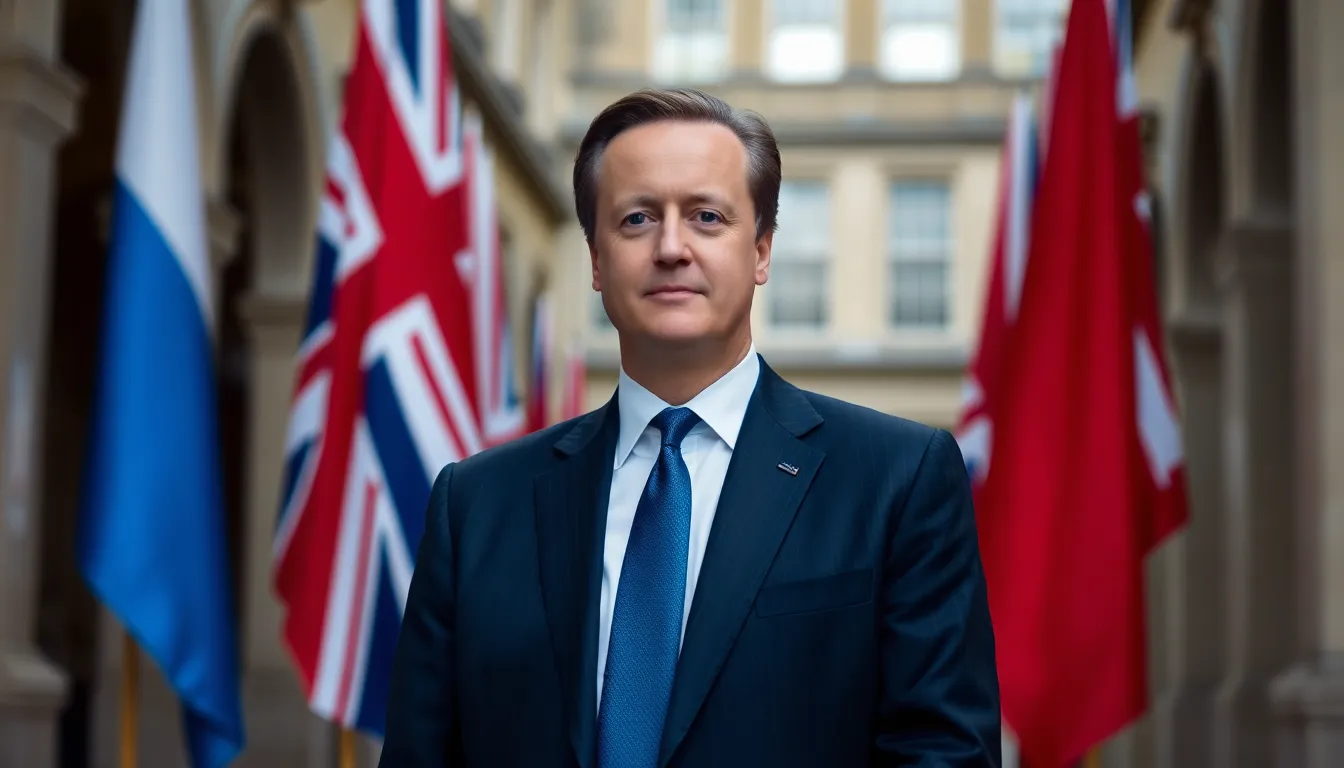
David Cameron served as the United Kingdom’s Prime Minister from 2010 to 2016, overseeing a coalition government, major economic reforms, and the EU referendum that reshaped British politics.
Deborah Moggach is a British novelist and screenwriter whose career spans four decades. Known for works such as *The Best Exotic Marigold Hotel*, she continues to influence contemporary fiction.

Dewey Bunnell is a British‑American singer‑songwriter best known as a founding member of the folk‑rock band America. This biography details his early life, musical influences, major works, collaborations, and the legacy he helped create.
Diane Setterfield is a British novelist best known for her debut novel The Thirteenth Tale. The article traces her early life, education, publishing career, major works, style, reception, and influence on contemporary literature.
Edward Morgan Forster (1879–1970) was a British novelist and essayist whose works explored class, sexuality, and human connection, most famously in A Room with a View and Howard’s End.
Michael Faraday (1791–1867) was a British electrochemist whose experiments on electromagnetism and electrolysis laid the foundations for modern physics and chemistry. This biography explores his humble origins, scientific formation, groundbreaking discoveries, and lasting impact.
James Clerk Maxwell (1831–1879) was a Scottish physicist whose formulation of electromagnetic theory fundamentally transformed physics. His work laid the groundwork for modern technologies such as radio, television, and wireless communications.

Elizabeth Taylor (1932‑2011) was a British‑American actress whose radiant beauty, prodigious talent, and turbulent personal life made her one of cinema’s most iconic figures. From a child star to a two‑time Academy Award winner, her career spanned six decades of Hollywood history.
Sir Ernest Henry Starling (1866–1927) was a British physiologist whose research on hormone secretion and cardiac physiology laid foundational concepts for modern endocrinology and cardiovascular medicine.
William Blake (1757–1827) was an English poet, painter, and master engraver whose visionary works fused lyrical mysticism with innovative print techniques, leaving a lasting imprint on Romantic art.
Andy Goldsworthy is a British environmental artist renowned for his transient, site‑specific installations using natural materials such as stone, ice, leaves and twigs.
Eve McVeagh (1933–2018) was a British character actress whose career spanned stage, television and film. Known for her versatile supporting roles, she left a lasting impression on UK screen acting across five decades.

Evelyn Waugh (1903–1966) was a British novelist whose satirical works captured the disintegration of the British aristocracy between the World Wars. His career spanned journalism, travel writing, and a late conversion to Roman Catholicism.
Fay Weldon (1931–2023) was a prolific British author known for her sharp social satire, feminist themes, and over 40 novels. Her career spanned five decades, influencing contemporary literature and popular culture.

First Class were a British pop group best known for their 1974 transatlantic hit “Beach Baby”. Formed in London in 1973, the band blended soft‑rock, sunshine pop and orchestral arrangements, achieving brief but memorable chart success before disbanding in the late 1970s.

Christiane Amanpour is a British‑Iranian journalist renowned for her frontline war reporting and long‑standing role as chief international anchor for CNN, where she has shaped global news coverage for more than three decades.
Francis Crick (1916‑2004) was a British molecular biologist who, together with James Watson, deciphered the double‑helical structure of DNA. His work transformed biology and earned him a Nobel Prize, while his later research extended into neuroscience and the philosophy of mind.
Francis Spufford is a British author, journalist and teacher whose inventive prose and meticulous research have earned him critical acclaim. His work spans novels, short stories, non‑fiction and children’s books, often exploring memory, history and moral imagination.

Frank Oz is a British‑born American puppeteer, actor, and director best known for his work with Jim Henson’s Muppets and for directing acclaimed films such as “Little Shop of Horrors” and “The Dark Crystal”.

Fred Fairbrass is a British music producer and songwriter best known for his work in the UK dance‑music scene of the early 1990s, including the chart‑topping single “The Power of Love” under the moniker Bass Patrol.

Freddie Mercury, born Farrokh Bulsara, rose from Zanzibar to become the charismatic front‑man of Queen, renowned for his vocal range, theatrical stage presence, and enduring influence on rock music.
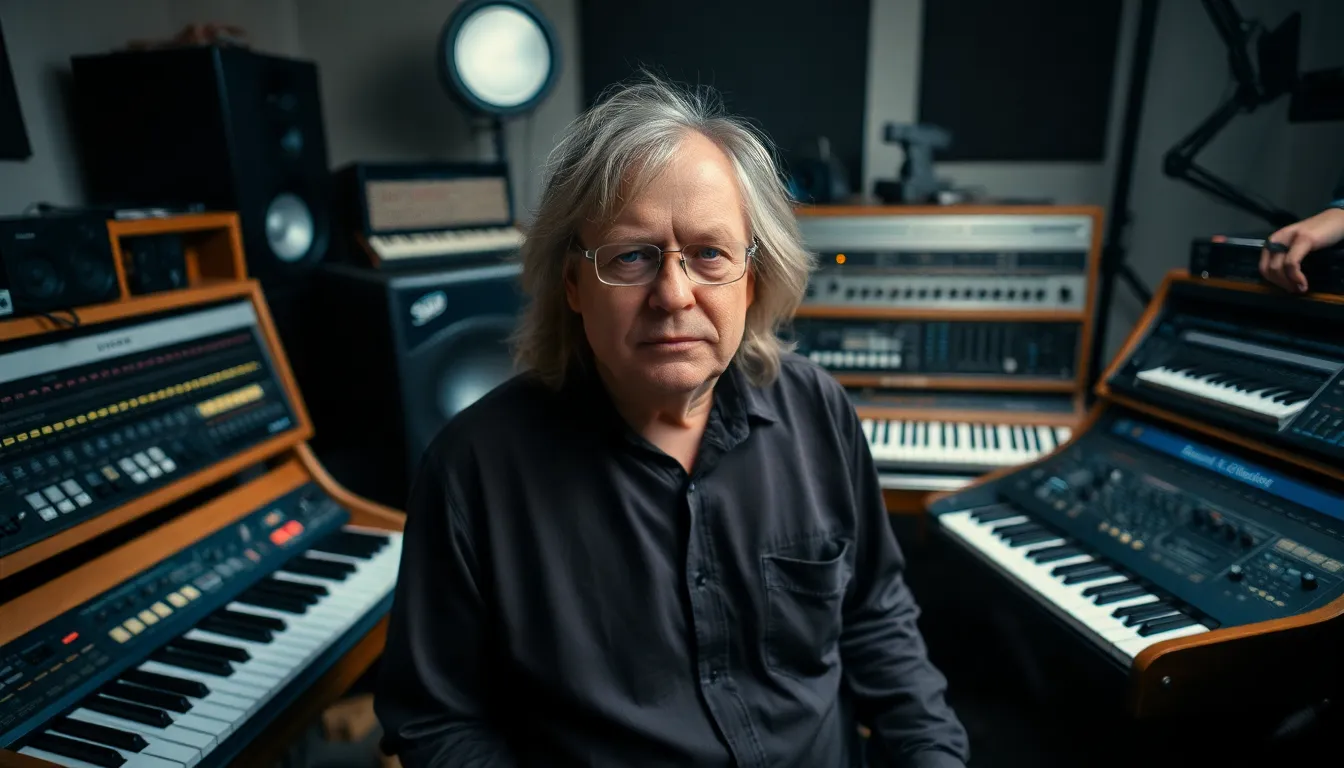
Geoff Downes is an English keyboardist and songwriter best known for his work with The Buggles, Yes and Asia. His career spans four decades of pop, progressive rock and synth‑driven innovation.
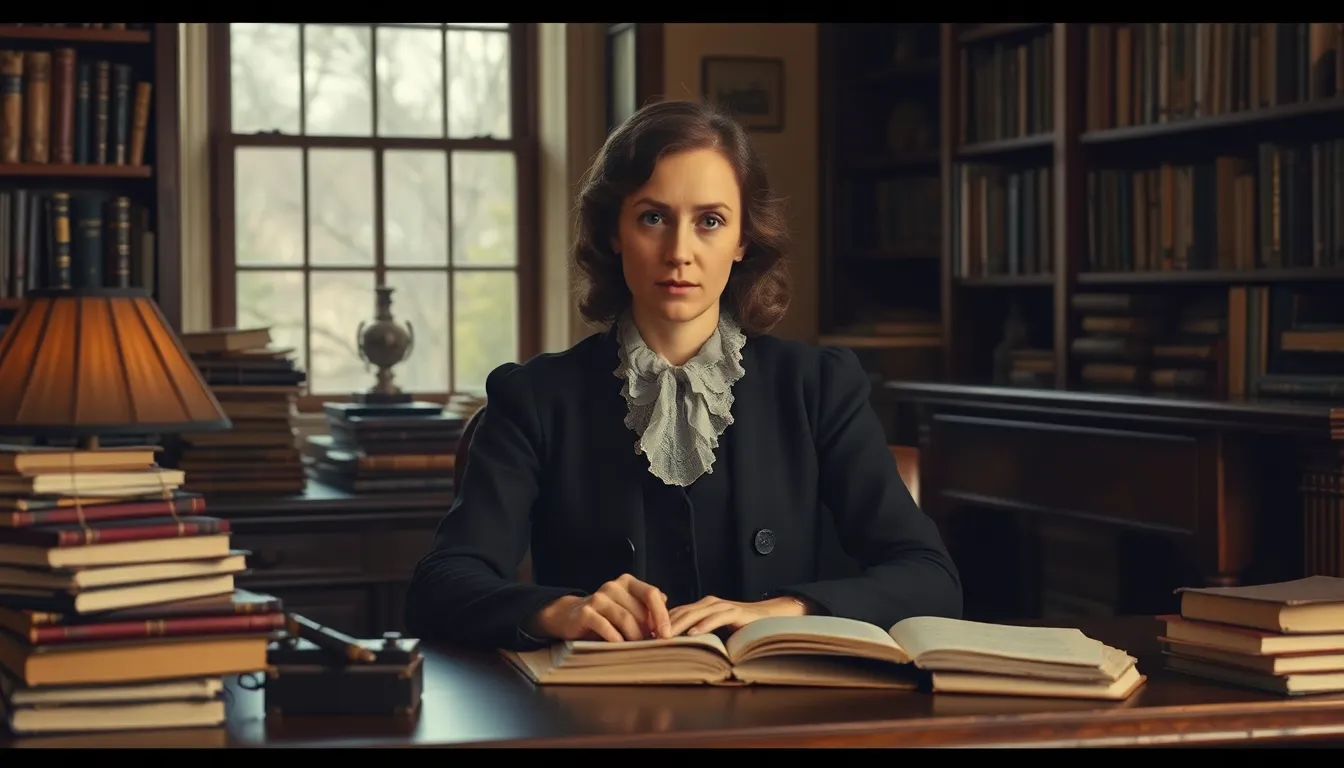
Mary Ann Evans (1819‑1880), known by the pen name George Eliot, was a pioneering English novelist whose works such as *Middlemarch* and *Silas Marner* reshaped realist fiction. Her intellectual rigor, unconventional personal life, and lasting influence make her one of the Victorian era’s most studied literary figures.
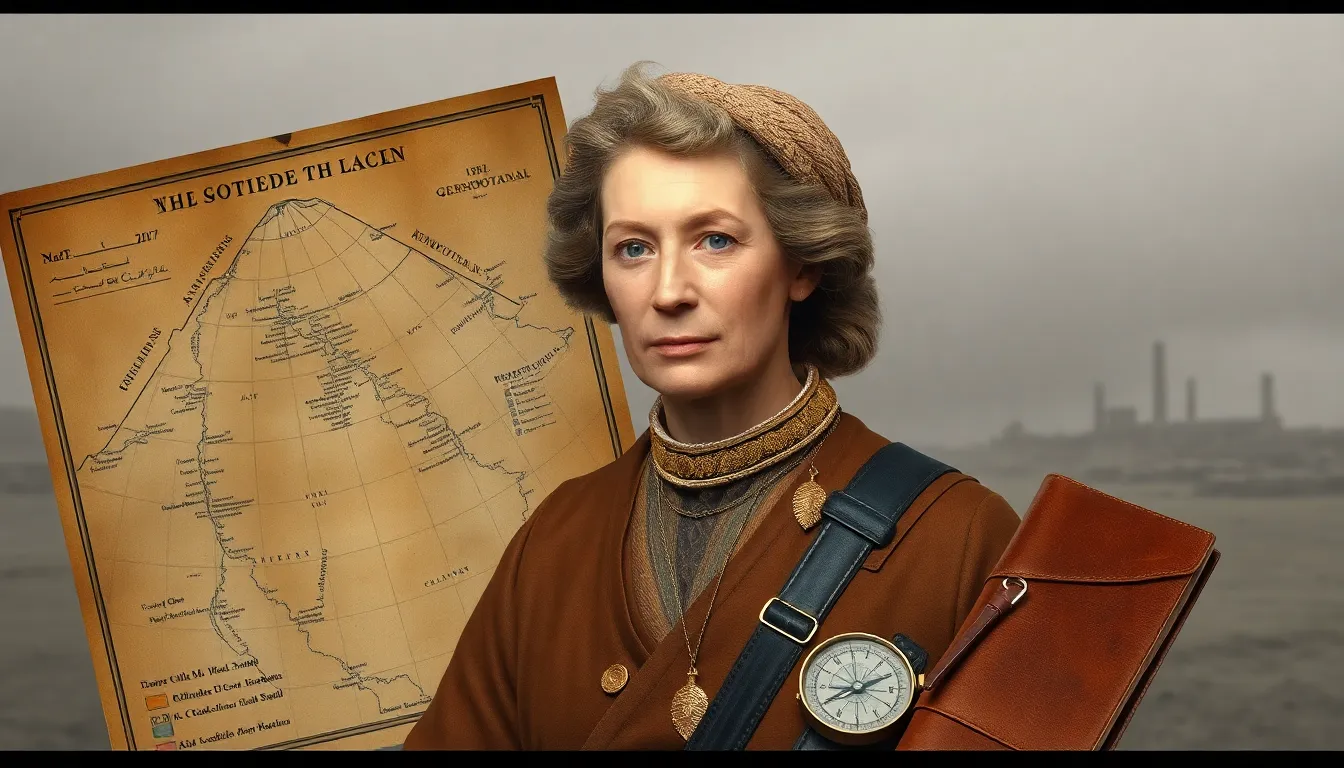
Gertrude Bell (1868–1926) was a British archaeologist, diplomat, and explorer whose work in the Middle East shaped Western understanding of the region and influenced the formation of modern Iraq.
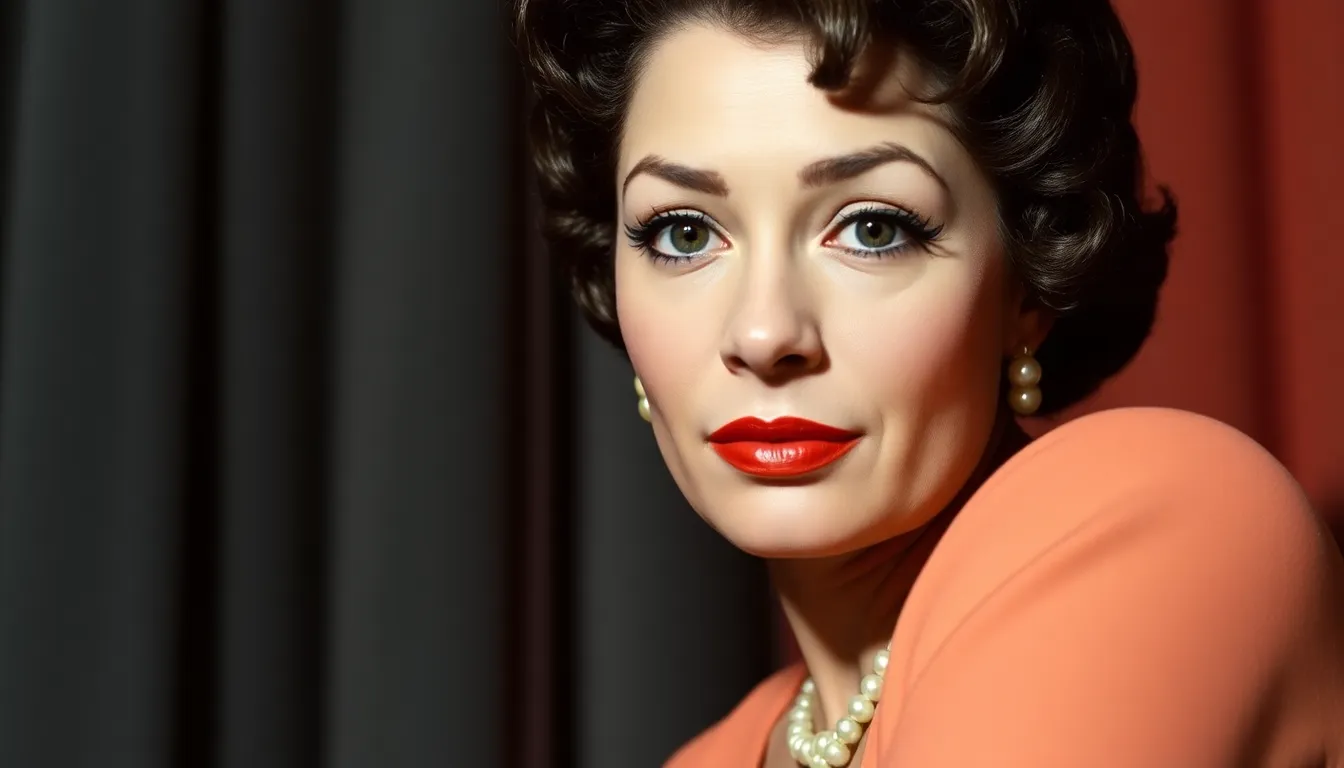
Glynnis Johns is a Welsh actress whose career spans stage, film, and television from the 1940s to the present. Known for her crystalline diction and poise, she earned acclaim in classics such as The Sundowners and The Man Who Haunted Himself, as well as iconic TV episodes of The Avengers.

Harold Wilson served as Prime Minister of the United Kingdom during two separate terms (1964–1970 and 1974–1976). A Labour Party stalwart, his premiership was marked by modernising reforms, economic challenges, and a distinctive approach to party leadership.

Harry Hamer is a British musician and visual artist whose career spans the late‑1990s to the present. Though much of his personal life remains private, his work across music and art has earned a modest cult following.

Hayley Mills is a British actress best known for her work with Walt Disney Studios in the 1960s, starring in classics such as Pollyanna and The Parent Trap. The article outlines her early life, breakthrough roles, major collaborations, acting style, and lasting legacy.
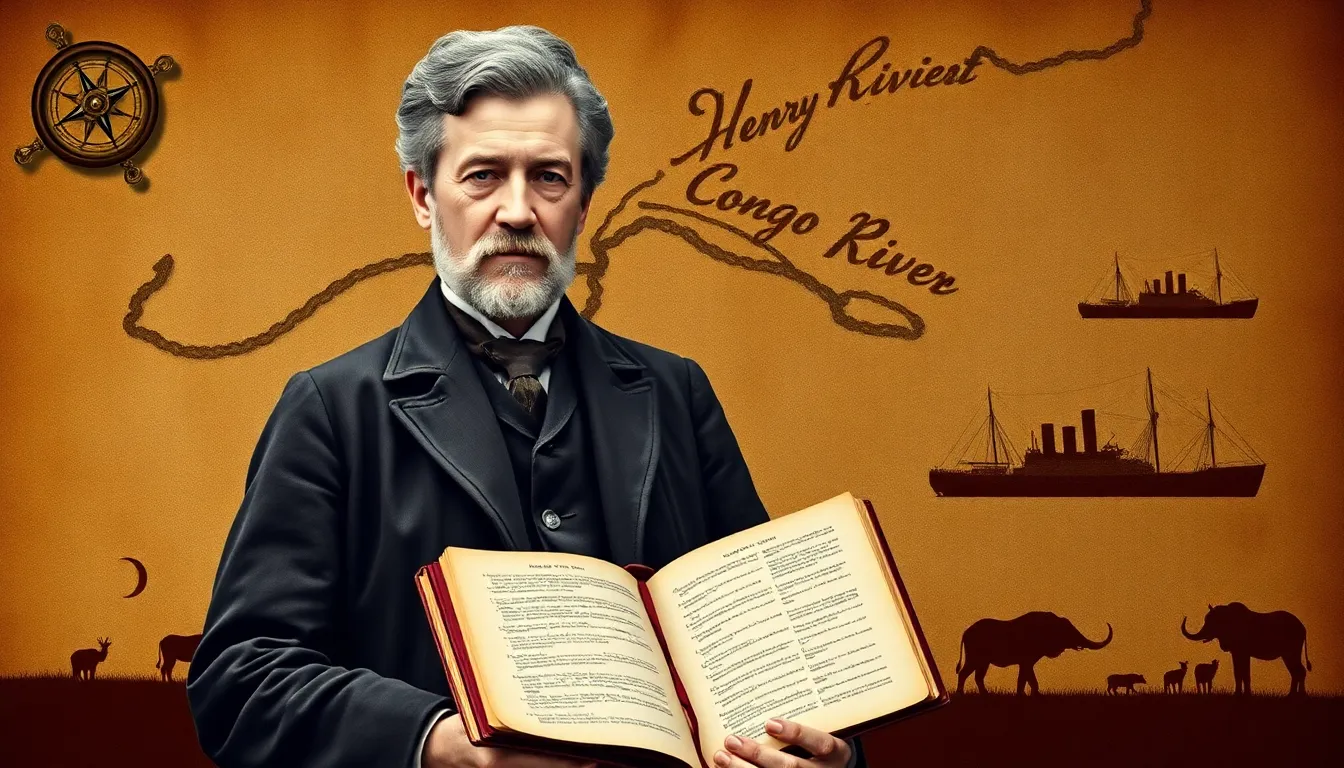
Henry Morton Stanley (1841–1904) was a Welsh-born journalist-turned-explorer whose 1871 expedition to find Dr. David Livingstone made him a household name. His subsequent African journeys mapped large swaths of the Congo Basin and fueled both scientific knowledge and colonial controversy.

Ian Burden is a British bassist best known for his tenure with synth‑pop pioneers The Human League. This biography traces his early life, musical influences, key recordings, collaborations and lasting impact on 1980s popular music.
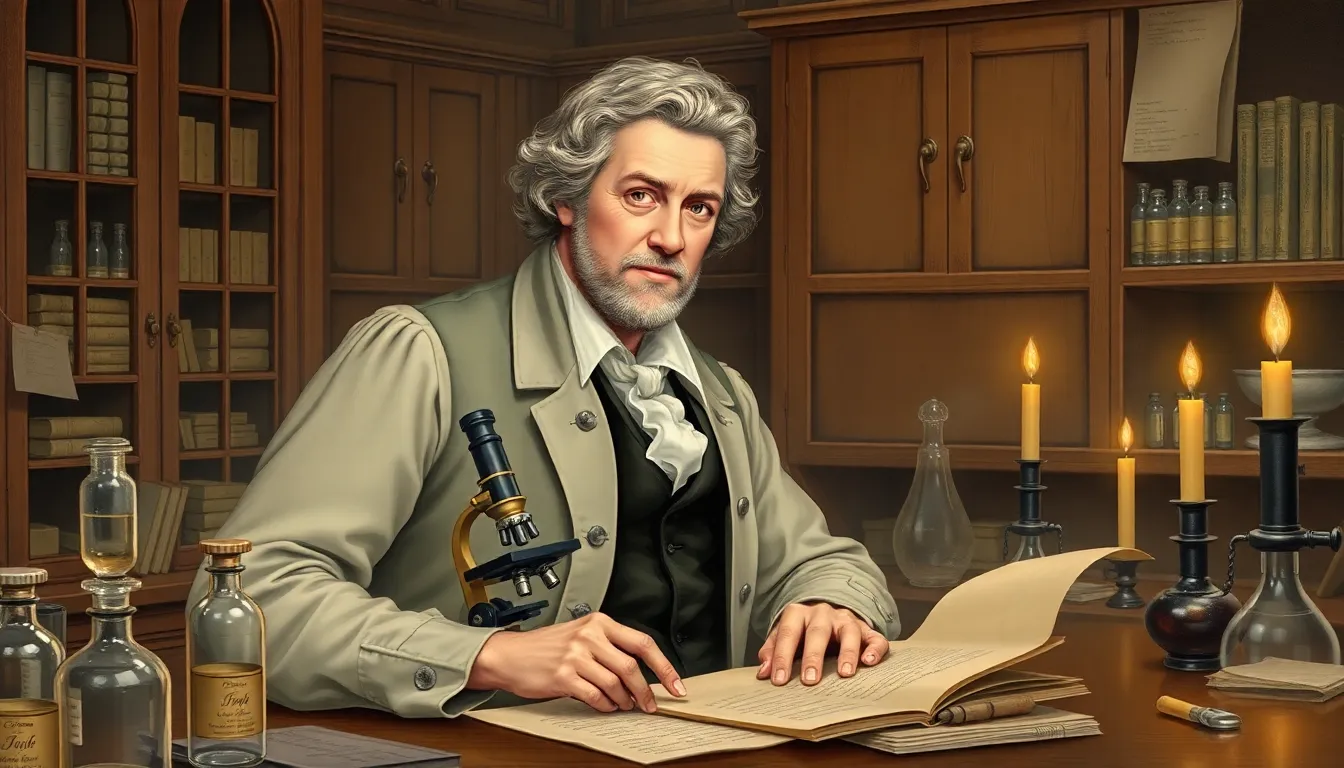
Edward Jenner (1749–1823) was an English physician whose pioneering work on smallpox vaccination laid the foundations of immunology. His method of using cowpox to confer immunity transformed public health and sparked the modern era of preventive medicine.
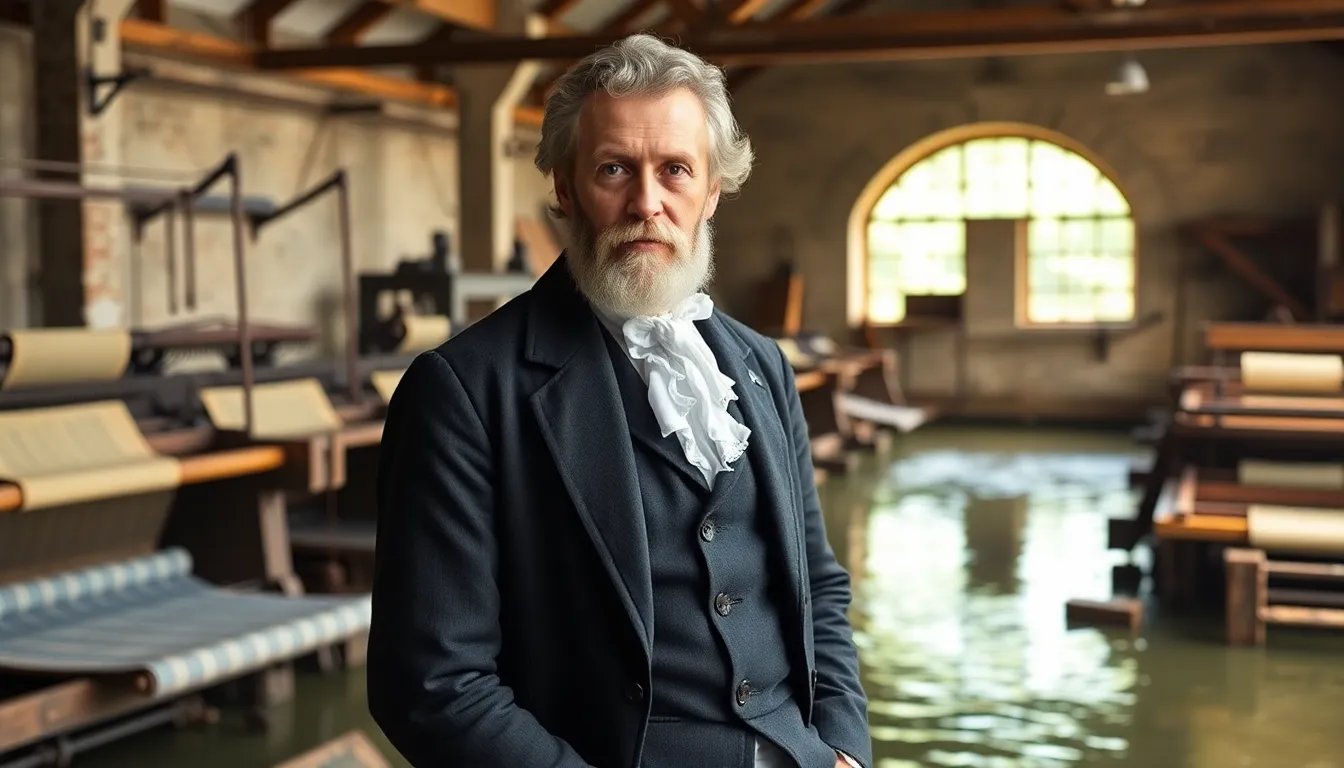
Samuel Slater (1768‑1835) was an English‑born American industrialist who introduced the first successful water‑powered cotton‑spinning factory to the United States, earning him the nickname “Father of the American Industrial Revolution.”

Samuel Slater (1768–1835) was an English‑born industrialist who introduced British textile technology to the United States, earning the nickname “Father of the American Industrial Revolution.” He founded the first successful water‑powered cotton‑spinning mill in America and helped shape early U.S. manufacturing.

John Ronald Reuel Tolkien (1892–1973) was an English philologist, professor, and author whose epic fantasy The Lord of the Rings reshaped twentieth‑century literature. This biography traces his early life, scholarly formation, the long road to publication, and the work’s enduring influence.
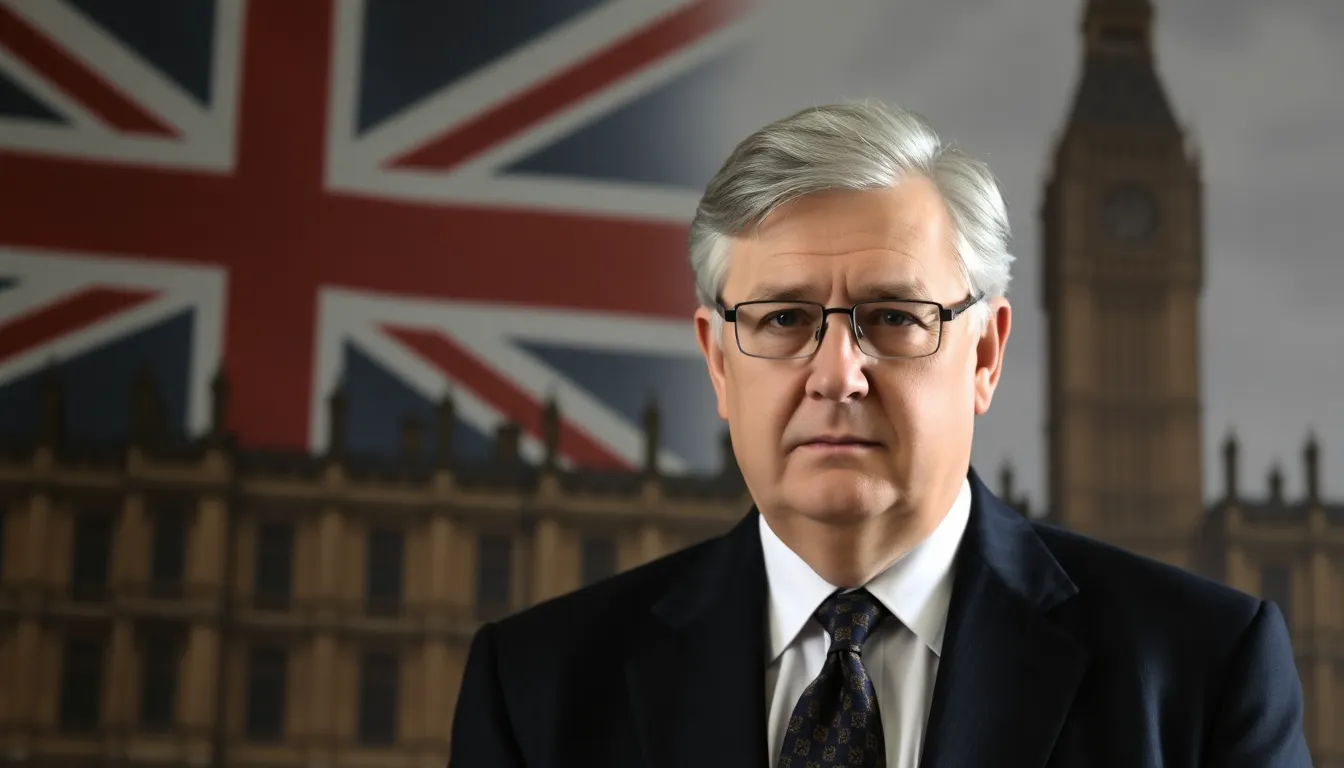
James Callaghan (1912‑2005) served as the United Kingdom’s Prime Minister from 1976 to 1979, navigating economic turbulence and industrial unrest. His long parliamentary career spanned senior roles in the Home Office, Treasury, Defence, and Foreign Affairs.