The Life Story of Denzel Washington: From Glory to Fences
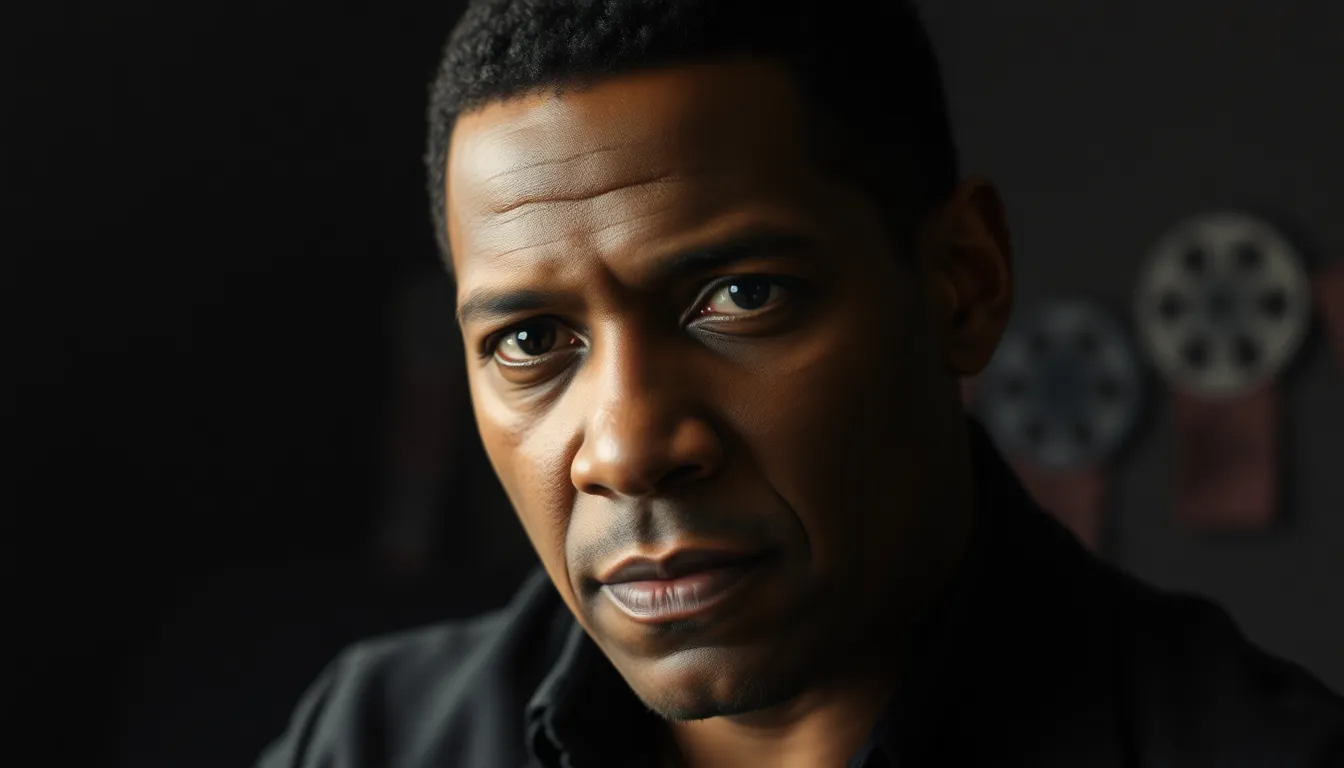
An extensive, neutral biography of Denzel Washington, tracing his early life, breakthrough roles, major collaborations, acting style, awards, and lasting impact on cinema.
More Biography, More Stories Behind Every Name
An extensive, neutral biography of Denzel Washington, tracing his early life, breakthrough roles, major collaborations, acting style, awards, and lasting impact on cinema.

Derek Jeter, born in 1974, rose from a Midwestern upbringing to become the longtime captain of the New York Yankees. Over a 20‑year MLB career he earned 14 All‑Star nods, five World Series rings, and a reputation for clutch performance and quiet leadership.
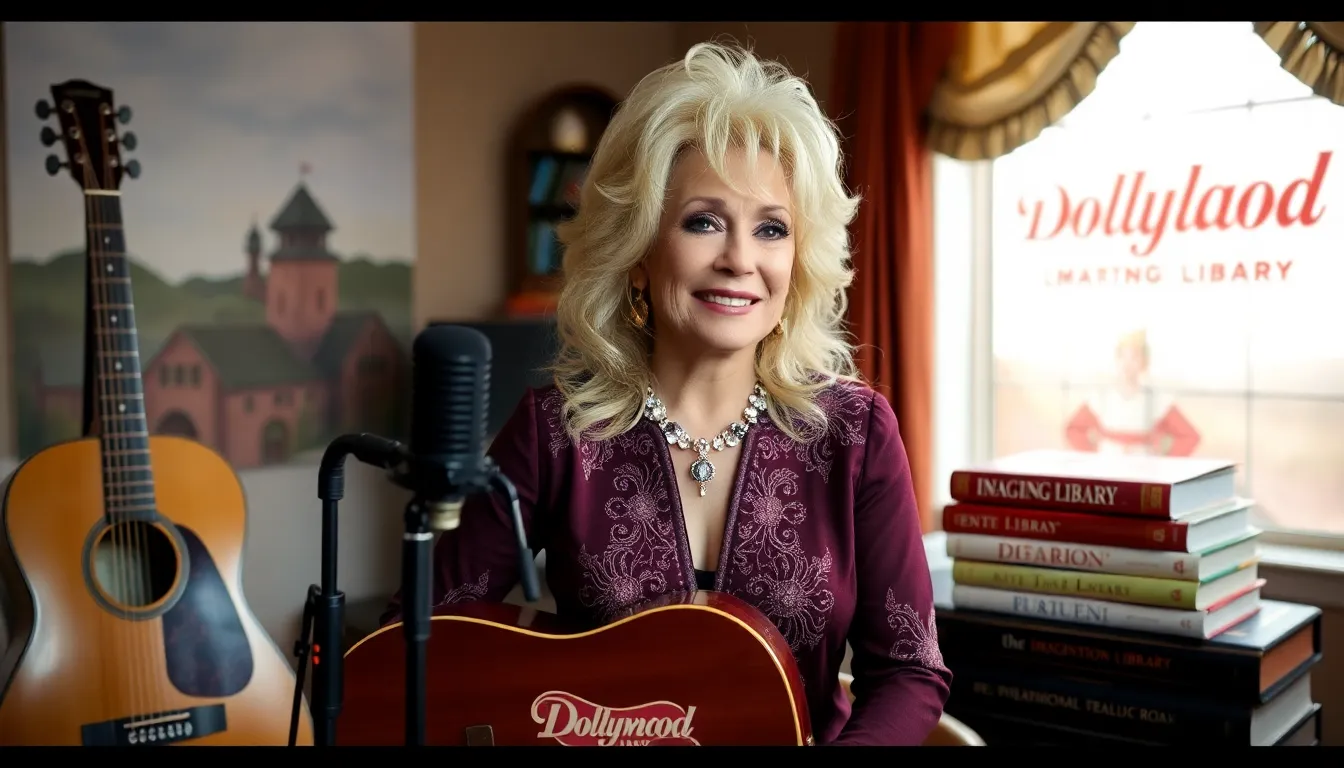
Dolly Parton rose from a modest Appalachian upbringing to become a global country music icon and dedicated philanthropist, renowned for her prolific songwriting, distinctive voice, and charitable initiatives.

Don DeLillo, a leading figure of contemporary American literature, achieved critical acclaim with novels such as White Noise and Underworld, exploring media saturation, technology, and the undercurrents of modern life.

Douglas MacArthur (1880‑1964) was a senior United States Army officer who commanded Allied forces in the Pacific during World War II. His career spanned five decades, encompassing the Philippine‑American War, World War I, and the Korean War, and he remains a controversial figure in military history.

Edward Kennedy “Duke” Ellington (1899–1974) was a pioneering American composer, pianist, and bandleader whose sophisticated orchestral jazz reshaped the genre. His career spanned over five decades, producing a legacy of innovative compositions, enduring standards, and cultural influence.

Dustin Hoffman, an American actor celebrated for his transformative performances, forged a career that redefined modern screen acting. From humble New York beginnings to a catalogue of iconic roles, his method-driven craft left an indelible mark on cinema.

Elizabeth Blackwell (1821‑1910) became the first woman to earn a medical degree in the United States, confronting pervasive gender bias while laying foundations for women in medicine.
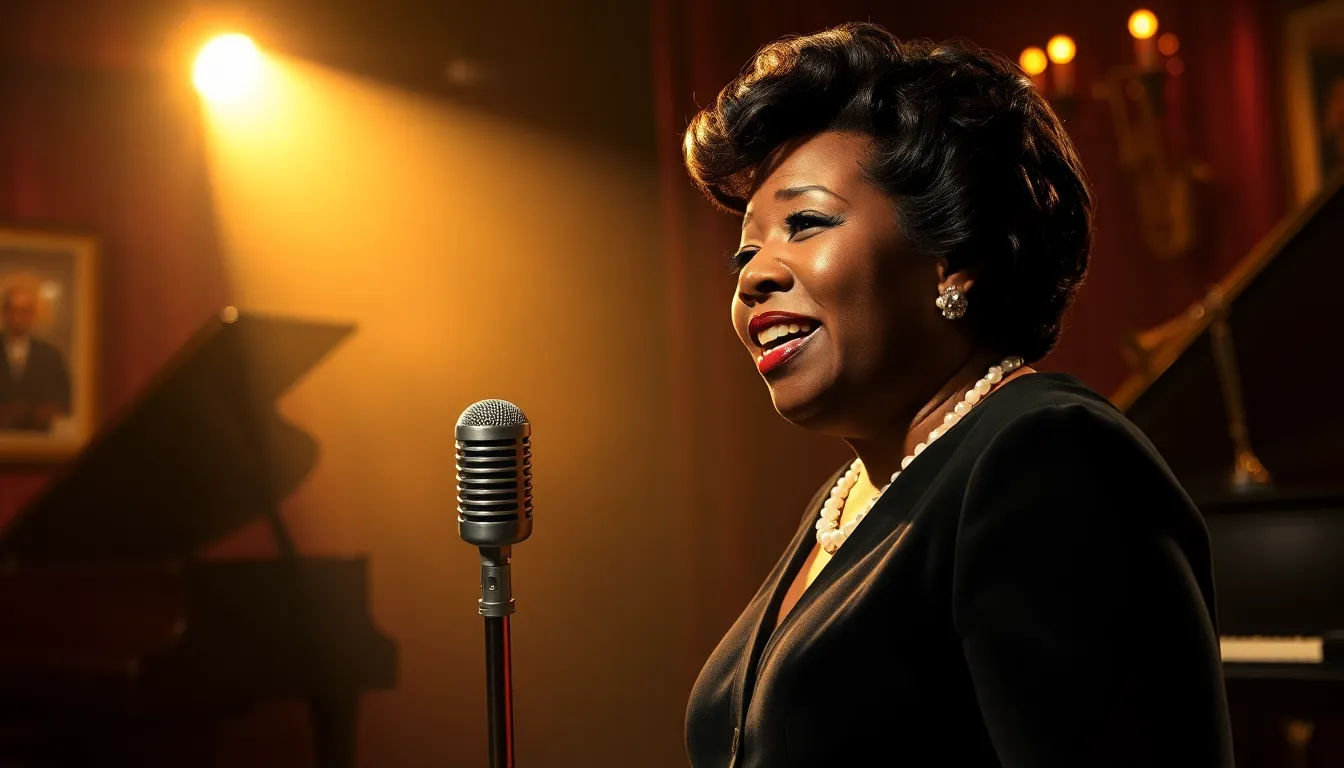
Ella Fitzgerald (1917–1996) rose from humble beginnings in Virginia to become the most celebrated jazz vocalist of the 20th century, renowned for her flawless diction, improvisational skill, and timeless recordings.

Emily Dickinson (1830–1886) was an American poet whose reclusive life in Amherst, Massachusetts, produced a body of work that reshaped modern poetry. Though only a handful of poems were published during her lifetime, her posthumous influence has been profound.
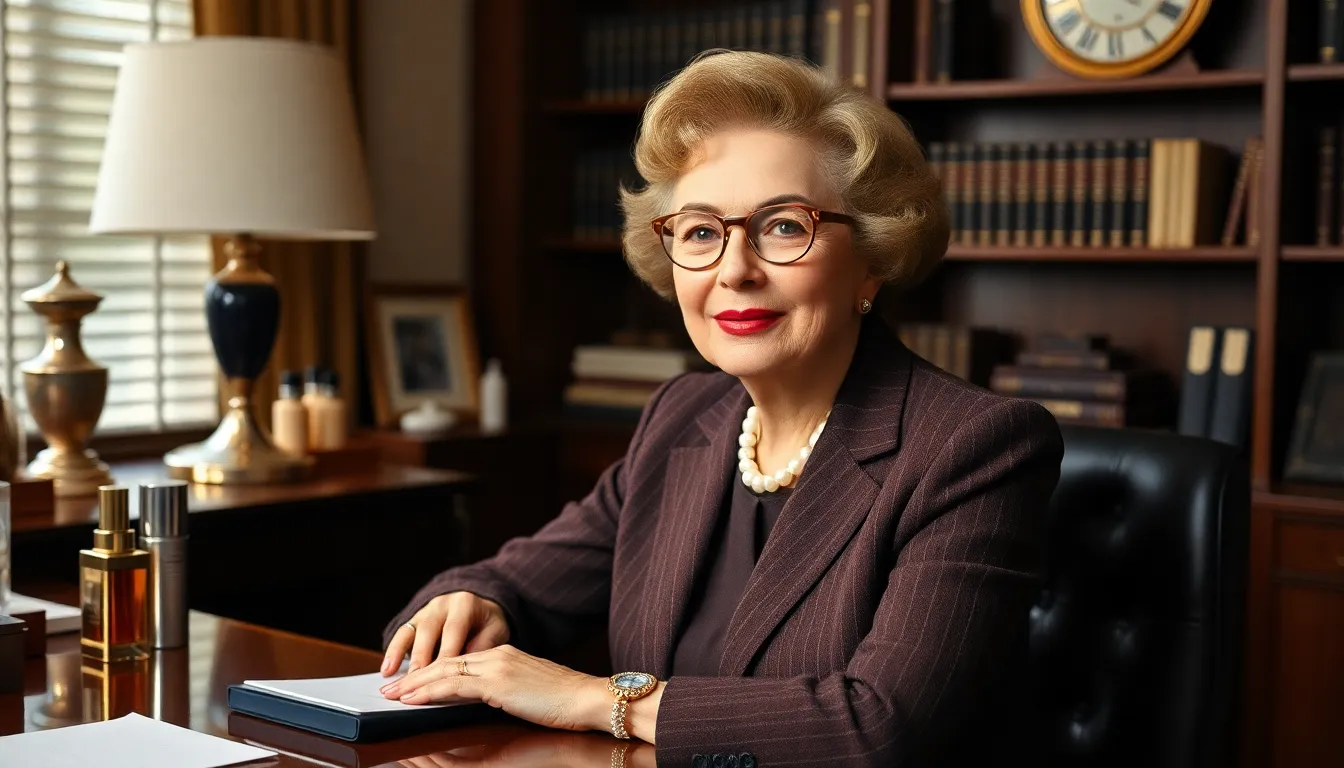
Estée Lauder (1906–2004) transformed a modest family kitchen operation into a global cosmetics empire, pioneering modern beauty marketing and branding. Her entrepreneurial journey spanned five decades of product innovation, strategic acquisitions, and philanthropy.

Francis Scott Key Fitzgerald (1896–1940) was an American novelist and short‑story writer whose work captured the spirit of the Jazz Age. Best known for The Great Gatsby, his life and prose continue to shape modern literary studies.
Gloria Steinem (born 1934) is an American journalist, activist, and leader of the modern feminist movement. Over six decades she co‑founded pivotal organizations, shaped public policy debates, and remains a prominent voice for gender equality.

Harry S. Truman rose from modest beginnings in rural Missouri to become the 33rd President of the United States, guiding the nation through the final months of World War II and the early Cold War. His decisive leadership, plain‑spoken style, and controversial decisions left a lasting imprint on American and world history.

Howard Hughes (1905‑1976) was a pioneering aviator, prolific industrialist, and one of the most enigmatic figures in 20th‑century American business. His ventures spanned film, aviation, telecommunications, and real estate, leaving a complex legacy of innovation, wealth, and controversy.
James Brown (1933–2006) was an American singer, songwriter, bandleader, and dancer whose relentless energy and rhythmic innovation earned him the title “Godfather of Soul.” His career spanned five decades, reshaping popular music and influencing countless artists.

James Cameron, the Canadian filmmaker behind blockbusters such as Titanic and Avatar, has reshaped modern cinema through groundbreaking technology and epic storytelling.

James Madison (1751–1836) was a Founding Father, chief architect of the U.S. Constitution, and fourth President of the United States. His political career spanned the Revolutionary era, the formation of the republic, and the early Republic’s most turbulent challenges.

Shawn Carter, known as Jay‑Z, rose from the Marcy projects in Brooklyn to become one of the most influential rappers and business magnates of the Digital Age, shaping hip‑hop culture and global entrepreneurship.
Jean-Michel Basquiat rose from the streets of New York as a graffiti pioneer to become a global icon of contemporary art, known for his raw visual language and cultural critique.

Jennifer Lawrence rose from a modest Kentucky upbringing to become one of Hollywood’s most acclaimed actresses, known for her roles in The Hunger Games, Silver Linings Playbook and numerous award‑winning projects.

Jim Carrey, a Canadian‑born comedian and actor, rose from stand‑up clubs to global stardom with iconic roles that reshaped late‑1990s comedy and continue to influence pop culture.

Jimi Hendrix (1942–1970) was an American guitarist, singer and songwriter whose innovative style redefined electric guitar music. His brief but groundbreaking career left an enduring influence on rock, blues, and popular culture.
Joe Montana, a four‑time Super Bowl champion and Hall of Fame quarterback, became known as “The Comeback Kid” for his poise under pressure and late‑game heroics that defined a generation of NFL play.
An encyclopedic biography of John Steinbeck, focusing on his early life, literary development, and the creation and impact of his landmark novel The Grapes of Wrath.

Katharine Hepburn (1907–2003) was an American actress whose career spanned over six decades. Renowned for her fierce independence, she won a record four Academy Awards for Best Actress and remains a defining figure of Hollywood’s golden age.

Larry Bird rose from a modest upbringing in French Lick, Indiana, to become one of basketball’s greatest players, shaping the NBA’s modern era through his skill, rivalry with Magic Johnson, and lasting influence.

LeBron James, born in Akron, Ohio, rose from a challenging youth to become one of basketball’s most celebrated figures. His career spans high school stardom, four NBA championships, and a broad cultural impact beyond the court.

Margaret Hamilton (born August 17 1936) was an American computer scientist who led the development of onboard flight software for NASA’s Apollo missions, pioneering many concepts of modern software engineering.

Samuel Langhorne Clemens, known as Mark Twain, emerged from a modest Missouri childhood to become a defining voice of 19th‑century American literature. His novels *The Adventures of Tom Sawyer* and *Adventures of Huckleberry Finn* cemented his reputation for humor, social critique, and masterful regional storytelling.

Martha Stewart transformed domestic arts into a global media empire, influencing home décor, cooking, and entrepreneurship. Her career spans publishing, television, retail, and a high‑profile legal battle, shaping modern lifestyle branding.

Martin Scorsese is one of the most influential American directors, known for his vivid storytelling, iconic collaborations, and an oeuvre that spans over five decades. From his gritty New York‑based beginnings to his recent forays into streaming, Scorsese has reshaped modern cinema.

Maurice Sendak (1928–2012) was an American illustrator and writer whose groundbreaking picture books, especially *Where the Wild Things Are*, reshaped children’s literature with their psychological depth and artistic daring.

Michael Jackson (1958–2009) rose from a family act in Gary, Indiana, to become the most widely recognized entertainer of the 20th century. His innovations in music, dance, and visual media reshaped popular culture worldwide.

Muhammad Ali (born Cassius Clay) emerged from Louisville’s streets to dominate heavyweight boxing, becoming a cultural icon whose influence extended beyond sport.

Peyton Manning, a five‑time NFL MVP and two‑time Super Bowl champion, is celebrated for his cerebral approach to quarterbacking and his lasting impact on American football.

Rachael Ray is an American television personality, author, and entrepreneur who rose to fame with her accessible cooking style and the self-titled daytime talk show that aired on the Food Network. Known for her energetic persona and trademark “30‑Minute Meals,” she has built a multimedia brand spanning books, magazines, and product lines.

Reza Pahlavi, Crown Prince of Iran, is a prominent member of the former Pahlavi dynasty and an active opposition figure living in exile. He has pursued education in the United States, founded political organizations, and advocated for democratic reforms in Iran.

Richard Phillips Feynman (1918–1988) was an American theoretical physicist whose work reshaped quantum electrodynamics, introduced novel pedagogical methods, and left a lasting imprint on both science and popular culture.
Richard Nixon, the 37th President of the United States, rose from modest beginnings to the nation’s highest office, only to resign amid the Watergate scandal. This biography traces his early life, political ascent, presidency, and the events that led to his historic resignation.

Robyn Rihanna Fenty rose from a modest upbringing in Saint Michael, Barbados, to become a global music icon and billionaire businesswoman. Her career spans chart‑topping albums, high‑profile collaborations, and influential ventures in fashion and beauty.

Rita Hayworth (1918–1987) rose from a multilingual child of immigrant performers to become one of Hollywood’s most iconic stars, celebrated for her beauty, talent, and lasting influence on cinema.
Romare Bearden (1915–1988) was an American artist celebrated for his vibrant collages that fused African‑American cultural memory with modernist abstraction, often evoking the rhythms of jazz.
Rosa Parks (1913–2005) was an African‑American civil‑rights activist whose refusal to surrender her seat on a Montgomery bus sparked a citywide boycott and propelled the movement into national prominence.
Roy Lichtenstein (1923–1997) was an American painter who became a leading figure of the Pop Art movement, famous for his comic‑book style canvases that merged fine art with mass‑media imagery.

Septima Poinsette Clark (1908–1987) was a pivotal but often overlooked educator and activist whose Citizenship Schools helped thousands of African Americans gain literacy and voting rights during the Civil Rights Era.

Stephen Curry transformed basketball with his unprecedented shooting range, leading the Golden Warriors to multiple championships while redefining the three‑point shot.

Steve Martin is an American comedian, actor, writer, and musician whose career spans stand‑up, film, television, literature, and music. Emerging from the 1970s comedy club circuit, he became a cultural icon through groundbreaking performances and a uniquely absurdist style.