Explore Biographies of Military & War Heroes and uncover courage, sacrifice, strategy, and lasting legacies from wartime history.
Explore Biographies of Military & War Heroes
Understanding Courage Beyond the Battlefield
Biographies of military and war heroes reveal more than combat achievements. They explore courage under impossible conditions, discipline under pressure, and the human capacity to act decisively when fear is omnipresent. A battle may last hours. A campaign may last months. Yet the formation of a military hero often begins years earlier, in childhood, training, hardship, conviction, and the gradual shaping of character.
War hero biographies help readers understand what happens when ordinary human beings are placed in extraordinary circumstances. Some become known for tactical brilliance. Others are remembered for rescuing comrades, defending civilians, resisting occupation, leading troops through chaos, or enduring captivity with uncommon fortitude.
These stories are not merely about weapons, uniforms, or victories. They are about judgment, loyalty, sacrifice, and consequence. They show how history is shaped not only by generals and governments, but also by individuals forced to make grave decisions in moments of danger.
War Heroes as Symbols of Duty, Sacrifice, and Memory
Military heroes often become symbols larger than themselves. Their names may be attached to monuments, medals, streets, schools, ships, military bases, and national commemorations. Their stories can represent patriotism, resistance, service, liberation, or survival.
Yet symbolism should not erase humanity. A war hero is not a marble statue without doubt or pain. Behind every public honor is a person who may have experienced fear, loss, exhaustion, grief, and moral conflict. The strongest biographies preserve this complexity. They honor courage while acknowledging the cost of war.
Such biographies also function as vessels of memory. They help later generations understand why certain battles mattered, why sacrifices were made, and how individuals responded when history became perilous and immediate.
Early Life and the Making of a Soldier
Childhood, Family Background, and Formative Values
Many military biographies begin far from the battlefield. A future commander, resistance fighter, medic, pilot, sailor, infantry soldier, or national hero may first be shaped by family values, community expectations, economic hardship, education, faith, or political unrest.
Some war heroes grow up in military families where discipline and service are familiar ideals. Others come from rural villages, working-class neighborhoods, aristocratic households, frontier settlements, occupied territories, or colonized societies. Their early environments can influence their sense of duty, justice, belonging, and resilience.
Childhood may also expose future heroes to instability. Poverty, invasion, discrimination, civil conflict, or national crisis can create a profound awareness of vulnerability. For some, military service becomes a path to opportunity. For others, it becomes a moral response to danger.
The early life section of a military biography matters because it shows that heroism does not emerge in isolation. It is often formed through quiet lessons long before history calls.
Education, Training, Discipline, and Military Preparation
Military excellence requires preparation. Bravery alone is not enough. Soldiers, officers, pilots, sailors, commanders, and medics must learn tactics, endurance, navigation, communication, logistics, weapons handling, field medicine, engineering, survival methods, and the chain of command.
Training transforms instinct into capability. It teaches individuals to act under stress, follow orders, protect others, and function as part of a disciplined unit. In elite military environments, preparation can be severe. Physical strain, mental pressure, repetition, and austere routines create the habits needed for crisis.
Education may also shape military leadership. Some figures study at military academies. Others learn through battlefield experience, guerrilla resistance, naval service, intelligence operations, or revolutionary struggle. Different paths can produce different kinds of heroes.
The making of a soldier is both technical and ethical. A military figure must understand not only how to fight, but when restraint, judgment, and responsibility are required.
Defining Battles, Campaigns, and Acts of Valor
Moments of Crisis and Battlefield Leadership
Every military hero biography contains a defining moment. It may be a decisive battle, a rescue mission, a defensive stand, an evacuation, a covert operation, a prison escape, or an act of self-sacrifice under fire. These moments become central because they reveal character under maximum pressure.
Battlefield leadership is rarely calm or orderly. Smoke, noise, confusion, injury, fear, and incomplete information can overwhelm even trained soldiers. In such conditions, leadership becomes an act of clarity. A commander must decide where to move, when to hold, when to retreat, and how to preserve lives while pursuing the mission.
Some heroes are remembered for grand strategy. Others are remembered for intimate bravery: carrying wounded comrades, staying behind to protect civilians, refusing to abandon a post, or continuing to serve despite injury. These acts may not always change the outcome of a war, but they can transform the lives of those who survive because of them.
Heroism often happens in seconds. Its meaning can last for centuries.
Strategy, Sacrifice, Survival, and Moral Pressure
War is not only a contest of force. It is also a contest of judgment. Military heroes may face strategic dilemmas where every option carries risk. A wrong decision can cost lives. A delayed decision can be equally disastrous.
Sacrifice is a recurring theme. Some figures sacrifice comfort, safety, family life, youth, reputation, or health. Others make the ultimate sacrifice. Many survive physically but carry invisible wounds long after the war ends.
Survival itself can become heroic. Prisoners of war, resistance fighters, medics, refugees turned soldiers, and civilians who join liberation movements may endure deprivation, interrogation, disease, hunger, and isolation. Their courage is not always dramatic. Sometimes it is the stubborn refusal to surrender dignity.
Moral pressure adds another layer. War can blur certainty. Orders, loyalty, fear, propaganda, civilian danger, and national duty can create ethical torment. A thoughtful military biography does not ignore this. It examines the person’s choices within the harsh conditions of their era.
Character, Leadership, and Human Complexity
Courage, Loyalty, Resilience, and Command
Military heroes are often associated with courage, but courage has many forms. Physical courage involves facing danger. Moral courage involves telling the truth, resisting cruelty, protecting the vulnerable, or refusing dishonorable conduct even when obedience would be easier.
Loyalty is also central. Soldiers depend on trust. A unit survives through mutual reliance, discipline, and shared burden. Many war heroes are remembered not because they sought glory, but because they refused to abandon others.
Resilience is equally important. Campaigns can be long, cold, hungry, and demoralizing. Defeat may come before victory. Reinforcements may not arrive. Supplies may fail. Letters from home may stop. Under such conditions, resilience becomes a form of command.
Leadership is not merely rank. A person without high title can still inspire others through steadiness, competence, and example. In war biographies, authority often comes from conduct.
The Psychological Burden of War
No honest biography of military and war heroes should treat combat as effortless glory. War leaves marks. Veterans may carry grief, trauma, survivor’s guilt, physical disability, insomnia, memory fragments, or emotional estrangement from civilian life.
The psychological burden of war can continue for decades. Some heroes return to public honor but private anguish. Others become advocates for peace, veterans’ welfare, historical memory, or reconciliation. A few withdraw from public life entirely.
This complexity does not diminish heroism. It deepens it. The willingness to serve under dangerous conditions does not make a person immune to suffering. In fact, the aftermath often reveals another kind of courage: the struggle to live with memory.
Military biographies are strongest when they show the whole person, not only the decorated figure. A medal may represent valor. It cannot contain the entire human cost.
Recognition, Legacy, and Historical Impact
Medals, Honors, Memorials, and Public Remembrance
War heroes are often recognized through medals, citations, military honors, state ceremonies, memorials, monuments, and national days of remembrance. These symbols help societies express gratitude, grief, and respect.
Medals can signify extraordinary action, but they also compress complex stories into brief official language. A citation may mention bravery in a few lines, while the real event involved fear, blood, confusion, and irreversible consequences. Biography expands what formal recognition cannot fully capture.
Memorials also play an important role. They preserve public memory and remind later generations of sacrifice. However, remembrance should be thoughtful rather than ornamental. It should encourage understanding, not empty ritual.
The way a nation remembers its military heroes often reveals how it understands its own history.
Influence on Nations, Military History, and Future Generations
Some military figures change the direction of wars. Others shape national identity. A commander may introduce new strategy. A resistance leader may inspire liberation. A medic may redefine battlefield care. A decorated soldier may become a symbol of courage for future recruits.
Their influence can extend beyond military history. War heroes may enter politics, write memoirs, support humanitarian causes, advise governments, teach strategy, or advocate for peace. Their lives may influence literature, cinema, education, and public memory.
Future generations study these biographies not only to learn what happened, but to understand how people behave under pressure. Their stories provide examples of resolve, prudence, sacrifice, and sometimes warning.
Legacy is not always simple. Some figures once celebrated may later be reassessed. Historical context, new evidence, and changing moral perspectives can alter public interpretation. Serious biography allows this complexity.
Why These Biographies Still Matter Today
Lessons in Service, Responsibility, and Endurance
Military and war hero biographies continue to matter because they teach enduring lessons. They show that service often requires discipline before recognition. They show that responsibility may demand personal risk. They show that endurance is not glamorous, but essential.
These stories also help readers understand leadership in extreme conditions. A battlefield is not a boardroom, yet the principles of clarity, courage, preparation, accountability, and care for others remain relevant beyond war.
The lives of military heroes can inspire reflection on civic duty, moral responsibility, and the fragility of peace. They remind readers that freedom, stability, and national survival have often depended on people willing to act in dangerous circumstances.
Preserving Memory Without Glorifying War
The purpose of exploring war hero biographies should not be to romanticize violence. War is destructive. It breaks families, cities, bodies, economies, and generations. To honor courage is not to celebrate suffering.
A responsible biography can recognize bravery while remaining sober about war’s devastation. It can praise sacrifice without turning conflict into spectacle. It can preserve memory without encouraging militaristic mythology.
Military and war heroes deserve to be studied because their lives illuminate the most intense conditions of human decision-making. They reveal courage, fear, loyalty, trauma, sacrifice, and endurance. They show what people can become when history demands more than ordinary life usually asks.
To explore these biographies is to remember that heroism is not only found in victory. Sometimes it is found in protection, restraint, survival, service, and the difficult effort to carry memory forward.
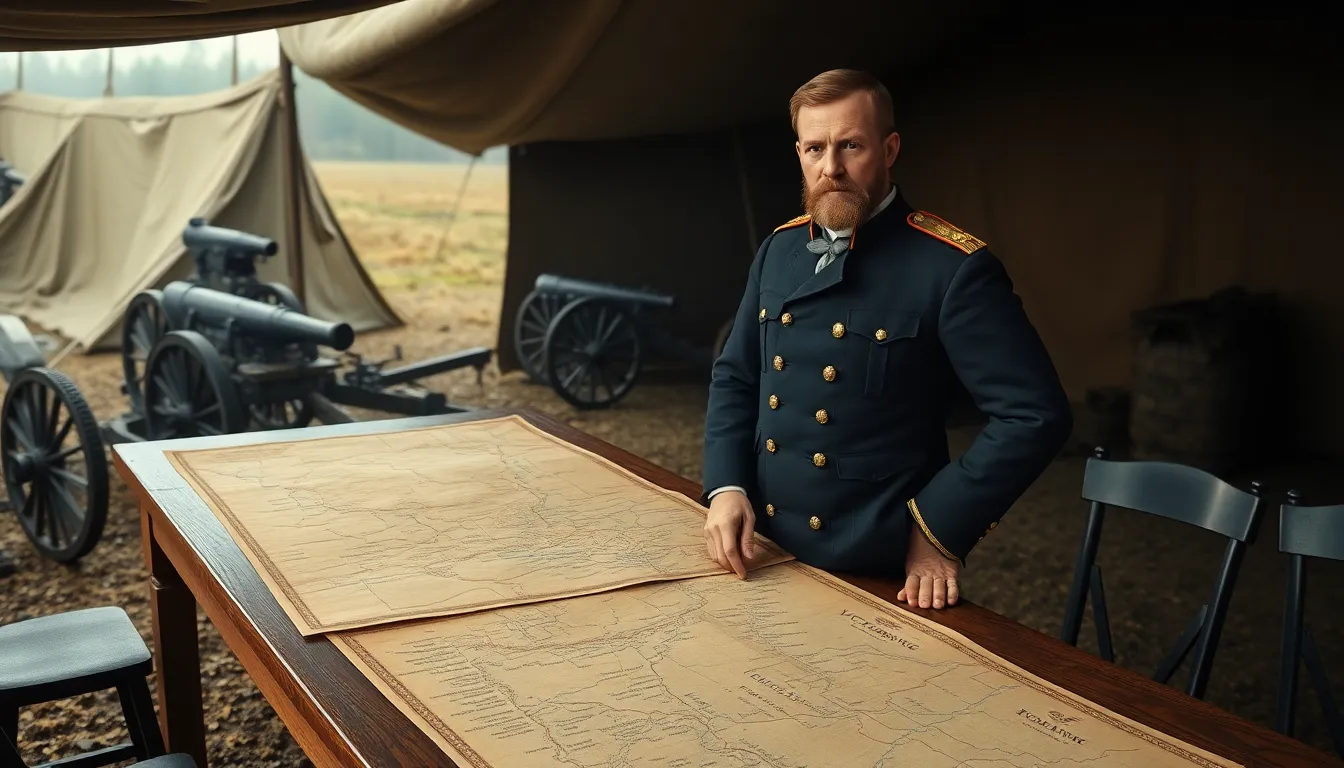
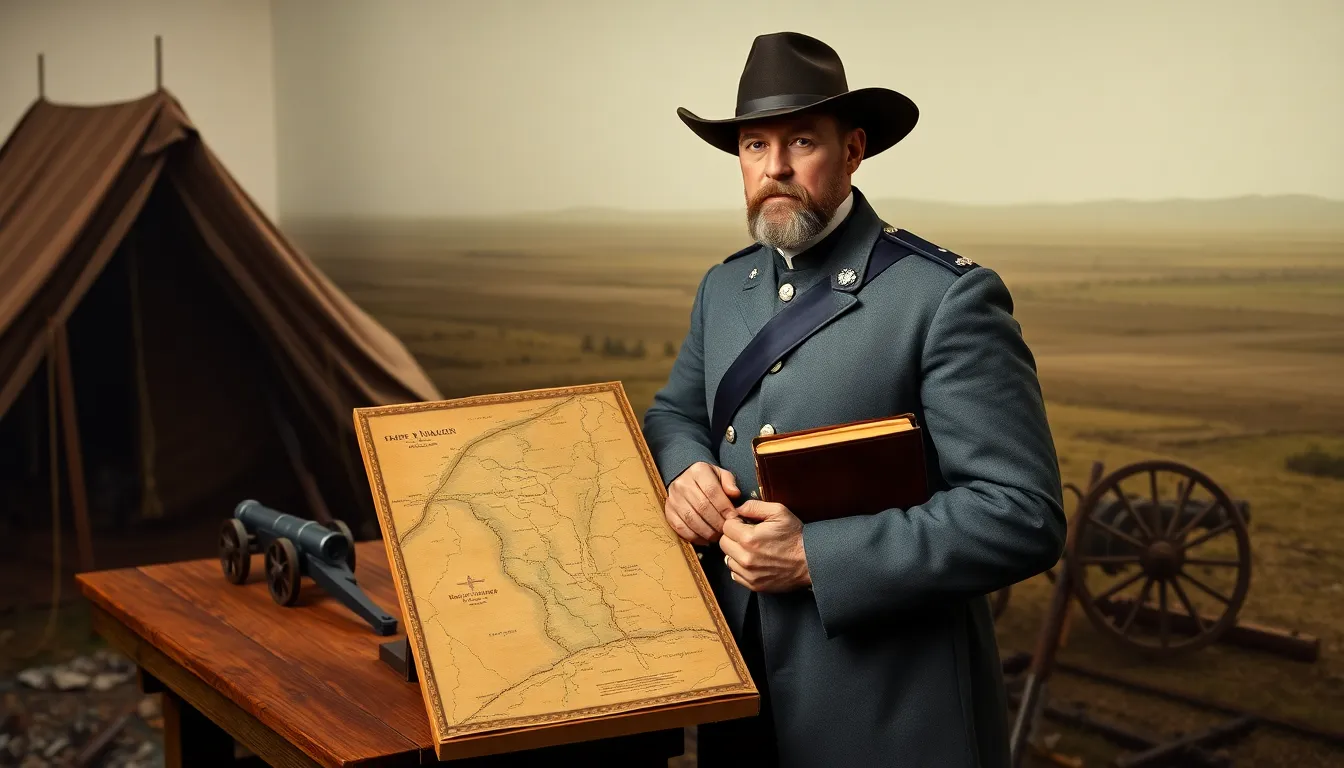
Ulysses S. Grant rose from modest frontier beginnings to become the Union’s most effective commander in the American Civil War, later serving two terms as President of the United States.
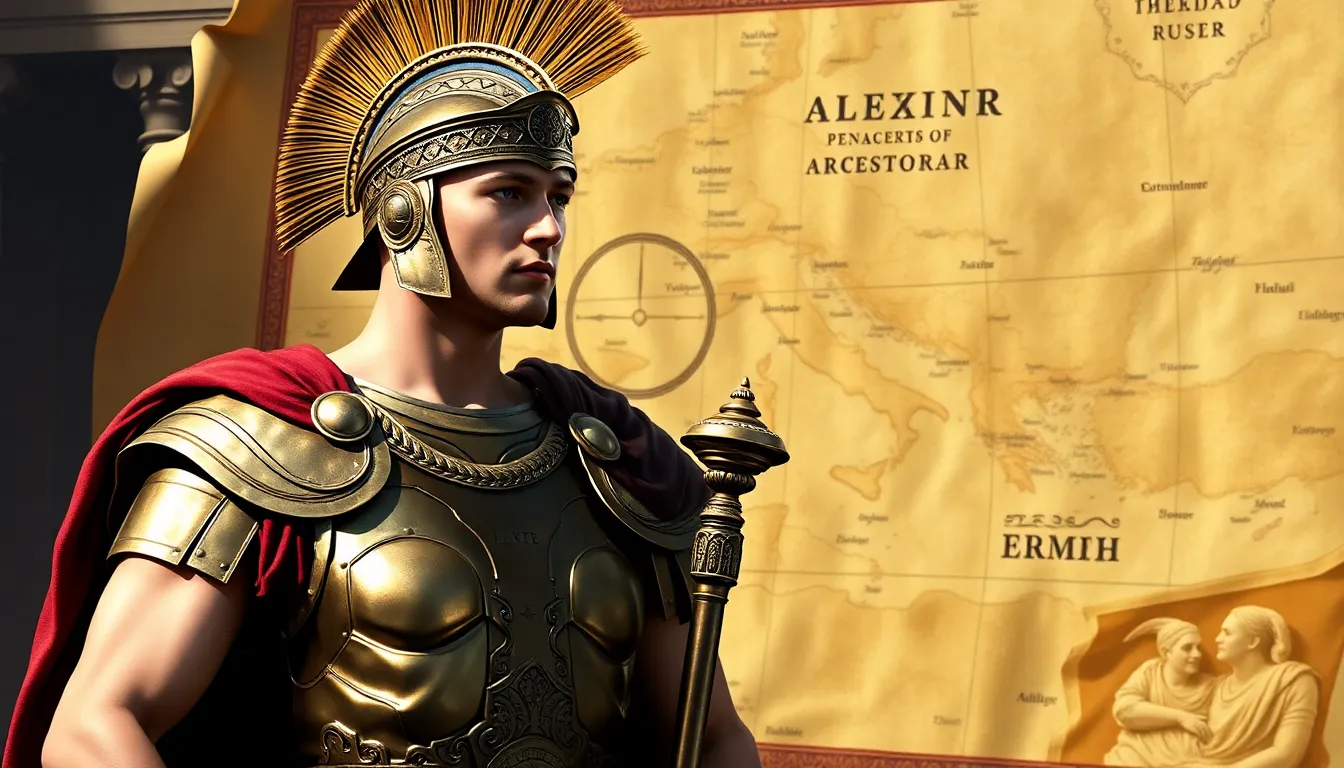
Alexander III of Macedon (356–323 BC) rose from a royal court in the ancient kingdom of Macedon to become one of history’s most celebrated military commanders, creating an empire that stretched from Greece to the Indus Valley.
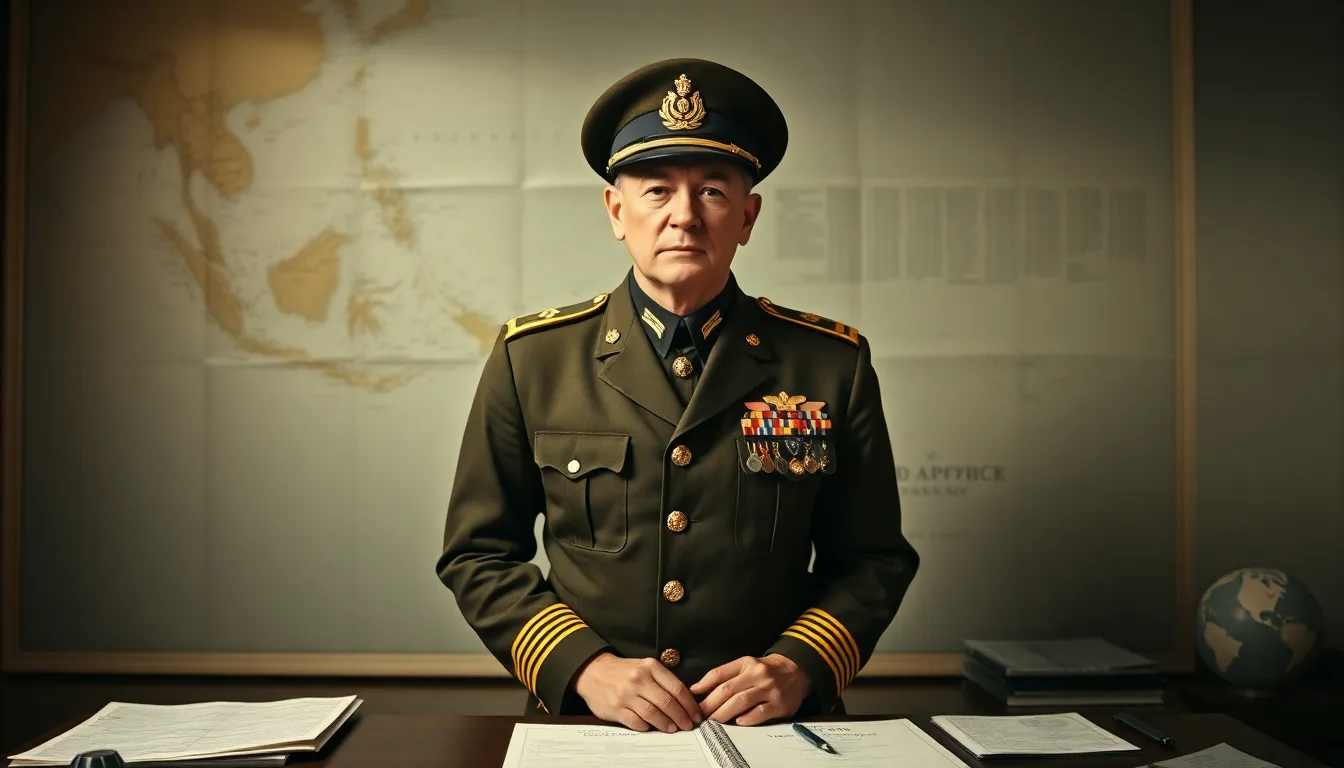
Douglas MacArthur (1880‑1964) was a senior United States Army officer who commanded Allied forces in the Pacific during World War II. His career spanned five decades, encompassing the Philippine‑American War, World War I, and the Korean War, and he remains a controversial figure in military history.
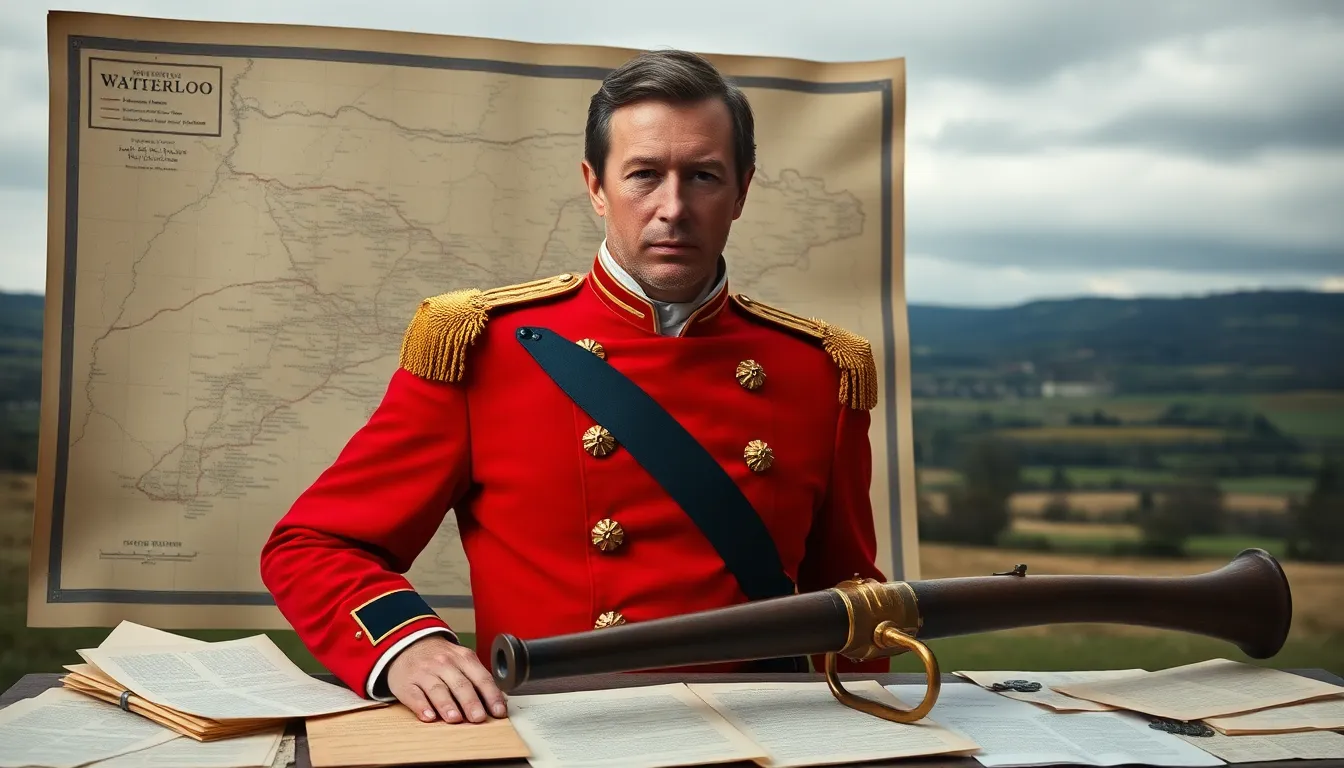
Arthur Wellesley, 1st Duke of Wellington, rose from an Irish gentry family to become Britain’s leading military commander during the Napoleonic Wars, culminating in his decisive victory at Waterloo in 1815.
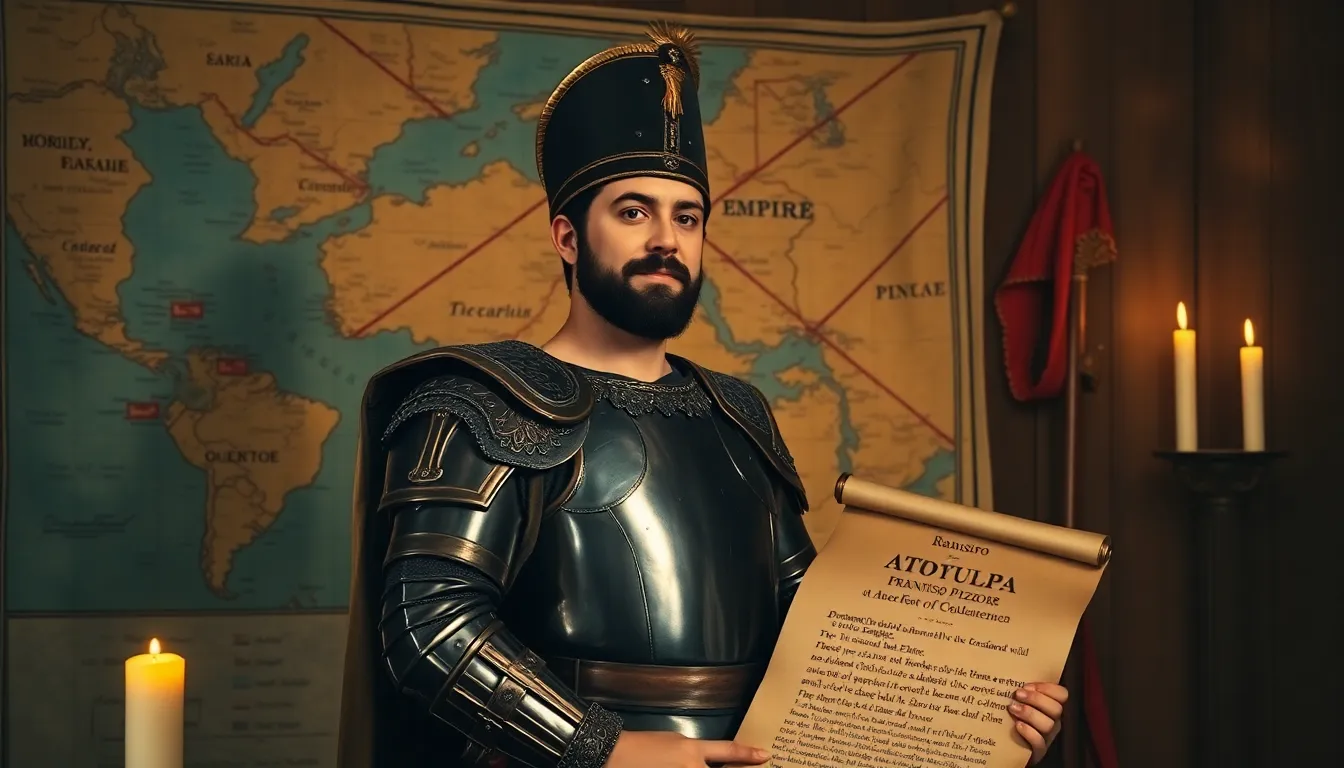
Francisco Pizarro (c. 1478‑1541) was the Spanish captain who led the conquest of the Inca Empire, establishing colonial rule over Peru. This biography examines his early years, military career, decisive campaigns, controversies, and enduring legacy.
Thomas Jonathan “Stonewall” Jackson (1824–1863) was a Confederate general noted for his aggressive tactics during the American Civil War. This biography outlines his early life, military career, key campaigns, controversies, and posthumous legacy.
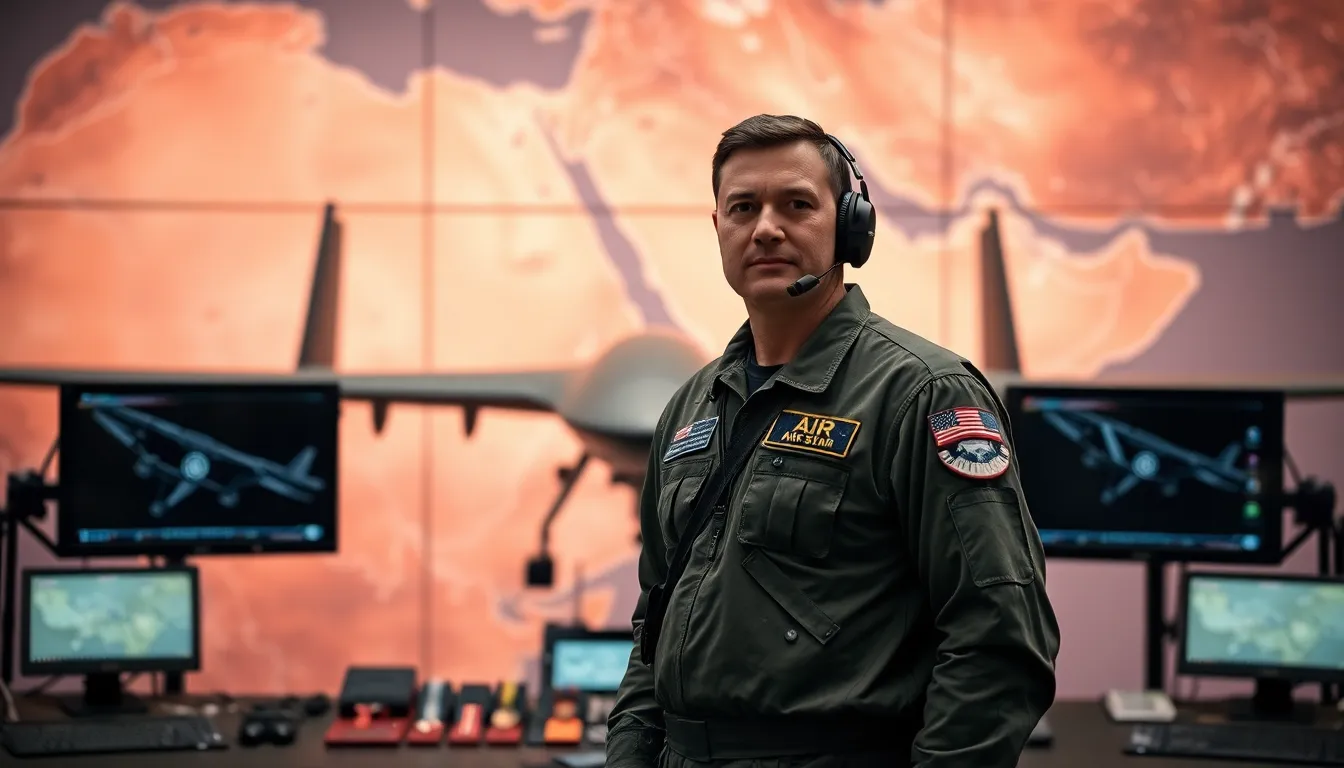
Christopher Aaron is identified in limited public sources as a United States Air Force UAV pilot who served during the 2010s. Details of his personal life, rank, and awards remain scarce, and the record of his service reflects the broader, often classified, nature of modern unmanned aerial warfare.
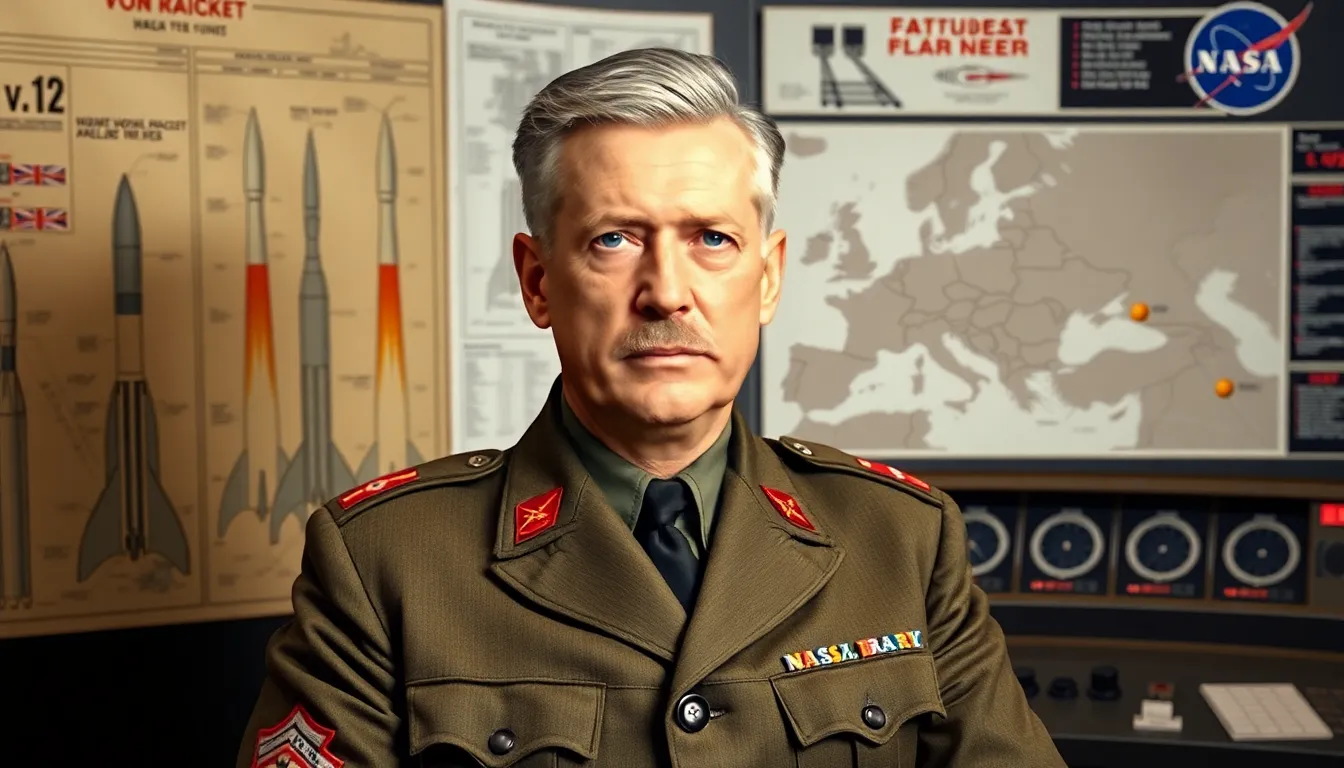
Werner von Braun (1912‑1977) was a German‑American rocket engineer whose work spanned the Nazi wartime weapons programme and the United States space effort, making him a controversial figure in both military and scientific history.