The Life and Art of Winslow Homer: American Realism

Winslow Homer (1836–1910) emerged from a modest New England upbringing to become a leading American realist, known for his masterful depictions of maritime life, rural labor, and the sea’s elemental power.

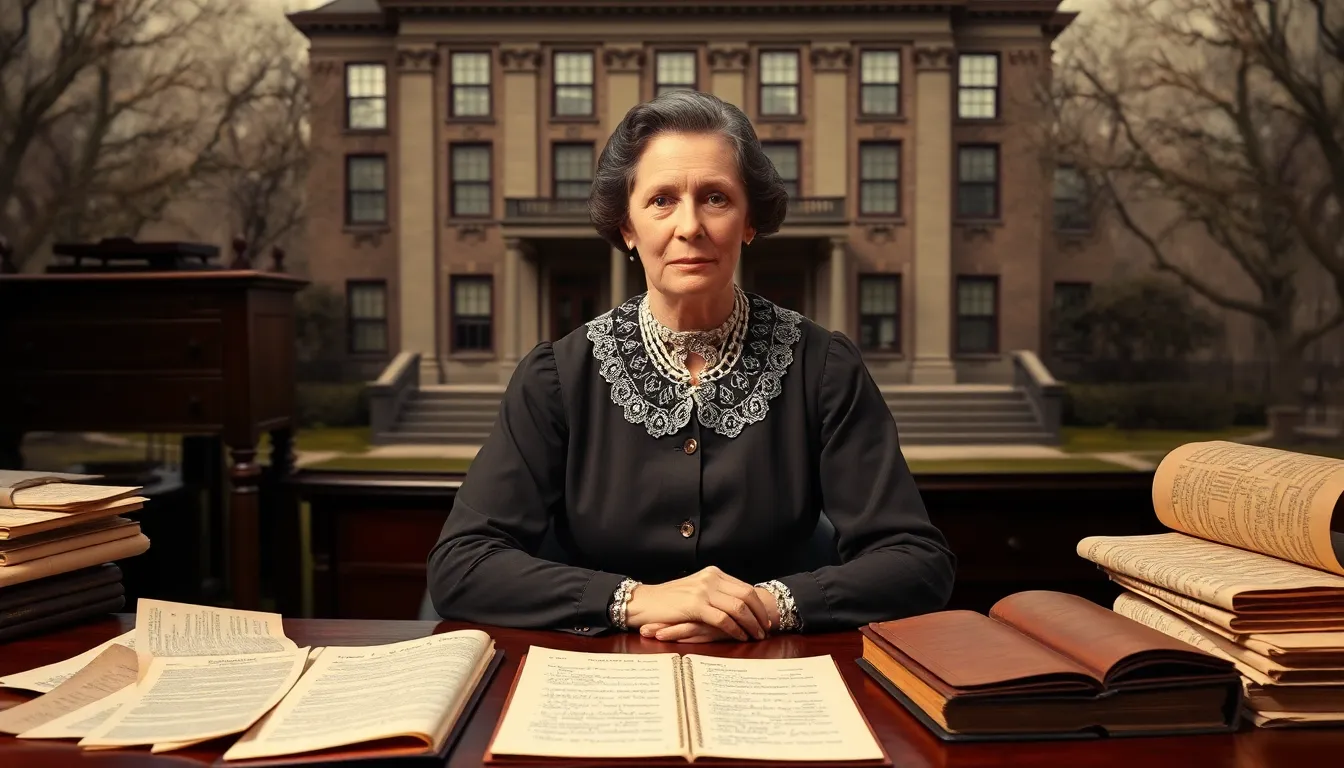
The Life and Legacy of Dorothea Dix: The Mental Health Reformer

Featured image for The Life and Legacy of Dorothea Dix: The Mental Health Reformer —

Dorothea Dix (1802‑1887) was a 19th‑century American reformer whose relentless advocacy led to the creation of state mental hospitals and a national system of care, yet her contributions have often been eclipsed by her gender and the broader neglect of mental‑health history.

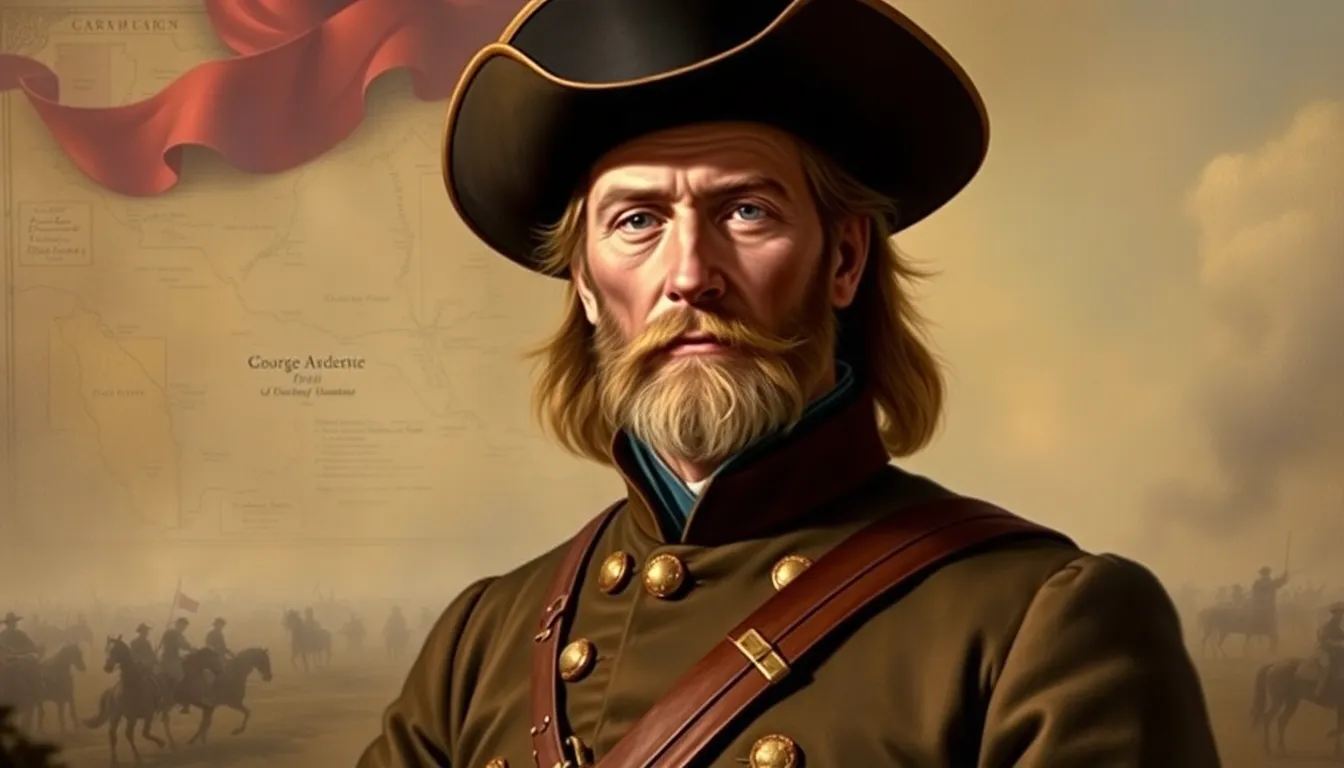
The Life and Legacy of George Custer: The Last Stand

Featured image for The Life and Legacy of George Custer: The Last Stand —

George Armstrong Custer was a United States Army officer whose career spanned the Civil War, the Indian Wars, and ended at the Battle of Little Bighorn. This biography examines his early life, military service, controversial decisions, and the ways his memory has been shaped over time.

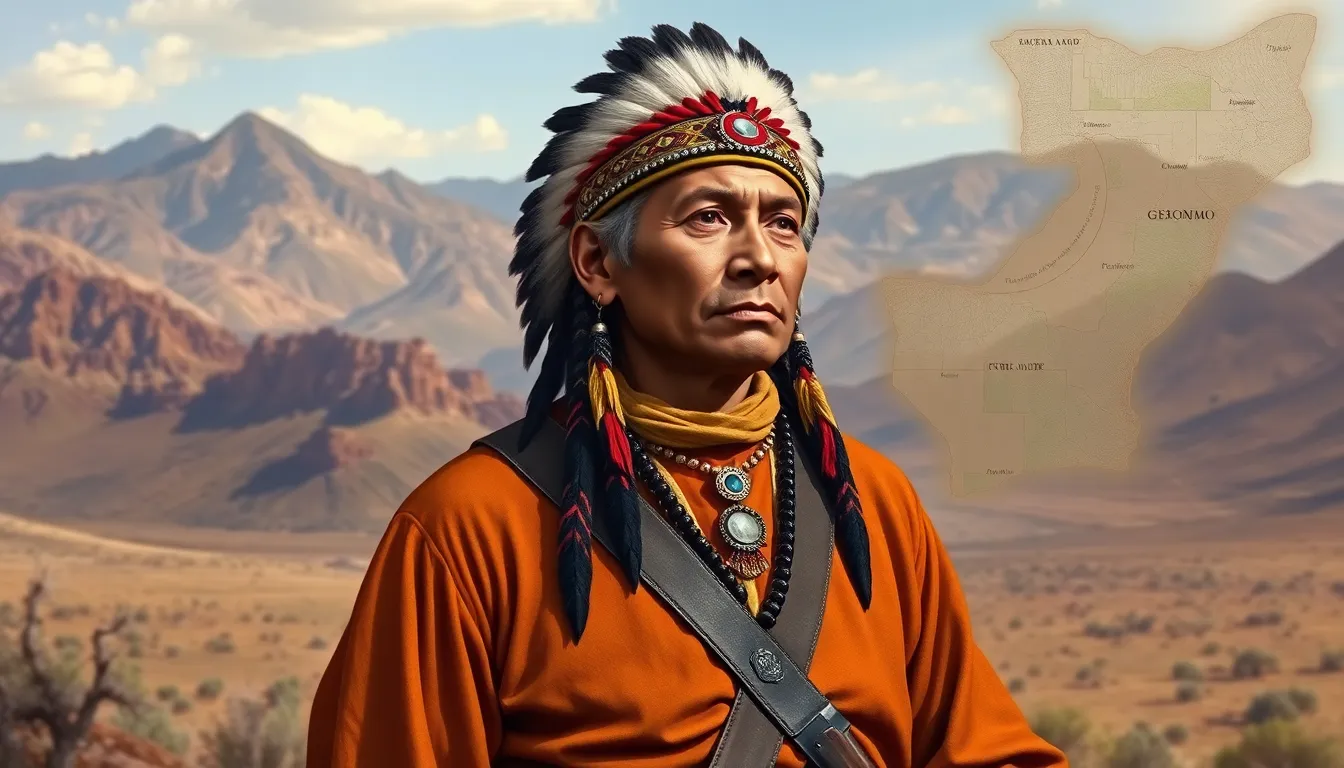
The Life and Legacy of Geronimo: The Apache Warrior

Featured image for The Life and Legacy of Geronimo: The Apache Warrior —

Geronimo (1829–1909) was a prominent leader of the Bedonkohe band of the Apache nation who resisted United States and Mexican expansion for decades. His complex legacy blends documented military actions, oral traditions, and later mythmaking.

The Life and Works of Gustav Klimt: Gold and Sensuality

Gustav Klimt (1862–1918) was an Austrian painter whose ornamental, gold‑leafed style redefined Symbolist art. His work combined sensual portraiture with bold decorative motifs, influencing modernist movements worldwide.

The Life and Works of Henry David Thoreau: Walden

Featured image for The Life and Works of Henry David Thoreau: Walden —

Henry David Thoreau (1817–1862) was an American essayist, naturalist, and transcendentalist whose most famous work, Wal‑den, chronicles his experiment in simple living near Concord, Massachusetts. His writings on nature, civil disobedience, and individual conscience have profoundly shaped American literature and environmental thought.

The Life and Works of Mark Twain: The Celebrated Jumping Frog

Featured image for The Life and Works of Mark Twain: The Celebrated Jumping Frog —

Samuel Langhorne Clemens, better known as Mark Twain, rose from modest beginnings to become a defining voice of American humor. His 1865 short story “The Celebrated Jumping Frog of Calaveras County” launched his national reputation and remains a touchstone of vernacular storytelling.

The Life Story of Abraham Lincoln: The Great Emancipator

Featured image for The Life Story of Abraham Lincoln: The Great Emancipator —

Abraham Lincoln, the 16th President of the United States, led the nation through its Civil War and enacted the Emancipation Proclamation, reshaping American democracy. This biography traces his humble origins, political ascent, presidential leadership, and enduring legacy.

The Life Story of Emily Dickinson: The Belle of Amherst

Featured image for The Life Story of Emily Dickinson: The Belle of Amherst —

Emily Dickinson (1830–1886) was an American poet whose reclusive life in Amherst, Massachusetts, produced a body of work that reshaped modern poetry. Though only a handful of poems were published during her lifetime, her posthumous influence has been profound.

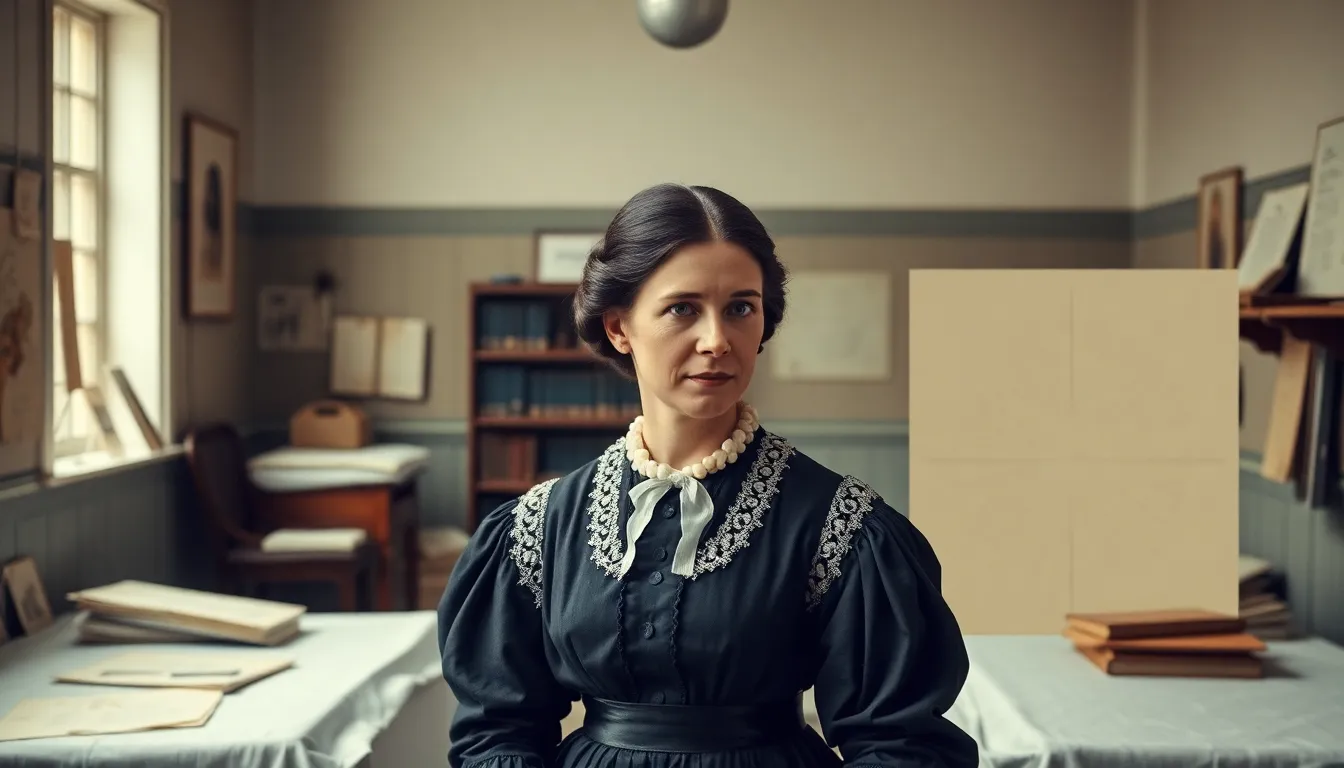
The Life Story of Florence Nightingale: The Lady with the Lamp

Featured image for The Life Story of Florence Nightingale: The Lady with the Lamp —

Florence Nightingale (1820‑1910) was a British reformer who transformed nursing, pioneered modern statistics, and advocated public‑health reform. This biography examines her early life, work during the Crimean War, barriers she faced, later recognition, and enduring legacy.

The Life Story of Mark Twain: Tom Sawyer and Huckleberry Finn

Featured image for The Life Story of Mark Twain: Tom Sawyer and Huckleberry Finn —

Samuel Langhorne Clemens, known as Mark Twain, emerged from a modest Missouri childhood to become a defining voice of 19th‑century American literature. His novels *The Adventures of Tom Sawyer* and *Adventures of Huckleberry Finn* cemented his reputation for humor, social critique, and masterful regional storytelling.

Vincent van Gogh: Tragedy and Genius – A Biography

Vincent van Gogh (1853–1890) was a Dutch painter whose post‑impressionist works reshaped modern visual culture. His turbulent life, marked by mental illness and relentless creativity, produced over 2,100 artworks that continue to influence artists worldwide.