Explore Biographies of Scientists & Inventors and uncover bold ideas, discoveries, failures, and legacies that changed the world.
Explore Biographies of Scientists & Inventors
Science advances in two ways: through the slow accumulation of observation and experiment, and through sudden leaps of insight that overturn everything previously understood. The biographies of scientists and inventors illuminate both — the patient methodology and the electric moment of discovery — along with the deeply human stories behind the equations and patents.
The History of Scientific Revolutions
Copernicus placed the sun at the center of the solar system and upended a millennium of cosmological certainty. Galileo defended that view at the cost of his freedom. Isaac Newton synthesized celestial mechanics and terrestrial physics into a mathematical framework that stood unchallenged for two centuries, until Albert Einstein proposed relativity and opened stranger territories still. Darwin published On the Origin of Species and permanently altered humanity's understanding of its own place in nature. Each of these revolutions came from a specific person, in a specific time and place, asking questions that their contemporaries found deeply unsettling.
The Inventors Who Built the Modern World
The practical transformation of scientific knowledge into technology has changed daily life more profoundly than any political revolution. Nikola Tesla and Thomas Edison waged a war of electrical systems that lit the modern world. Alexander Graham Bell turned electrical signals into voice. Tim Berners-Lee invented the World Wide Web and gave it away for free. Marie Curie pioneered the science of radioactivity at the cost of her own health, winning two Nobel Prizes in two different scientific disciplines — a feat that has never been repeated.
Science at the Margins
The history of science is also a history of exclusion — of women, of people of color, of those from the wrong class or the wrong country whose contributions were minimized, stolen, or erased. Rosalind Franklin's X-ray crystallography data was pivotal to the discovery of DNA's structure; the Nobel Prize went to Watson and Crick. Katherine Johnson's calculations at NASA were essential to putting Americans in orbit; her contributions went unacknowledged for decades. These stories are part of the scientific record too.
Why These Biographies Matter
Understanding scientists as human beings — curious, mistaken, competitive, generous, sometimes wrong for a long time before being brilliantly right — is the antidote to the myth of the lone genius. Science is a collective, social, and deeply human enterprise. These biographies are evidence of that.
Browse the biographies below to explore the lives of the scientists and inventors who expanded the boundaries of human knowledge.
Grace Murray Hopper (1906–1992) was an American mathematician, computer scientist, and United States Navy rear admiral who pioneered computer programming and helped popularize the term “debugging.” Her work on compilers and the development of the COBOL language transformed software engineering.
Edward Jenner (1749–1823) was an English physician whose pioneering work on smallpox vaccination laid the foundations of immunology. His method of using cowpox to confer immunity transformed public health and sparked the modern era of preventive medicine.
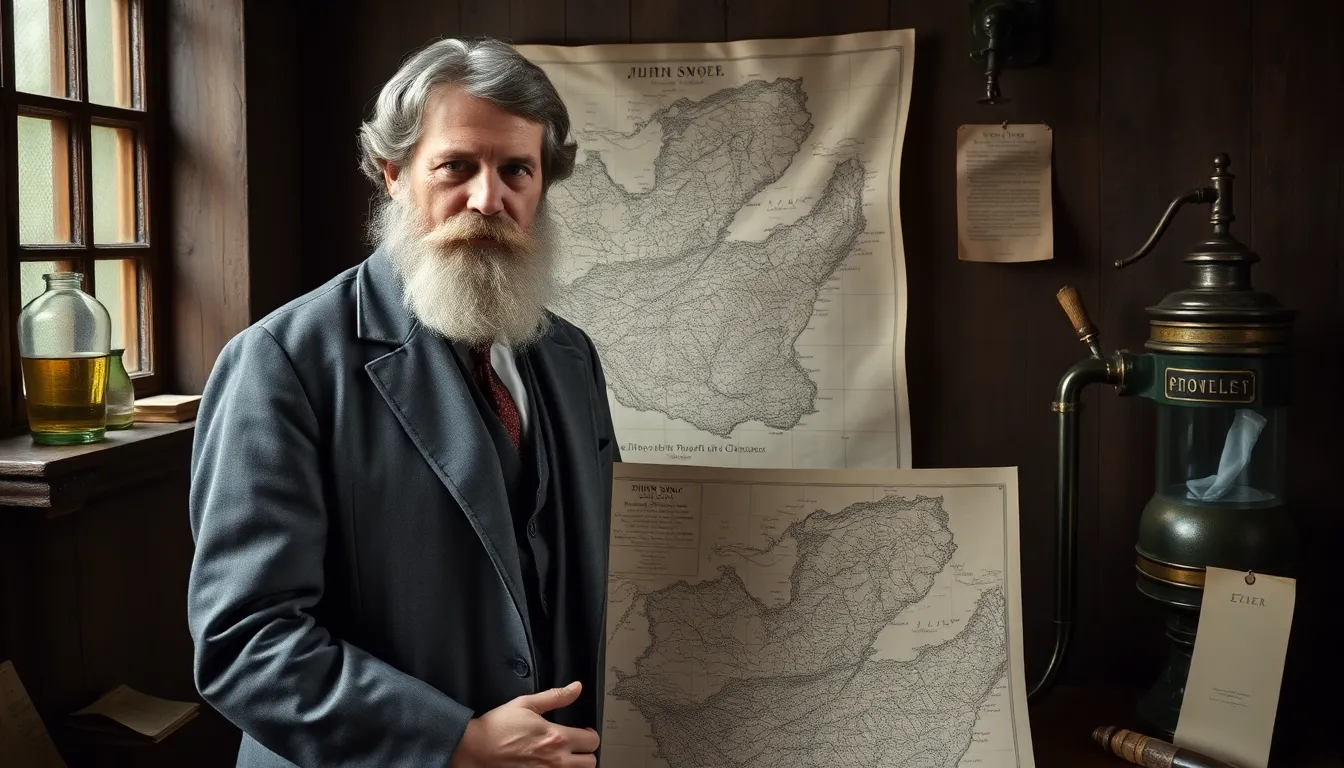
John Snow (1813‑1858) was an English physician whose pioneering work on cholera transmission laid the foundations of modern epidemiology. His meticulous investigations and statistical mapping transformed public health practice in the 19th century.
Jonas Salk (1914‑1995) was an American virologist best known for developing the first safe, effective polio vaccine, a breakthrough that transformed public health worldwide.
Larry Page, born in 1973, co‑founded Google and helped shape the modern Internet through innovations such as PageRank. His career spans academic research, technology entrepreneurship, and leadership in the Alphabet conglomerate.
Linus Carl Pauling (1901–1994) was an American chemist, biochemist, peace activist and author whose work reshaped modern chemistry and molecular biology. He received two Nobel Prizes and remains a pivotal figure in the study of chemical bonds, vitamin C, and nuclear disarmament.
Kurt Gödel (1906–1978) was an Austrian‑born logician and mathematician whose incompleteness theorems reshaped the foundations of mathematics and influenced philosophy, computer science, and theoretical physics. This article details his education, research career, major discoveries, publications, and lasting impact.
Louis Pasteur was a 19th‑century French microbiologist whose work laid the foundations of modern immunology, vaccination and the process of pasteurisation. His discoveries transformed medicine, industry and public health.
Mark Zuckerberg, an American computer scientist and internet entrepreneur, created Facebook while a student at Harvard. His work reshaped online communication, digital advertising, and social networking throughout the Digital Age.
Linus Pauling (1901‑1994) was an American chemist, biochemist, and pioneering materials scientist whose work on chemical bonding, molecular biology, and vitamin C shaped 20th‑century science.
Maurice Wilkins (1916–2004) was a New Zealand‑born physicist whose X‑ray diffraction work on nucleic acids helped uncover the double‑helical structure of DNA, earning him the 1962 Nobel Prize in Physiology or Medicine.
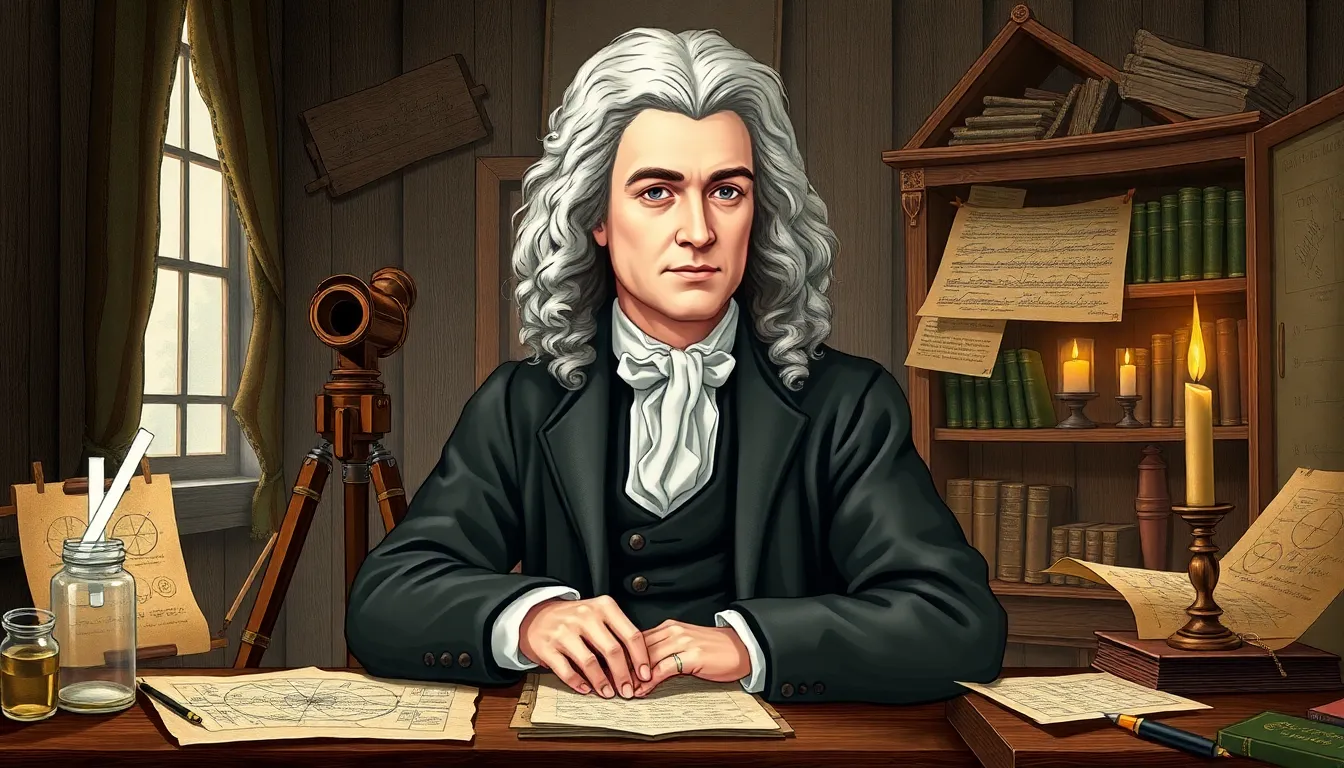
Isaac Newton (1643–1727) was a seminal figure in the scientific revolution, whose work in mechanics, optics, and mathematics reshaped our understanding of the natural world. This biography explores his education, research, inventions, personal life, and the financial standing he achieved in his era.
Anders Celsius (1701–1744) was a Swedish astronomer, physicist and early meteorological observer whose temperature scale became the international standard.
Murray Gell‑Mann (1929–2019) was an American theoretical physicist whose work on the classification of elementary particles earned him the 1969 Nobel Prize. This biography examines his education, research career, landmark discoveries, publications, and the lasting impact of his contributions to particle physics.
Richard E. Smalley (1943–2005) was an American chemist and Nobel laureate whose pioneering work on fullerenes and carbon nanotubes transformed nanoscience and materials engineering.
Jacques Cousteau (1910‑1997) was a French naval officer, explorer, filmmaker and marine conservationist whose innovations like the Aqua‑Lung transformed underwater research and popularized oceanography worldwide.
Christiaan Huygens (1629‑1695) was a Dutch mathematician, astronomer, and physicist whose work laid the foundations of modern optics and precision time‑keeping. His wave theory of light, invention of the pendulum clock, and celestial observations transformed 17th‑century science.
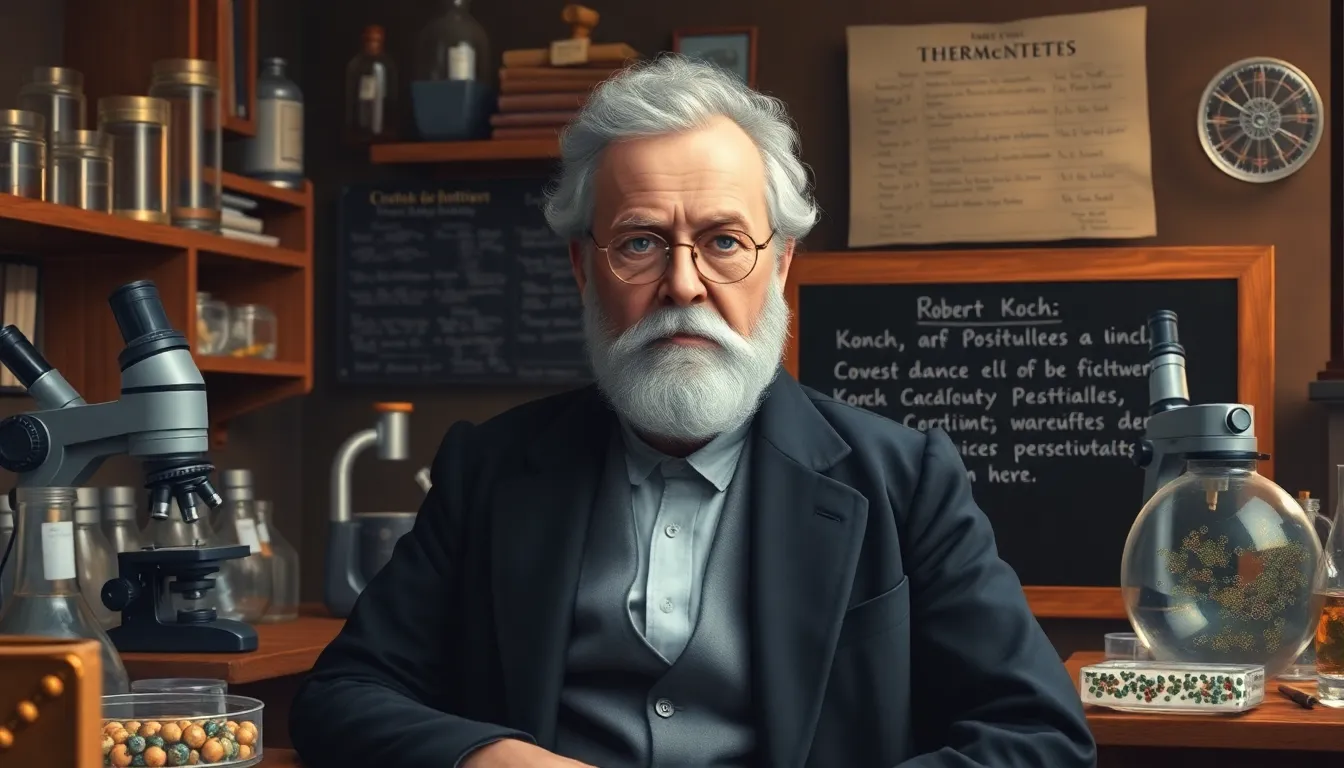
Robert Koch (1843–1910) was a German physician and pioneering microbiologist whose work established the foundation of modern bacteriology, including the discovery of the tuberculosis and cholera pathogens and the formulation of Koch’s postulates.
Gertrude B. Elion (1918–1999) was an American pharmacologist whose rational approach to drug design led to groundbreaking treatments for leukemia, malaria, herpes, and organ transplants, earning her a Nobel Prize in 1988.
Paul Ehrlich (1854–1915) was a German physician and pharmacologist whose work laid the foundations of modern chemotherapy, immunology, and hematology. He received the 1908 Nobel Prize in Physiology or Medicine for his discoveries on immunity and the development of the first effective treatment for syphilis.
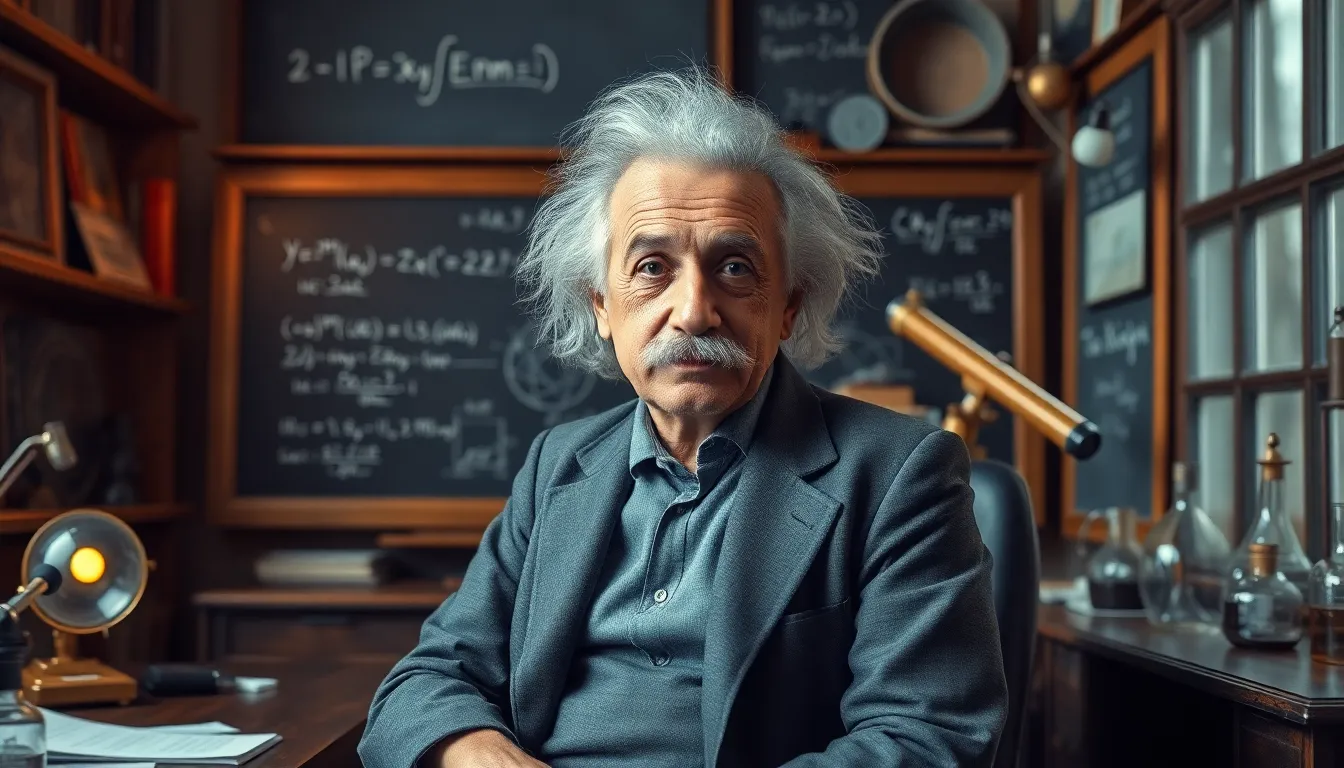
Albert Einstein (1879‑1955) was a German‑born theoretical physicist whose theories of relativity transformed modern physics. This biography details his education, research career, major discoveries, publications, awards, and lasting impact on science and society.
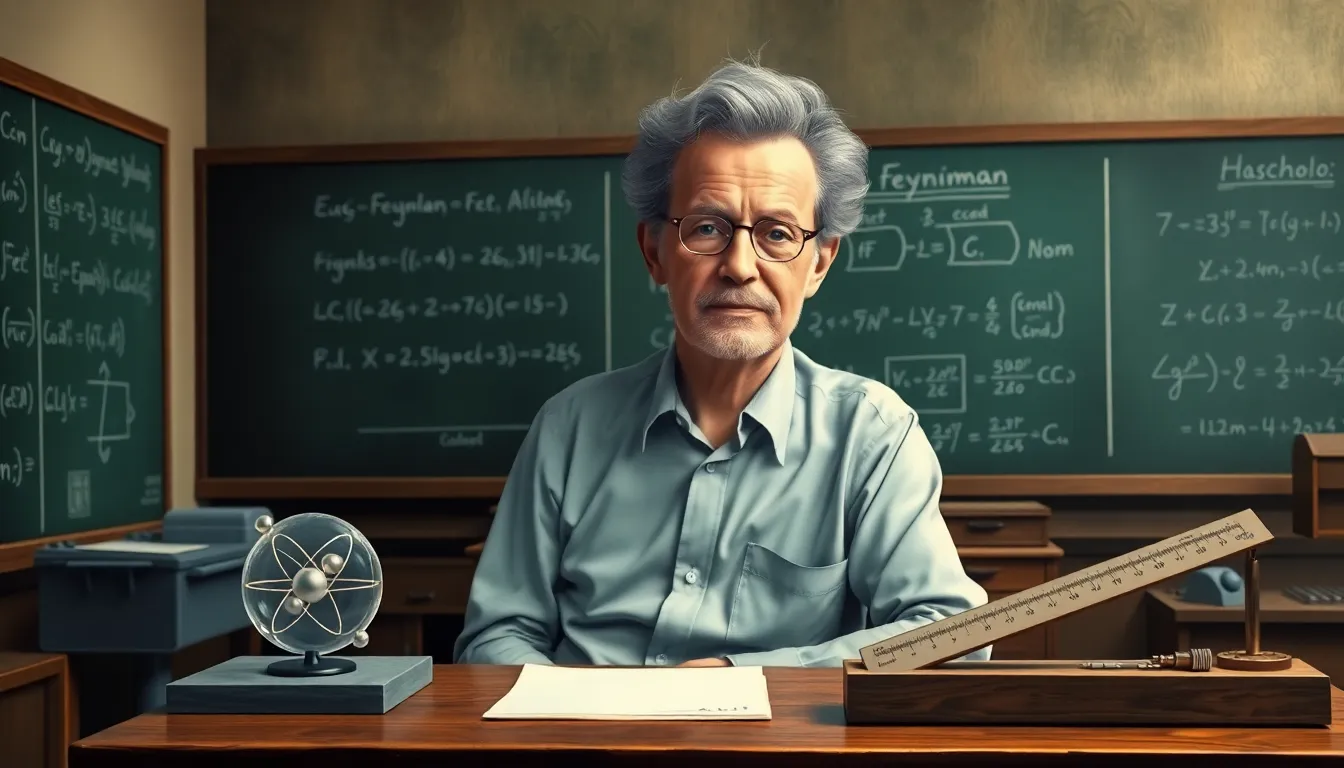
Richard Phillips Feynman (1918‑1988) was an American theoretical physicist whose work on quantum electrodynamics earned him a Nobel Prize and whose distinctive teaching style made him a cultural icon. This biography surveys his education, research career, scientific contributions, publications, awards, and lasting impact on physics.
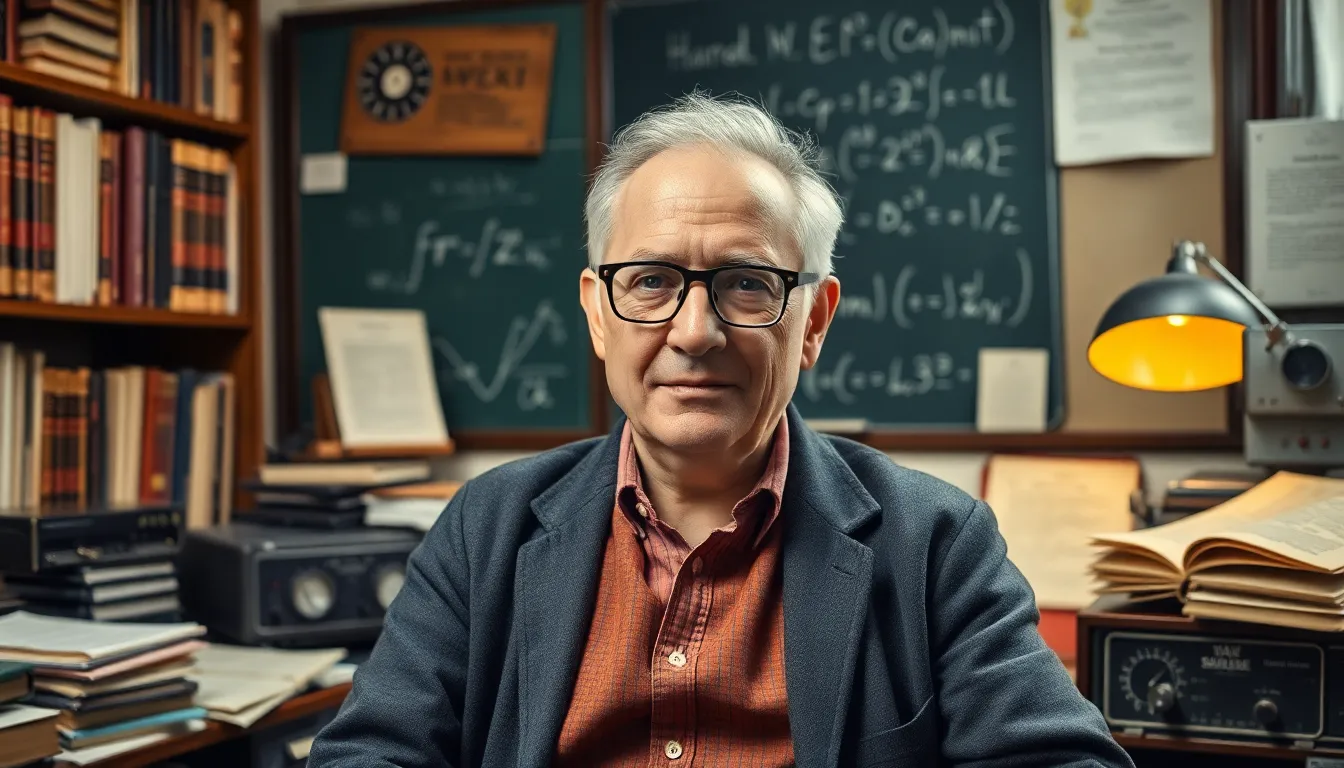
Harold Dwight Lasswell (1902–1978) was a pioneering American political scientist whose work established the foundations of communication theory, political psychology, and policy analysis. This biography details his education, research trajectory, key contributions, and lasting impact on the social sciences.
Herman Mark (1908–1992) was a pioneering polymer scientist whose theoretical work laid the foundations of modern macromolecular chemistry. His career spanned Europe and the United States, influencing both academia and industry.
Sigmund Freud (1856‑1939) was an Austrian neurologist who founded psychoanalysis, a method for treating psychopathology through dialogue between a patient and a psychoanalyst. His theories of the unconscious, the Oedipus complex, and dream interpretation reshaped 20th‑century psychology and culture.
B.F. Skinner was an American psychologist whose work on behaviorism and operant conditioning reshaped experimental psychology and education in the 20th century.
Werner Heisenberg (1901–1976) was a German theoretical physicist best known for formulating the uncertainty principle, a cornerstone of quantum mechanics. His work reshaped modern physics and earned him the Nobel Prize in 1932.
Hendrik Antoon Lorentz (1853–1928) was a Dutch physicist whose work on electromagnetism and the electron laid the groundwork for Einstein’s theory of special relativity. His career spanned academia, research, and public service, earning him the Nobel Prize in Physics in 1902.
Sergey Brin, co‑founder of Google and later executive of its parent company Alphabet, is a pivotal figure in the development of modern Internet search and large‑scale data systems. This biography surveys his education, research, patents, and lasting impact on technology.
Max Weber (1864–1920) was a German sociologist, economist, and political theorist whose work laid the foundations for modern sociology and public administration. His writings on bureaucracy, rationalization, and the Protestant ethic remain central to social science.
Srinivasa Ramanujan (1887‑1920) was an Indian mathematical prodigy whose intuitive discoveries transformed number theory, infinite series, and continued fractions, influencing modern mathematics worldwide.
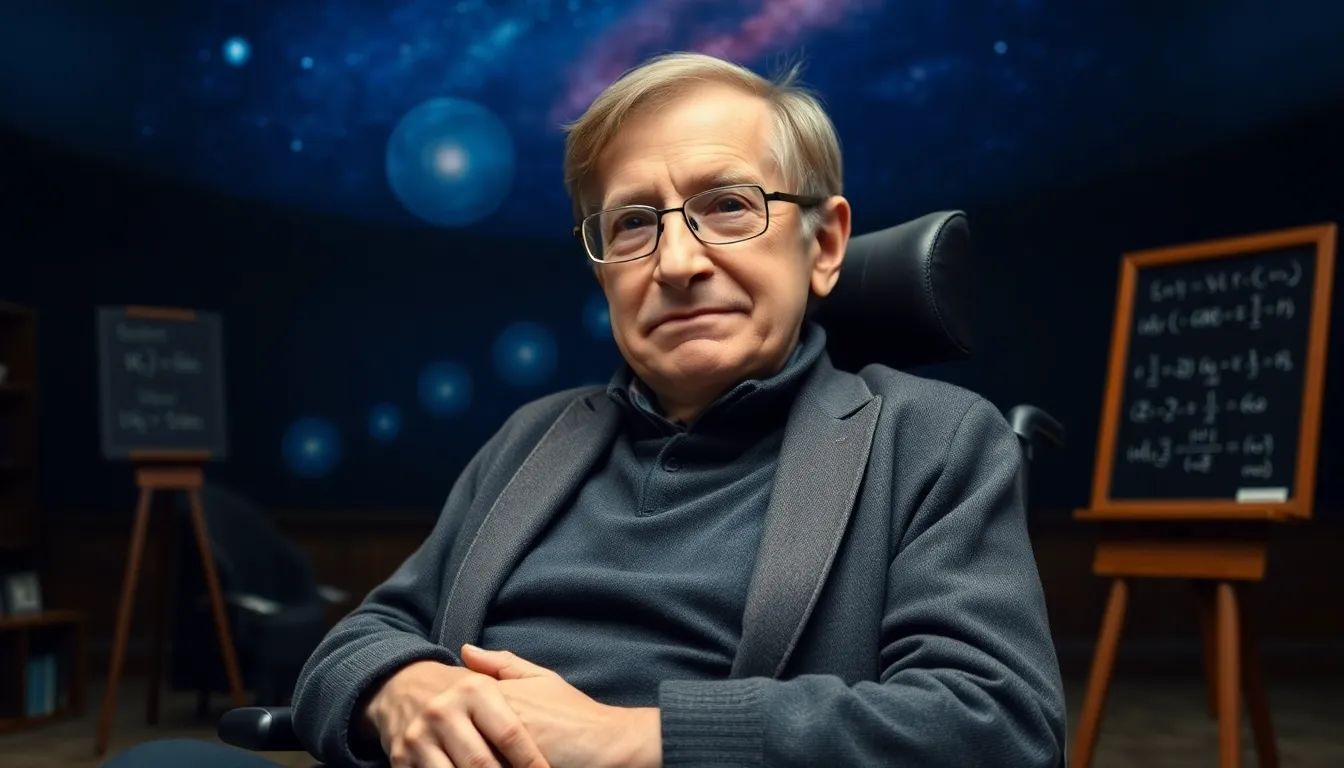
Stephen Hawking was a British theoretical physicist whose work on black holes, cosmology, and quantum gravity reshaped modern astrophysics. Despite a progressive motor neurone disease, he authored influential books and received numerous scientific honors.
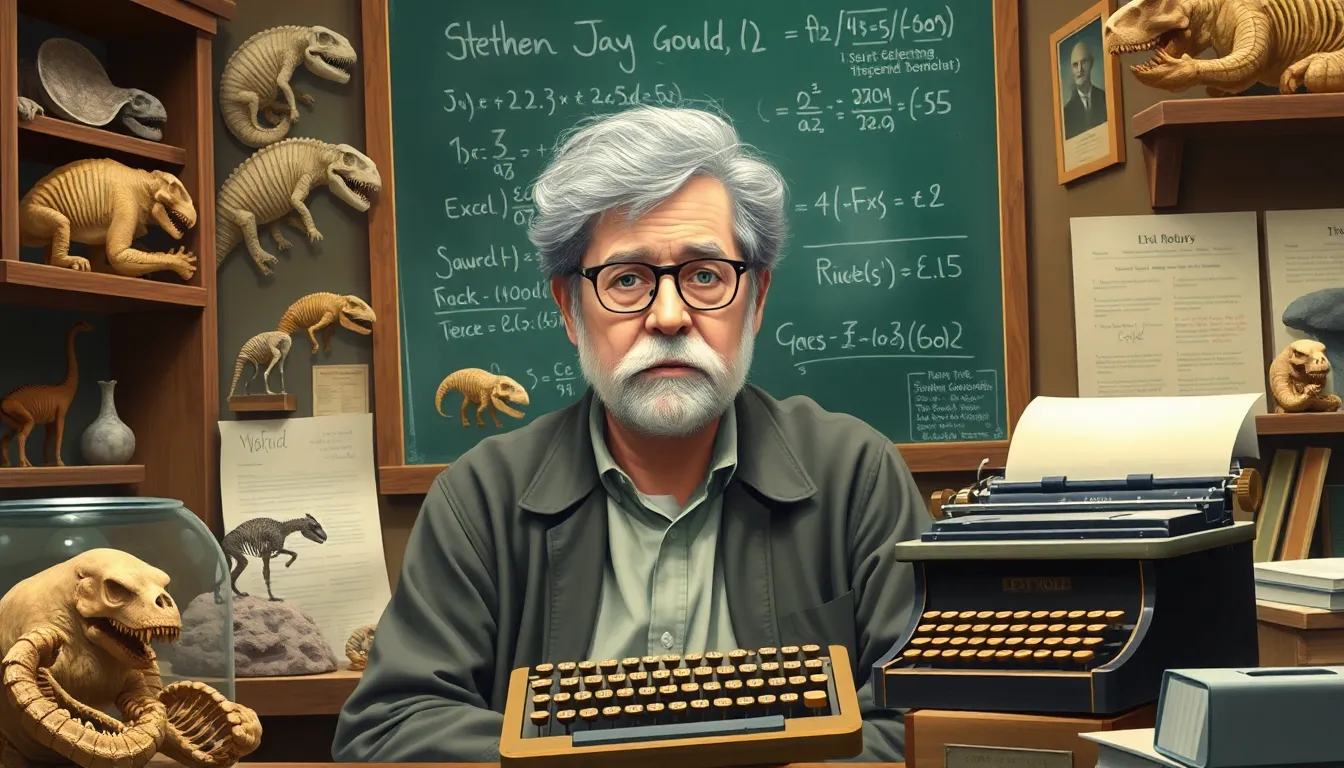
Stephen Jay Gould (1941–2002) was an American paleontologist, evolutionary biologist, and popular science writer whose work on punctuated equilibrium transformed modern evolutionary theory.
Alan Mathison Turing (1912‑1954) was a British mathematician, logician, and cryptanalyst whose theoretical work laid the foundations of computer science and artificial intelligence.
Antonie van Leeuwenhoek (1632–1723) was a Dutch tradesman who pioneered microscopy and became the first to observe and describe microorganisms, laying the foundations of microbiology.
Barbara McClintock (1902–1992) was an American cytogeneticist whose discovery of transposable elements fundamentally reshaped genetics. Her career spanned decades of meticulous maize research, culminating in a Nobel Prize and a lasting legacy in molecular biology.
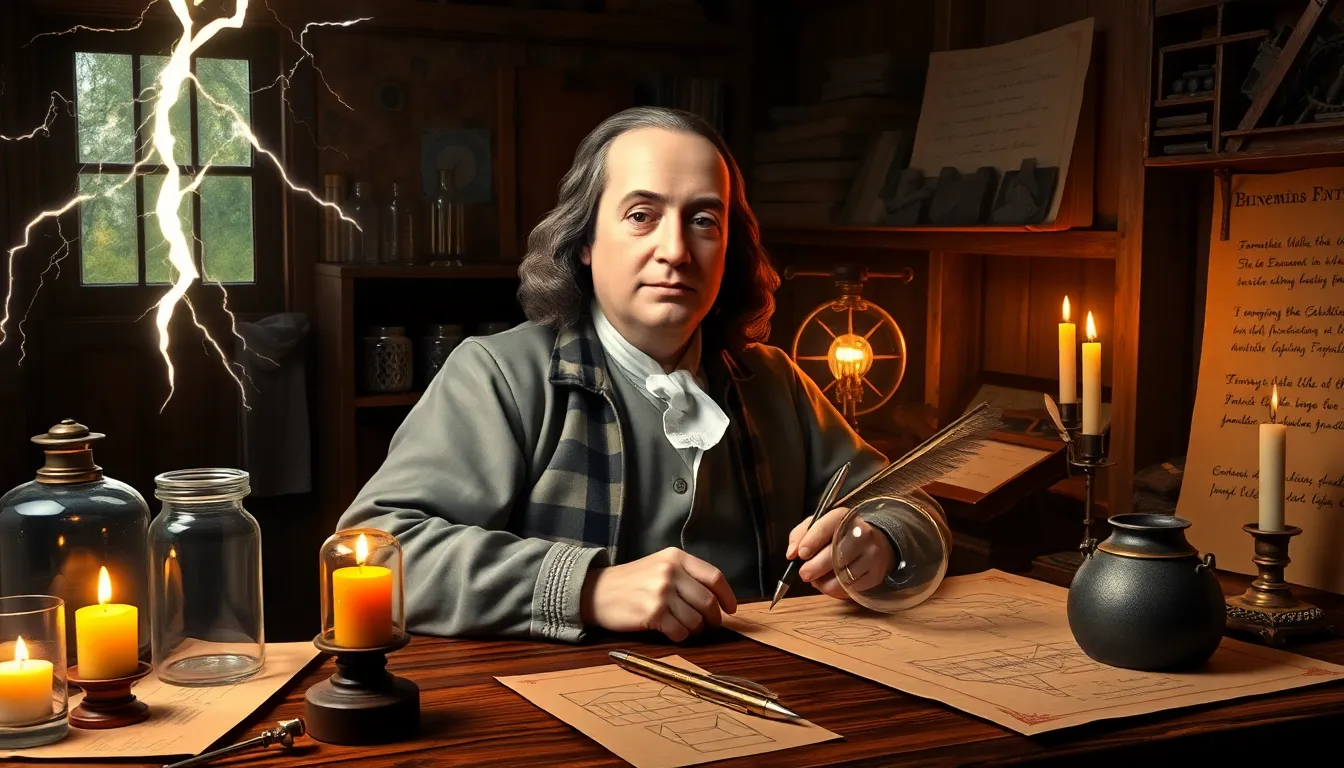
Benjamin Franklin (1706‑1790) was a polymath whose scientific experiments, inventions, and practical innovations helped shape the early United States and laid foundations for modern electricity, meteorology, and public safety.
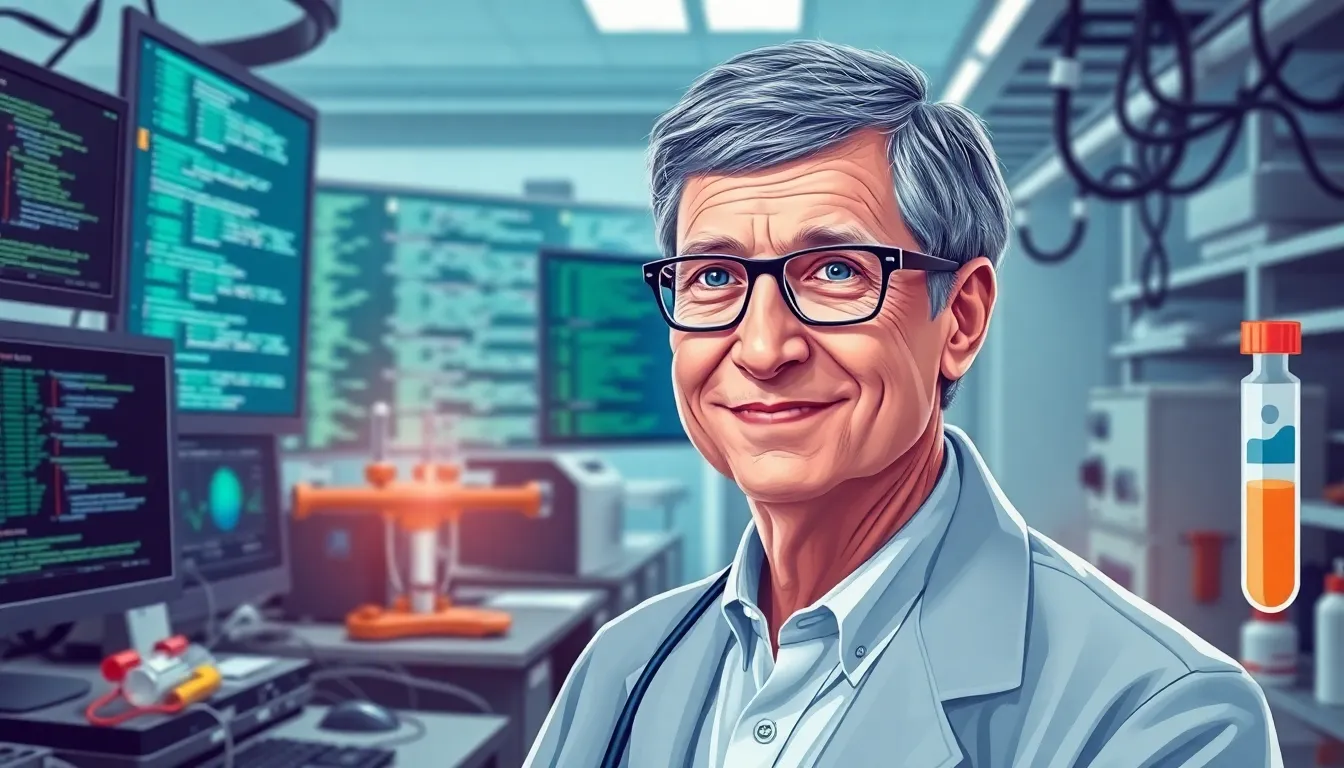
Bill Gates, co‑founder of Microsoft and leading philanthropist, transformed personal computing and global health through technological innovation and charitable giving.
Charles Darwin (1809‑1882) formulated the theory of evolution by natural selection, reshaping biology and influencing countless scientific disciplines.
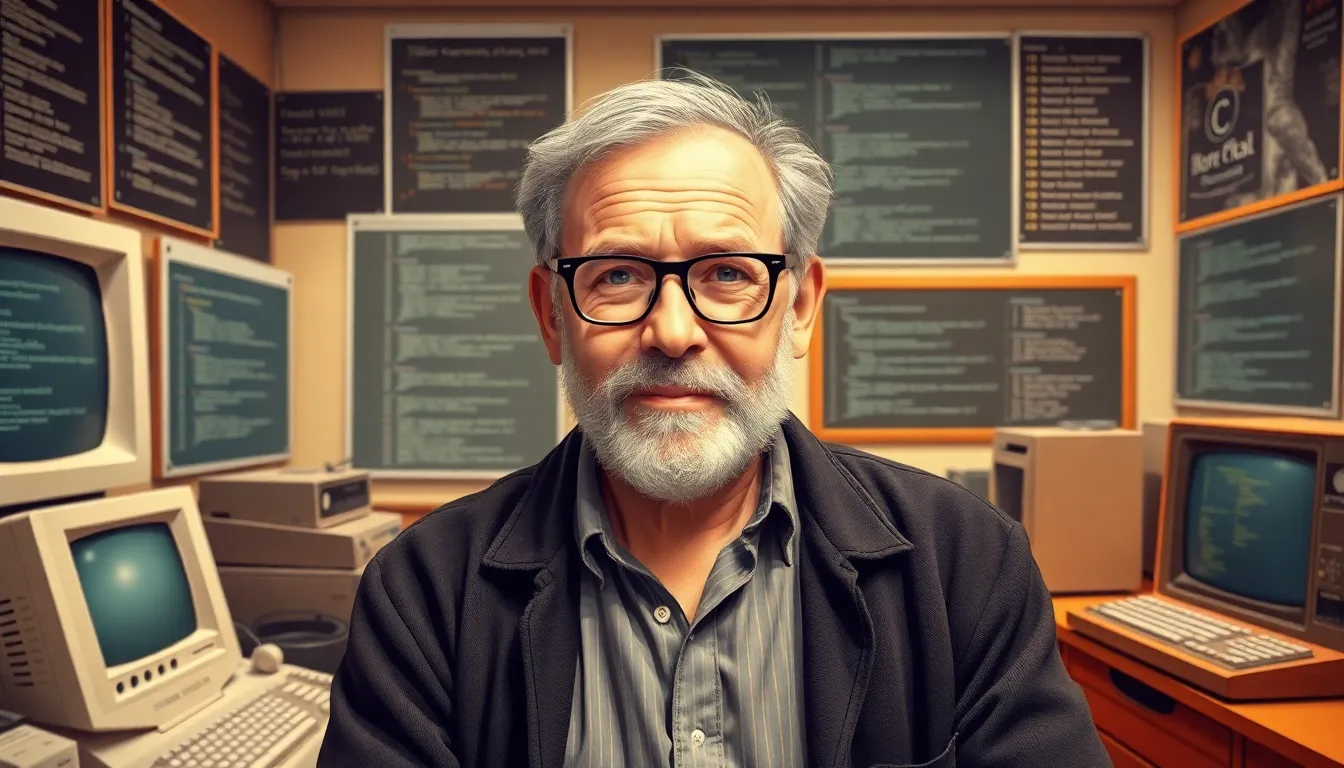
Dennis Ritchie (1941‑2011) was an American computer scientist whose design of the C programming language and co‑development of the Unix operating system transformed software engineering and laid the foundation for modern computing.
Dorothy Vaughan (1910–2008) was an African‑American mathematician and computer scientist whose leadership at NASA’s Langley Research Center broke racial and gender barriers and advanced early computer programming for orbital mechanics.
Jack Kilby (1923–2005) was an American electrical engineer whose invention of the integrated circuit revolutionized modern electronics. A Nobel laureate and Texas Instruments pioneer, his work laid the foundation for today’s digital age.
Jeff Bezos, founder of Amazon and Blue Origin, transformed retail, cloud computing, and private spaceflight. This biography traces his education, entrepreneurial research, key inventions, patents, and lasting impact on technology and science.
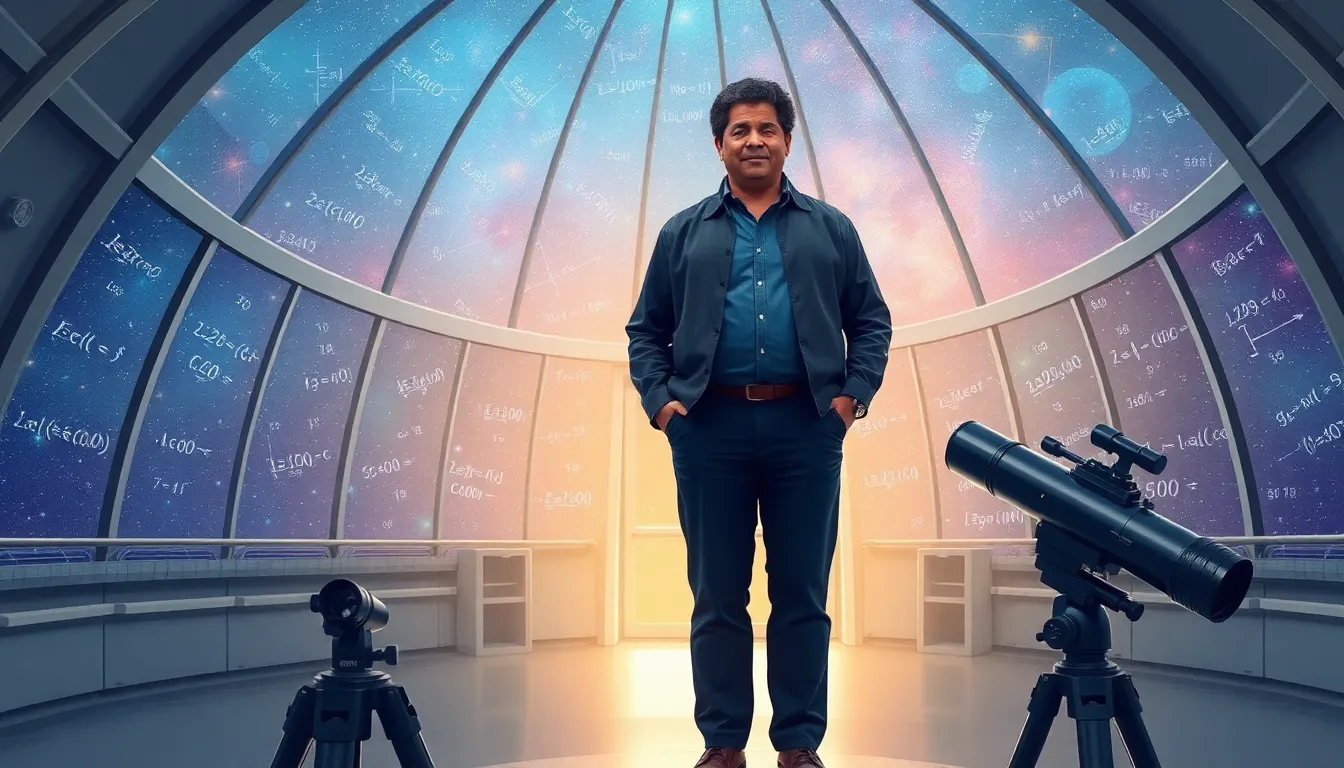
Neil deGrasse Tyson is an American astrophysicist, author, and science communicator whose career spans academic research, museum leadership, and popular media, making complex astrophysics accessible to the public.
Rosalind Franklin (1920–1958) was a British chemist and X‑ray crystallographer whose precise diffraction images of DNA were pivotal in revealing its double‑helix structure. Her rigorous experimental methods and contributions to virology and carbon science left a lasting impact on molecular biology.
J. Craig Venter is a pioneering American biotechnologist who transformed genomics through private‑sector sequencing, synthetic biology, and the creation of the first self‑replicating synthetic cell.
Francis Crick (1916‑2004) was a British molecular biologist who, together with James Watson, discovered the double‑helical structure of DNA, reshaping biology and medicine in the 20th century.
Isaac Newton (1643–1727) was an English mathematician, physicist, and astronomer whose laws of motion and universal gravitation reshaped science, and whose development of calculus provided a new language for analysis.