Explore Biographies of Scientists & Inventors and uncover bold ideas, discoveries, failures, and legacies that changed the world.
Explore Biographies of Scientists & Inventors
Science advances in two ways: through the slow accumulation of observation and experiment, and through sudden leaps of insight that overturn everything previously understood. The biographies of scientists and inventors illuminate both — the patient methodology and the electric moment of discovery — along with the deeply human stories behind the equations and patents.
The History of Scientific Revolutions
Copernicus placed the sun at the center of the solar system and upended a millennium of cosmological certainty. Galileo defended that view at the cost of his freedom. Isaac Newton synthesized celestial mechanics and terrestrial physics into a mathematical framework that stood unchallenged for two centuries, until Albert Einstein proposed relativity and opened stranger territories still. Darwin published On the Origin of Species and permanently altered humanity's understanding of its own place in nature. Each of these revolutions came from a specific person, in a specific time and place, asking questions that their contemporaries found deeply unsettling.
The Inventors Who Built the Modern World
The practical transformation of scientific knowledge into technology has changed daily life more profoundly than any political revolution. Nikola Tesla and Thomas Edison waged a war of electrical systems that lit the modern world. Alexander Graham Bell turned electrical signals into voice. Tim Berners-Lee invented the World Wide Web and gave it away for free. Marie Curie pioneered the science of radioactivity at the cost of her own health, winning two Nobel Prizes in two different scientific disciplines — a feat that has never been repeated.
Science at the Margins
The history of science is also a history of exclusion — of women, of people of color, of those from the wrong class or the wrong country whose contributions were minimized, stolen, or erased. Rosalind Franklin's X-ray crystallography data was pivotal to the discovery of DNA's structure; the Nobel Prize went to Watson and Crick. Katherine Johnson's calculations at NASA were essential to putting Americans in orbit; her contributions went unacknowledged for decades. These stories are part of the scientific record too.
Why These Biographies Matter
Understanding scientists as human beings — curious, mistaken, competitive, generous, sometimes wrong for a long time before being brilliantly right — is the antidote to the myth of the lone genius. Science is a collective, social, and deeply human enterprise. These biographies are evidence of that.
Browse the biographies below to explore the lives of the scientists and inventors who expanded the boundaries of human knowledge.
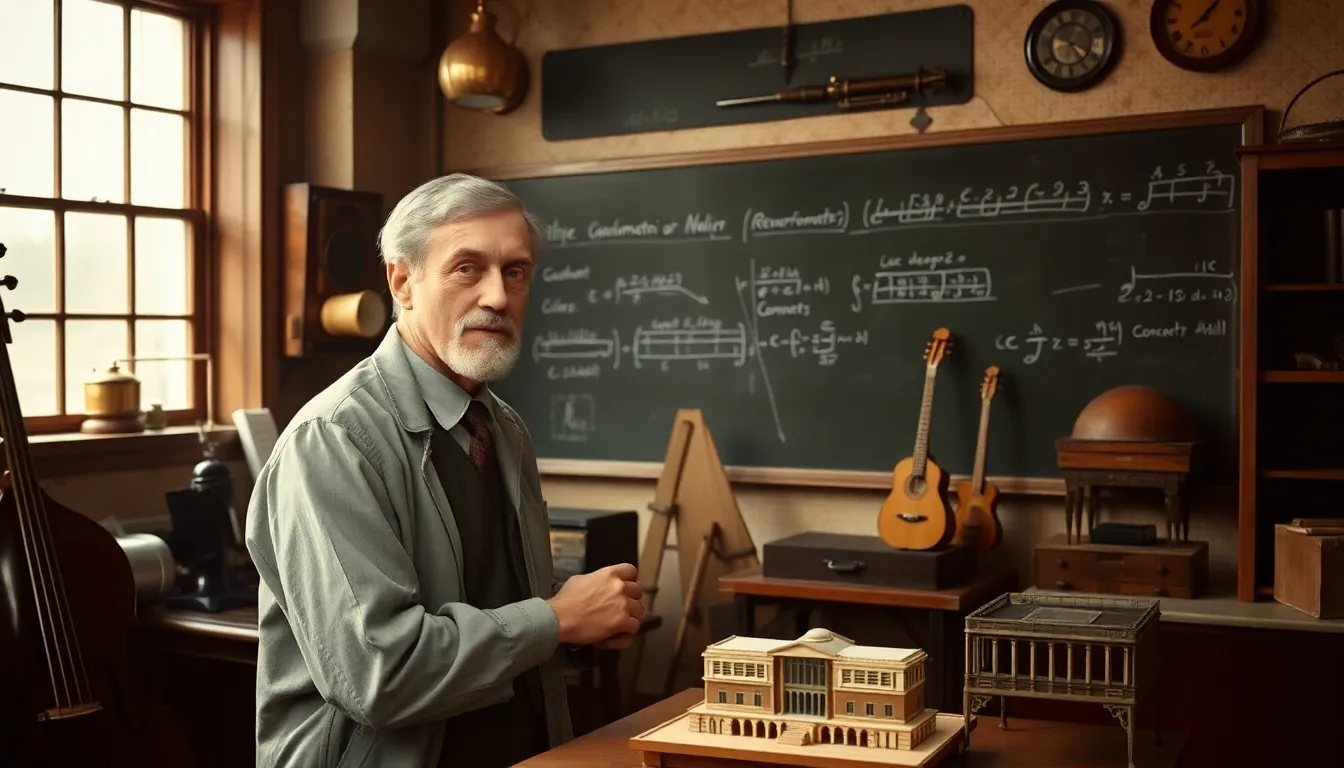
Wallace Clement Sabine (1868–1919) was an American physicist who founded the scientific discipline of architectural acoustics. His work on reverberation time transformed the design of concert halls and public spaces.
Augusta Ada King, Countess of Lovelace (1815–1852), is celebrated as the first computer programmer. Her visionary notes on Charles Babbage’s Analytical Engine laid the conceptual foundations of software.
Carl Friedrich Gauss (1777–1855) was a German mathematician whose work laid foundations for number theory, algebra, statistics, astronomy, and geodesy. His prolific career spanned university appointments, groundbreaking research, and lasting influence on modern mathematics.
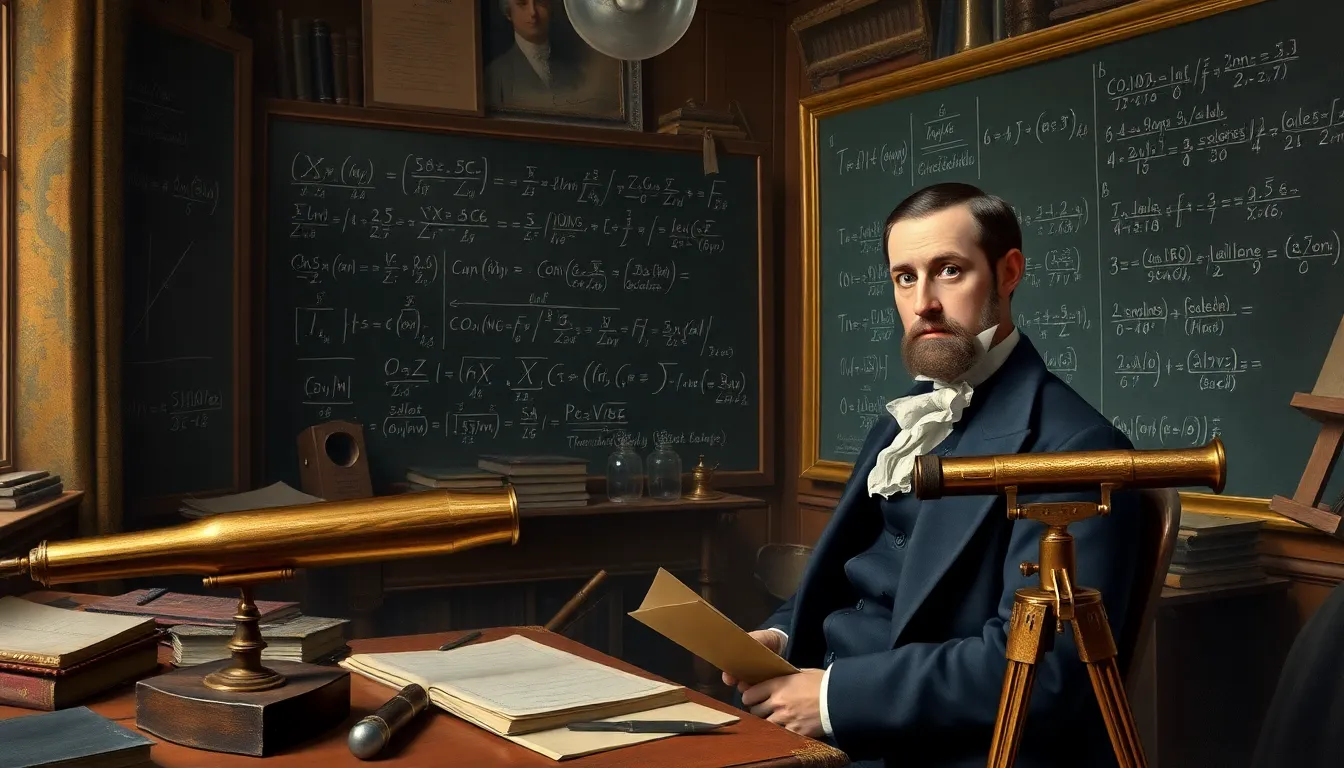
Augustin-Louis Cauchy (1789–1857) was a French mathematician whose rigorous approach to analysis laid the foundations for modern calculus, complex analysis, and elasticity theory.
Franz Boas (1858‑1942) was a German‑born anthropologist who reshaped American anthropology through rigorous fieldwork, cultural relativism, and a critical stance toward scientific racism. His career spanned teaching, extensive ethnographic research, and influential publications that continue to affect the discipline.
Margaret Mead (1901‑1978) was a pioneering American cultural anthropologist whose fieldwork in Oceania reshaped understandings of gender, adolescence, and cultural relativism. This biography covers her education, research career, major publications, personal life, and lasting impact.
Sir Alexander Fleming (1881‑1955) was a Scottish bacteriologist whose discovery of penicillin revolutionised modern medicine and earned him the 1945 Nobel Prize in Physiology or Medicine.
John B. Watson (1878–1958) was an American psychologist who founded behaviorism, reshaping the study of mind and behavior through rigorous experimental methods and a focus on observable phenomena.
Frederick Sanger (1918–2013) was a British biochemist who won two Nobel Prizes in Chemistry for his pioneering work on protein and nucleic‑acid sequencing, fundamentally shaping modern molecular biology.
Alan Turing (1912‑1954) was a British mathematician, logician, and cryptanalyst whose theoretical work laid foundations for computer science and whose practical achievements broke the German Enigma cipher in World War II.
Albert Einstein (1879‑1955) reshaped modern physics with his theories of special and general relativity. This biography traces his education, research career, seminal discoveries, and lasting impact on science and culture.
Alexander Graham Bell (1847–1922) was a Scottish‑born inventor, scientist, and teacher whose work on sound transmission led to the first practical telephone, reshaping global communication.
Archimedes of Syracuse (c. 287 – c. 212 BC) was a pre‑eminent mathematician, physicist, engineer, and inventor whose discoveries in geometry, mechanics, and hydrostatics shaped the development of science for centuries.
Carl Sagan (1934‑1996) was an American astronomer, astrophysicist, and gifted science communicator whose work on planetary atmospheres, the search for extraterrestrial life, and popular media like the TV series Cosmos reshaped public understanding of the cosmos.
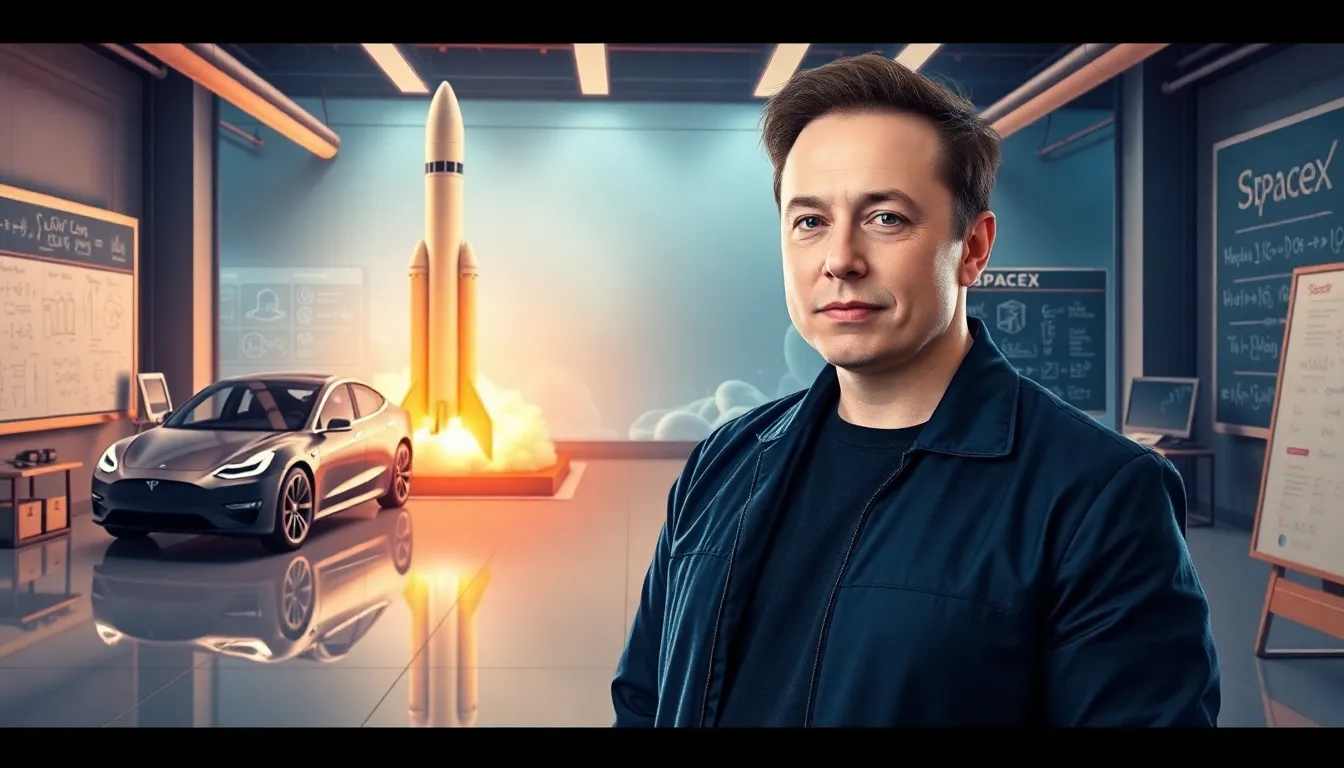
Elon Musk is a South African‑born entrepreneur and engineer whose ventures Tesla, SpaceX, and several other technology companies have reshaped transportation, energy, and space exploration. This biography outlines his education, inventions, and lasting impact on modern engineering.
Euclid, the ancient Greek mathematician of Alexandria, authored the Elements and laid the foundations of geometry that still shape mathematics and science today.
Francis S. Collins is an American physician‑geneticist who led the International Human Genome Project to completion and later directed the National Institutes of Health, shaping modern genomics and public health.
Gregor Mendel (1822–1884), an Augustinian monk in Moravia, conducted pioneering hybridisation experiments with pea plants that laid the foundations of modern genetics. His methodical approach revealed the laws of inheritance that underpin contemporary biology.
James Dewey Watson (born 1928) is an American molecular biologist best known for co‑discovering the double‑helical structure of DNA. His career spans groundbreaking research, influential publications, and a complex legacy in genetics and bioethics.
Jane Goodall, a pioneering primatologist, transformed our understanding of chimpanzee behavior and advocated for wildlife conservation through decades of field work, publications, and public outreach.
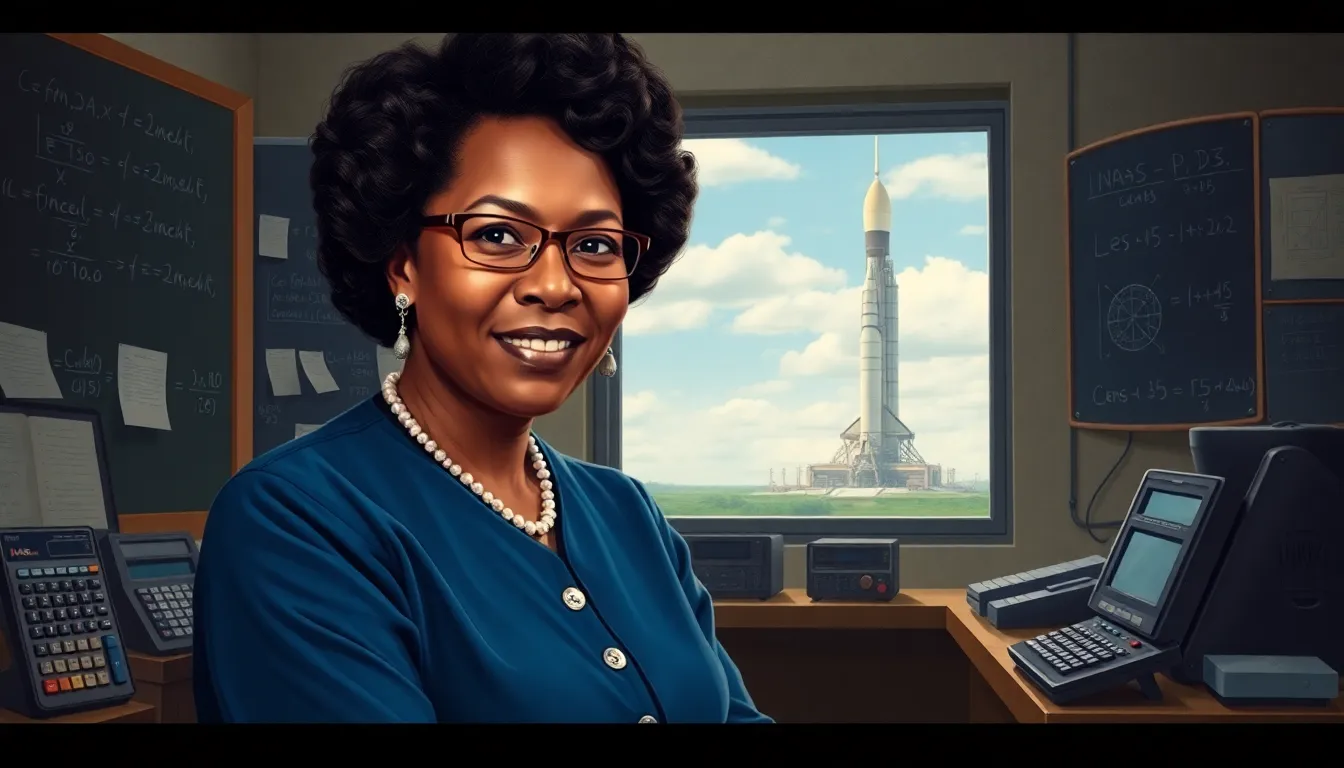
Katherine Johnson (1918–2020) was an African‑American mathematician whose calculations of orbital mechanics were critical to the success of early NASA missions, including John Glenn’s orbital flight and the Apollo Moon landings.
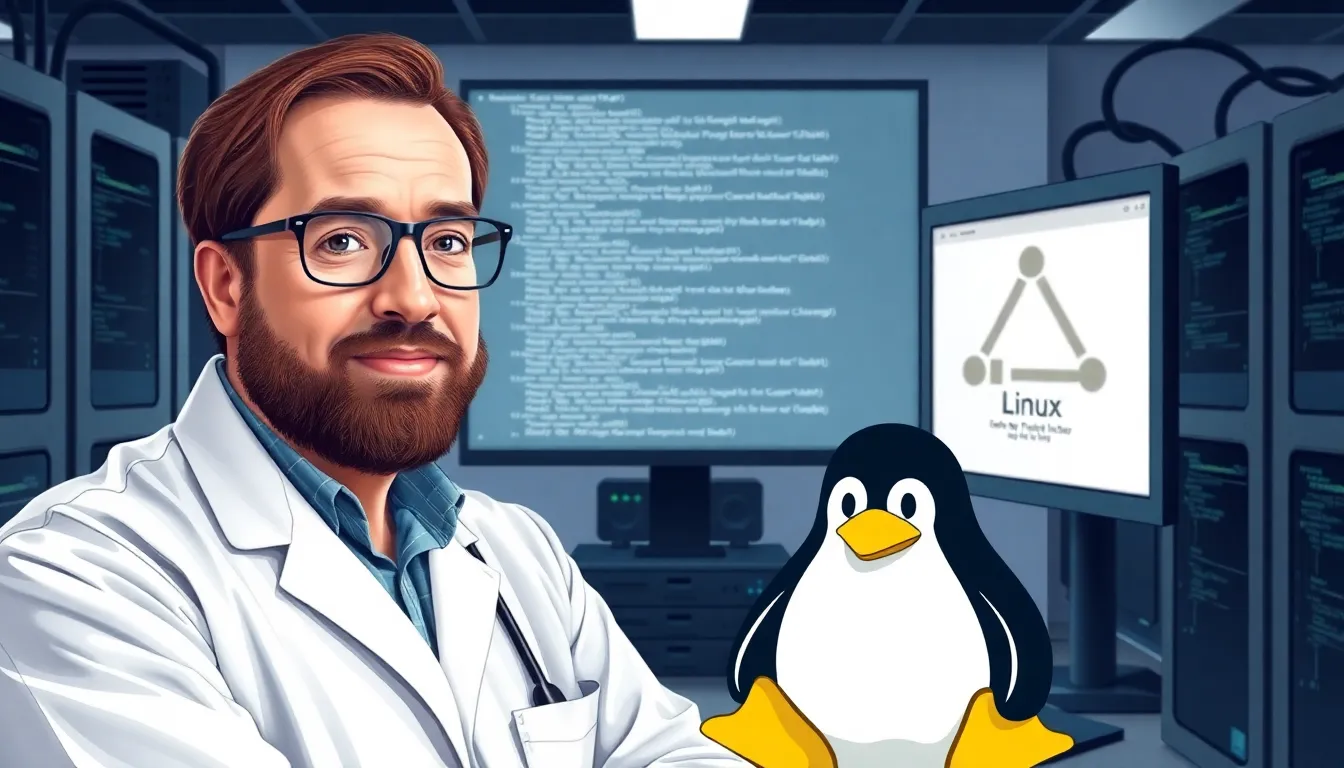
Linus Torvalds, a Finnish‑American software engineer, created the Linux kernel in 1991 and has guided its evolution for three decades. His work reshaped operating‑system development, open‑source collaboration, and modern computing infrastructure.
Marie Curie (1867‑1934) was a physicist and chemist whose groundbreaking research on radioactivity reshaped modern science and medicine. She was the first woman to win a Nobel Prize and remains the only person to receive Nobel honors in two different scientific fields.
Mary Jackson (1921–2005) was an American mathematician, aerospace engineer, and trailblazer who became NASA’s first Black female engineer, contributing to supersonic flight research and championing equal opportunity.
Nikola Tesla (1856–1943) was a Serbian‑American inventor and electrical engineer whose discoveries underpinned modern alternating‑current power systems, radio, and numerous other technologies.
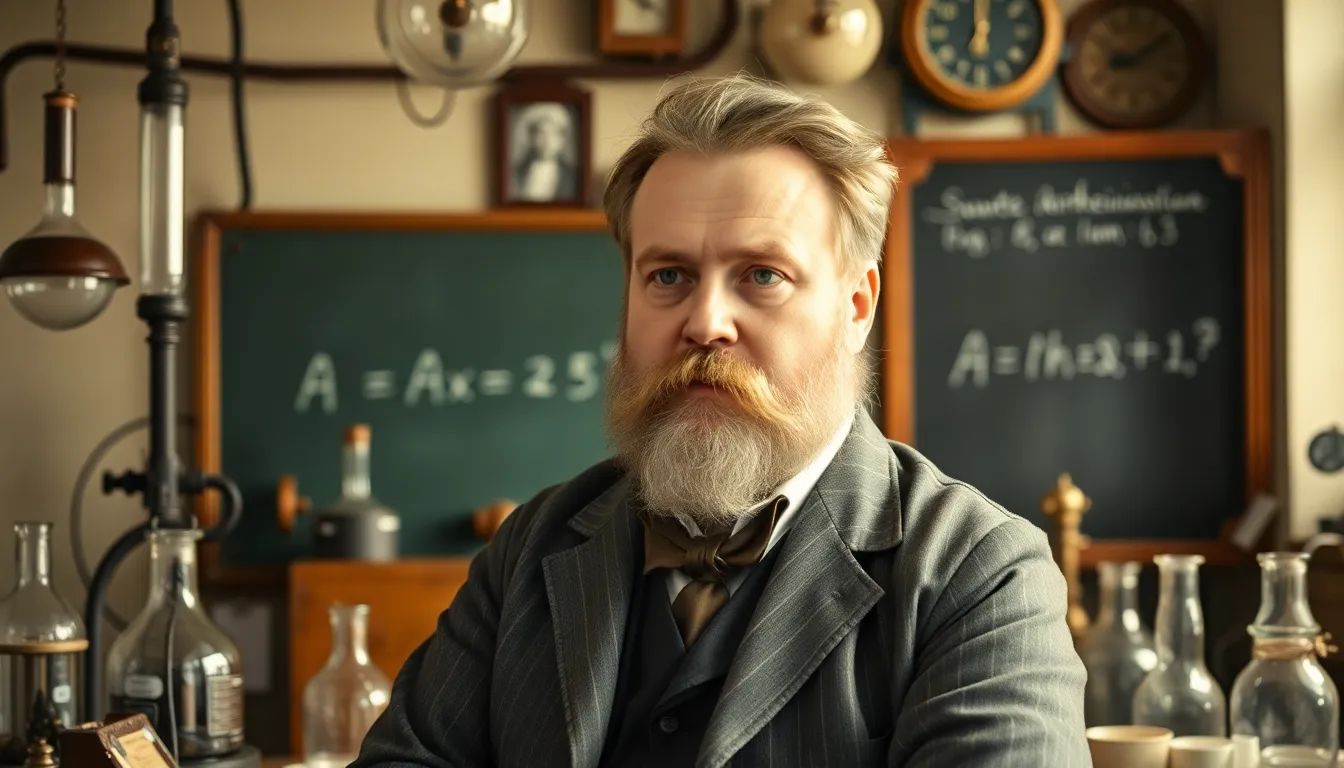
Svante Arrhenius (1859–1927) was a Swedish physical chemist whose work on ionisation, chemical kinetics and climate science earned him the 1903 Nobel Prize in Chemistry.
Robert Hooke (1635‑1703) was a key figure of the Scientific Revolution, best known for perfecting the compound microscope and for coining the term “cell” after observing cork tissue. His work spanned physics, astronomy, biology, and engineering, leaving a lasting imprint on modern science.
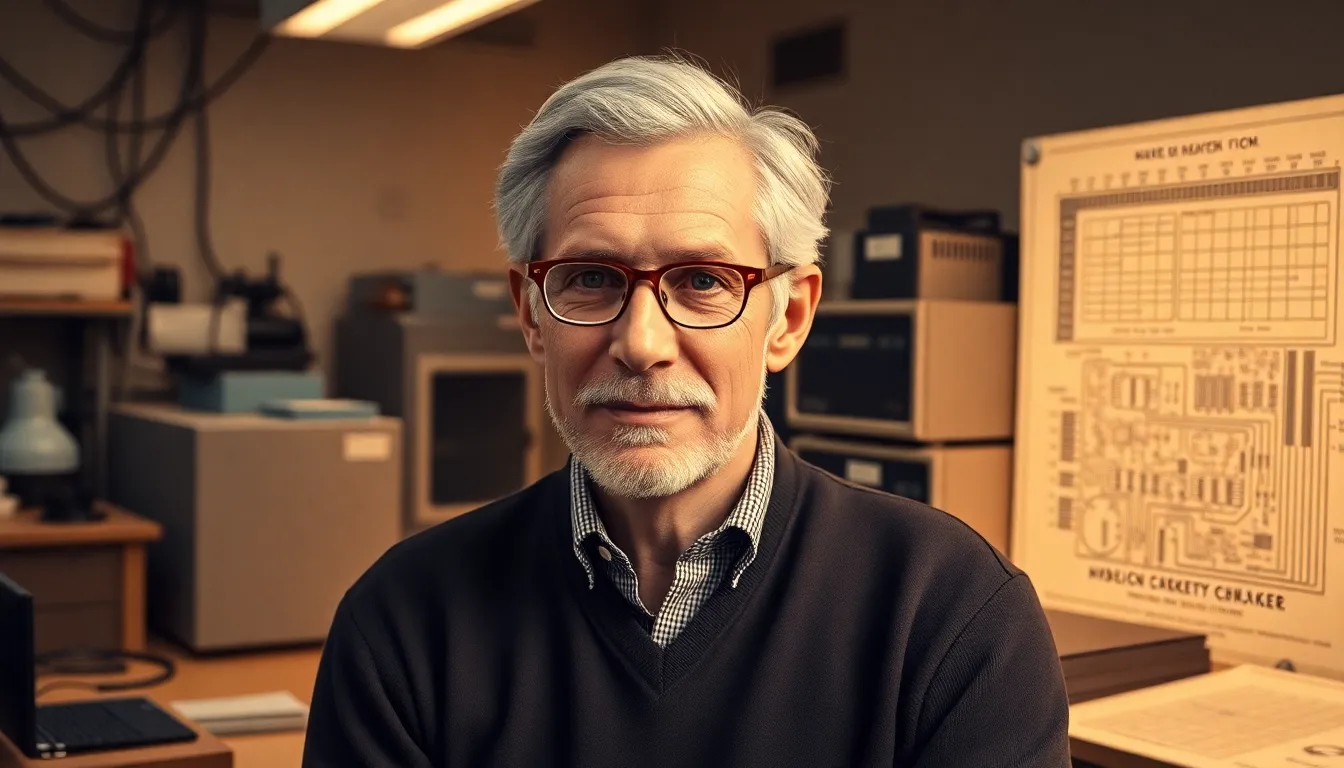
Robert Noyce (1927–1990) was an American physicist and entrepreneur whose work on the planar process and the integrated circuit laid the foundation for modern microelectronics. As a co‑founder of Fairchild Semiconductor and Intel, he helped shape the emergence of Silicon Valley.
Steve Jobs (1955–2011) was an American entrepreneur, inventor, and industrial designer whose work reshaped personal computing, digital media, and mobile communications.
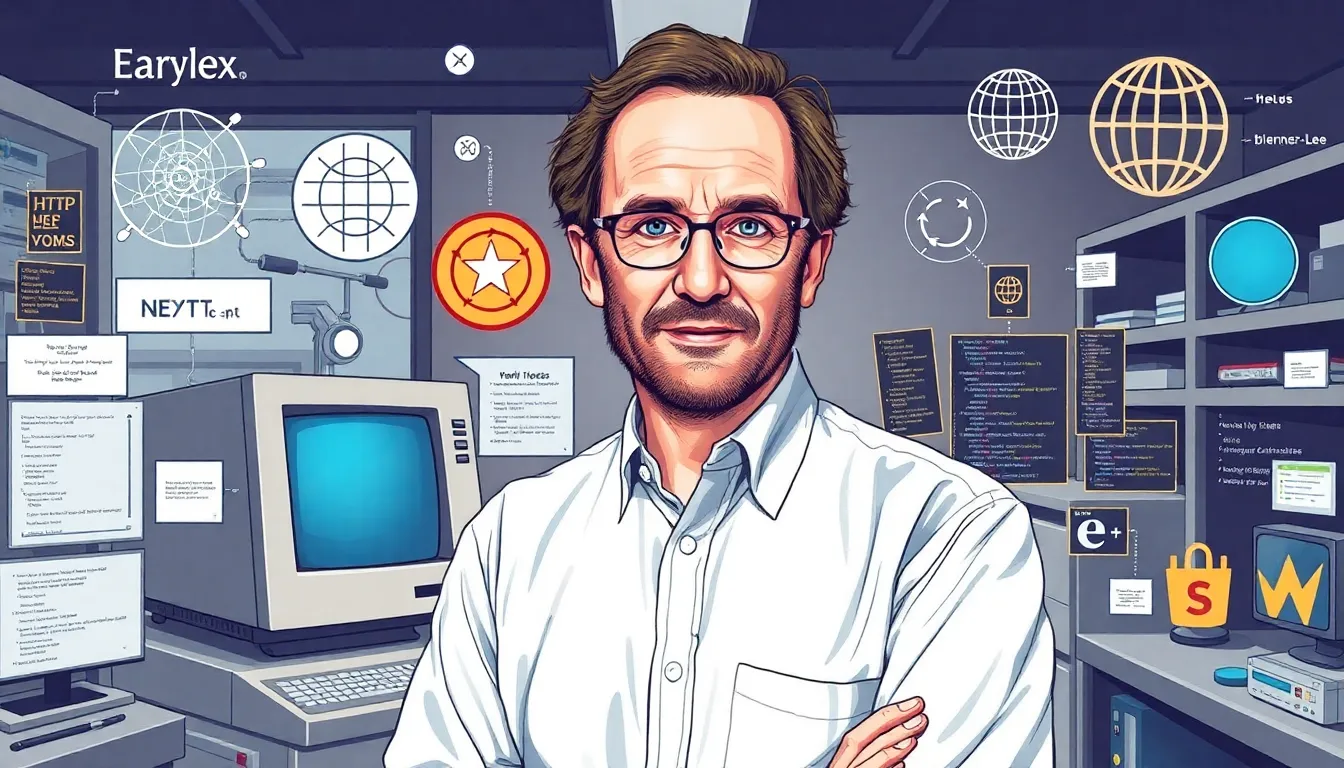
Tim Berners‑Lee, a British computer scientist born in 1955, invented the World Wide Web while working at CERN. His work on hypertext, protocols, and standards transformed global communication and laid the foundation for the modern Internet.
Carl Sagan (1934‑1996) was an American astronomer, astrophysicist, and prolific science communicator whose research on planetary atmospheres and his popular works reshaped public understanding of the cosmos.
Edward N. Lorenz (1917–2008) was an American mathematician and meteorologist whose pioneering work on deterministic chaos reshaped scientific thinking about predictability in the atmosphere and beyond.
Charles F. Richter (1900–1985) was an American seismologist best known for developing the Richter magnitude scale, a breakthrough that transformed earthquake measurement and risk assessment worldwide.
Charles Sanders Peirce (1839‑1914) was an American philosopher, logician, mathematician and semiotician whose work laid the foundations for pragmatism, modern logic, and the theory of signs. His prolific research spanned mathematics, astronomy, physics, and philosophy, influencing a wide range of scientific and humanities disciplines.
Marie Curie (1867–1934) was a pioneering physicist and chemist whose work on radioactivity earned her two Nobel Prizes. Her scientific career, personal sacrifices, and lasting influence reshaped modern physics, chemistry, and medicine.
Sir Archer John Porter Martin (1910–2002) was a British chemist whose pioneering work on partition chromatography earned him the Nobel Prize in Chemistry in 1952. His methods transformed analytical chemistry and laid foundations for modern biochemical separations.
Claude Shannon (1916‑2001) was an American mathematician and electrical engineer who founded information theory. His work transformed communications, computing, and the broader understanding of data.
Alan Turing (1912‑1954) was a British mathematician, logician and cryptanalyst whose theoretical work laid the foundations of computer science and whose wartime codebreaking accelerated the Allied victory.
Dorothy Hodgkin was a pioneering British crystallographer whose work determined the structures of vital biomolecules, earning her the 1964 Nobel Prize in Chemistry and reshaping modern science.
Stafford Beer (1926–2002) was a pioneering British theorist of management cybernetics, best known for the Viable System Model and his work on operational research. His interdisciplinary approach reshaped organizational theory and public policy throughout the late 20th century.
Rachel Carson (1907–1964) was an American marine biologist, author, and conservationist whose seminal work Silent Spring sparked the modern environmental movement.
Michael Faraday (1791–1867) was a British electrochemist whose experiments on electromagnetism and electrolysis laid the foundations for modern physics and chemistry. This biography explores his humble origins, scientific formation, groundbreaking discoveries, and lasting impact.
James Clerk Maxwell (1831–1879) was a Scottish physicist whose formulation of electromagnetic theory fundamentally transformed physics. His work laid the groundwork for modern technologies such as radio, television, and wireless communications.
Enrico Fermi (1901–1954) was an Italian‑American nuclear physicist whose work laid the foundations for quantum theory, particle physics and the first controlled nuclear chain reaction.
Niko Tinbergen (1907–1988) was a Dutch ethologist and Nobel laureate whose pioneering experiments on animal behaviour laid the foundations of modern ethology.
Theodosius Dobzhansky (1900–1975) was a Ukrainian‑American evolutionary biologist whose work helped forge the modern synthesis of genetics and natural selection. His research on fruit‑fly genetics reshaped evolutionary theory and earned him the National Medal of Science.
Galileo Galilei (1564–1642) revolutionized astronomy, physics, and scientific methodology, earning him the title ‘Father of Modern Science.’ This biography explores his education, research career, discoveries, publications, and lasting impact.