Explore Biographies of Politicians & World Leaders and uncover power, policy, ambition, crises, and legacies that shaped nations.
Explore Biographies of Politicians & World Leaders
Political leadership is the art of shaping history under conditions of uncertainty, opposition, and moral complexity. The biographies of politicians and world leaders offer something no history textbook can: the texture of power — how it is pursued, exercised, lost, and reckoned with by the individuals who hold it.
The Architecture of Political Power
Understanding how leaders rise tells us as much about their societies as it does about the individuals themselves. Abraham Lincoln's journey from frontier poverty to the presidency is inseparable from the crisis of American democracy in the 19th century. Nelson Mandela's 27 years in prison forged the moral authority that made reconciliation possible in post-apartheid South Africa. Angela Merkel's careful technocratic style reflected Germany's specific relationship with its own political past. Each leader is a product of their context as much as a shaper of it.
War, Diplomacy, and Crisis Leadership
Political leaders are most acutely revealed in moments of crisis. Winston Churchill's wartime oratory, Franklin D. Roosevelt's New Deal coalition, Mikhail Gorbachev's decision to allow the Soviet empire to dissolve without a military crackdown — these decisions altered the course of history. Biographies let us inhabit these decision points: the information available, the pressures applied, the alternatives considered, the consequences accepted.
The Ethics of Power
Political biography is also a genre of moral reckoning. Many leaders who achieved great things left deep contradictions in their wake — founders of democratic nations who enslaved other human beings, liberators who became authoritarian in power, reformers whose personal corruption undermined their public legacy. Engaging honestly with these contradictions is essential to understanding power.
Why These Biographies Matter Today
In an era of political polarization and democratic stress, understanding how past leaders navigated comparable challenges is not merely historical interest — it is practical wisdom. The decisions made by the individuals profiled here continue to shape the world we live in.
Browse the biographies below to explore the lives of the politicians and world leaders who have shaped nations, moved history, and defined what political leadership can mean.
Ariel Sharon (1928–2014) was a prominent Israeli military leader and politician who served as the country’s 11th prime minister. His career spanned key wars, the founding of the Likud party, and the controversial Gaza disengagement plan.
Alexander Hamilton, a Founding Father and the first U.S. Secretary of the Treasury, has inspired both scholarly study and popular culture, most famously Lin‑Manuel Miranda’s musical “Hamilton.” This biography examines his early life, political rise, policy legacy, controversies, and the ways the stage production reshaped public perception.
Andrés Manuel López Obrador, commonly known as AMLO, is the 58th President of Mexico. A former mayor of Mexico City and founder of the Morena party, his career spans decades of left‑wing activism, electoral battles, and a contentious presidency marked by sweeping reforms.
Bashar al‑Assad has led Syria since 2000, succeeding his father Hafez al‑Assad. His presidency has been marked by economic reforms, a brutal civil war, and intense international scrutiny.
Cleopatra VII (69–30 BCE) was the final ruler of the Ptolemaic Kingdom of Egypt, noted for her political acumen, diplomatic alliances with Rome, and lasting cultural legacy.
Dolores Huerta is a seminal American labor leader and civil rights activist whose organizing helped secure collective bargaining rights for farm workers. Her decades‑long career includes co‑founding the United Farm Workers, shaping migration policy, and mentoring new generations of activists.
Dwight D. Eisenhower rose from a modest Kansas upbringing to become the Supreme Commander of Allied forces in World War II and later the 34th President of the United States, shaping mid‑century American politics and foreign policy.
Elizabeth Cady Stanton (1815‑1902) was a pioneering American reformer who co‑authored the 1848 Declaration of Sentiments and helped shape the women’s suffrage movement. Her lifelong activism ranged from legal advocacy to public speaking, influencing constitutional debates and later feminist thought.
Evo Morales, Bolivia’s first indigenous president, rose from a cocalero union leader to a two‑term head of state, implementing a socialist agenda while sparking controversy over his constitutional reforms and term‑limit changes.
Fernando Henrique Cardoso is a Brazilian sociologist, professor, and politician who served as the 34th President of Brazil from 1995 to 2002, overseeing significant economic reforms and political stabilization.
Fidel Alejandro Castro Ruz (1926–2016) led Cuba for nearly five decades, shaping its political, economic, and social trajectory. His revolutionary overthrow of the Batista regime, socialist reforms, and Cold War alignment remain subjects of extensive study and debate.
Franklin D. Roosevelt led the United States through the Great Depression and World War II, shaping modern American government with the New Deal and wartime mobilization. His four‑term presidency left a lasting legacy on domestic policy and international affairs.
Frederick Douglass (c. 1818 – 1895) was an American former enslaved person who became a leading abolitionist, writer, and statesman, influencing 19th‑century politics and civil‑rights discourse.
George Washington (1732‑1799) served as the commander of the Continental Army, presided over the Constitutional Convention, and became the United States’ first president, shaping the nation’s early institutions and political culture.
Hillary Rodham Clinton is a former First Lady of the United States, U.S. Senator from New York, Secretary of State, and the Democratic Party’s 2016 presidential nominee. Her career spans law, public policy, and international diplomacy.
Hosni Mubarak served as Egypt’s president from 1981 to 2011, overseeing a period of relative stability, economic liberalization, and growing political repression. His long rule ended amid mass protests during the Arab Spring, leaving a complex legacy that continues to shape Egyptian politics.
Hugo Chávez (1954–2013) was a Venezuelan military officer and politician who served as President from 1999 until his death. He launched the Bolivarian Revolution, reshaping Venezuela’s political and economic landscape.
José Mujica served as Uruguay’s 40th president from 2010 to 2015, renowned for his modest lifestyle and progressive policies. His political career spans guerrilla activism, legislative leadership, and a presidency marked by social reform and economic pragmatism.
Kim Jong‑il (1941–2011) ruled North Korea as its supreme leader from 1994 until his death. His tenure was marked by a cult of personality, nuclear development, and severe economic hardship.
Lyndon B. Johnson, the 36th President of the United States, presided over a period of sweeping social legislation known as the Great Society, while also navigating the turbulence of the Vietnam War. His political career spanned from Texas state politics to national leadership, leaving a complex legacy of reform and controversy.
Mohandas Karamchand Gandhi (1869–1948) was the preeminent leader of the Indian independence movement, renowned for pioneering non‑violent civil disobedience. His political philosophy reshaped both Indian society and global approaches to protest.
Malcolm X (1925‑1965) was a prominent African‑American activist whose advocacy for Black empowerment, human rights, and self‑defense made a lasting impact on the civil‑rights movement in the United States.
Mohammad Reza Pahlavi ruled Iran from 1941 until his overthrow in 1979, overseeing a period of rapid modernization, deepening Cold War alignments, and escalating social tensions. His reign ended with the Iranian Revolution, which reshaped the country’s political landscape for decades.
Mustafa Kemal Atatürk (1881–1938) was the Ottoman military officer who led the Turkish War of Independence and founded the Republic of Turkey, serving as its first president and implementing sweeping secular and modernising reforms.
Nelson Mandela (1918–2013) was a South African anti‑apartheid revolutionary, political leader, and the country’s first Black president. His life encompassed decades of activism, imprisonment, and a remarkable transition to democratic leadership.
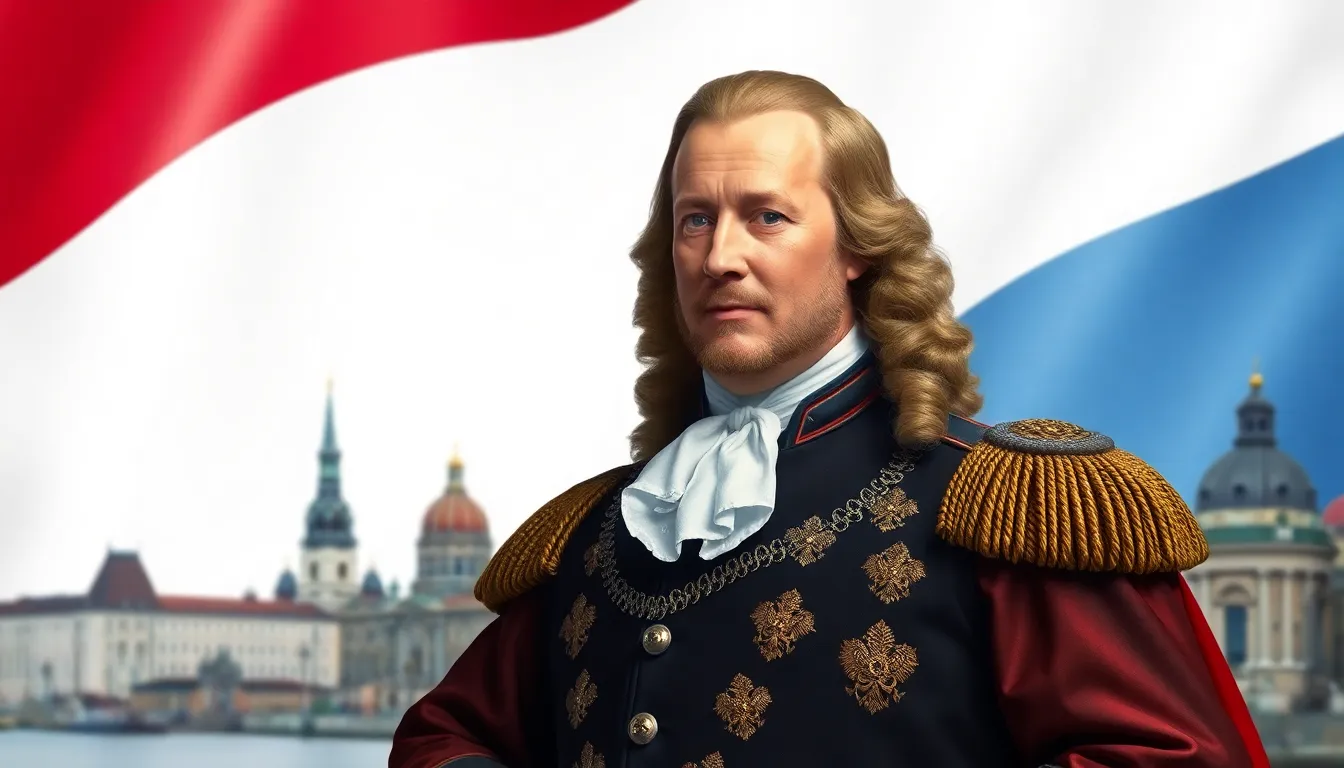
Peter I (Peter the Great) ruled Russia from 1682 to 1725 and oversaw a comprehensive transformation that modernized the state, its military, and its society. This biography examines his early life, political rise, governing style, reforms, wars, controversies, and lasting legacy.
Pierre Elliott Trudeau (1919‑2000) served as Canada’s 15th prime minister, shaping the nation’s identity through constitutional reform, bilingualism, and a charismatic, sometimes controversial, leadership style.
Queen Victoria (1819‑1901) reigned as the United Kingdom’s longest‑serving monarch of the 19th century, overseeing a vast empire and presiding over profound social, political, and industrial change. In 1876 she assumed the title Empress of India, symbolising the Crown’s imperial authority over the subcontinent.
Rishi Sunak is a British politician who has served as Prime Minister of the United Kingdom since October 2022. A member of the Conservative Party, his career spans finance, Treasury, and national leadership during a period of economic and geopolitical turbulence.
Ruth Bader Ginsburg (1933–2020) was an influential U.S. Supreme Court Justice known for her pioneering work on gender equality and her steadfast jurisprudence. This biography traces her early life, legal advocacy, judicial service, and lasting legacy.
Saddam Hussein (1937‑2006) was the President of Iraq from 1979 until 2003, overseeing a period marked by rapid modernization, brutal repression, regional wars, and eventual foreign intervention.
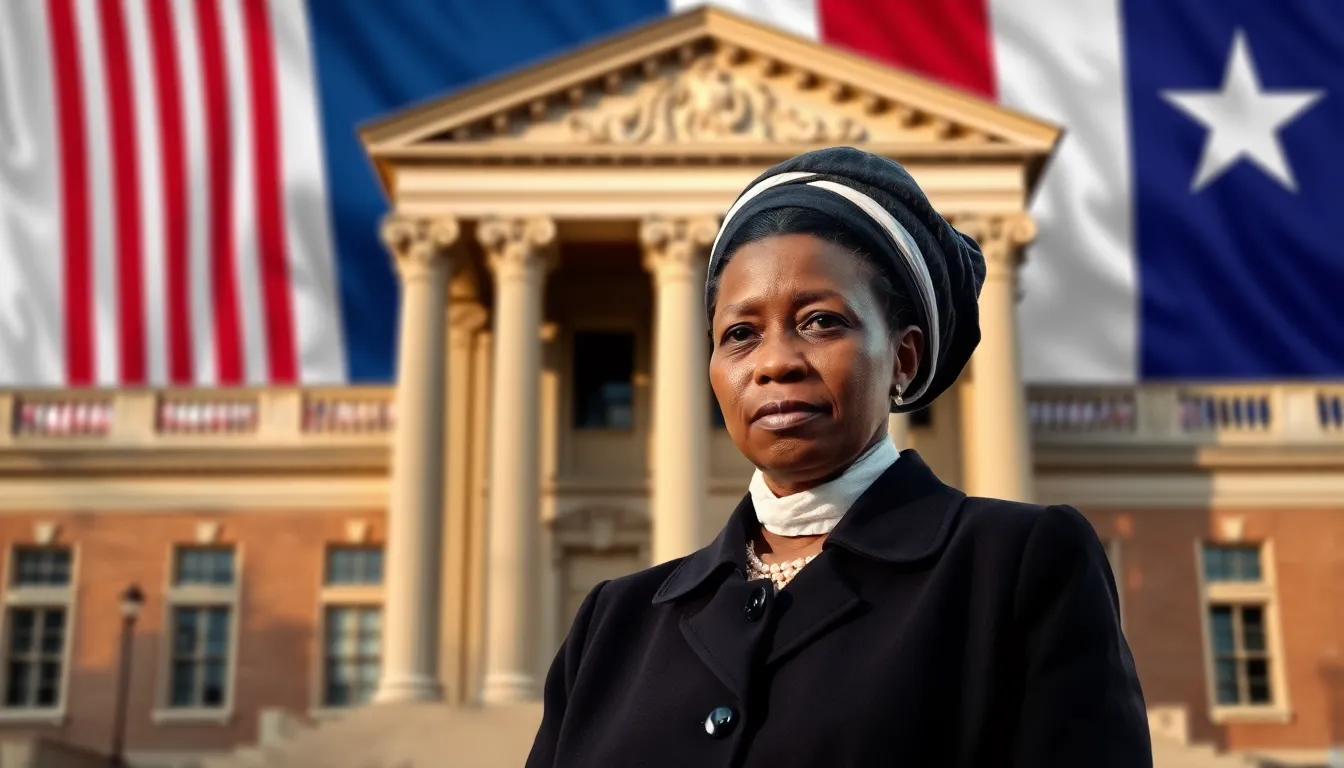
Sojourner Truth was a former enslaved woman who became a powerful abolitionist and women’s rights activist, best known for her 1851 “Ain’t I a Woman?” speech.
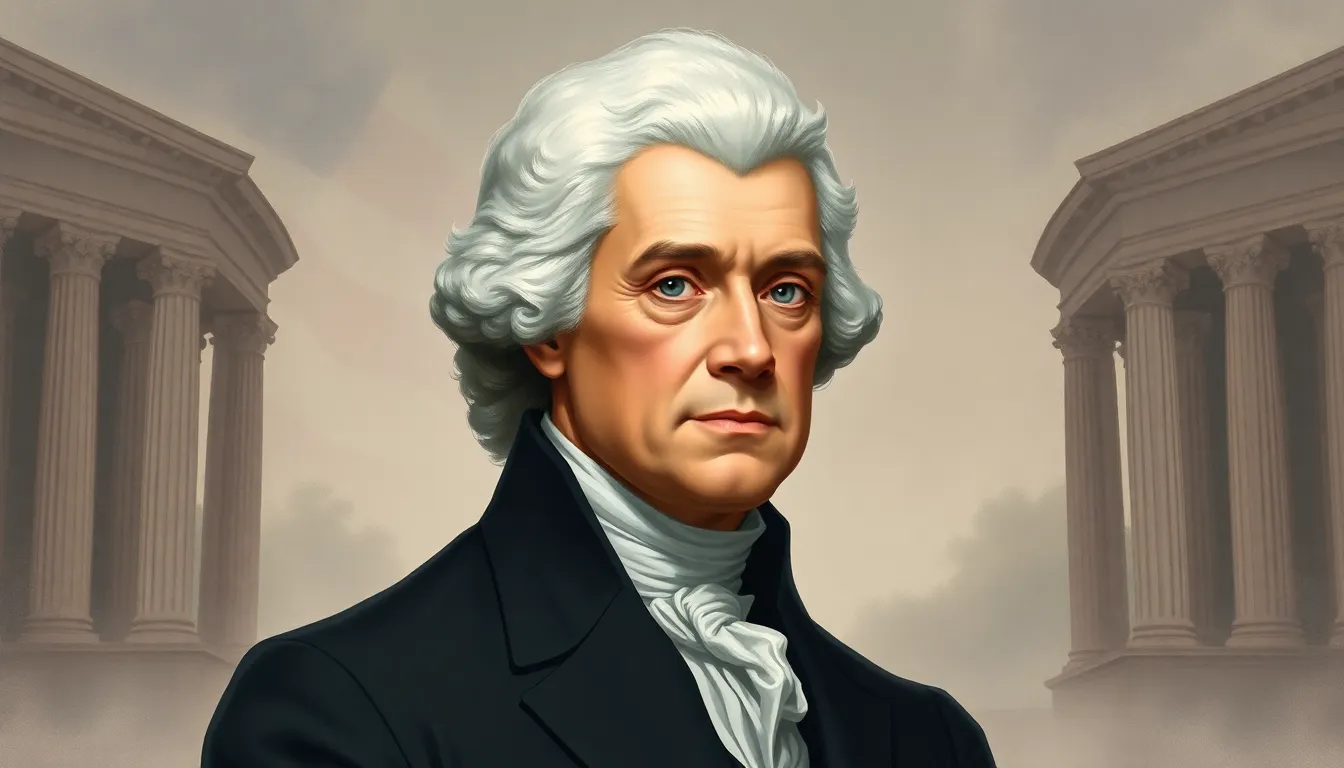
Thomas Jefferson (1743–1826) was the primary author of the Declaration of Independence and later served as the third President of the United States. This biography explores his early life, political ascent, major policies, controversies, and enduring legacy.
Thurgood Marshall (1908–1993) was a pioneering civil‑rights lawyer and the first African American appointed to the United States Supreme Court. His career spanned academia, litigation, and judicial service, reshaping American constitutional law.
Tony Blair led the United Kingdom as Prime Minister from 1997 to 2007, steering the Labour Party to three consecutive election victories and shaping domestic and foreign policy during a period of profound change.
Winston Churchill (1874–1965) was a British statesman, writer, and wartime leader whose career spanned five decades. He served twice as Prime Minister and is renowned for his leadership during World War II and his prolific literary output.
Yasser Arafat was a central figure in the modern Palestinian national movement, serving as the chairman of the Palestine Liberation Organization and later as President of the Palestinian Authority. His political career spanned more than five decades, marked by armed struggle, diplomatic negotiations, and enduring controversy.
Yitzhak Rabin (1922‑1995) was an Israeli statesman who served twice as Prime Minister, a former Chief of Staff of the Israel Defense Forces, and a key architect of the Oslo peace process.
Charlemagne (c. 742 – 28 January 814) was the Frankish king and later Emperor who united much of Western Europe, instituted administrative reforms, and fostered a cultural revival that shaped the medieval world.
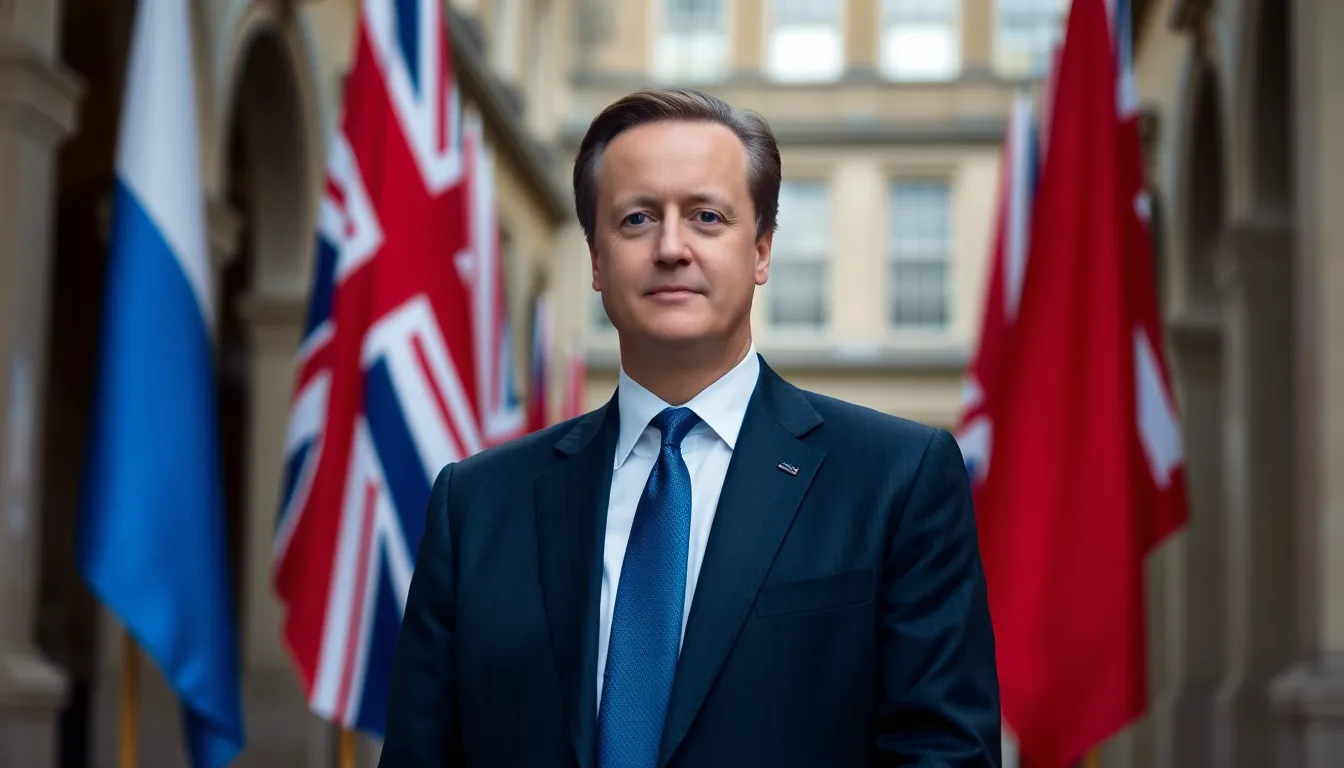
David Cameron served as the United Kingdom’s Prime Minister from 2010 to 2016, overseeing a coalition government, major economic reforms, and the EU referendum that reshaped British politics.
Donald J. Trump (born June 14, 1946) is an American real‑estate developer and television personality who served as the 45th President of the United States from 2017 to 2021. His rise from a New York‑based businessman to the nation’s highest political office reshaped American politics and continues to influence public discourse.
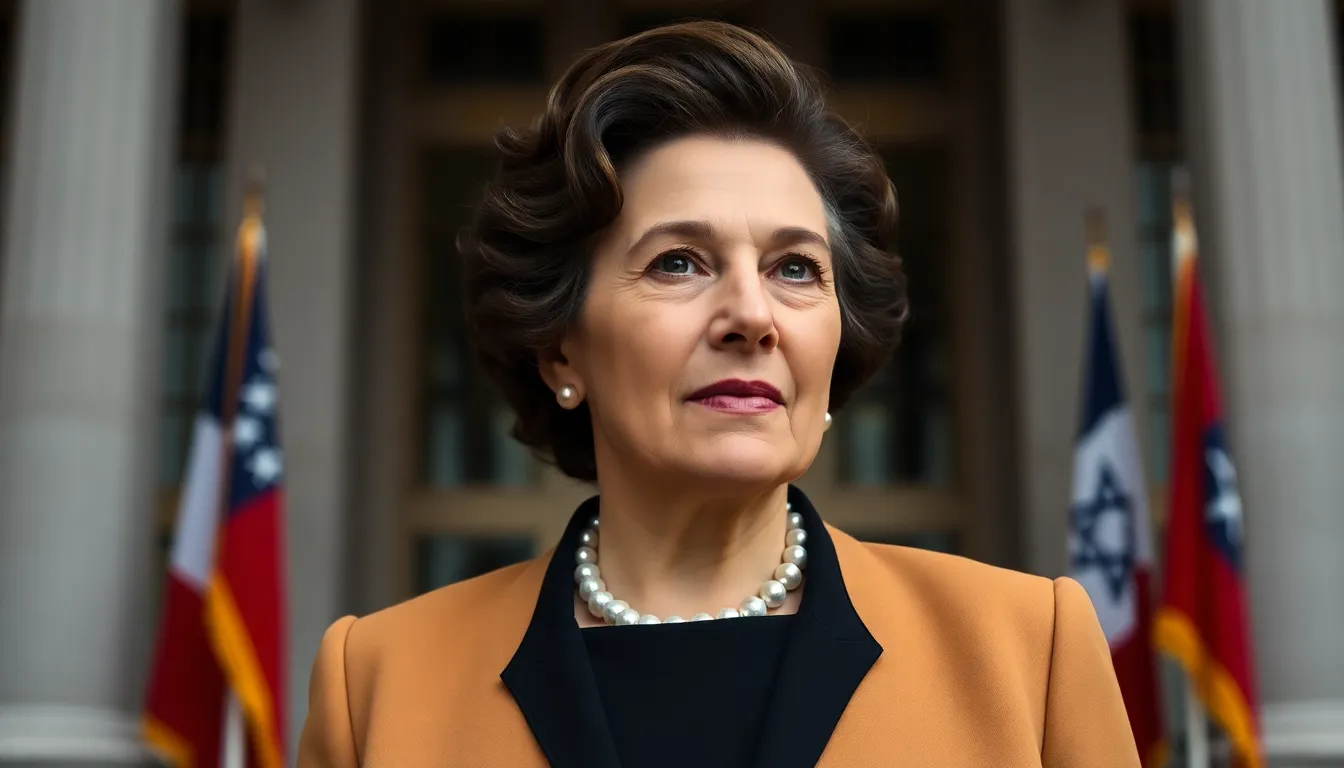
Golda Meir, Israel’s fourth prime minister, was a pioneering stateswoman whose career spanned the formative decades of the Jewish state. This biography outlines her early life, political ascent, policies, and lasting impact on Israeli society and international relations.
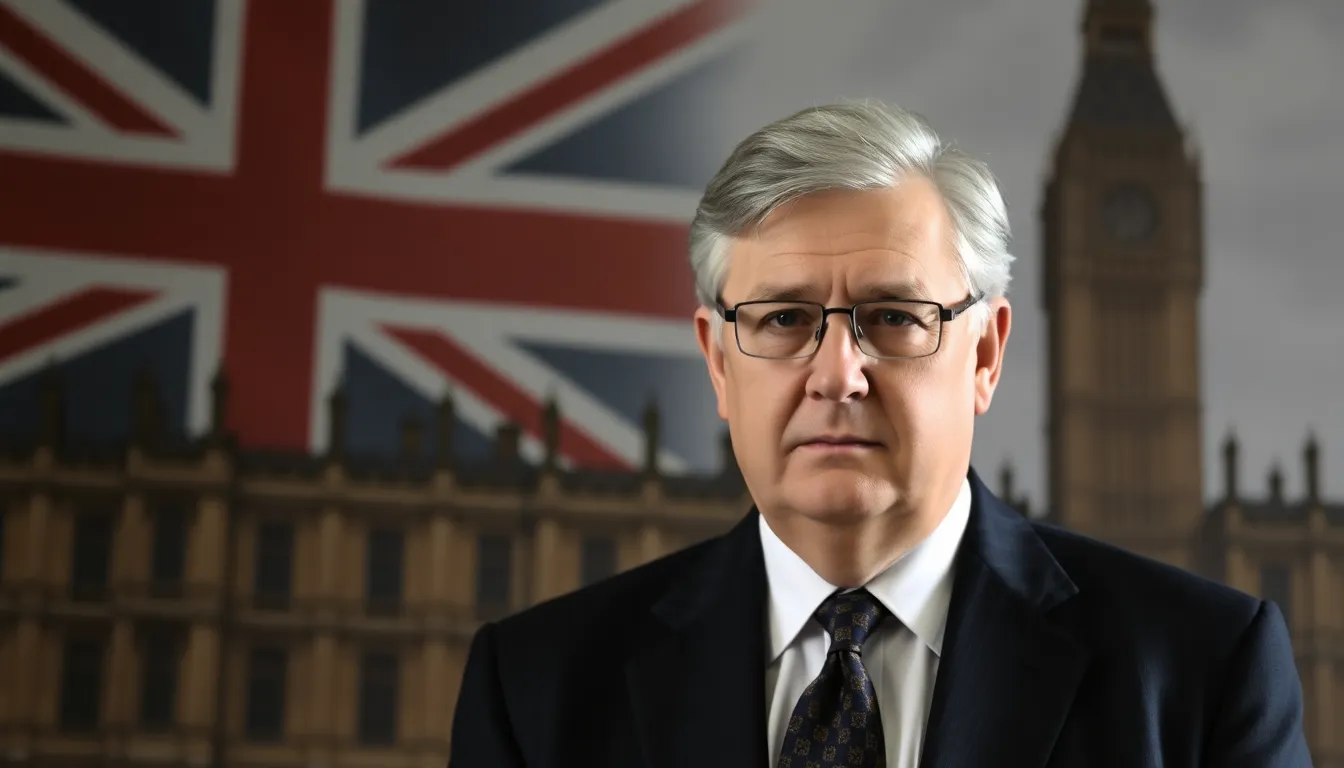
Harold Wilson served as Prime Minister of the United Kingdom during two separate terms (1964–1970 and 1974–1976). A Labour Party stalwart, his premiership was marked by modernising reforms, economic challenges, and a distinctive approach to party leadership.
Harriet Tubman (c.1822‑1913) escaped slavery, guided dozens of enslaved people to freedom via the Underground Railroad, served the Union Army, and became a lasting symbol of resistance and humanitarian leadership.
Indira Gandhi served as India’s third prime minister, shaping the nation through decisive leadership, controversial policies, and pioneering reforms. Her political career spanned two decades marked by economic initiatives, wartime governance, and a lasting legacy.
James Callaghan (1912‑2005) served as the United Kingdom’s Prime Minister from 1976 to 1979, navigating economic turbulence and industrial unrest. His long parliamentary career spanned senior roles in the Home Office, Treasury, Defence, and Foreign Affairs.
Jawaharlal Nehru (1889‑1964) was a central figure in India’s independence movement and served as the nation’s first prime minister, shaping its democratic institutions, foreign policy, and socio‑economic agenda for fifteen years.
Joseph Robinette Biden Jr., the 46th President of the United States, rose from modest beginnings in Delaware to a six‑decade career in public service, shaping American policy through the Senate, the Vice Presidency, and his own administration.