Explore Biographies of Politicians & World Leaders and uncover power, policy, ambition, crises, and legacies that shaped nations.
Explore Biographies of Politicians & World Leaders
Political leadership is the art of shaping history under conditions of uncertainty, opposition, and moral complexity. The biographies of politicians and world leaders offer something no history textbook can: the texture of power — how it is pursued, exercised, lost, and reckoned with by the individuals who hold it.
The Architecture of Political Power
Understanding how leaders rise tells us as much about their societies as it does about the individuals themselves. Abraham Lincoln's journey from frontier poverty to the presidency is inseparable from the crisis of American democracy in the 19th century. Nelson Mandela's 27 years in prison forged the moral authority that made reconciliation possible in post-apartheid South Africa. Angela Merkel's careful technocratic style reflected Germany's specific relationship with its own political past. Each leader is a product of their context as much as a shaper of it.
War, Diplomacy, and Crisis Leadership
Political leaders are most acutely revealed in moments of crisis. Winston Churchill's wartime oratory, Franklin D. Roosevelt's New Deal coalition, Mikhail Gorbachev's decision to allow the Soviet empire to dissolve without a military crackdown — these decisions altered the course of history. Biographies let us inhabit these decision points: the information available, the pressures applied, the alternatives considered, the consequences accepted.
The Ethics of Power
Political biography is also a genre of moral reckoning. Many leaders who achieved great things left deep contradictions in their wake — founders of democratic nations who enslaved other human beings, liberators who became authoritarian in power, reformers whose personal corruption undermined their public legacy. Engaging honestly with these contradictions is essential to understanding power.
Why These Biographies Matter Today
In an era of political polarization and democratic stress, understanding how past leaders navigated comparable challenges is not merely historical interest — it is practical wisdom. The decisions made by the individuals profiled here continue to shape the world we live in.
Browse the biographies below to explore the lives of the politicians and world leaders who have shaped nations, moved history, and defined what political leadership can mean.
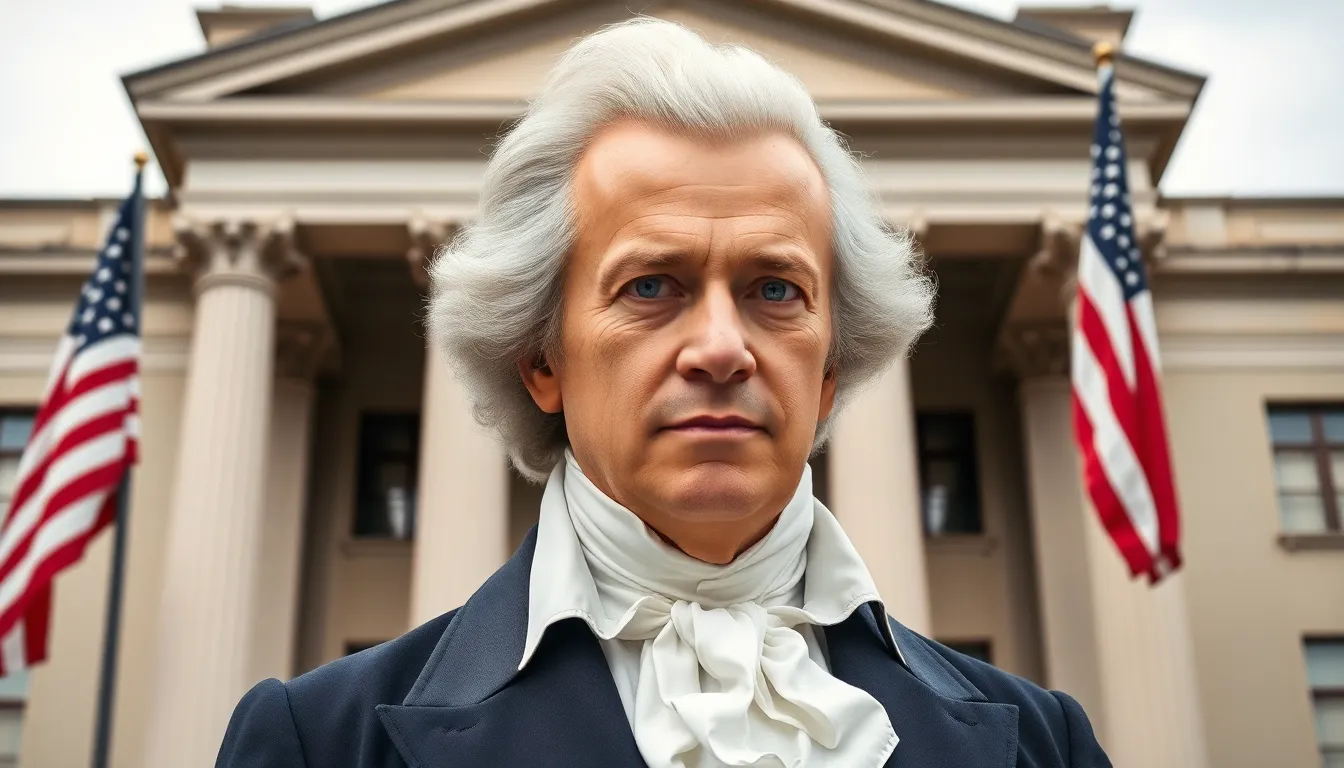
John Adams (1735–1826) was an American lawyer, diplomat, and political theorist who served as the second President of the United States from 1797 to 1801. A leading advocate of independence, he helped shape early American foreign policy and constitutional development.
John Major served as Prime Minister of the United Kingdom from 1990 to 1997, overseeing a period of economic recovery, constitutional reform, and foreign‑policy challenges. His political career spanned more than four decades, from local councilor to the leader of the Conservative Party.
Julius Caesar (100‑44 BC) was a Roman general, statesman and author whose rise to power ended the Roman Republic and set the stage for the Imperial era. This biography traces his early life, political ascent, offices, policies, controversies, and lasting legacy.
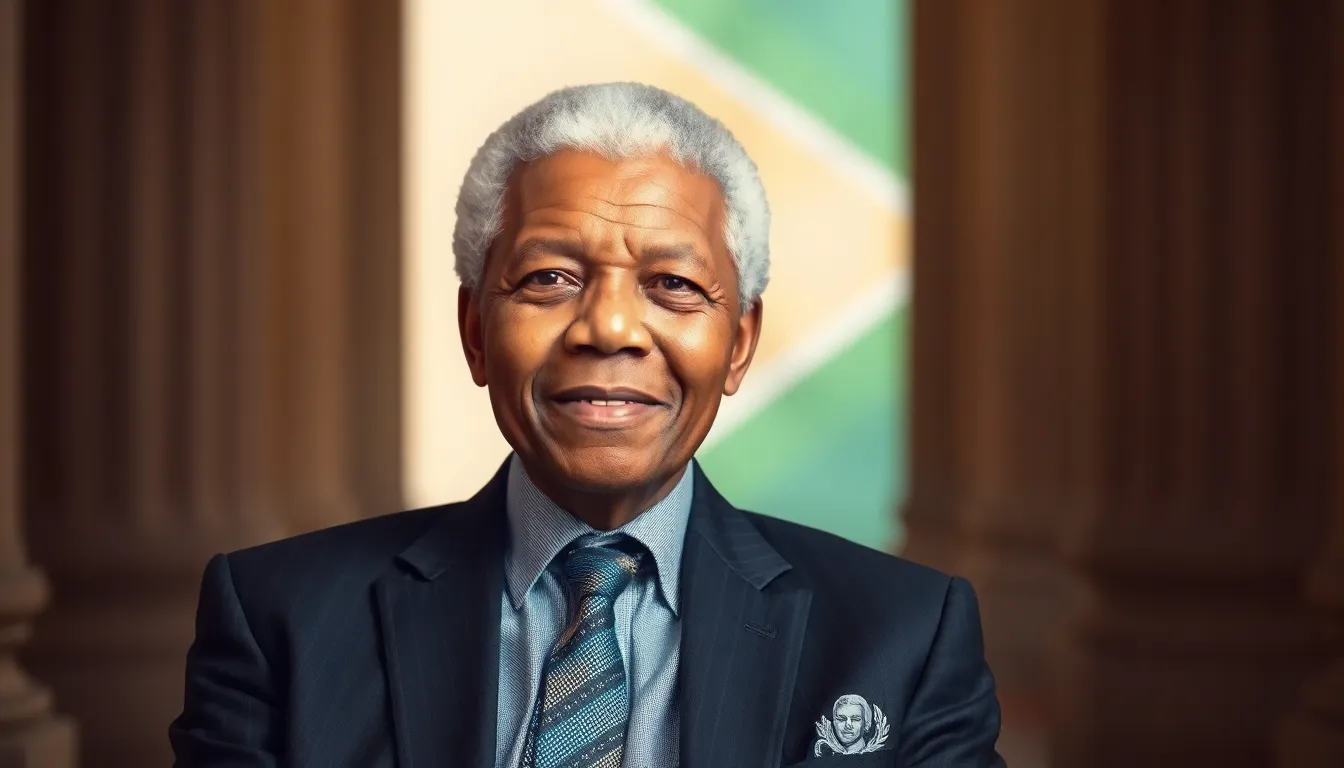
Nelson Mandela (1918‑2013) was a South African anti‑apartheid revolutionary, political leader, and the country’s first black president. His life spanned activism, imprisonment, and a negotiated transition to democracy, leaving a lasting global legacy.
Ronald Wilson Reagan (1911–2004) was the 40th President of the United States, known for his skillful rhetoric, conservative agenda, and pivotal role in ending the Cold War. His career spanned acting, state politics, and national leadership.
Barack Obama, the 44th President of the United States, broke historic barriers as the nation’s first Black commander‑in‑chief. This biography traces his early years, political ascent, presidential agenda, and lasting influence on American and global politics.
Benjamin Franklin (1706‑1790) was a polymath who shaped early American politics, diplomacy, and civic life. His career spans printing, scientific invention, and crucial roles in the American Revolution and early Republic.
Cesar Chavez (1927‑1993) was a Mexican‑American labor leader who co‑founded the United Farm Workers union and championed the rights of farm laborers through non‑violent organizing, strikes, and boycotts.
Ernesto “Che” Guevara (1928‑1967) was an Argentine‑born Marxist revolutionary who played a central role in the Cuban Revolution and later pursued armed insurgencies across Latin America, shaping Cold‑War politics and leftist movements worldwide.
Temujin, later known as Genghis Khan, united the Mongol tribes in the early 13th century, creating an empire that reshaped Eurasia. His political rise, military reforms, and administrative legacy remain subjects of scholarly debate.
Hafez al‑Assad served as Syria’s president from 1971 until his death in 2000, overseeing a period of political centralisation, regional conflict, and extensive state‑led development. His rule left a complex legacy of stability, repression, and regional influence.
Hugo Chávez was a Venezuelan military officer who became president in 1999, implementing a socialist agenda dubbed the Bolivarian Revolution. His tenure reshaped Venezuela’s political landscape amid intense domestic and international controversy.
John F. Kennedy, the 35th President of the United States, led the nation through a turbulent Cold War era, championing civil rights, space exploration, and a vision of a ‘New Frontier’. His brief tenure, tragic assassination, and enduring cultural myth of ‘Camelot’ have shaped American political memory.
Justin Trudeau, Canada’s 23rd prime minister, has shaped contemporary Canadian politics through progressive policies, a distinctive leadership style, and a high‑profile international presence. This biography examines his early life, political ascent, tenure in office, and lasting impact.
Mustafa Kemal Atatürk (1881–1938) transformed the remnants of the Ottoman Empire into the secular, modern Republic of Turkey, instituting sweeping political, social, and economic reforms that continue to shape Turkish society.
Kim Il-sung (1912–1994) founded the Democratic People’s Republic of Korea and ruled it for nearly five decades, shaping its political system, ideology, and international posture.
Luiz Inácio Lula da Silva, commonly known as Lula, served three terms as Brazil’s president, shaping the nation’s social policies and international standing. His long political career spans union activism, the founding of the Workers’ Party, and a complex legacy of economic growth and controversy.
Margaret Thatcher (1925‑2013) was the United Kingdom’s first female prime minister, serving from 1979 to 1990. Her tenure reshaped British politics through economic liberalisation, a strong stance against the Soviet bloc, and contentious social reforms.
Martin Luther King Jr. was an American minister and civil‑rights activist who led the non‑violent movement against racial segregation in the United States. His speeches, especially “I Have a Dream,” and his leadership helped secure landmark legislation and inspired global human‑rights movements.
Napoleon Bonaparte rose from a modest Corsican background to become Emperor of the French, reshaping European politics through reforms, wars, and a lasting legal legacy.
Queen Elizabeth II reigned for seventy‑six years, overseeing profound constitutional, social, and geopolitical change. Her tenure shaped the modern British monarchy and left a lasting imprint on Commonwealth relations.
Sandra Day O’Connor broke gender barriers as the first woman appointed to the United States Supreme Court, shaping American law through her pragmatic jurisprudence and dedication to civic service.
Theodore Roosevelt (1858–1919) was a dynamic American statesman, reformer, and naturalist who served as the 26th President of the United States. His progressive policies, conservation efforts, and vigorous leadership reshaped American politics and society in the early twentieth century.
Winston Churchill (1874‑1965) was a British statesman, writer, and wartime leader who served as Prime Minister during World War II and again in the early 1950s, shaping mid‑century politics and international affairs.
Abraham Lincoln, the 16th President of the United States, led the nation through its Civil War and enacted the Emancipation Proclamation, reshaping American democracy. This biography traces his humble origins, political ascent, presidential leadership, and enduring legacy.
Anwar Sadat (1918–1981) led Egypt from 1970 until his assassination, steering the nation through war, peace initiatives, and sweeping domestic reforms. His legacy remains contested but profoundly shaped modern Middle Eastern politics.
Augustus Caesar (63 BC – 14 AD) transformed the Roman Republic into the Roman Empire, establishing a political order that endured for centuries. His long reign combined military success, administrative reform, and a carefully crafted public image.
Catherine II (1729‑1796), born a German princess, seized the Russian throne in 1762 and ruled for thirty-four years, overseeing territorial expansion, legal reform, and a vibrant cultural renaissance.
Desmond Mpilo Tutu (1931–2021) was a South African Anglican archbishop, theologian, and anti‑apartheid activist whose moral leadership helped shape South Africa’s transition to democracy.
Gloria Steinem (born 1934) is an American journalist, activist, and leader of the modern feminist movement. Over six decades she co‑founded pivotal organizations, shaped public policy debates, and remains a prominent voice for gender equality.
Harry S. Truman rose from modest beginnings in rural Missouri to become the 33rd President of the United States, guiding the nation through the final months of World War II and the early Cold War. His decisive leadership, plain‑spoken style, and controversial decisions left a lasting imprint on American and world history.
James Madison (1751–1836) was a Founding Father, chief architect of the U.S. Constitution, and fourth President of the United States. His political career spanned the Revolutionary era, the formation of the republic, and the early Republic’s most turbulent challenges.
Kim Jong-un has led the Democratic People’s Republic of Korea since 2011, continuing the dynastic rule established by his grandfather. His tenure is marked by nuclear development, diplomatic overtures, and tightly controlled domestic policy.
Margaret Thatcher (1925‑2013) was the United Kingdom’s first female prime minister, serving from 1979 to 1990. Her tenure reshaped British politics through sweeping economic reforms, a strong stance against the Soviet bloc, and a polarising legacy that continues to influence contemporary debate.
Muammar al‑Qadhafi was a Libyan revolutionary and politician who ruled Libya from 1969 until his death in 2011. His rule combined Arab nationalism, socialism, and a distinctive political philosophy that reshaped Libya’s domestic and foreign policies.
Rafael Correa served as President of Ecuador from 2007 to 2017, steering the nation through a period of economic growth, constitutional reform, and political controversy. His left‑wing policies, confrontational style, and post‑presidential legal battles have left a lasting imprint on Ecuadorian politics.
Reza Pahlavi, Crown Prince of Iran, is a prominent member of the former Pahlavi dynasty and an active opposition figure living in exile. He has pursued education in the United States, founded political organizations, and advocated for democratic reforms in Iran.
Richard Nixon, the 37th President of the United States, rose from modest beginnings to the nation’s highest office, only to resign amid the Watergate scandal. This biography traces his early life, political ascent, presidency, and the events that led to his historic resignation.
Rosa Parks (1913–2005) was an African‑American civil‑rights activist whose refusal to surrender her seat on a Montgomery bus sparked a citywide boycott and propelled the movement into national prominence.
Shimon Peres (1923‑2016) was a central figure in Israeli politics for more than six decades, serving as Prime Minister, Foreign Minister, Defense Minister, and President, and receiving the Nobel Peace Prize for his role in the Oslo Accords.
Susan B. Anthony (1820‑1906) was a pivotal leader of the American women’s suffrage movement, whose lifelong activism shaped the fight for voting rights and gender equality in the United States.
Vicente Fox served as Mexico’s 55th president from 2000 to 2006, becoming the first member of an opposition party to win the presidency in over seven decades. His tenure marked a pivotal shift in Mexican politics, blending business acumen with a populist style.
Viktor Orbán has been a central figure in Hungarian politics for more than three decades, serving multiple terms as prime minister and shaping the country’s domestic and foreign policies. His career reflects a blend of post‑communist reform, nationalist rhetoric, and controversial constitutional changes.
William I, known as William the Conqueror, rose from a disputed ducal heir in Normandy to become the first Norman king of England after his victory at Hastings in 1066, reshaping English politics, law, and society.