Explore Biographies of Unsung Heroes & Hidden Figures
Recognizing Lives Beyond Fame
History is often told through famous names. Leaders, inventors, celebrities, generals, presidents, artists, and public icons dominate textbooks, documentaries, monuments, and headlines. Their stories are important, but they are not the whole story. Behind every visible achievement are countless people whose efforts shaped events without receiving equal recognition.
Unsung heroes are the people who acted with courage, intelligence, generosity, or persistence while standing outside the bright radius of fame. Some worked in laboratories, classrooms, hospitals, farms, factories, community centers, courtrooms, libraries, resistance networks, and public institutions. Others helped families survive, protected neighbors, preserved knowledge, challenged injustice, or made quiet sacrifices that changed the lives of those around them.
Their biographies matter because they broaden the meaning of greatness. They show that influence is not always loud. Sometimes it is patient, local, disciplined, and almost invisible.
A hidden life can still leave a profound imprint.
Hidden Figures as Architects of Change
Hidden figures are often the unseen architects of progress. They may not appear in the most famous photograph. Their names may not be printed in the largest font. Yet their calculations, decisions, labor, advocacy, mentorship, or moral courage may have made a larger achievement possible.
In science, hidden figures may include researchers, assistants, technicians, programmers, mathematicians, and field workers whose contributions were overshadowed by senior figures. In civil rights movements, they may include organizers, translators, drivers, teachers, local activists, and ordinary citizens who endured danger without seeking applause. In medicine, they may include nurses, caregivers, public health workers, and laboratory staff whose work saved lives but rarely became famous.
These biographies reveal the infrastructure of change. They show that transformation is rarely the work of one person alone. It is usually collective, cumulative, and dependent on people history nearly forgot.
The Meaning of an Unsung Hero
Quiet Courage and Unrecognized Contribution
An unsung hero is not necessarily unknown because their work was small. Often, they are unknown because society failed to notice them properly. Their contribution may have been hidden by prejudice, class hierarchy, gender discrimination, racial exclusion, institutional neglect, political suppression, or simple historical carelessness.
Quiet courage is one of the defining qualities of such lives. This courage may not involve a dramatic battlefield or a public speech. It may appear in the choice to tell the truth when silence is safer, to teach when resources are scarce, to care for the sick during a crisis, to protect vulnerable people, or to continue working despite being denied credit.
Some unsung heroes act in moments of emergency. Others serve for decades in slow, almost subterranean ways. Their greatness lies not in spectacle, but in steadiness.
A biography of an unsung hero must therefore pay attention to details that conventional fame often ignores: patience, duty, tenderness, sacrifice, persistence, and moral clarity.
Why Some Stories Remain Hidden
Stories become hidden for many reasons. Some people worked in systems that credited leaders while overlooking support staff. Others lived in societies where race, gender, caste, class, nationality, disability, or political status limited public recognition. Some were deliberately erased. Others were simply not documented well enough.
Historical memory is not neutral. It is shaped by institutions, archives, publishers, governments, media, education systems, and cultural priorities. If a person’s records were not preserved, their story may become fragmented. If they belonged to a marginalized group, their achievements may have been minimized or attributed to someone else.
There is also the issue of humility. Many unsung heroes did not seek fame. They acted because something needed to be done. Their modesty, while admirable, sometimes made their stories easier for history to overlook.
Recovering these biographies requires patience. It involves searching beyond the obvious record and listening to voices that were once treated as peripheral.
Early Life, Adversity, and Formation of Character
Childhood, Community, and Personal Values
The biography of an unsung hero often begins in ordinary surroundings. A small town. A crowded neighborhood. A rural village. A family shaped by work, faith, hardship, migration, service, or survival. These early environments may not appear glamorous, yet they often form the moral foundation of a remarkable life.
Family and community can teach responsibility long before public recognition appears. A child who watches a parent help neighbors may learn compassion. A student who grows up with limited resources may learn ingenuity. A young person raised amid injustice may develop a heightened sensitivity to fairness.
Education also plays a role. Some hidden figures received formal training and used it to serve others. Others learned through apprenticeship, observation, oral tradition, or necessity. Intelligence does not always travel through prestigious institutions. Sometimes it grows in workshops, kitchens, fields, libraries, community halls, and crowded classrooms.
Early life gives context to later courage. It shows where resilience first took root.
Barriers, Exclusion, and the Birth of Resilience
Many unsung heroes faced barriers that made their achievements even more extraordinary. They may have been denied education, fair pay, legal rights, professional status, public platforms, or institutional support. Some were expected to remain silent. Others were told their work did not matter.
Exclusion can wound deeply. It can also sharpen resolve.
Resilience is not a romantic abstraction. It is the daily decision to continue despite obstruction. It is filling out another application after rejection. It is studying at night after long work hours. It is organizing quietly when public protest is dangerous. It is caring for others while carrying private grief.
Hidden figures often demonstrate a durable form of strength. Not the theatrical strength of applause, but the granular strength of endurance.
Their biographies remind readers that adversity does not automatically create greatness. But when met with discipline, support, and conviction, adversity can become part of a powerful life story.
Contributions That Changed Lives
Work in Science, Education, Medicine, Civil Rights, and Public Service
Unsung heroes can be found across every field. In science, they may have gathered data, performed calculations, maintained equipment, tested theories, or preserved research continuity. In education, they may have taught generations of students whose later achievements carried their influence forward. In medicine, they may have worked through epidemics, rural shortages, emergencies, or underfunded hospitals.
Civil rights history is especially rich with hidden figures. Famous leaders often depended on local organizers, community strategists, church workers, student activists, lawyers, drivers, journalists, and families who provided shelter and support. These people risked livelihoods, safety, and social acceptance. Many did so without expecting statues or national praise.
Public service also contains many quiet heroes. Firefighters, social workers, librarians, sanitation workers, translators, emergency responders, public defenders, and local volunteers may transform communities through consistent service.
Their work may not always change the whole world. Sometimes it changes one village, one classroom, one family, one patient, one neighborhood. That is still meaningful.
Local Impact, Everyday Bravery, and Social Transformation
Everyday bravery is easy to underestimate because it lacks theatricality. It may look like feeding children during scarcity, documenting abuses, preserving cultural memory, helping refugees, defending a neighbor, mentoring a student, or speaking up in a hostile room.
Local impact can become the seed of wider transformation. A teacher may inspire a future scientist. A nurse may save a future leader. A community organizer may build networks that later support national reform. A quiet inventor may create a tool that improves thousands of lives.
This is the hidden geometry of social change. Influence moves outward in ways that are difficult to measure.
Biographies of unsung heroes make these patterns visible. They show how modest acts can accumulate into lasting consequence. They also challenge the belief that only famous people shape history.
The world is often changed by those who never stand at its center.
Recognition, Memory, and Historical Recovery
The Role of Archives, Research, and Storytelling
Recovering hidden stories requires careful research. Archives, letters, diaries, oral histories, local newspapers, court records, institutional files, photographs, family memories, and community traditions can all help reconstruct a life. Sometimes the evidence is abundant. Sometimes it is fragmentary.
Storytelling plays a crucial role. A name buried in an old document may become meaningful only when connected to context. Who was this person? What did they do? What obstacles did they face? Who benefited from their work? Why were they forgotten?
Biographical writing can restore proportion. It can return attention to those who were omitted, misrepresented, or reduced to footnotes. This is not merely nostalgic. It is corrective.
When hidden figures are brought into public memory, history becomes richer and more honest.
Correcting the Record Without Creating Mythology
Recognizing unsung heroes does not mean turning them into flawless icons. Responsible biography should avoid replacing neglect with exaggeration. Hidden figures deserve accuracy, not artificial perfection.
Every person has complexity. A meaningful biography should honor contribution while preserving humanity. It should distinguish verified facts from legend, documented achievement from speculation, and admiration from hagiography.
Correcting the record means giving credit where credit is due. It also means understanding the systems that withheld recognition in the first place. Why was this person ignored? Who benefited from their invisibility? What does their story reveal about power, memory, and historical narration?
The goal is not simply to add more names to a list. It is to improve the way human achievement is understood.
Why These Biographies Continue to Inspire
Lessons in Humility, Service, and Perseverance
Biographies of unsung heroes inspire because they show that significance does not depend on fame. A person can live with purpose, serve others, create knowledge, defend dignity, or preserve hope without becoming widely known.
These stories teach humility. They remind readers that every visible success may rest on invisible labor. They teach service by showing lives organized around usefulness rather than applause. They teach perseverance by revealing how people continued when recognition was absent and reward uncertain.
In a culture often fascinated by celebrity, hidden figures offer a different model of greatness. They show that character is not measured only by public attention. It is measured by choices, consistency, and impact.
Small acts can carry immense moral weight.
The Enduring Power of Hidden Stories
Hidden stories endure because they awaken a sense of justice. When readers discover someone who deserved more recognition, the act of learning becomes a form of restoration. A forgotten name becomes present again. A quiet contribution receives light.
These biographies also expand imagination. They encourage readers to look around their own communities and ask who is doing meaningful work without applause. The hidden figure is not only a person from the past. Hidden figures exist now—in hospitals, schools, homes, laboratories, neighborhoods, farms, shelters, and public offices.
To explore biographies of unsung heroes is to recognize the quiet machinery of human progress. It is to understand that history is not built only by the celebrated few, but by the many who worked, cared, resisted, created, protected, and endured.
Their stories deserve to be found.
Their names deserve to be remembered.
Alice Ball (c. 1892 – 1916) was an African‑American chemist whose breakthrough extraction method made the first effective treatment for leprosy possible, a contribution that remained uncredited for decades.
Amelia Earhart is celebrated as a pioneering aviator, yet many of her contributions to women’s civil‑aviation, early aviation safety, and trans‑Atlantic advocacy remain under‑examined. This biography restores those overlooked dimensions.
Clara Barton (1821‑1912) was a pioneering nurse, humanitarian, and organizer whose work during the Civil War laid the foundation for the American Red Cross. Though celebrated today, many of her contributions were overlooked in her lifetime because of gender bias and the collaborative nature of wartime relief work.
Diane Nash, a Nashville‑born student activist, played a pivotal yet often under‑acknowledged role in the American Civil Rights Movement, organizing sit‑ins, Freedom Rides, and voter‑registration campaigns.
Ella Baker (1903–1986) was a pivotal yet under‑recognized strategist of the American civil‑rights movement, whose emphasis on grassroots leadership reshaped organizations such as the NAACP, SCLC, and SNCC.
Jane Addams (1860‑1935) was a pioneering American social reformer, founder of Hull House, and the first American woman to receive the Nobel Peace Prize, whose community‑based activism has often been eclipsed by later historiography.
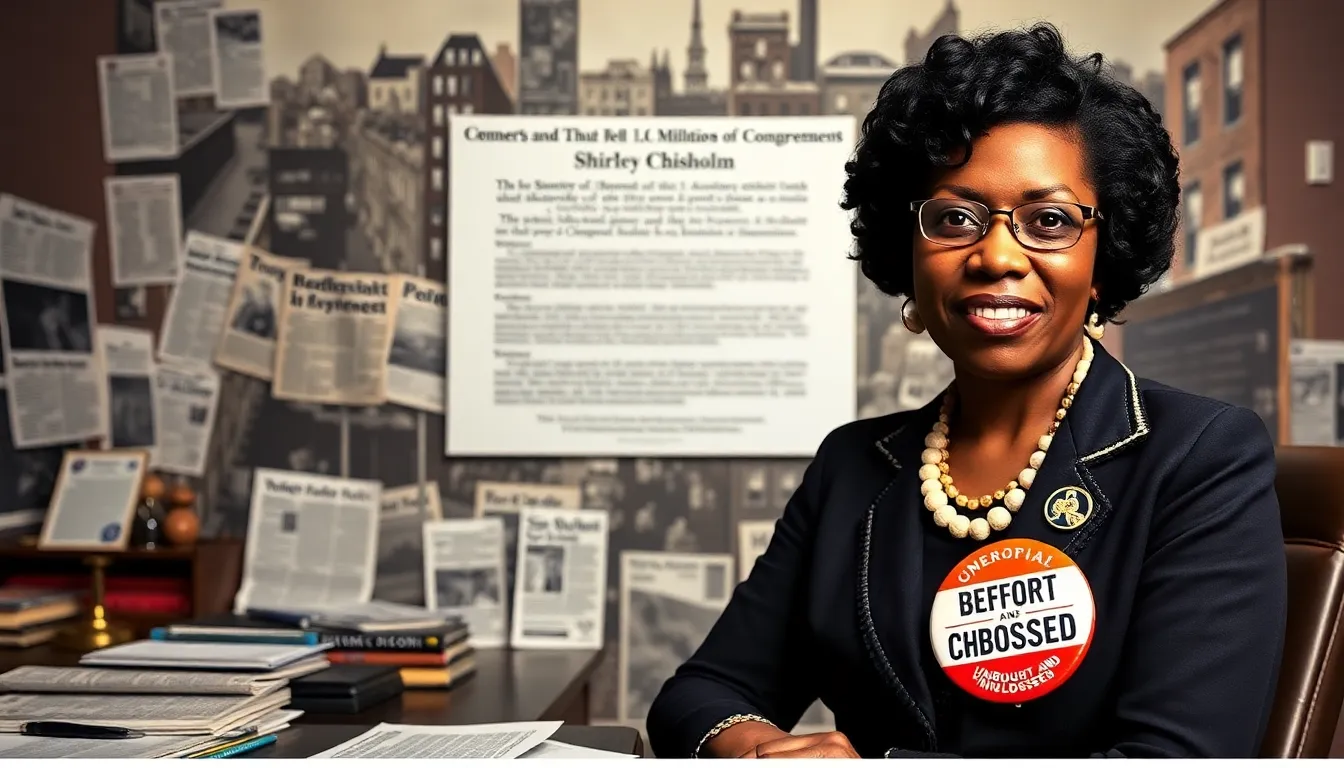
Shirley Chisholm (1924‑2005) broke multiple barriers as the first Black woman elected to the United States Congress and the first Black major‑party candidate for president. This biography examines her early life, political career, the systemic obstacles she faced, and the legacy of her under‑recognized contributions.
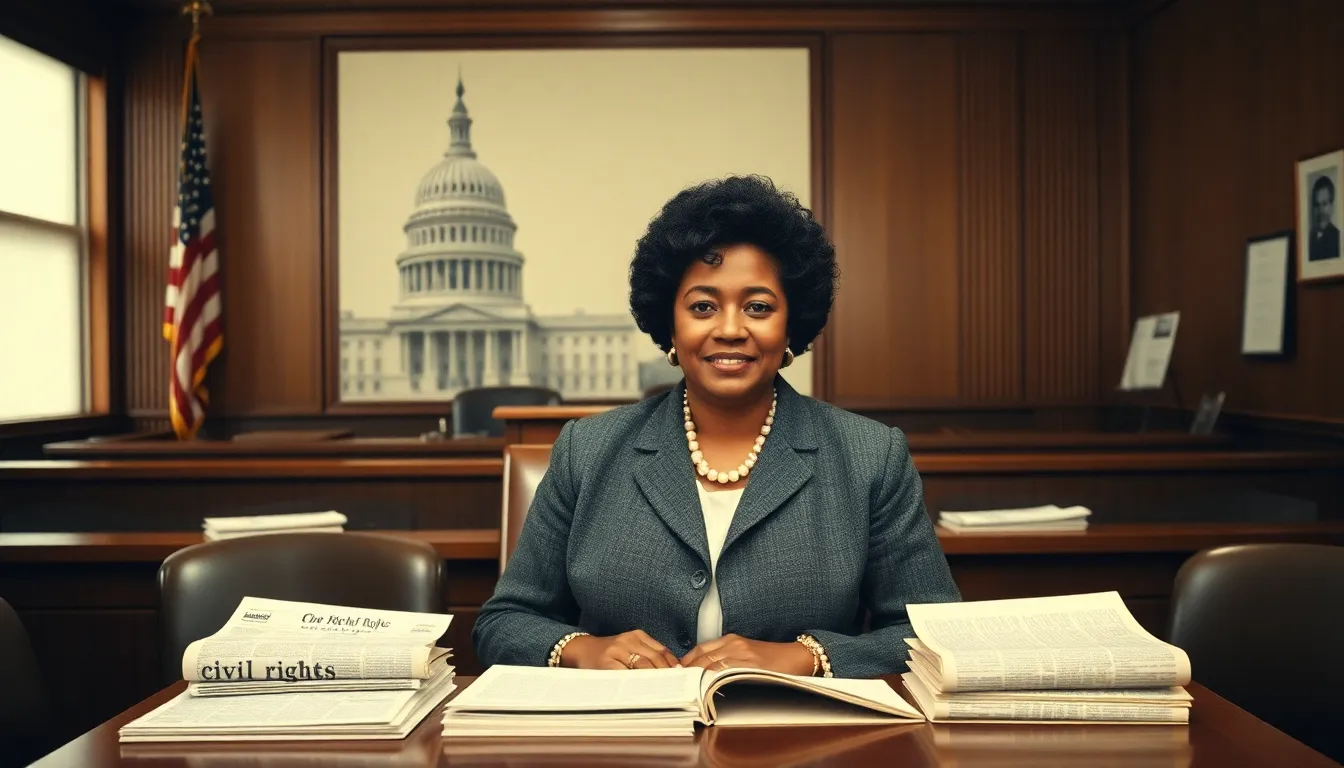
Constance Baker Motley (1921‑2005) was a pioneering African‑American attorney, civil‑rights activist, and the first Black woman appointed to the federal judiciary. Her legal strategy helped dismantle segregation and expand voting rights in the mid‑20th‑century United States.
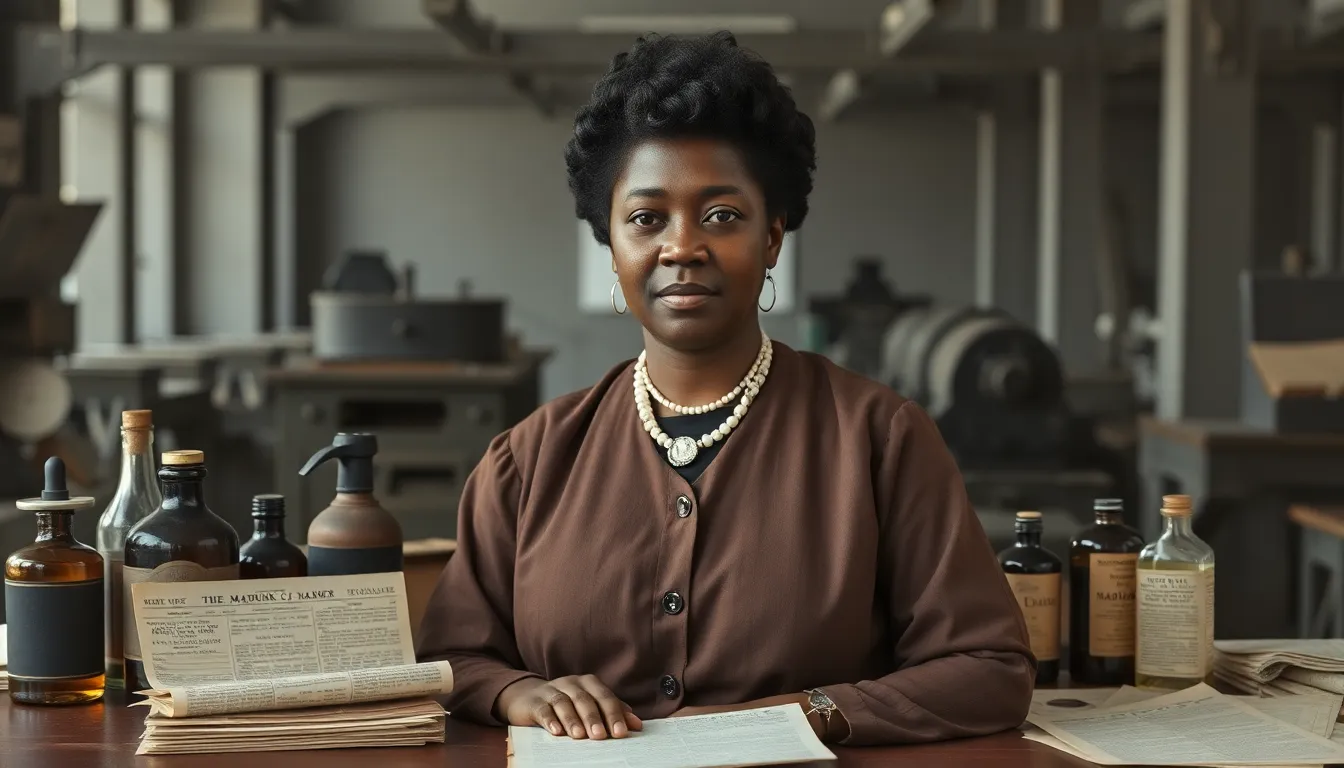
Madam C.J. Walker (1867–1919) built a national hair‑care empire for African‑American women at a time of intense racial and gender discrimination. Her story illustrates both extraordinary agency and the ways her contributions were marginalized in early 20th‑century narratives.
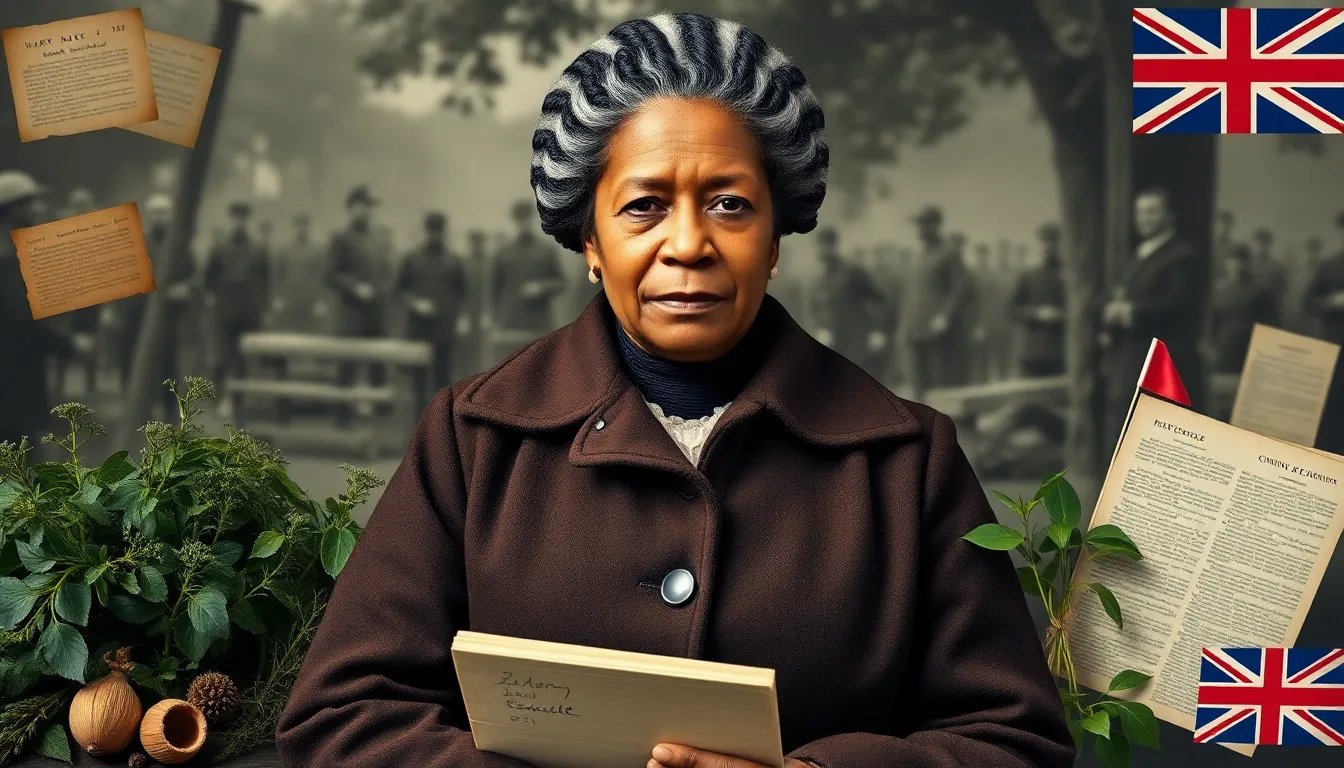
Mary Seacole (1805–1881) was a Jamaican‑born healer and entrepreneur who served soldiers during the Crimean War, yet her contributions have long been eclipsed by contemporaries and colonial bias.
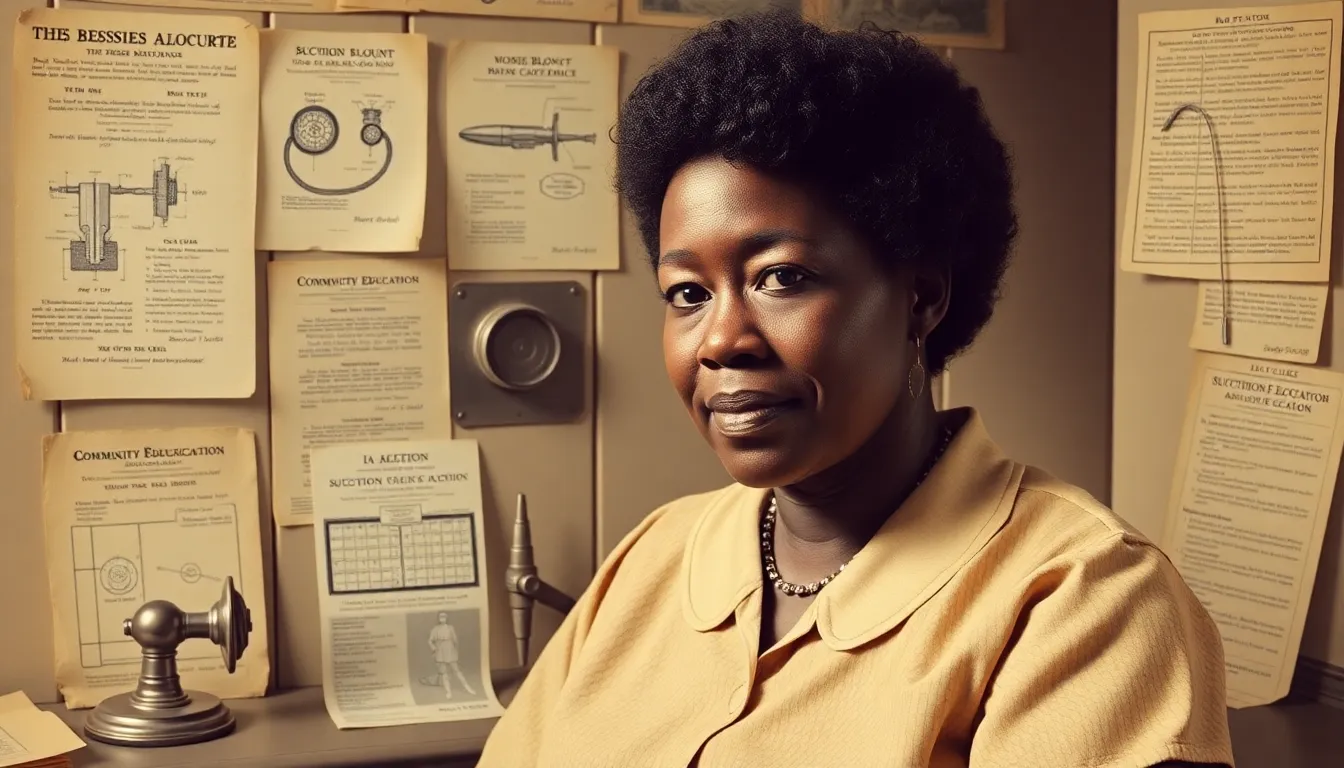
Bessie Blount (1914‑2009) was a Black American physical therapist, inventor, and author whose devices for disabled veterans and postpartum women were pioneering yet remained largely invisible for decades.
Dorothea Dix (1802‑1887) was a 19th‑century American reformer whose relentless advocacy led to the creation of state mental hospitals and a national system of care, yet her contributions have often been eclipsed by her gender and the broader neglect of mental‑health history.
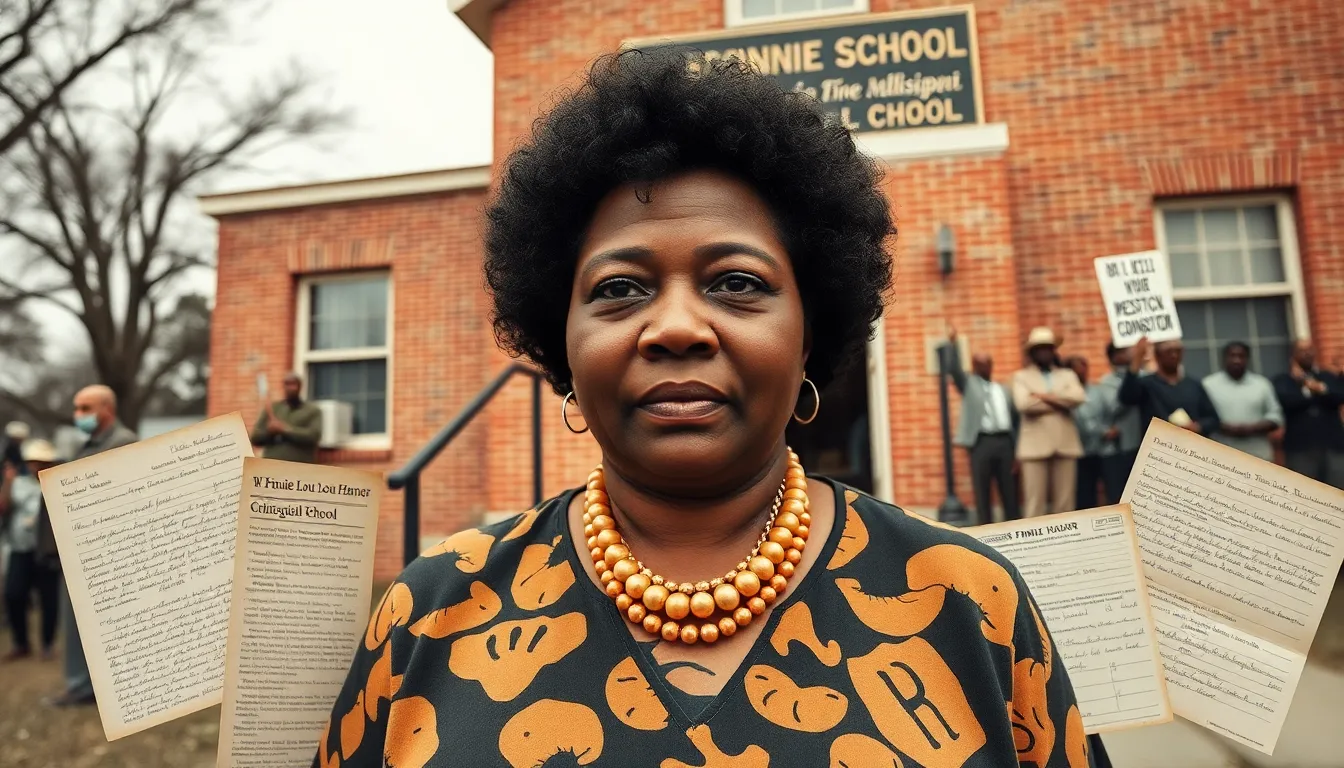
Fannie Lou Hamer (1917‑1977) was a grassroots organizer who helped spark the modern voting‑rights movement in the American South. Her testimony before the 1964 Democratic National Convention brought national attention to the brutal poll taxes and intimidation used to exclude Black voters.
Henrietta Lacks (1920–1951) was an African‑American woman whose cervical cancer cells were taken without consent and became the world’s first immortal cell line, reshaping modern biomedical research while highlighting historic injustices.
John Lewis (1940–2020) was a civil‑rights leader, Congressman, and advocate for non‑violent protest. His decades‑long struggle for voting rights and racial justice, though celebrated, often masks the early, under‑acknowledged work that laid the groundwork for later victories.
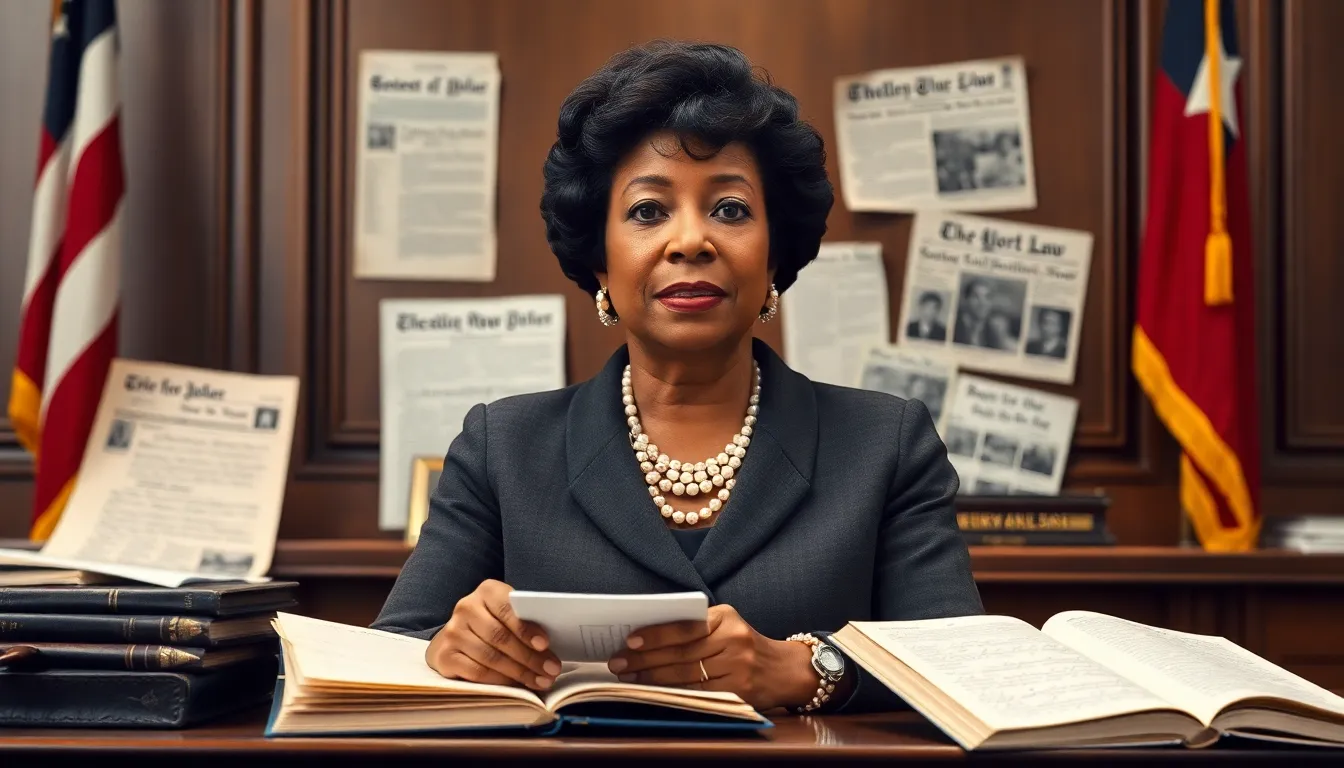
Barbara Jordan (1936–1996) was a pioneering African‑American lawyer, legislator, and scholar whose political career broke racial and gender barriers in the South. Her eloquence, legislative skill, and dedication to civil rights left a lasting imprint on American democracy, even as many of her contributions have been overlooked in popular narratives.
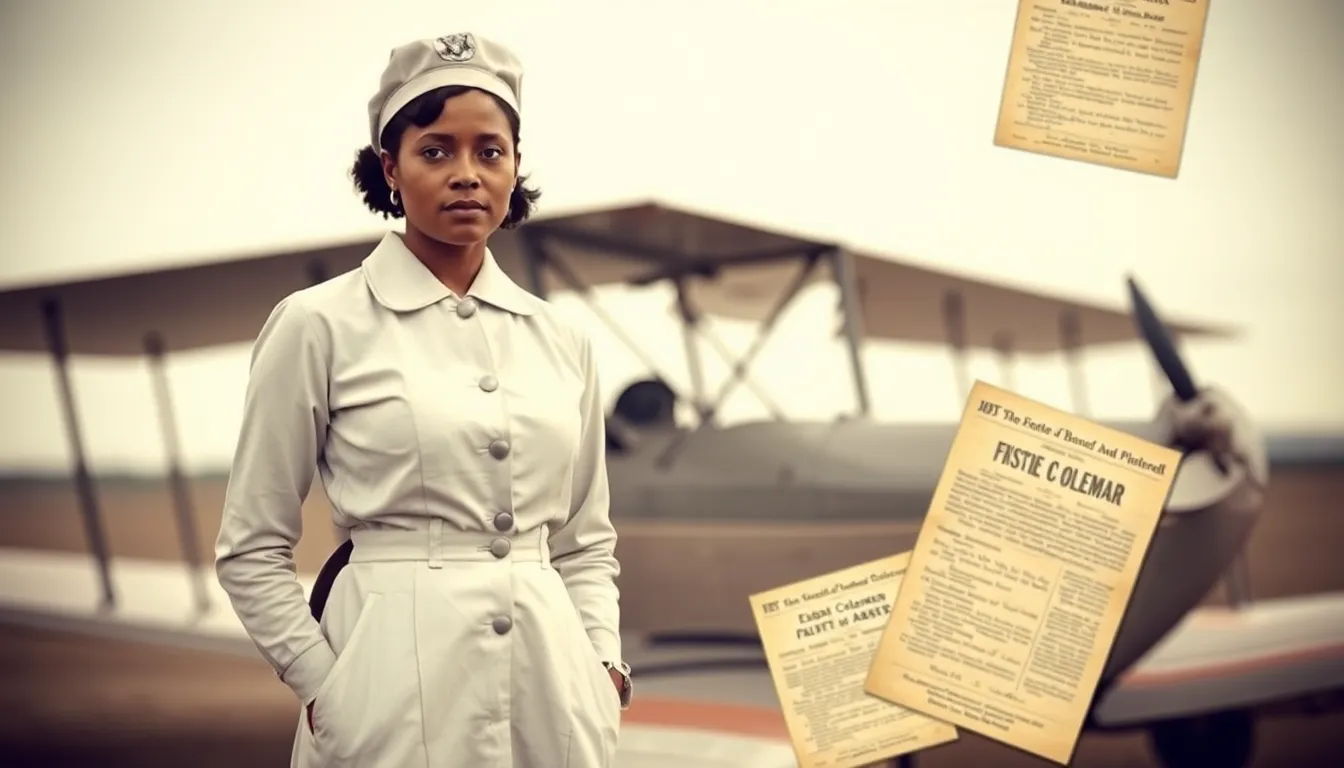
Bessie Coleman (1892–1926) became the first Black woman to earn an aviation pilot’s license, overcoming racial and gender barriers through determination and international training. Her brief career sparked early aspirations for African‑American aviators, yet systemic exclusion limited contemporary recognition.
Elizabeth Blackwell (1821‑1910) became the first woman to earn a medical degree in the United States, confronting pervasive gender bias while laying foundations for women in medicine.
Florence Nightingale (1820‑1910) was a British reformer who transformed nursing, pioneered modern statistics, and advocated public‑health reform. This biography examines her early life, work during the Crimean War, barriers she faced, later recognition, and enduring legacy.
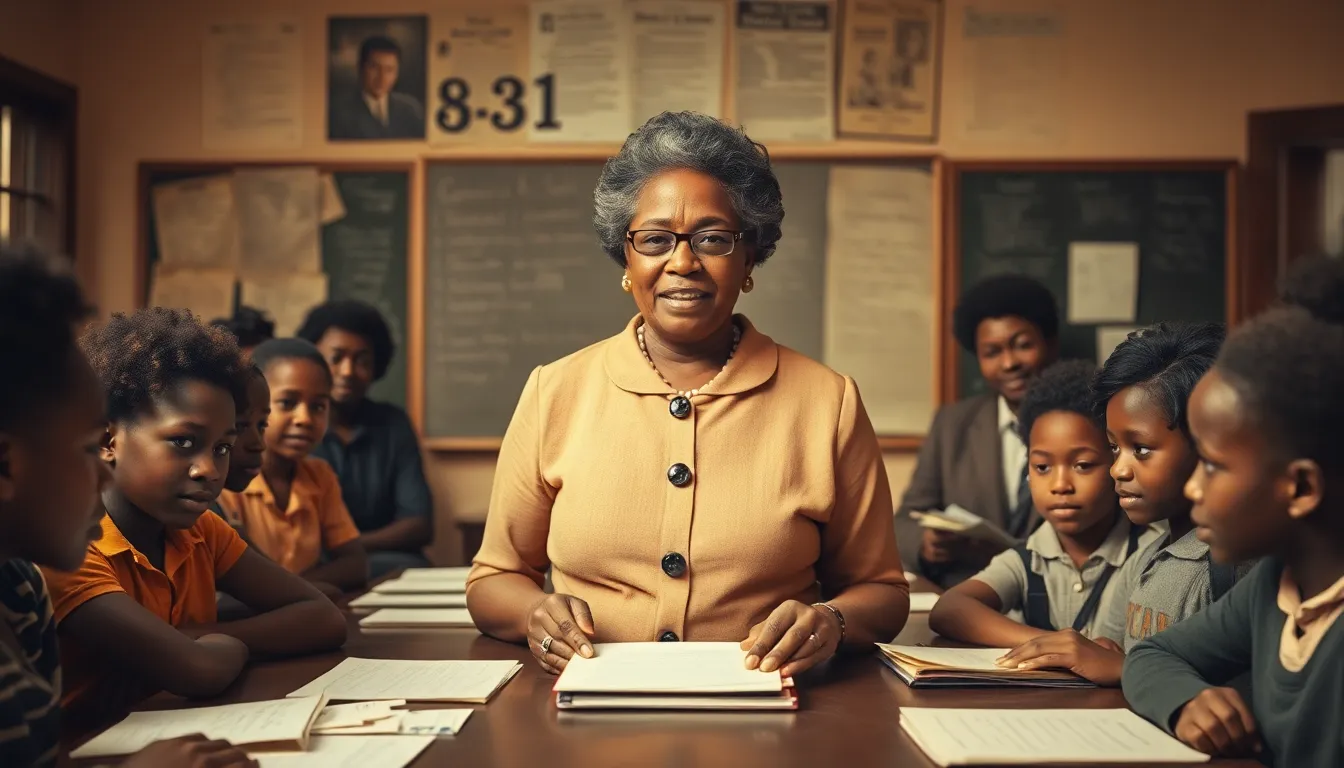
Septima Poinsette Clark (1908–1987) was a pivotal but often overlooked educator and activist whose Citizenship Schools helped thousands of African Americans gain literacy and voting rights during the Civil Rights Era.