Early Life and Education
Kevin Systrom was born on December 30, 1983, in Holliston, Massachusetts, United States. He grew up in a middle‑class family; his mother, Linda Systrom, was a tax attorney, and his father, Douglas Systrom, worked as a corporate attorney. Exposure to professional environments at a young age, combined with an early fascination for computers, shaped his later entrepreneurial interests.
Systrom attended the Middlesex School, a private boarding school in Concord, Massachusetts, where he distinguished himself in both academics and extracurricular activities, notably as captain of the varsity soccer team. He pursued higher education at Stanford University, enrolling in 2002. At Stanford, he earned a Bachelor of Science in Management Science and Engineering, a program that blended technical engineering coursework with business and economics. While at Stanford, Systrom took computer‑science courses, participated in the Stanford Center for Entrepreneurial Studies, and completed an internship at Odeo, a podcasting startup that later morphed into Twitter.
His senior thesis, co‑written with fellow student Mike Krieger, explored the role of social media in user‑generated content. This academic work foreshadowed the later creation of a platform centered on visual sharing.
First Ventures and Breakthrough
After graduating in 2006, Systrom joined Google as a product manager on the Gmail team. His responsibilities included feature development, user experience design, and data‑driven optimization. During his tenure, he contributed to the rollout of new inbox features and helped streamline the service’s mobile experience.
In 2009, seeing growing interest in mobile photography, Systrom left Google to join the startup Nextstop, a travel‑planning site, as a product manager. The experience broadened his understanding of user acquisition and data analytics. Later that year he co‑founded a startup called Burbn with fellow Stanford alumnus Mike Krieger. Burbn was a location‑based check‑in app inspired by Foursquare but incorporated photo‑sharing functionalities. Though Burbn attracted modest user engagement, it consumed considerable engineering resources and failed to achieve a sustainable business model.

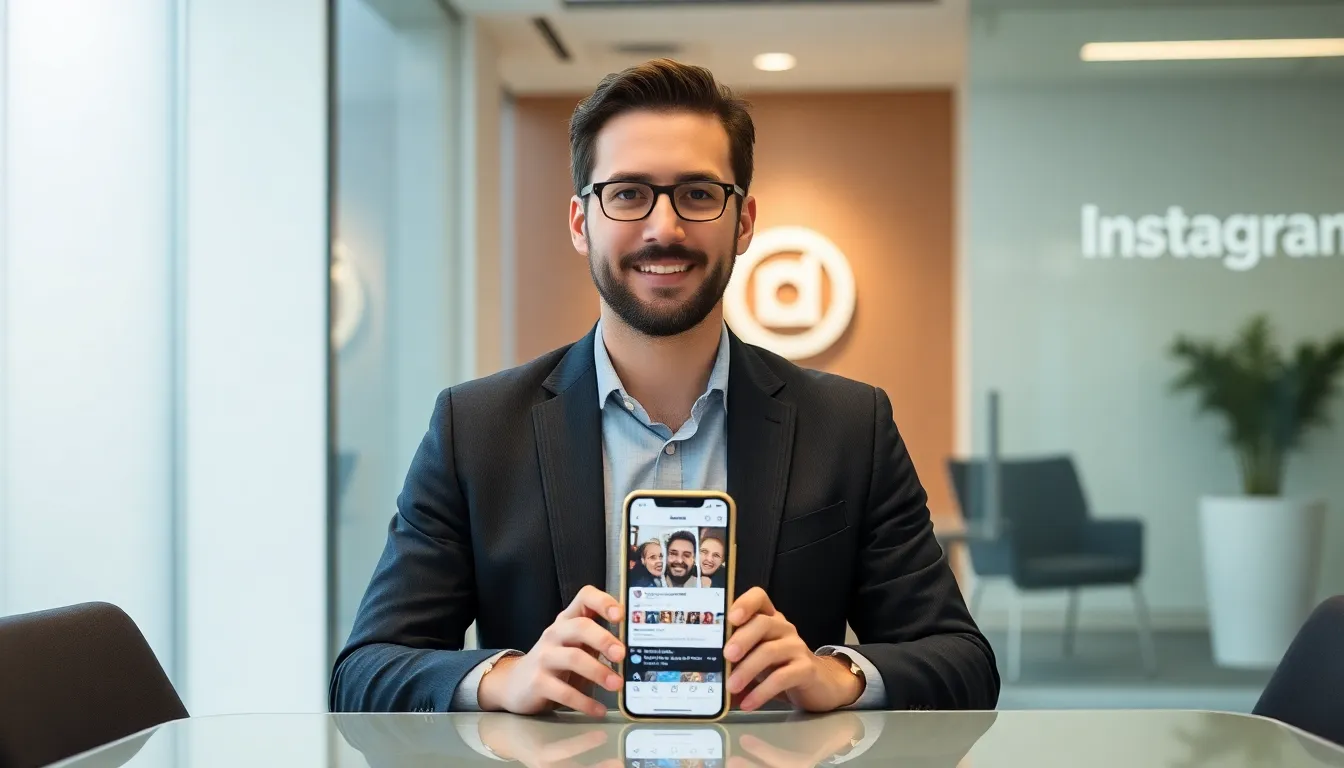
The turning point came when Systrom and Krieger observed that the photo‑sharing feature was the most frequently used component of Burbn. Recognizing the market’s appetite for simple, mobile‑centric visual content, they decided to strip Burbn down to its core photo element, redesign the user interface, and relaunch the product as Instagram in October 2010. The name combined “instant” and “telegram,” reflecting the speed and immediacy of image sharing.
Instagram’s launch coincided with the proliferation of smartphones equipped with high‑resolution cameras, and the introduction of the Apple App Store’s polished distribution model. Within two weeks, the app garnered 25,000 downloads, and by the end of 2010, downloads exceeded 1 million. The rapid uptake attracted the attention of venture capitalists, leading to a $500,000 seed round led by Baseline Ventures and Andreessen Horowitz in early 2011.
Companies, Strategy, and Leadership
Instagram’s business model centered on a free, user‑generated content platform supported by a simple, ad‑free experience. Early revenue generation relied on potential partnerships and in‑app purchases for filters, but the company deliberately avoided overt monetization to preserve user experience. Systrom’s leadership emphasized a “product‑first” culture, minimalism in design, and rapid iteration based on data analytics.
In 2012, Instagram raised a $50 million Series B round led by Andreessen Horowitz and Benchmark Capital, valuing the company at $500 million. The round allowed the expansion of engineering teams in San Francisco and New York, as well as the addition of a dedicated sales organization. In April 2012, Facebook announced its acquisition of Instagram for approximately $1 billion in cash and stock—a record for a mobile‑only startup at that time.
Post‑acquisition, Systrom served as Instagram’s CEO under the Facebook parent company. He oversaw the integration of Instagram’s technical infrastructure while preserving its brand identity. Under his stewardship, Instagram introduced new features such as video sharing (2013), advertising platform (2015), Stories (2016), and IGTV (2018). These moves reflected a strategic shift from a purely organic photo‑sharing service to a diversified social media platform with robust revenue generation through ad sales.
Systrom’s leadership style combined data‑driven decision‑making with an emphasis on design aesthetics. He cultivated a small, cohesive engineering team, promoted a culture of “do‑one‑thing‑well,” and avoided over‑expansion. Systrom also advocated for modest, incremental product changes, famously saying, “we don’t want to be the biggest platform on the web; we want to be the best at what we do.”
In 2018, after eight years at Instagram, Systrom announced his departure from the company, citing a desire to explore new challenges. He left a legacy of transforming a niche photo‑sharing app into a global visual communication platform with over one billion active users and revenue exceeding $20 billion annually for its parent company.
Wealth, Public Image, and Controversies
Kevin Systrom’s net worth has been estimated by various financial publications. Forbes listed his 2023 net worth at around $1.6 billion, primarily derived from his retained equity in Instagram and subsequent investments. The estimate reflects the value of his shares post‑Facebook (now Meta Platforms) IPO, which granted liquidity to early founders.
Publicly, Systrom cultivated a reputation as a low‑key, product‑centric technologist, contrasting with more flamboyant Silicon Valley founders. He rarely engaged in political commentary and focused interview time on product vision and user experience. This cultivated an image of a “quiet innovator” rather than a self‑promotional CEO.
Controversies surrounding Instagram have occasionally implicated Systrom indirectly. Critics have raised concerns about the platform’s role in amplifying misinformation, exacerbating mental‑health issues, and enabling invasive data collection practices. While these issues intensified after Systrom’s tenure, the broader debates about content moderation and algorithmic bias trace back to early product decisions about user engagement metrics.
Labor practices at Instagram, especially after its incorporation into Meta, have been examined by journalists highlighting intense work cultures and “crunch” periods during feature rollouts. Systrom publicly addressed concerns in 2017, emphasizing employee wellness programs and instituting more transparent performance review processes.
Regulatory scrutiny peaked in the late 2010s as governments questioned the data practices of large social platforms. Meta faced antitrust investigations, but no direct legal actions targeted Systrom personally; however, as a former executive, his decisions have been scrutinized within the broader context of platform responsibility.
Philanthropy, Legacy, and Industry Impact
Systrom has participated in several philanthropic initiatives, often focusing on education and technology access. In 2014, he and Krieger donated $1 million to the Stanford Graduate School of Business to fund a “Design for Social Impact” fellowship. In 2020, Systrom contributed to the COVID‑19 response by donating masks to hospitals in the San Francisco Bay Area and supporting remote‑learning tools for under‑served schools.
Beyond charitable giving, Systrom engages in angel investing. His portfolio includes early stakes in fintech startup Plaid, health‑tech firm Atrium, and AI‑driven imaging company Clearview AI (not to be confused with the controversial facial‑recognition firm). These investments reflect an ongoing interest in data‑centric platforms and the intersection of technology with daily life.
The enduring legacy of Kevin Systrom lies in his demonstration that a narrowly focused product—simple photo sharing—can evolve into a cultural mainstay influencing advertising, journalism, and personal communication. Instagram’s visual format has reshaped content creation norms across industries, from fashion to politics. The platform’s emphasis on mobile‑first design set new standards for user experience, prompting competitors such as Snapchat and TikTok to prioritize short‑form visual content.
Industry observers credit Systrom’s disciplined product strategy for sustaining Instagram’s relevance amid rapid shifts in social media consumption. By resisting premature diversification and maintaining a clear aesthetic vision, he established a template for “lean scaling” that many later startups emulate.
Overall, Kevin Systrom’s career illustrates how technical expertise, market timing, and a relentless focus on user experience can convert a modest startup into a transformative global platform, leaving an indelible mark on the Digital Age’s visual culture.