Biography of Charles Dickens: A Tale of Two Cities
Charles Dickens (1812‑1870) was a pre‑eminent Victorian novelist whose social conscience and narrative skill culminated in the historical masterpiece A Tale of Two Cities, published in 1859.
More Biography, More Stories Behind Every Name
Charles Dickens (1812‑1870) was a pre‑eminent Victorian novelist whose social conscience and narrative skill culminated in the historical masterpiece A Tale of Two Cities, published in 1859.
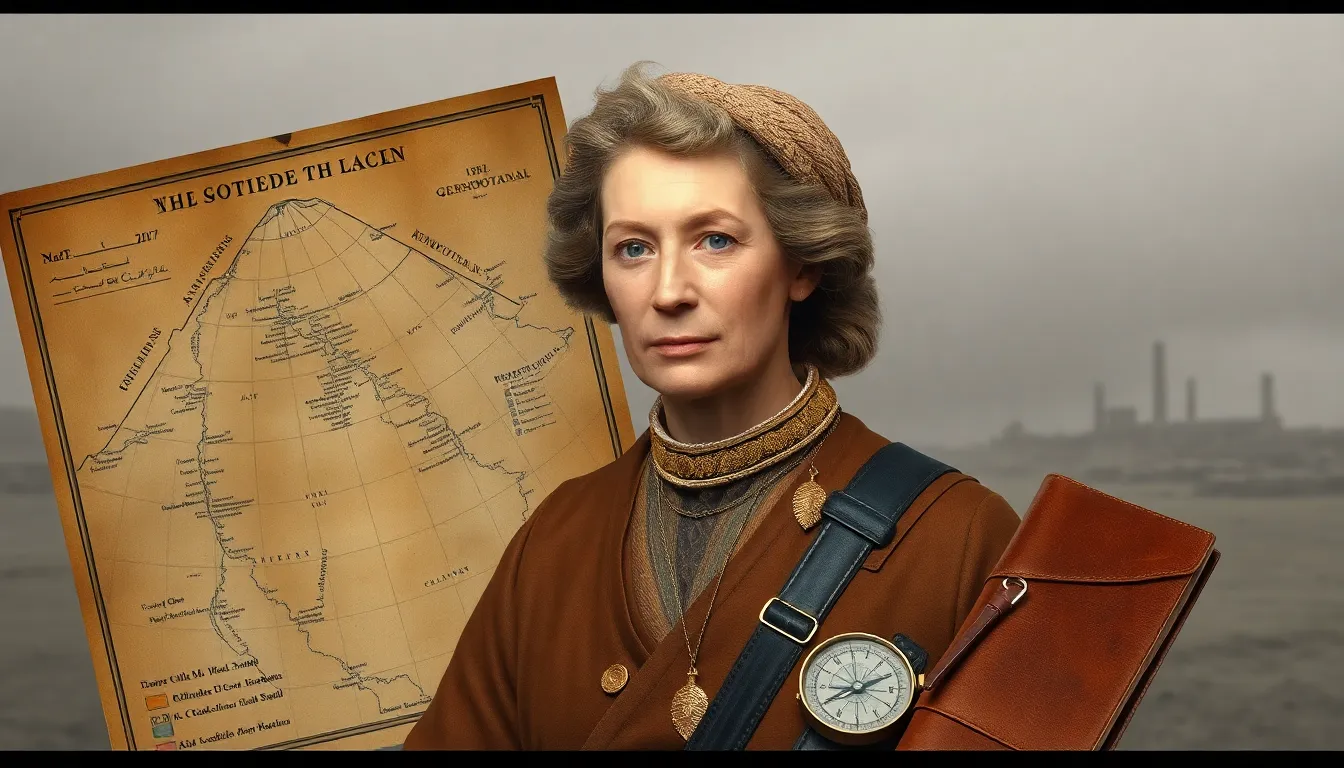
Robert Falcon Scott (1868–1912) was a Royal Navy officer and explorer whose ill‑fated Terra Nova Expedition attempted to be the first to reach the South Pole. His life, scientific contributions, and the tragedy of his final journey have shaped the public memory of early twentieth‑century polar exploration.
Gertrude Bell (1868–1926) was a British archaeologist, diplomat, and explorer whose work in the Middle East shaped Western understanding of the region and influenced the formation of modern Iraq.
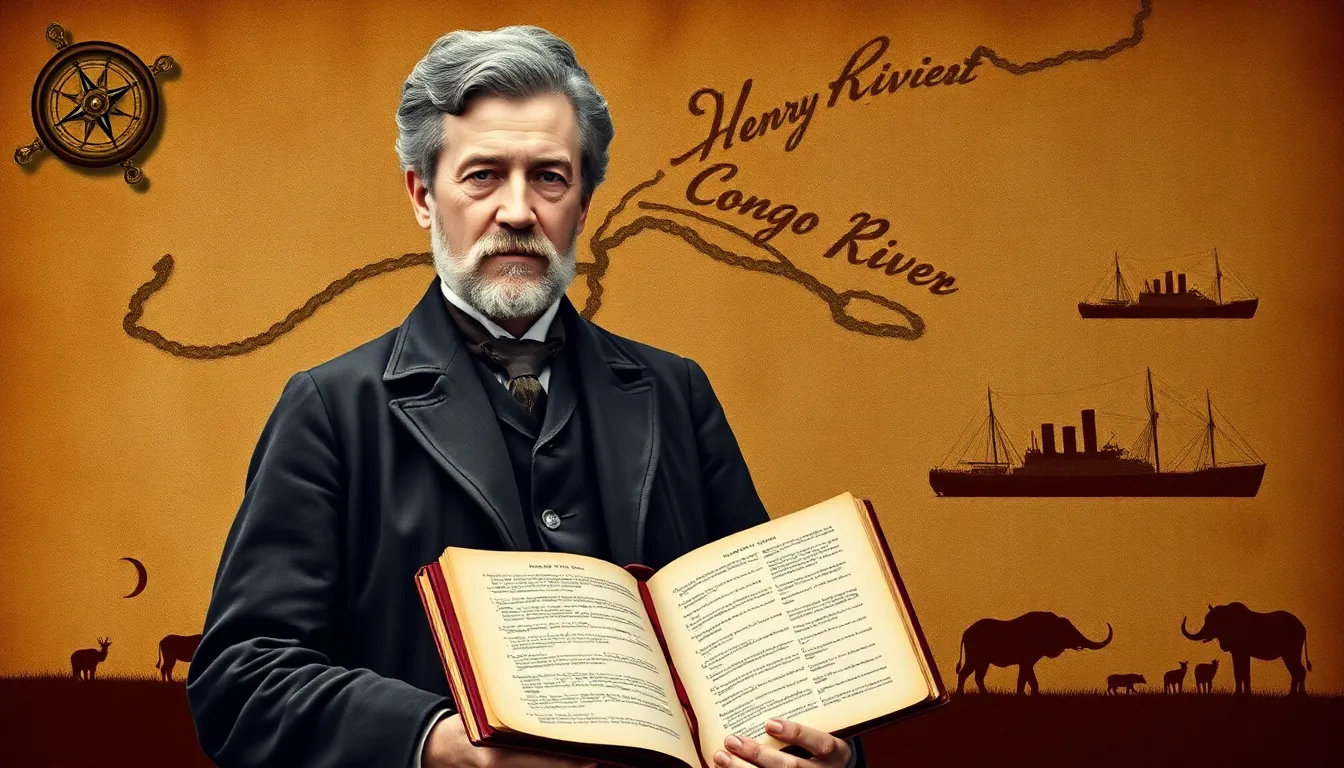
Henry Morton Stanley (1841–1904) was a Welsh-born journalist-turned-explorer whose 1871 expedition to find Dr. David Livingstone made him a household name. His subsequent African journeys mapped large swaths of the Congo Basin and fueled both scientific knowledge and colonial controversy.
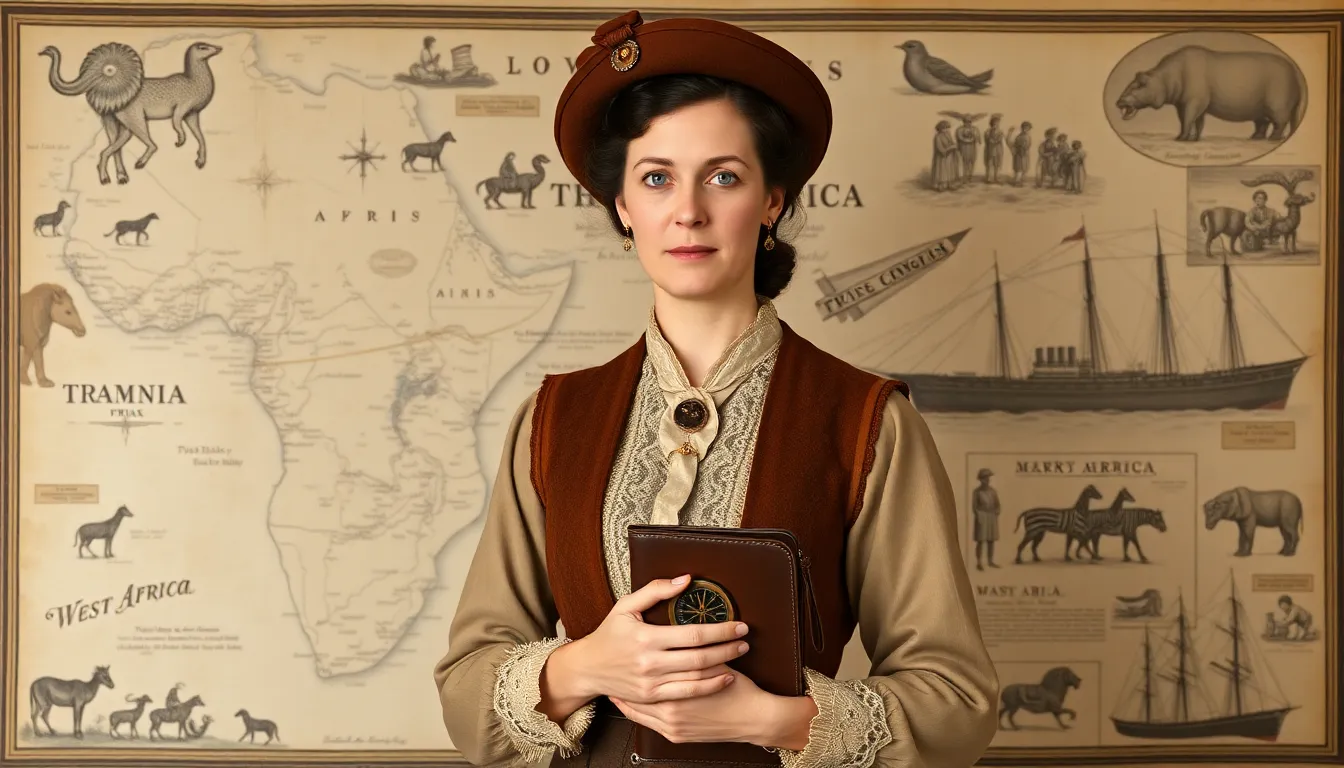
Mary Kingsley (1862‑1900) was a British explorer who traveled extensively in West Africa during the 1890s, producing influential writings on African societies, geography, and natural history. Her journeys challenged contemporary Victorian attitudes toward empire, science, and gender.
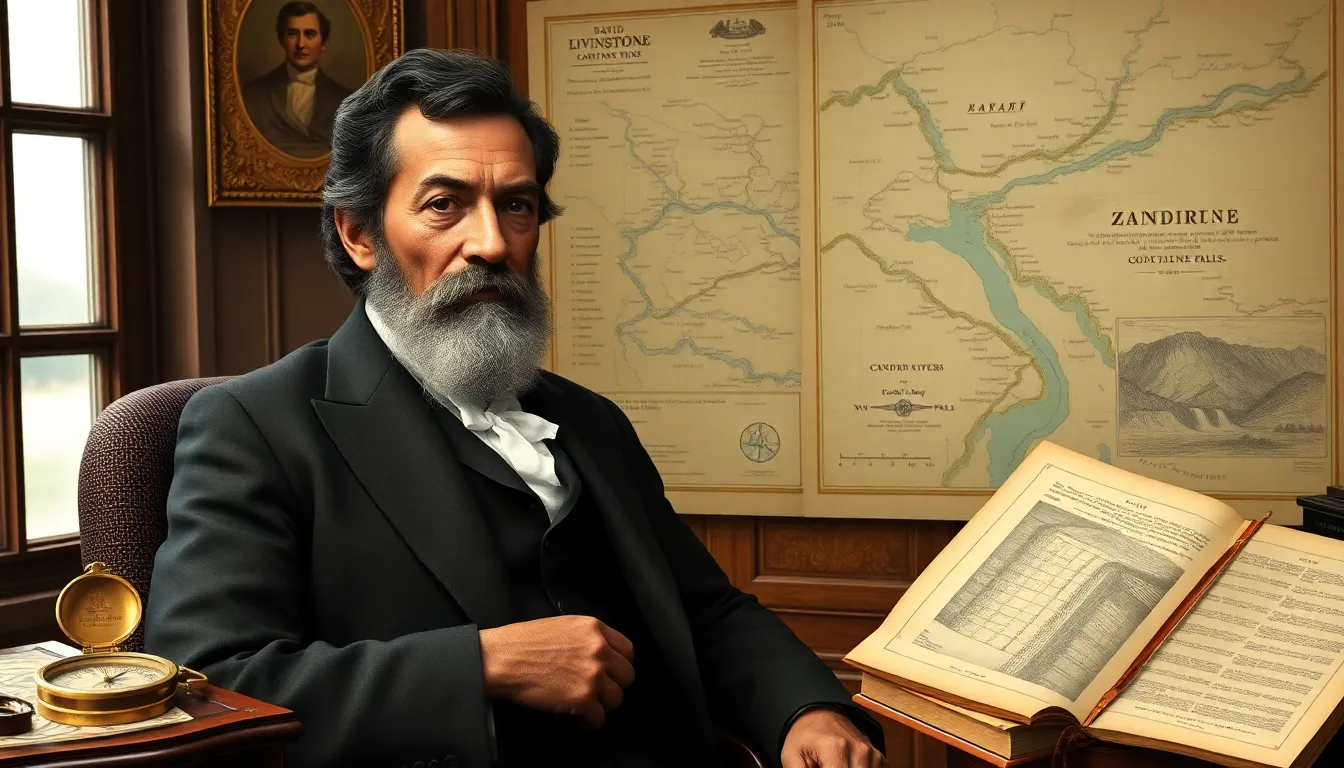
David Livingstone (1813–1873) was a Scottish missionary, physician, and explorer whose four decades of travel opened European eyes to the geography, peoples, and natural history of central and southern Africa.
Sir Ernest Shackleton’s Endurance Expedition (1914‑1917) remains a benchmark of leadership and survival in polar exploration.