Biography of Cleopatra: The Last Pharaoh of Egypt

Cleopatra VII (69–30 BCE) was the final ruler of the Ptolemaic Kingdom of Egypt, noted for her political acumen, diplomatic alliances with Rome, and lasting cultural legacy.
More Biography, More Stories Behind Every Name
Individual biography articles for morebiography.com.
Cleopatra VII (69–30 BCE) was the final ruler of the Ptolemaic Kingdom of Egypt, noted for her political acumen, diplomatic alliances with Rome, and lasting cultural legacy.

Coco Chanel (1883‑1971) transformed women’s apparel into a global luxury brand, pioneering ready‑to‑wear, the little black dress, and perfume. This biography examines her early years, business strategies, controversies, and lasting impact on the fashion industry.

Cornelius Vanderbilt (1794–1877), known as “The Commodore,” built a transportation empire that reshaped 19th‑century America, pioneering steamship and railroad ventures that amassed unprecedented wealth.

Deepak Chopra, an Indian‑American author and entrepreneur, built a multimillion‑dollar wellness empire centered on integrative medicine, publishing, and media, while navigating controversy over his scientific claims.
Diane Arbus (1923–1971) was an American photographer known for her stark portraits of people on society’s margins. Her work redefined documentary photography and continues to influence visual culture.

Diane Nash, a Nashville‑born student activist, played a pivotal yet often under‑acknowledged role in the American Civil Rights Movement, organizing sit‑ins, Freedom Rides, and voter‑registration campaigns.

Diane von Furstenberg, the Belgian‑American designer celebrated for popularising the iconic wrap dress, transformed 20th‑century fashion and built a global lifestyle brand that continues to shape contemporary style.

Dolores Huerta is a seminal American labor leader and civil rights activist whose organizing helped secure collective bargaining rights for farm workers. Her decades‑long career includes co‑founding the United Farm Workers, shaping migration policy, and mentoring new generations of activists.

Mehmet “Dr. Oz” Oz is a Turkish‑American cardiothoracic surgeon, professor, and media personality whose medical career spans academic surgery, public health communication, and health‑policy advocacy.
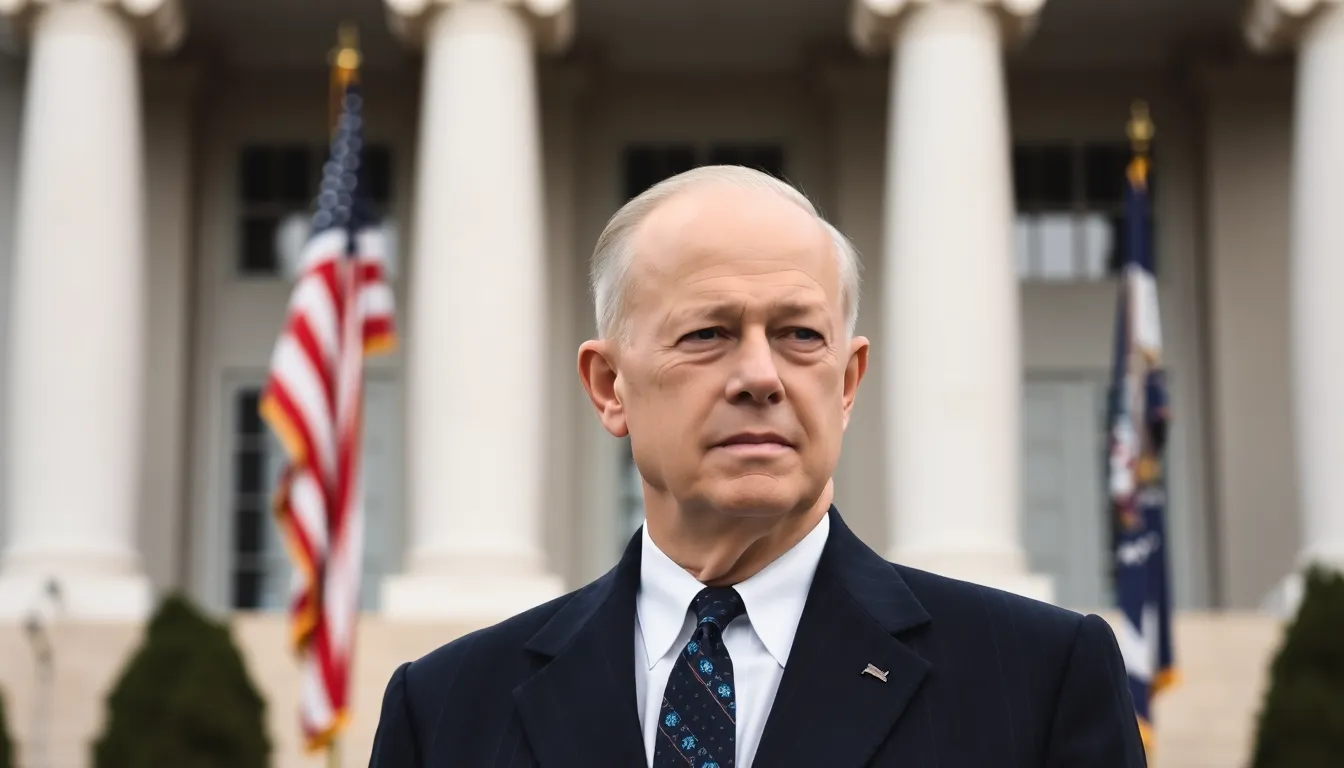
Dwight D. Eisenhower rose from a modest Kansas upbringing to become the Supreme Commander of Allied forces in World War II and later the 34th President of the United States, shaping mid‑century American politics and foreign policy.

Dwight D. Eisenhower rose from a modest Texas birth to become Supreme Allied Commander in World War II, later serving as U.S. President. This biography traces his military formation, wartime leadership, and lasting legacy.

E.B. White (1899–1985) was an American writer best known for his children’s classic Charlotte’s Web and his influential essays. This biography surveys his life, education, literary influences, major works, critical reception, and lasting impact on literature.

Eddie Murphy rose from a Brooklyn childhood to become one of the most influential comedians of his generation, shaping film, television and stand‑up with his distinctive energy and characters.
Edward Hopper (1882–1967) was an American painter whose stark depictions of urban solitude and quiet rural scenes defined 20th‑century realism. His work, marked by sharp light, muted color, and an economy of detail, continues to influence visual culture across film, photography, and design.

Elizabeth Cady Stanton (1815‑1902) was a pioneering American reformer who co‑authored the 1848 Declaration of Sentiments and helped shape the women’s suffrage movement. Her lifelong activism ranged from legal advocacy to public speaking, influencing constitutional debates and later feminist thought.
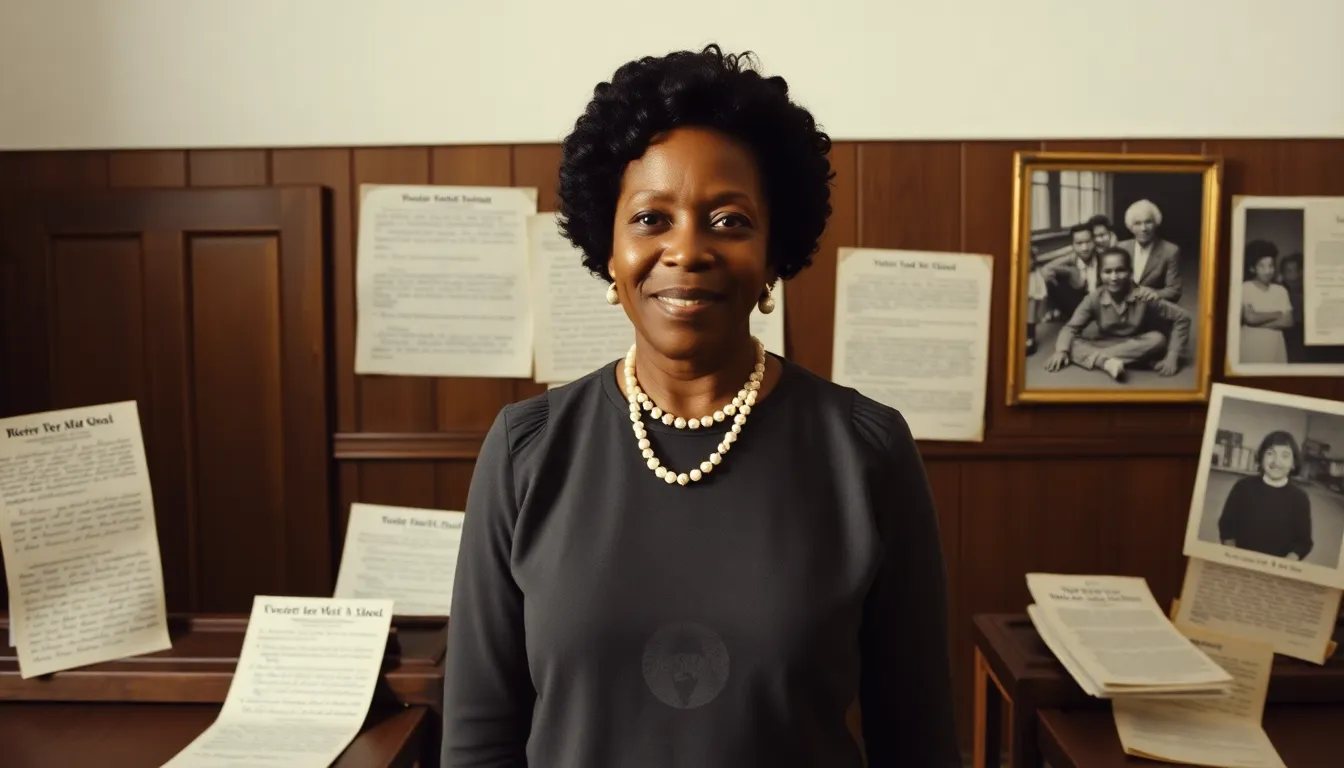
Ella Baker (1903–1986) was a pivotal yet under‑recognized strategist of the American civil‑rights movement, whose emphasis on grassroots leadership reshaped organizations such as the NAACP, SCLC, and SNCC.

Elon Musk is a South African‑born entrepreneur and engineer whose ventures Tesla, SpaceX, and several other technology companies have reshaped transportation, energy, and space exploration. This biography outlines his education, inventions, and lasting impact on modern engineering.

Elvis Aaron Presley (1935–1977) was an American singer and actor who became a cultural icon and the foremost figure in the development of rock and roll. His career spanned two decades, producing hit records, landmark films, and a performance style that reshaped popular music worldwide.

Emma Stone rose from child roles to become an Oscar‑winning actress, with her breakthrough in La La Land cementing her status as a leading talent of the modern era.

Ernest Hemingway (1899–1961) was an American novelist and short‑story writer who defined a generation of expatriate writers in the 1920s. His terse prose, adventurous life, and literary innovations earned him the Nobel Prize in Literature in 1954.

Euclid, the ancient Greek mathematician of Alexandria, authored the Elements and laid the foundations of geometry that still shape mathematics and science today.

Eudora Welty (1909–2001) was a Pulitzer‑Prize‑winning American author whose short stories and novels captured the texture of the American South. Her final novel, The Optimist’s Daughter, earned the 1973 Pulitzer Prize for Fiction and stands as a culmination of her lifelong literary concerns.

Evo Morales, Bolivia’s first indigenous president, rose from a cocalero union leader to a two‑term head of state, implementing a socialist agenda while sparking controversy over his constitutional reforms and term‑limit changes.

Fernando Henrique Cardoso is a Brazilian sociologist, professor, and politician who served as the 34th President of Brazil from 1995 to 2002, overseeing significant economic reforms and political stabilization.

Fidel Alejandro Castro Ruz (1926–2016) led Cuba for nearly five decades, shaping its political, economic, and social trajectory. His revolutionary overthrow of the Batista regime, socialist reforms, and Cold War alignment remain subjects of extensive study and debate.

Abigail Adams was the wife of John Adams, the second president of the United States, and a prominent advocate for women’s rights. This biography examines her early life, political influence, family affairs, and enduring legacy.

Floyd Mayweather Jr. is an American former professional boxer renowned for his flawless 50‑0 record, multiple world championships across five weight divisions, and his role in reshaping boxing’s business model.

Francis S. Collins is an American physician‑geneticist who led the International Human Genome Project to completion and later directed the National Institutes of Health, shaping modern genomics and public health.

Francis Ford Coppola is an American filmmaker whose work on The Godfather trilogies, Apocalypse Now, and The Conversation redefined modern cinema and secured his place among the most influential directors of the 20th century.

Frank Sinatra (1915–1998) was an American singer, actor and cultural icon whose smooth phrasing and charismatic stage presence reshaped popular music in the 20th century.

Franklin D. Roosevelt led the United States through the Great Depression and World War II, shaping modern American government with the New Deal and wartime mobilization. His four‑term presidency left a lasting legacy on domestic policy and international affairs.

Frederick Douglass (c. 1818 – 1895) was an American former enslaved person who became a leading abolitionist, writer, and statesman, influencing 19th‑century politics and civil‑rights discourse.

An encyclopedic biography of Colombian novelist Gabriel García Márquez, focusing on the education, influences, publication history, themes, style, reception, and lasting impact of his landmark novel One Hundred Years of Solitude.

Kent Justice is a television news anchor based in Gainesville, Florida. Known for his work on local news programs, he has become a familiar face in the Alachua County media market.

Gene Kelly (1912–1996) was an American actor, dancer, singer, director and choreographer whose innovative approach to musical cinema culminated in the landmark film Singin’ in the Rain. His artistic vision reshaped Hollywood’s musical genre and left a lasting legacy on dance, film, and popular culture.

George Clooney is an American actor, director, producer, and philanthropist whose career spans television, film, and humanitarian work, earning him a reputation as one of Hollywood’s most versatile and influential figures.

George Harrison (1943–2001) was the lead guitarist of the Beatles, a prolific songwriter, and a pioneering figure in the popularization of Indian music and spirituality in Western popular culture.

George Lucas is an American filmmaker whose visionary work on the Star Wars saga reshaped popular culture, pioneered special‑effects technology, and established a lasting legacy in cinema and media.

George S. Patton was a senior United States Army officer who played a pivotal role in shaping the outcome of World War II through his leadership of the Third Army and his advocacy of armored warfare.

George Washington (1732‑1799) served as the commander of the Continental Army, presided over the Constitutional Convention, and became the United States’ first president, shaping the nation’s early institutions and political culture.

Gordie Howe, known as “Mr. Hockey,” was a Canadian professional ice‑hockey forward whose six‑decade career set records for longevity, scoring, and toughness, influencing the sport worldwide.

Gordon Ramsay is a Scottish-born chef, restaurateur, and television personality whose fiery on‑screen persona made him a staple of reality cooking shows. From humble beginnings to a global restaurant empire, his career has shaped modern culinary entertainment.

Gregor Mendel (1822–1884), an Augustinian monk in Moravia, conducted pioneering hybridisation experiments with pea plants that laid the foundations of modern genetics. His methodical approach revealed the laws of inheritance that underpin contemporary biology.

Greta Gerwig emerged from the American independent film scene to become one of the most celebrated directors of the 21st century, renowned for her distinctive voice, sharp humor, and feminist sensibility.

Hank Williams (1923‑1953) was a pioneering American singer‑songwriter whose brief but influential career helped shape modern country music and earned him the reputation as the original country outlaw.
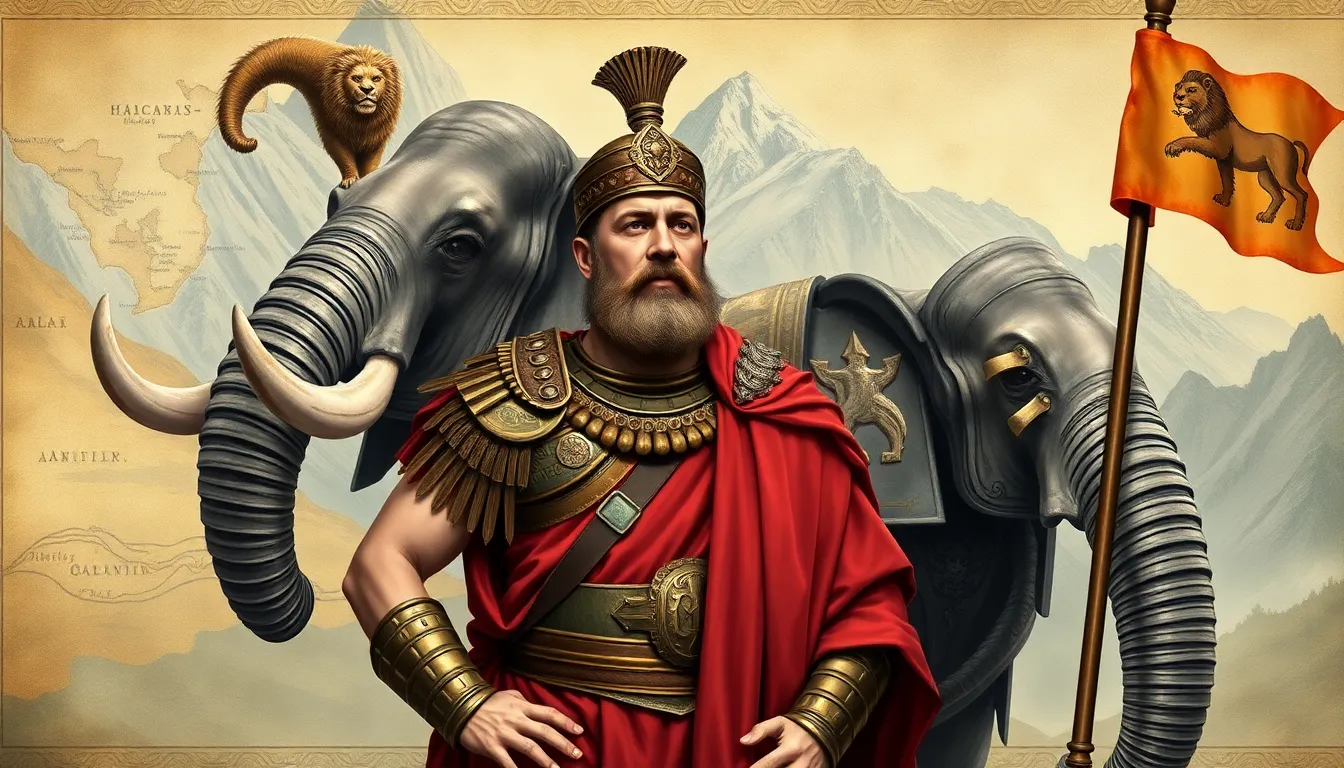
Hannibal Barca (247–c.183 BC) was a Carthaginian commander best known for his audacious crossing of the Alps and his leadership during the Second Punic War against Rome. His tactics and strategic vision remain subjects of scholarly study and military teaching.

Barbara Barr is a veteran television news reporter and anchor based in Harrisburg, Pennsylvania. With more than two decades of experience at WHP‑TV, she is known for her community‑focused reporting and steady on‑air presence.

Haruki Murakami, Japan’s most internationally recognized novelist, rose to prominence with works such as 「Norwegian Wood」. This biography outlines his early life, literary influences, publication history, major themes, and lasting impact on contemporary literature.