Explore Biographies of Artists & Creative Visionaries and uncover the ideas, struggles, and imagination behind iconic works.
Explore Biographies of Artists & Creative Visionaries
Understanding the Person Behind the Work
Art rarely appears from nowhere. Behind every painting, sculpture, film, song, novel, design, performance, or architectural marvel stands a person shaped by experience, contradiction, curiosity, and relentless imagination. Artist biographies help reveal that hidden human architecture. They connect the finished masterpiece to the life that produced it.
A biography of an artist is not only a record of dates and achievements. It is a window into temperament, discipline, uncertainty, and desire. It explains why a painter chose certain colors, why a filmmaker returned to the same themes, why a musician transformed private pain into public sound, or why a designer challenged the visual grammar of an era.
Creative visionaries often live at the intersection of sensitivity and defiance. They observe what others overlook. They question what others accept. Their lives make the work more legible.
Creativity as a Reflection of Life Experience
Every creative act carries traces of biography. Childhood memories, social pressure, exile, love, grief, poverty, education, political turmoil, spiritual inquiry, and personal rebellion can all become artistic material. Some creators translate trauma into beauty. Others convert fascination into innovation.
Understanding an artist’s life adds texture to the work. It does not reduce creativity to mere circumstance, but it enriches interpretation. A poem feels different when its historical background is known. A portrait becomes more powerful when the artist’s relationship with identity, mortality, or power is understood.
Biographies of artists remind readers that creativity is not ornamental. It is existential.
Early Life and Formative Influences
Childhood, Environment, and First Encounters with Art
Many artists discover their creative instincts early, though not always in formal ways. A child may sketch in the margins of schoolbooks, imitate voices, memorize melodies, dismantle toys to understand form, or invent imaginary worlds long before receiving public recognition. These first gestures often contain the embryonic shape of a future career.
Environment matters. A crowded city, a quiet village, a theatrical household, a strict family, a war-torn region, or a library-filled home can leave indelible impressions. For some creative visionaries, limitation becomes a catalyst. Scarcity can sharpen perception. Silence can deepen imagination.
Not every artist begins with encouragement. Some face skepticism, instability, or social constraints. Yet these pressures can create an inner furnace. The biography of an artist often begins with tension between what the world expects and what the individual feels compelled to express.
Education, Mentors, and Cultural Exposure
Formal education can refine talent, but it is not the only path to artistic maturity. Some artists study in academies, conservatories, universities, studios, or apprenticeships. Others are autodidacts, absorbing technique through observation, experimentation, and voracious curiosity.
Mentors can play a decisive role. A teacher may recognize unusual promise. A collaborator may open new methods. A critic may provoke a necessary transformation. Cultural exposure also matters deeply. Museums, street art, folk traditions, cinema, literature, religious symbolism, technology, and political movements can all influence creative direction.
Artists are not isolated planets. They belong to constellations of influence.
The Creative Breakthrough
Finding a Distinct Artistic Voice
The breakthrough moment in an artist’s biography is often misunderstood. It may appear sudden to the public, but it usually follows years of obscurity, failure, revision, and private experimentation. A distinctive voice does not simply arrive. It is carved.
An artistic voice emerges when technique, subject, emotion, and worldview begin to cohere. A painter discovers a visual language. A musician develops a recognizable sound. A writer finds rhythm and psychological depth. A filmmaker learns how to make silence, movement, and light carry meaning.
This stage is crucial because it separates imitation from originality. Many artists begin by echoing influences. Creative visionaries eventually transmute those influences into something unmistakably their own.
Struggle, Rejection, and Recognition
The path to recognition is rarely serene. Rejection is common. Galleries refuse work. Publishers decline manuscripts. Audiences misunderstand performances. Critics dismiss innovation as disorder. Financial pressure intrudes. Doubt becomes a persistent companion.
Yet struggle often strengthens artistic identity. It forces creators to decide whether their work is merely ambition or necessity. The most compelling biographies show how artists endured periods of invisibility without abandoning the inner command to create.
Recognition, when it comes, can be complicated. Fame brings opportunity, but also scrutiny. Success can liberate an artist or imprison them inside expectations. The visionary must continue evolving while the public often demands repetition.
Major Works and Artistic Contributions
Signature Creations and Defining Projects
An artist’s major works are milestones in both personal and cultural history. These creations represent moments when skill, vision, and circumstance aligned. A defining project may introduce a new aesthetic, challenge convention, revive tradition, or capture the emotional climate of an age.
Signature works often become shorthand for the artist’s identity. They are studied, quoted, imitated, debated, and reinterpreted. Yet they should not be viewed in isolation. A masterpiece is usually part of a broader creative continuum, connected to earlier experiments and later refinements.
Biographies help readers understand how these works came into being. They explain the process behind the artifact: the drafts, sketches, rehearsals, failures, obsessions, revisions, and decisions that shaped the final result.
Influence on Movements, Genres, and Future Creators
Creative visionaries do more than produce individual works. They alter possibilities. Some artists help define movements such as Impressionism, Surrealism, Modernism, jazz, cinema realism, abstract expressionism, digital art, or avant-garde performance. Others reshape genres from within, bending familiar forms until they become new.
Influence can be direct or subterranean. A filmmaker may inspire generations of directors. A poet may change the cadence of a language. A fashion designer may redefine the silhouette of an era. A visual artist may transform how society perceives identity, space, or memory.
The biography of a creative visionary is therefore also a map of artistic transmission.
Personal Philosophy and Creative Vision
The Ideas That Shaped Their Work
Behind every lasting artistic career lies a philosophy, whether explicit or intuitive. Some artists are driven by beauty. Others by justice, spiritual inquiry, absurdity, desire, rebellion, precision, or remembrance. Their work becomes a vessel for these ideas.
Understanding this philosophy helps readers move beyond surface appreciation. A painting may not simply be decorative. A song may not simply be melodic. A film may not simply be entertainment. Each may contain a theory of human experience.
Creative visionaries often ask difficult questions. What is freedom? What is identity? What is memory? What deserves preservation? What should be destroyed? Their biographies show how these questions emerged from life itself.
Innovation, Experimentation, and Risk
Originality requires risk. Artists who expand culture often violate expectation. They may use unfamiliar materials, unconventional structures, strange harmonies, fragmented narratives, provocative images, or hybrid forms. Such experimentation can appear disruptive before it is understood as visionary.
Risk is not always flamboyant. Sometimes it is quiet persistence. Sometimes it is the refusal to simplify. Sometimes it is the decision to create honestly in a world that rewards imitation.
The most important creative figures are often those who make new perception possible. They teach audiences how to see, hear, feel, and think differently.
Legacy of Artists and Creative Visionaries
Cultural Impact Across Generations
An artist’s legacy is measured not only by fame, awards, or commercial value. True legacy lives in endurance. It appears when work continues to speak after its original context has changed. It survives translation, reinterpretation, criticism, and time.
Some artists become symbols of national identity. Others become icons of resistance, imagination, elegance, innovation, or emotional truth. Their influence may reach classrooms, museums, theaters, studios, public spaces, and digital platforms.
Legacy is also dynamic. Each generation rediscovers artists through its own anxieties and aspirations. A once-marginal figure may become central. A misunderstood innovator may later seem prophetic.
Why Their Stories Continue to Inspire
Biographies of artists and creative visionaries continue to matter because they reveal the human cost and splendor of creation. They show that art is not produced by perfection, but by persistence. They show that uncertainty can coexist with genius. They show that imagination can survive pressure, obscurity, and rupture.
These stories inspire because they make creativity feel possible. They remind readers that every significant work began as an impulse, a question, a dissatisfaction, or a vision that refused silence.
To explore the lives of artists is to explore the many ways human beings transform experience into meaning. Their biographies preserve not only what they made, but why their making mattered.
Meryl Streep, an American actress celebrated for her versatility and mastery of dialect, has built a career spanning six decades. This biography examines her early influences, artistic methodology, landmark performances, collaborations, and lasting cultural impact.
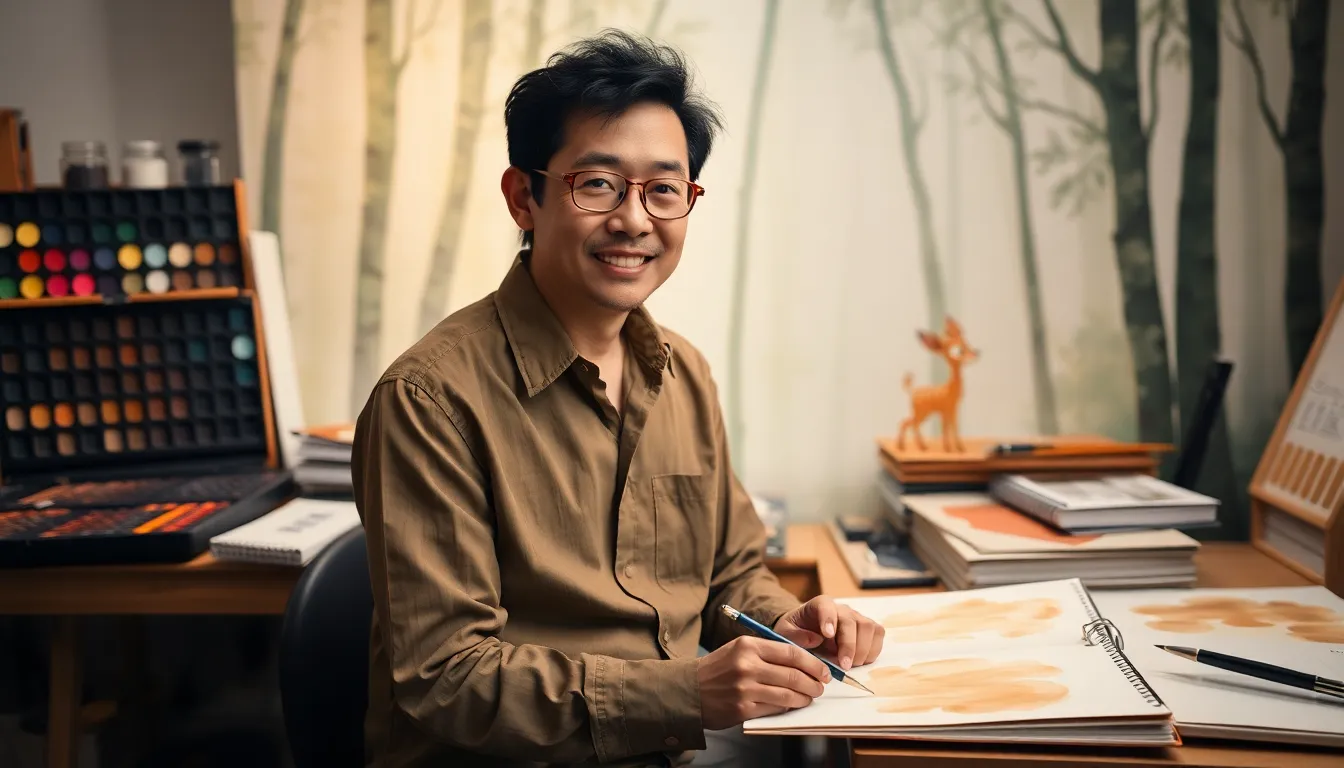
Tyrus Wong (1910–2016) was a Chinese‑American painter, illustrator, and art director best known for his ethereal background designs for Disney’s 1942 classic *Bambi* and his later fine‑art career.
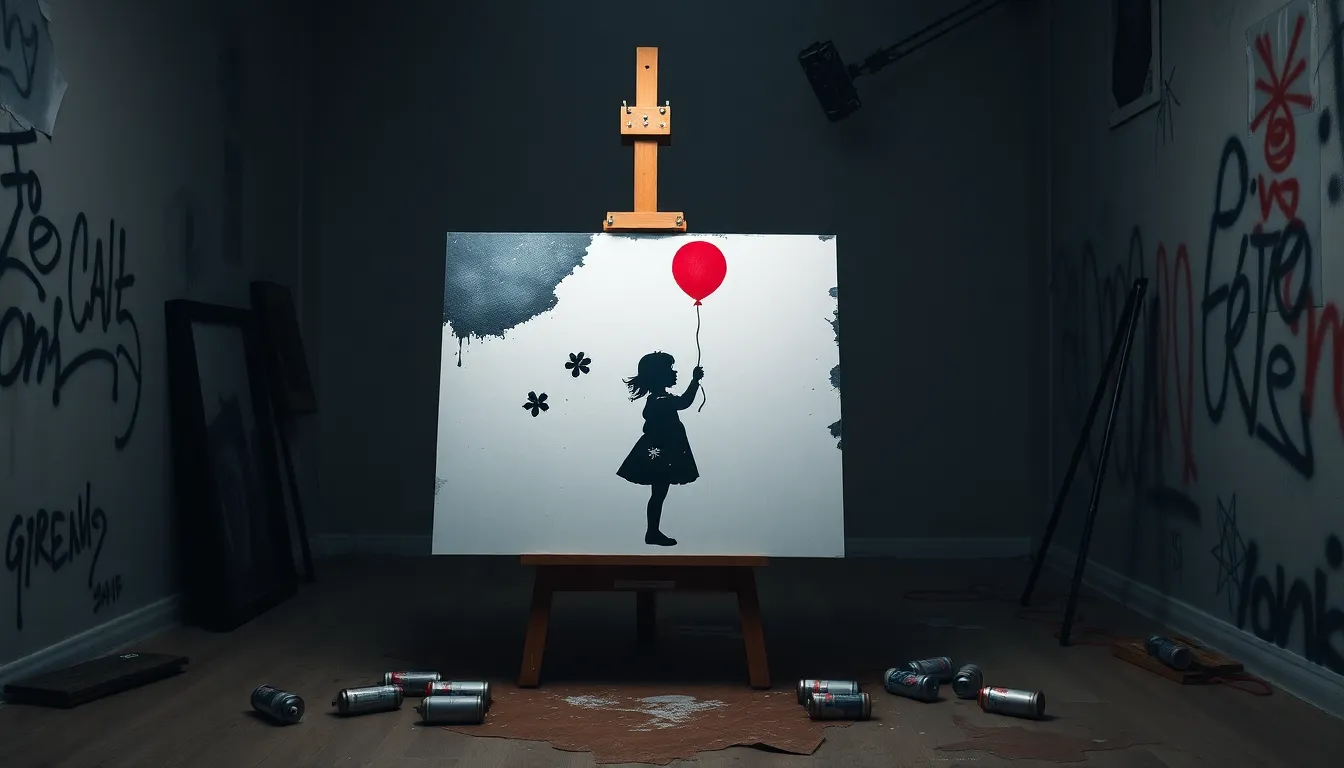
Banksy is a pseudonymous British street artist whose politically charged stenciled works have become global icons. Though his identity remains unconfirmed, his oeuvre spans murals, installations, film, and commercial collaborations.
Alma Thomas (1891–1978) was an American painter whose vibrant abstract canvases redefined modernism in the United States. Rising from a career in education, she became a pioneering figure in African‑American art, celebrated for her lyrical use of color and compositional harmony.
Annie Leibovitz is an American portrait photographer renowned for her staged, intimate images of cultural icons. Her work, spanning five decades, has reshaped celebrity portraiture and left an enduring mark on visual culture.
Ansel Adams (1902–1984) was an American photographer whose black‑and‑white images of the American West, especially Yosemite National Park, set new standards for technical mastery and environmental advocacy.
Nancy Baker Cahill is an American contemporary artist whose practice spans augmented reality, immersive installations, and public art, influencing digital culture and public space.
Banksy is a British street artist whose provocative, stencil‑based works have reshaped contemporary art and popular culture, while his true identity remains unconfirmed.
Diane Arbus (1923–1971) was an American photographer known for her stark portraits of people on society’s margins. Her work redefined documentary photography and continues to influence visual culture.
Edward Hopper (1882–1967) was an American painter whose stark depictions of urban solitude and quiet rural scenes defined 20th‑century realism. His work, marked by sharp light, muted color, and an economy of detail, continues to influence visual culture across film, photography, and design.
James McNeill Whistler (1834–1903) was an American‑born painter who shaped the Aesthetic movement with his “art for art’s sake” credo, pioneering tonal harmony and innovative exhibition practices.
Kara Walker, an American artist renowned for her large-scale silhouettes that investigate the legacy of slavery, racism, and gender, has shaped contemporary visual culture through provocative installations, drawings, and public commissions.
Keith Haring (1958‑1990) was an American artist whose bold graffiti-inspired imagery turned public spaces into platforms for social activism, AIDS awareness, and LGBTQ+ rights.
Norman Rockwell (1894‑1978) was an American illustrator whose depictions of everyday life shaped the visual identity of 20th‑century small‑town America. This biography examines his formative years, artistic medium, major works, collaborations, and lasting cultural impact.
Paul Cézanne (1839–1906) was a French painter whose innovative approach to form, colour, and perspective laid the groundwork for Cubism and modern art.
Pieter Bruegel the Elder (c.1525‑1569) transformed peasant scenes into a hallmark of Northern Renaissance painting, merging social observation with complex visual storytelling.
Laurie Frick is an American new‑media artist who translates personal data into abstract visual forms. Her work bridges data science, design, and fine art, earning international exhibitions and academic recognition.
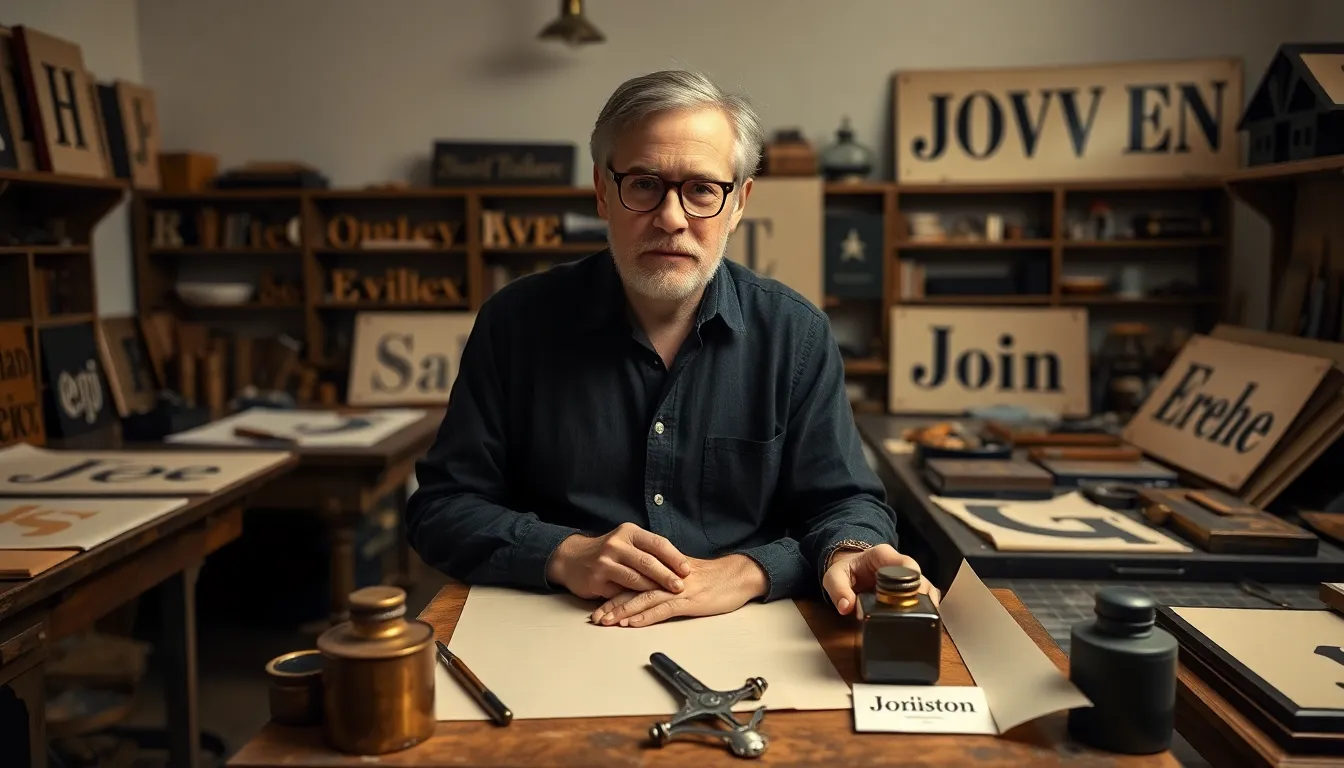
Edward Johnston (1901–1985) was a British calligrapher, typographer and educator whose work reshaped modern lettering, most famously designing the iconic Johnston typeface for the London Underground.
Michelangelo Merisi da Caravaggio (1571–1610) reshaped Western painting with his dramatic use of chiaroscuro and naturalistic treatment of biblical scenes. This biography traces his early life, artistic development, major works, and enduring influence.
Lucie Rie (1902–1995) was an Austrian‑British studio potter whose refined, modernist ceramics reshaped 20th‑century pottery and influenced generations of makers.
Carter Goodrich is an American character designer, illustrator, and cartoonist whose work spans Disney animation, newspaper comics, and children’s books. The biography details his early life, artistic development, major projects, collaborations, and lasting influence on visual culture.
Claude Monet (1840‑1926) was a pioneering French painter whose innovative approach to light, color, and perception laid the foundations of Impressionism and reshaped modern visual culture.
Color Stylist Eyore is an online visual consultant known for applying color theory to fashion, interior design, and digital media. Emerging from social‑media platforms, Eyore has built a niche following through tutorials, collaborations, and brand partnerships.
Diego Velázquez (1599–1660) was the leading court painter of Spain’s Habsburg monarchy, whose sophisticated portraits redefined realism and influenced generations of artists. His career spanned a turbulent era, yet his work remains a benchmark of Baroque visual culture.
Dorothea Lange (1895‑1965) was an American documentary photographer whose iconic images of the Great Depression, especially the “Migrant Mother,” shaped visual culture and social awareness.
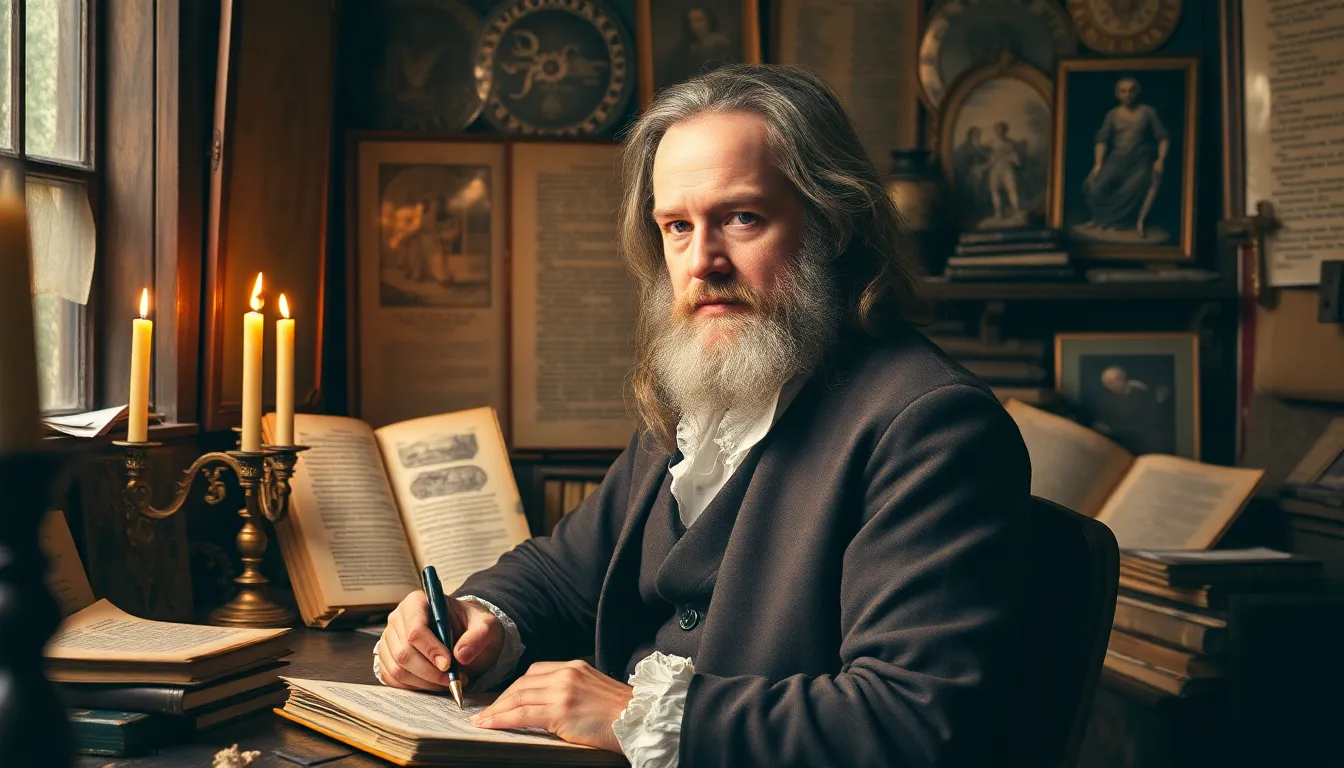
William Blake (1757–1827) was an English poet, painter, and master engraver whose visionary works fused lyrical mysticism with innovative print techniques, leaving a lasting imprint on Romantic art.
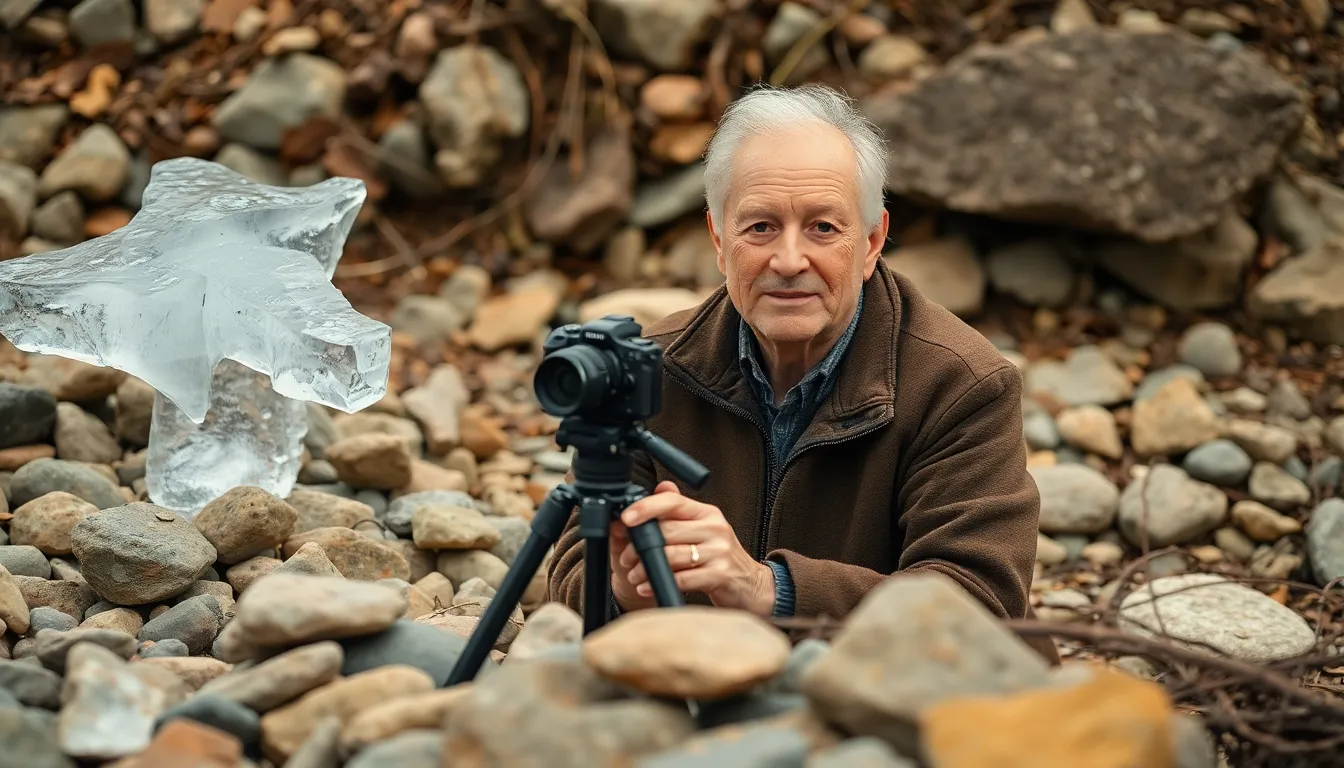
Andy Goldsworthy is a British environmental artist renowned for his transient, site‑specific installations using natural materials such as stone, ice, leaves and twigs.
Rembrandt van Rijn (1606–1669) was a Dutch master of painting and printmaking whose etchings redefined the medium. This biography surveys his early life, artistic development, major works, and lasting influence.
Lenore Tawney (1907–2007) was an American fiber artist whose innovative loom work and sculptural hangings transformed textile art into a respected medium within modern and contemporary art.
Francisco Goya (1746–1828) was a Spanish painter and printmaker whose career spanned the late Enlightenment and early Romantic eras, evolving from a court portraitist to a pioneering chronicler of human conflict and psychological trauma.
Giotto di Bondone (c.1266‑1337) was an Italian painter and architect whose pioneering fresco technique transformed medieval art into the early Renaissance. This biography explores his formative years, artistic vision, major commissions, and lasting cultural impact.
Frida Kahlo (1907–1954) was a Mexican painter whose vivid self‑portraits explored identity, suffering, and the politics of her era. Known for her distinctive visual language, she remains a cultural icon in art and feminist discourse.
Charles Rennie Mackintosh (1868–1928) was a Scottish architect, designer and artist whose integrated approach to architecture and furniture created a distinctive Art Nouveau style that continues to influence modern design.
Mario Klingemann is a German artist known for pioneering work with neural networks and machine learning in visual art. This biography examines his early life, artistic practice, major projects, collaborations, and lasting impact on digital culture.
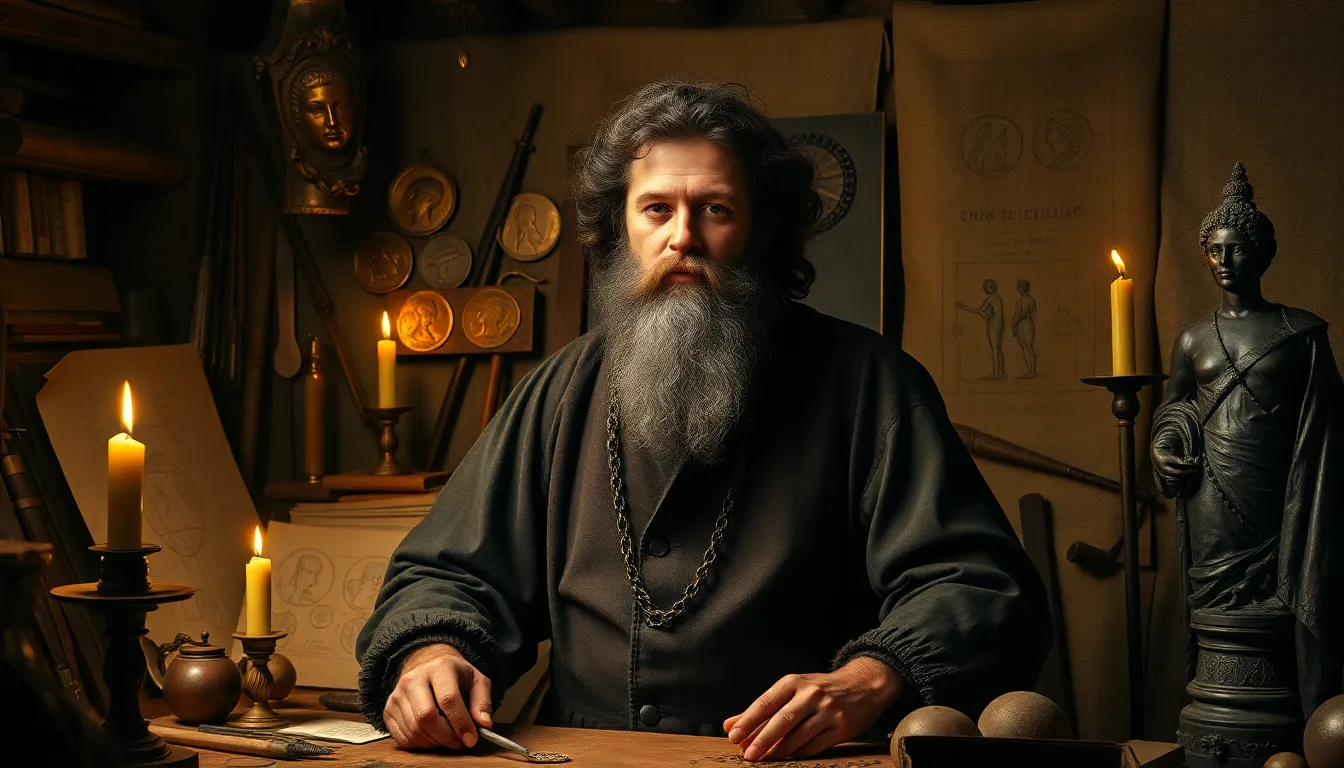
Benvenuto Cellini (1500–1571) was a pre‑eminent Italian goldsmith, sculptor and writer of the Renaissance. His daring works, flamboyant personality, and vivid autobiography left a lasting imprint on European art and design.
Grant Wood (1891–1942) was an American painter best known for his iconic 1930 work *American Gothic*. A central figure of the Regionalist movement, Wood’s art celebrated Midwestern life through a distinctive, meticulously rendered visual language.
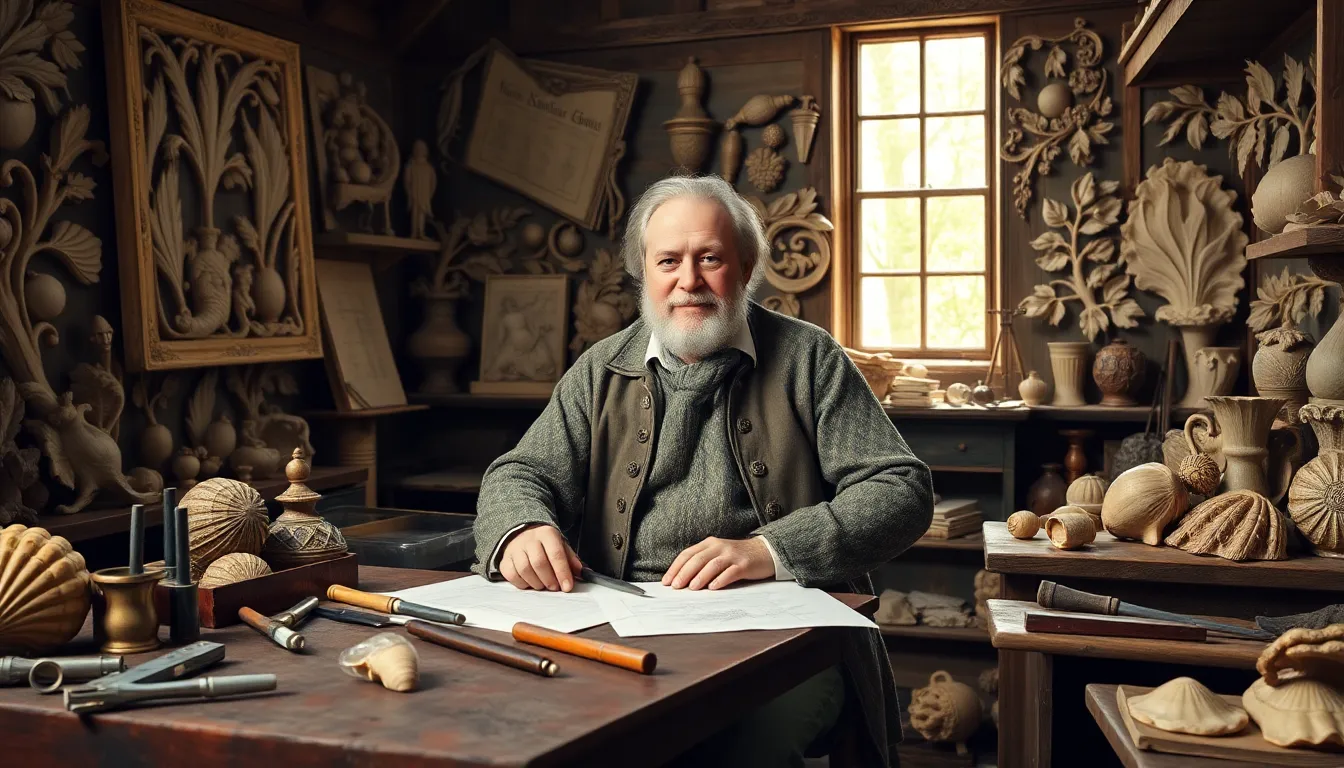
Grinling Gibbons (c. 1648 – 1721) was an English woodcarver and sculptor celebrated for his extraordinarily detailed lime‑wood reliefs in Baroque interiors. His work adorns many of Britain’s most important historic buildings and continues to influence decorative arts today.
Henri Matisse (1869–1954) was a French painter whose bold use of color and innovative cut‑out technique reshaped modern art. A leading figure of Fauvism, his career spanned five decades of relentless experimentation.
Hieronymus Bosch (c. 1450–1516) was a Dutch painter whose fantastical visions, epitomised by the triptych The Garden of Earthly Delights, reshaped early Netherlandish art. This biography explores his formation, visual language, major works, and lasting cultural impact.
Ian Cheng (born 1984) is an American artist known for pioneering live, AI‑driven simulation works. His practice merges storytelling, algorithms, and performance, positioning him at the forefront of contemporary digital art.
Dieter Rams, the German industrial designer whose minimalist principles shaped modern product design, is best known for his long tenure at Braun and his lasting influence on contemporary designers.
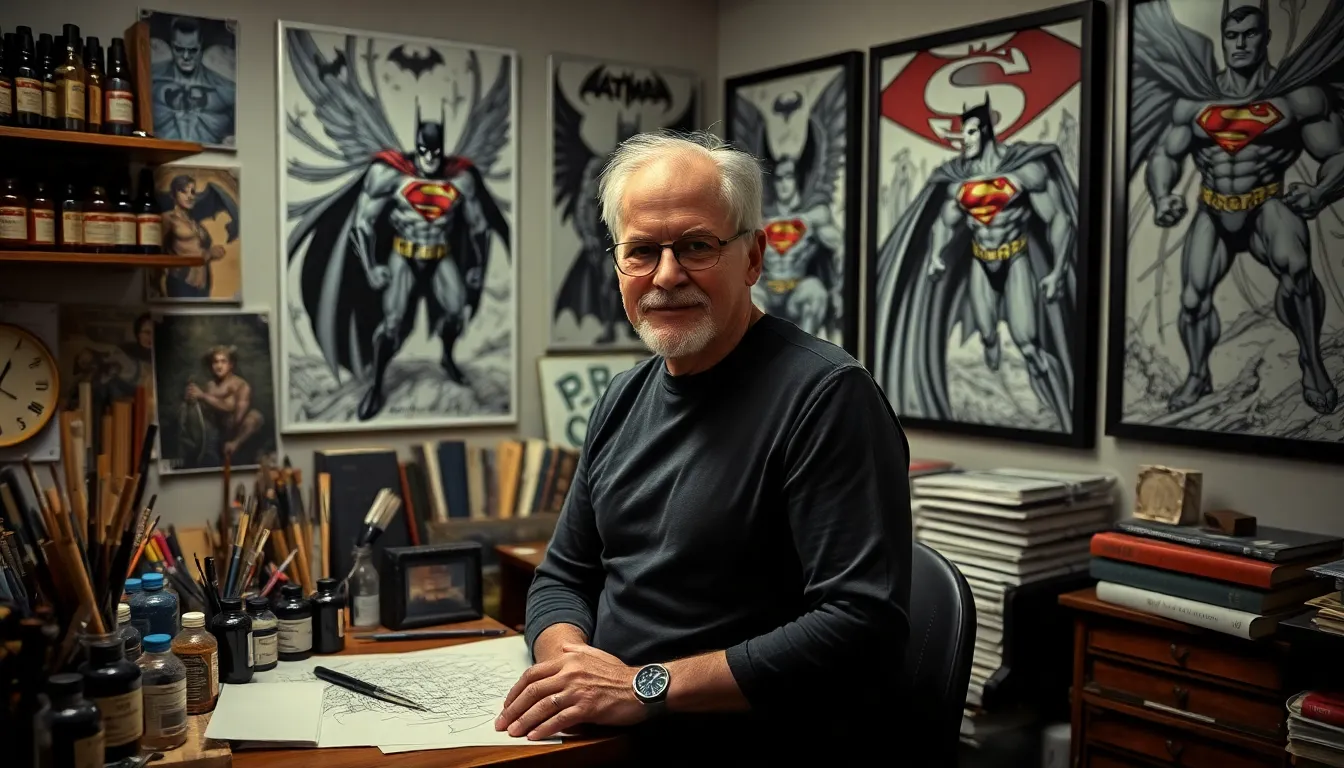
Tim Sale (1956–2022) was an American comic‑book artist celebrated for his moody ink work and collaborations with writer Jeph Loeb on landmark titles such as Batman: The Long Halloween. This biography traces his early life, artistic development, major works, collaborations, and lasting influence on contemporary visual culture.
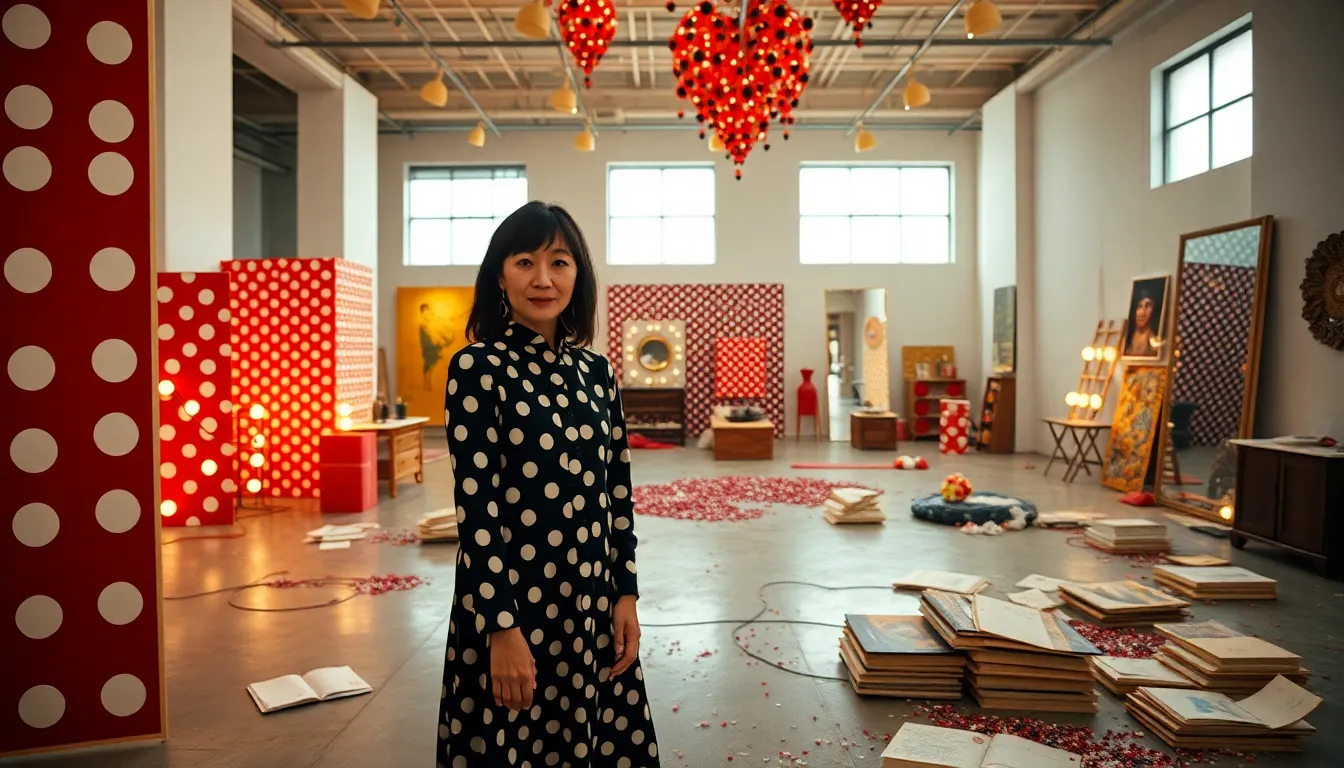
Yayoi Kusama is a Japanese installation artist known for her immersive, polka‑dot‑filled environments and avant‑garde sculptures. This biography explores her early life, artistic development, major works, collaborations, and lasting cultural impact.
Jackson Pollock (1912–1956) was an American painter whose innovative drip technique and large‑scale canvases defined the Action Painting style of Abstract Expressionism, reshaping post‑war American art.
Jacob Lawrence (1917–2000) was an American painter whose vivid narratives of the Great Migration transformed the story of African‑American life into a universal visual language. His seminal Migration Series remains a cornerstone of 20th‑century art.
Jean Valentine is a name most commonly associated with American poetry, yet records of a practicing enamelist under this name are scarce. This biography explores confirmed facts, the limited evidence of her work in enamel, and the cultural context surrounding her alleged practice.
Peter Carl Fabergé (1846–1920) was a Russian jeweler best known for his exquisitely crafted Imperial Easter eggs. His work blended Russian traditions with European art nouveau, leaving a lasting legacy in decorative arts.
Louis Cartier (1874–1942) was the French jeweller who transformed a modest family workshop into the world‑renowned luxury house Cartier. This biography outlines his early life, artistic development, signature designs, collaborations, and lasting influence on modern jewellery.