Explore Biographies of Artists & Creative Visionaries and uncover the ideas, struggles, and imagination behind iconic works.
Explore Biographies of Artists & Creative Visionaries
Understanding the Person Behind the Work
Art rarely appears from nowhere. Behind every painting, sculpture, film, song, novel, design, performance, or architectural marvel stands a person shaped by experience, contradiction, curiosity, and relentless imagination. Artist biographies help reveal that hidden human architecture. They connect the finished masterpiece to the life that produced it.
A biography of an artist is not only a record of dates and achievements. It is a window into temperament, discipline, uncertainty, and desire. It explains why a painter chose certain colors, why a filmmaker returned to the same themes, why a musician transformed private pain into public sound, or why a designer challenged the visual grammar of an era.
Creative visionaries often live at the intersection of sensitivity and defiance. They observe what others overlook. They question what others accept. Their lives make the work more legible.
Creativity as a Reflection of Life Experience
Every creative act carries traces of biography. Childhood memories, social pressure, exile, love, grief, poverty, education, political turmoil, spiritual inquiry, and personal rebellion can all become artistic material. Some creators translate trauma into beauty. Others convert fascination into innovation.
Understanding an artist’s life adds texture to the work. It does not reduce creativity to mere circumstance, but it enriches interpretation. A poem feels different when its historical background is known. A portrait becomes more powerful when the artist’s relationship with identity, mortality, or power is understood.
Biographies of artists remind readers that creativity is not ornamental. It is existential.
Early Life and Formative Influences
Childhood, Environment, and First Encounters with Art
Many artists discover their creative instincts early, though not always in formal ways. A child may sketch in the margins of schoolbooks, imitate voices, memorize melodies, dismantle toys to understand form, or invent imaginary worlds long before receiving public recognition. These first gestures often contain the embryonic shape of a future career.
Environment matters. A crowded city, a quiet village, a theatrical household, a strict family, a war-torn region, or a library-filled home can leave indelible impressions. For some creative visionaries, limitation becomes a catalyst. Scarcity can sharpen perception. Silence can deepen imagination.
Not every artist begins with encouragement. Some face skepticism, instability, or social constraints. Yet these pressures can create an inner furnace. The biography of an artist often begins with tension between what the world expects and what the individual feels compelled to express.
Education, Mentors, and Cultural Exposure
Formal education can refine talent, but it is not the only path to artistic maturity. Some artists study in academies, conservatories, universities, studios, or apprenticeships. Others are autodidacts, absorbing technique through observation, experimentation, and voracious curiosity.
Mentors can play a decisive role. A teacher may recognize unusual promise. A collaborator may open new methods. A critic may provoke a necessary transformation. Cultural exposure also matters deeply. Museums, street art, folk traditions, cinema, literature, religious symbolism, technology, and political movements can all influence creative direction.
Artists are not isolated planets. They belong to constellations of influence.
The Creative Breakthrough
Finding a Distinct Artistic Voice
The breakthrough moment in an artist’s biography is often misunderstood. It may appear sudden to the public, but it usually follows years of obscurity, failure, revision, and private experimentation. A distinctive voice does not simply arrive. It is carved.
An artistic voice emerges when technique, subject, emotion, and worldview begin to cohere. A painter discovers a visual language. A musician develops a recognizable sound. A writer finds rhythm and psychological depth. A filmmaker learns how to make silence, movement, and light carry meaning.
This stage is crucial because it separates imitation from originality. Many artists begin by echoing influences. Creative visionaries eventually transmute those influences into something unmistakably their own.
Struggle, Rejection, and Recognition
The path to recognition is rarely serene. Rejection is common. Galleries refuse work. Publishers decline manuscripts. Audiences misunderstand performances. Critics dismiss innovation as disorder. Financial pressure intrudes. Doubt becomes a persistent companion.
Yet struggle often strengthens artistic identity. It forces creators to decide whether their work is merely ambition or necessity. The most compelling biographies show how artists endured periods of invisibility without abandoning the inner command to create.
Recognition, when it comes, can be complicated. Fame brings opportunity, but also scrutiny. Success can liberate an artist or imprison them inside expectations. The visionary must continue evolving while the public often demands repetition.
Major Works and Artistic Contributions
Signature Creations and Defining Projects
An artist’s major works are milestones in both personal and cultural history. These creations represent moments when skill, vision, and circumstance aligned. A defining project may introduce a new aesthetic, challenge convention, revive tradition, or capture the emotional climate of an age.
Signature works often become shorthand for the artist’s identity. They are studied, quoted, imitated, debated, and reinterpreted. Yet they should not be viewed in isolation. A masterpiece is usually part of a broader creative continuum, connected to earlier experiments and later refinements.
Biographies help readers understand how these works came into being. They explain the process behind the artifact: the drafts, sketches, rehearsals, failures, obsessions, revisions, and decisions that shaped the final result.
Influence on Movements, Genres, and Future Creators
Creative visionaries do more than produce individual works. They alter possibilities. Some artists help define movements such as Impressionism, Surrealism, Modernism, jazz, cinema realism, abstract expressionism, digital art, or avant-garde performance. Others reshape genres from within, bending familiar forms until they become new.
Influence can be direct or subterranean. A filmmaker may inspire generations of directors. A poet may change the cadence of a language. A fashion designer may redefine the silhouette of an era. A visual artist may transform how society perceives identity, space, or memory.
The biography of a creative visionary is therefore also a map of artistic transmission.
Personal Philosophy and Creative Vision
The Ideas That Shaped Their Work
Behind every lasting artistic career lies a philosophy, whether explicit or intuitive. Some artists are driven by beauty. Others by justice, spiritual inquiry, absurdity, desire, rebellion, precision, or remembrance. Their work becomes a vessel for these ideas.
Understanding this philosophy helps readers move beyond surface appreciation. A painting may not simply be decorative. A song may not simply be melodic. A film may not simply be entertainment. Each may contain a theory of human experience.
Creative visionaries often ask difficult questions. What is freedom? What is identity? What is memory? What deserves preservation? What should be destroyed? Their biographies show how these questions emerged from life itself.
Innovation, Experimentation, and Risk
Originality requires risk. Artists who expand culture often violate expectation. They may use unfamiliar materials, unconventional structures, strange harmonies, fragmented narratives, provocative images, or hybrid forms. Such experimentation can appear disruptive before it is understood as visionary.
Risk is not always flamboyant. Sometimes it is quiet persistence. Sometimes it is the refusal to simplify. Sometimes it is the decision to create honestly in a world that rewards imitation.
The most important creative figures are often those who make new perception possible. They teach audiences how to see, hear, feel, and think differently.
Legacy of Artists and Creative Visionaries
Cultural Impact Across Generations
An artist’s legacy is measured not only by fame, awards, or commercial value. True legacy lives in endurance. It appears when work continues to speak after its original context has changed. It survives translation, reinterpretation, criticism, and time.
Some artists become symbols of national identity. Others become icons of resistance, imagination, elegance, innovation, or emotional truth. Their influence may reach classrooms, museums, theaters, studios, public spaces, and digital platforms.
Legacy is also dynamic. Each generation rediscovers artists through its own anxieties and aspirations. A once-marginal figure may become central. A misunderstood innovator may later seem prophetic.
Why Their Stories Continue to Inspire
Biographies of artists and creative visionaries continue to matter because they reveal the human cost and splendor of creation. They show that art is not produced by perfection, but by persistence. They show that uncertainty can coexist with genius. They show that imagination can survive pressure, obscurity, and rupture.
These stories inspire because they make creativity feel possible. They remind readers that every significant work began as an impulse, a question, a dissatisfaction, or a vision that refused silence.
To explore the lives of artists is to explore the many ways human beings transform experience into meaning. Their biographies preserve not only what they made, but why their making mattered.
John Singer Sargent (1856–1925) was an American expatriate painter celebrated for his elegant society portraits. His career spanned Europe and the United States, shaping the visual language of elite portraiture in the late nineteenth and early twentieth centuries.
Gustav Tenggren (1901–1979) was a Swedish‑American artist renowned for his work as a layout and background painter at Walt Disney Studios. His distinctive visual language helped shape the look of early American animation and later influenced children’s book illustration.
Leonard Bernstein (1918‑1990) was an American conductor, composer, pianist and educator whose eclectic career reshaped classical music performance, education, and popular culture in the 20th century.
Leonardo da Vinci (1452–1519) was a polymath of the Italian Renaissance whose work as a painter, inventor, and scientist reshaped Western art and knowledge.
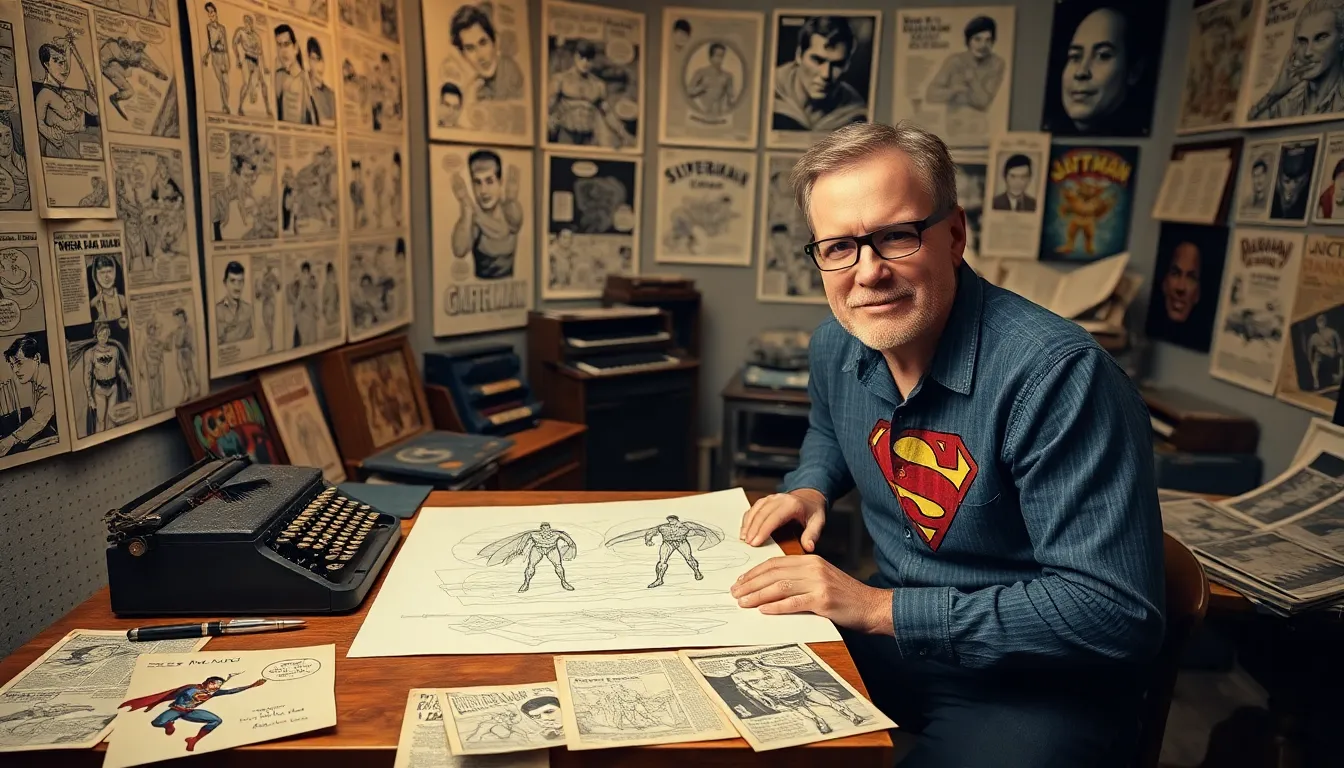
Arturo “Artie” Simek (1916–1975) was a seminal American comic‑book letterer best known for his work at Marvel Comics during the Silver Age. His distinctive hand‑lettering helped define the visual language of superhero narratives for decades.
Lorenz Hart (1895–1943) was an American lyricist whose witty, sophisticated verses helped shape the Golden Age of Broadway. Partnering with composer Richard Rodgers, he created a body of work that remains central to the American Songbook.
Joseph Oberdorfer is identified in a few niche art references as a contemporary marble sculptor, though verifiable details about his life, career, and works remain scarce.
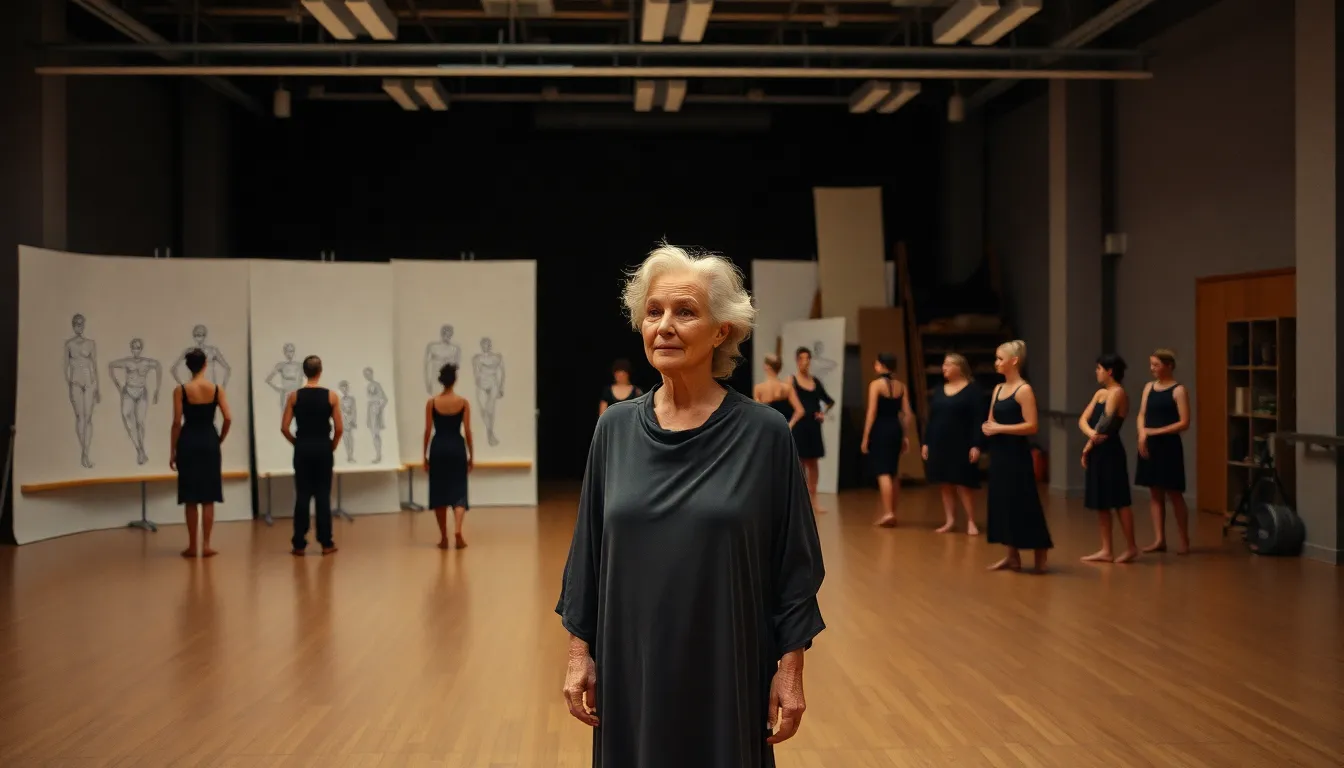
Martha Graham (1894–1991) was an American choreographer and dancer whose innovative technique reshaped modern dance. Her prolific career spanned over seven decades, producing a legacy of groundbreaking works and a distinctive artistic philosophy.
Mary Cassatt (1844–1926) was an American painter and printmaker who spent most of her professional life in Paris, becoming a leading figure of Impressionism and a pioneer in portraying the private lives of women and children.
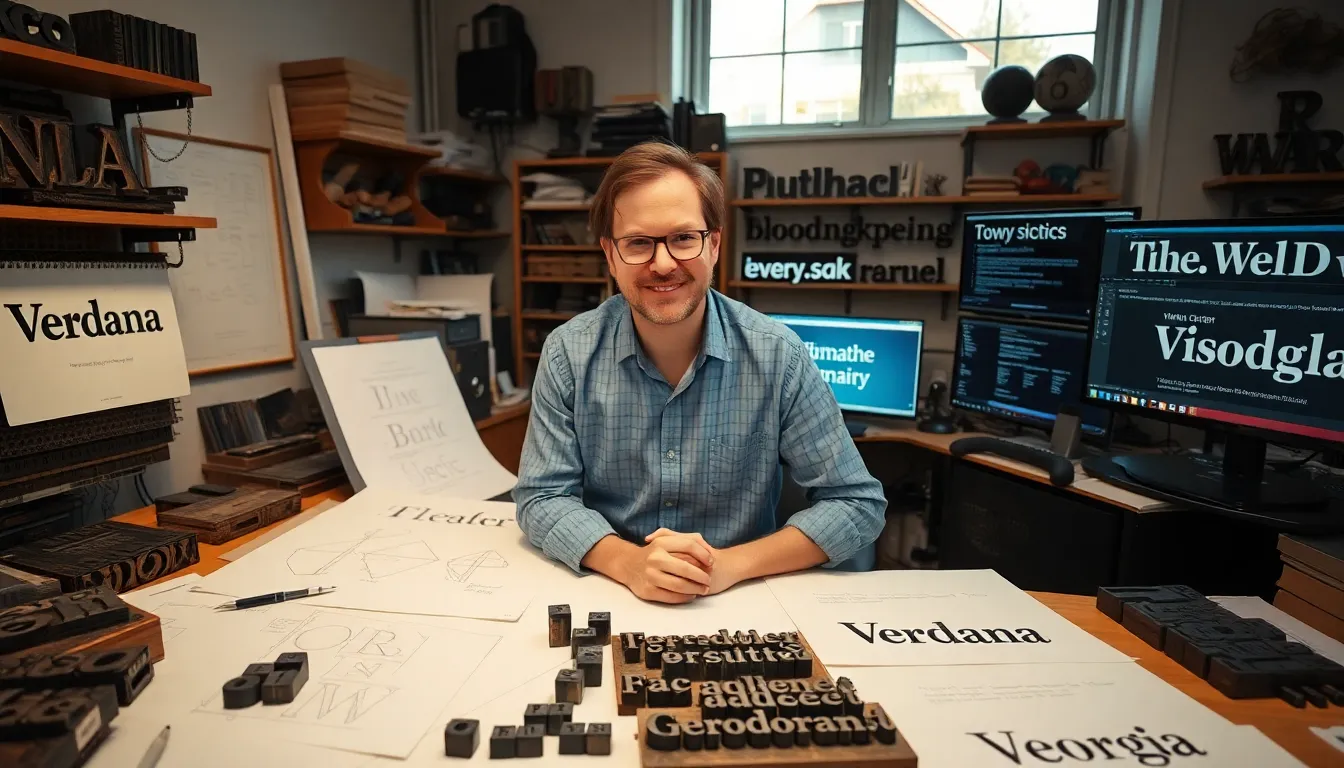
Matthew Carter is a British‑American type designer whose work has shaped digital and print typography for over five decades, including iconic typefaces such as Verdana, Georgia, and the Times New Roman revision.
Maya Angelou (1928–2014) was an American poet, memoirist, and civil‑rights activist whose lyrical voice shaped contemporary literature and cultural discourse.
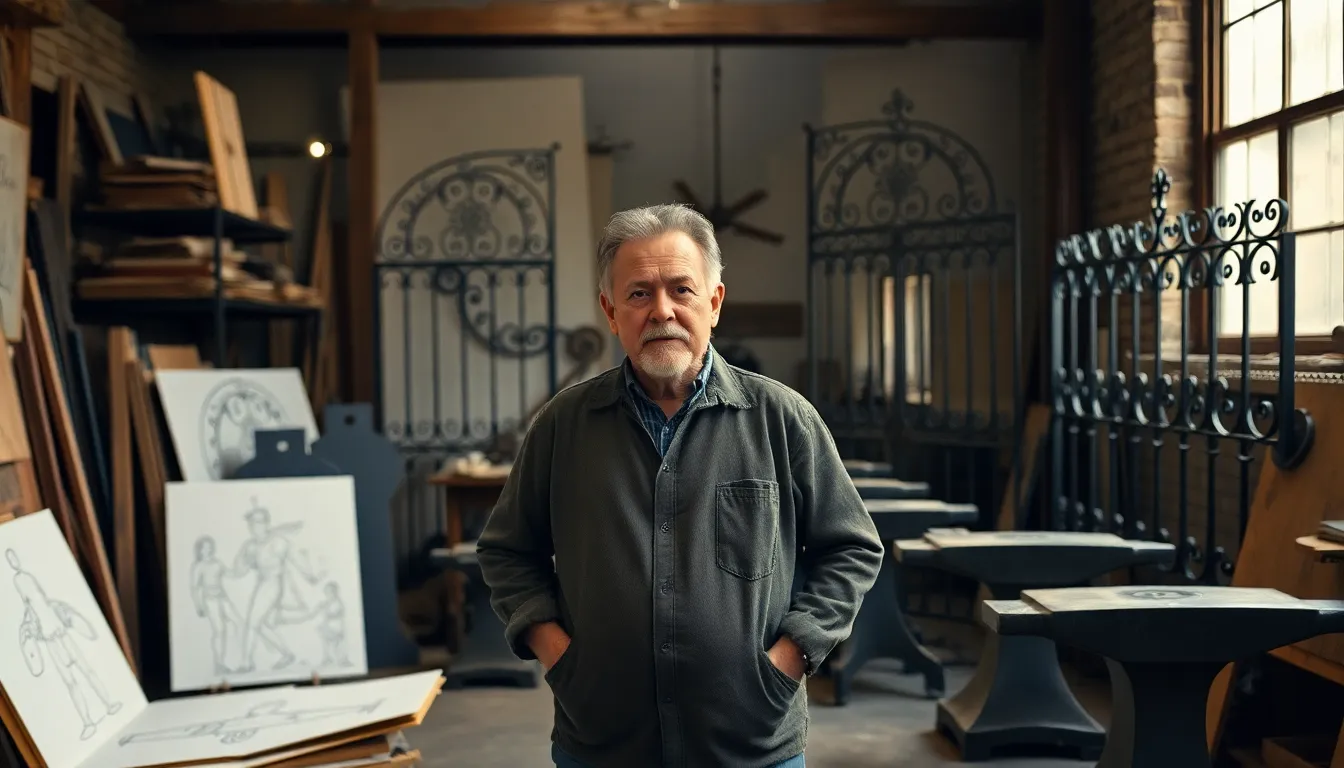
Samuel Yellin (1885–1940) was a pre‑eminent American blacksmith whose ornamental ironwork defined many institutional and civic buildings of the early 20th century. This biography examines his training, design philosophy, major commissions, and enduring legacy.
Michelangelo Buonarroti (1475–1564) was a pre‑eminent Italian sculptor, painter, architect and poet of the High Renaissance. He is renowned for masterpieces such as the marble statue of David and the frescoed ceiling of the Sistine Chapel.
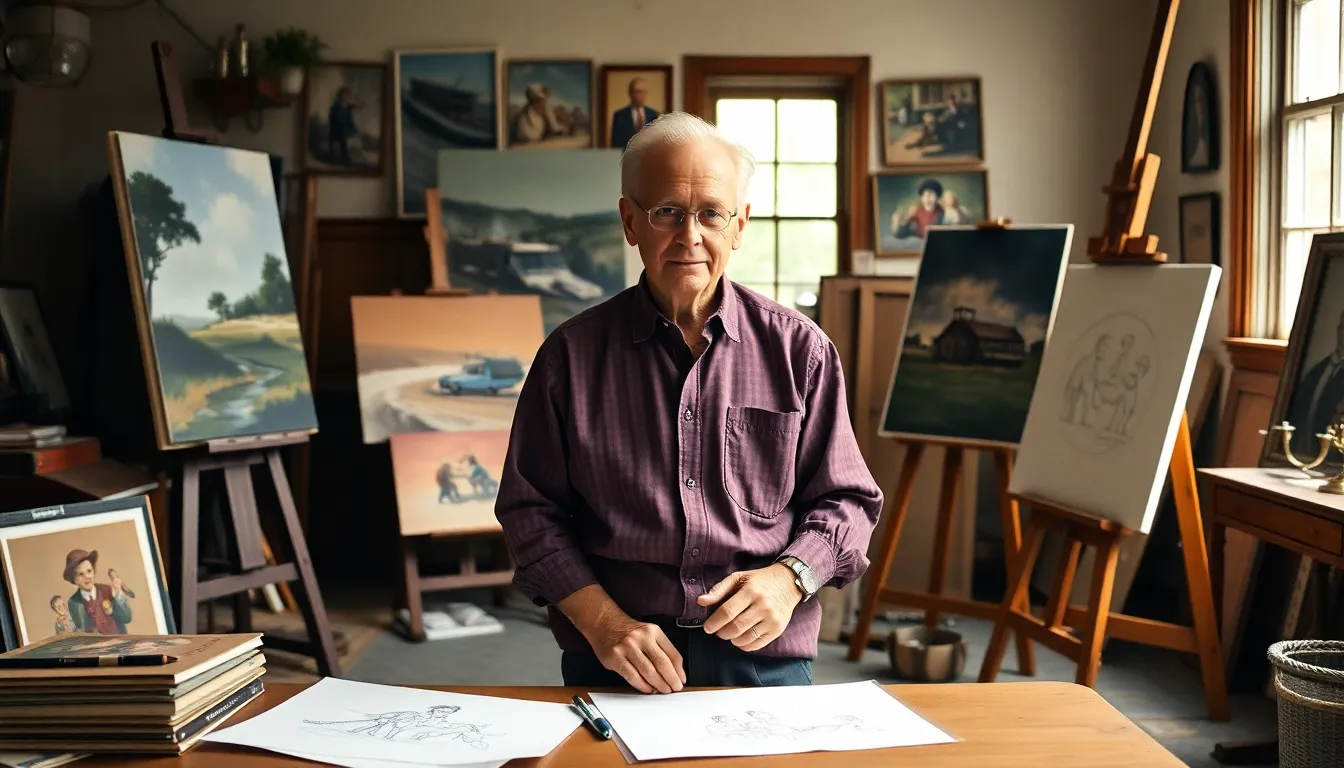
Norman Rockwell (1894‑1978) was an American illustrator whose idealized depictions of everyday life shaped 20th‑century visual culture. This biography surveys his training, technique, major commissions, and lasting influence.
Louise Fili is an American graphic designer renowned for her elegant typography and sophisticated package designs for food, wine, and luxury brands. Her work blends Italian heritage with modern minimalism, influencing contemporary branding worldwide.
Dard Hunter (1883–1966) was an American craftsman, typographer, and pioneer of the modern papermaking movement, whose meticulous work revived traditional handmade paper techniques in the 20th century.
Paul Rand (1914–1996) was an American graphic designer whose corporate identity work defined the visual language of mid‑century modernism. Best known for iconic logos such as IBM, ABC, and UPS, his influence endures across advertising, publishing, and education.
John Romita Sr. (1930–2023) was a pioneering American comic‑book artist best known for his defining work on Marvel’s Spider‑Man and his long‑standing influence on the visual language of superhero comics.
Marina Abramović is a Serbian-born performance artist whose pioneering work has redefined the limits of body, time, and audience participation in contemporary art.
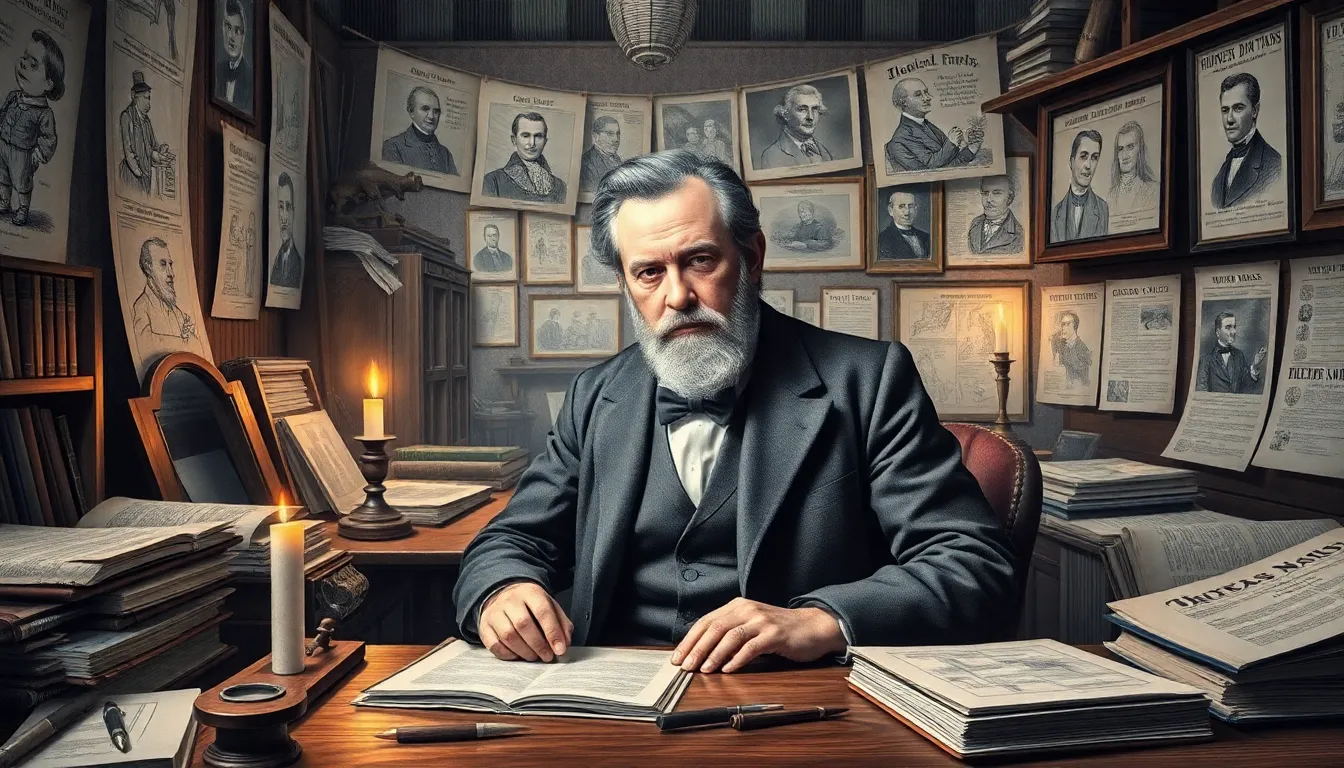
Thomas Nast (1840‑1902) was a German‑born American cartoonist whose incisive illustrations shaped public opinion during the Civil War and the Gilded Age, coining enduring symbols such as the modern Santa Claus and the Republican elephant.
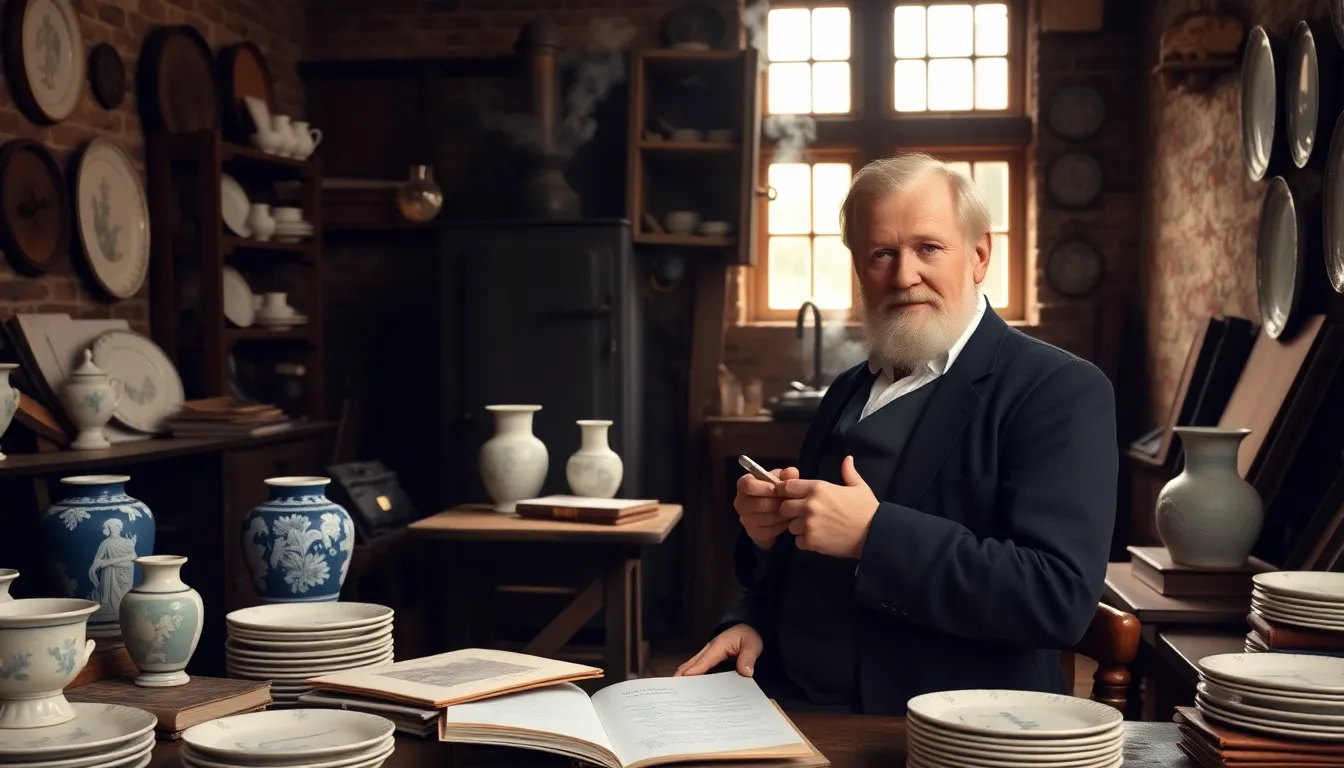
Josiah Wedgwood (1730–1795) was an English potter and entrepreneur whose innovative designs, industrial methods, and marketing strategies transformed British ceramics and set a precedent for modern manufacturing.
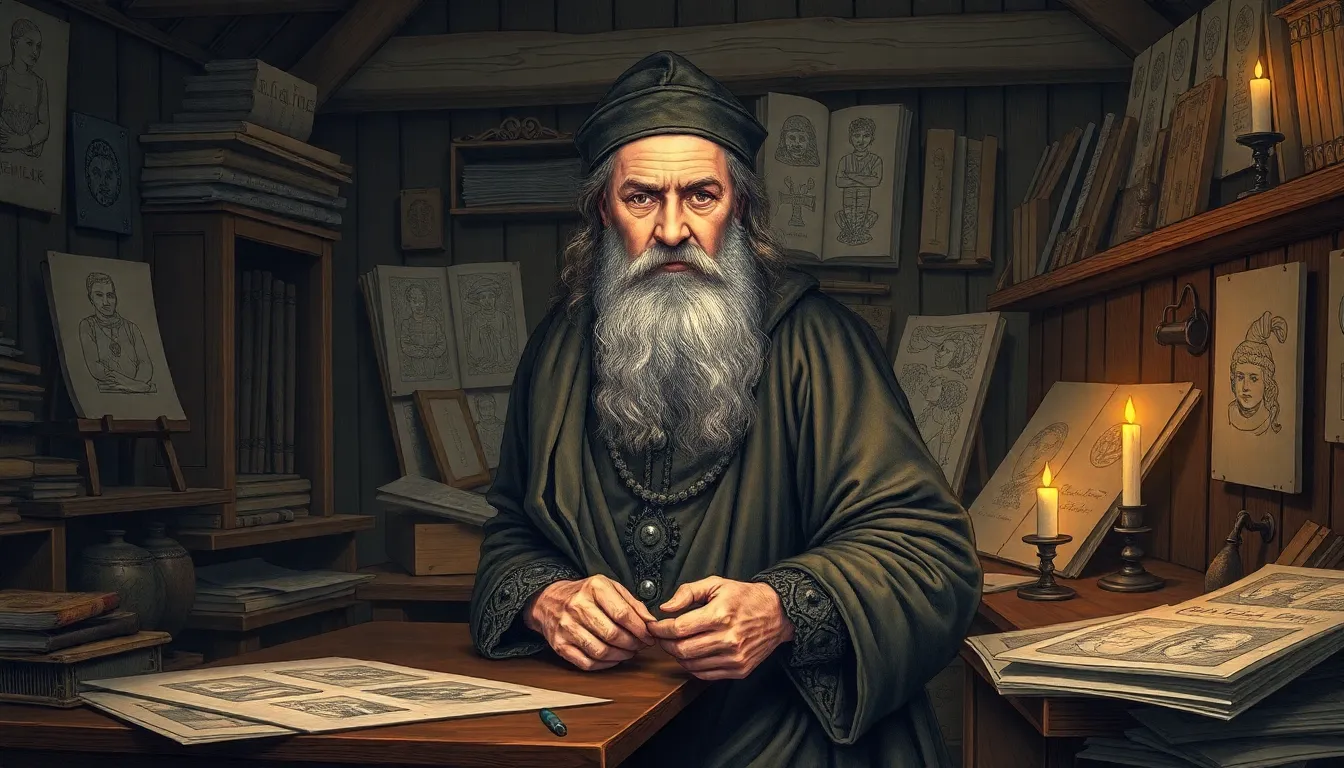
Albrecht Dürer (1471‑1528) was a German Renaissance artist renowned for his innovations in printmaking, especially woodcut and engraving. His meticulous technique and intellectual approach left a lasting legacy on European visual culture.
David O. Selznick (1902–1965) was an influential American film producer best known for the epic *Gone with the Wind*. His career spanned the Golden Age of Hollywood, shaping cinematic storytelling through bold production values and star‑driven projects.
Malcolm Wheeler‑Nicholson (1890‑1965) was an American pulp writer‑publisher who pioneered the comic‑book industry, founding National Allied Publications, the precursor to DC Comics. His ventures, collaborations, and legal battles shaped the modern superhero landscape.
Refik Anadol is a Turkish-born media artist and director known for his site-specific public art installations that explore the intersection of art, data, and artificial intelligence.
Rembrandt Harmenszoon van Rijn (1606–1669) remains one of the most influential painters of the Dutch Golden Age. Known for his revolutionary use of chiaroscuro and psychological depth, his work reshaped portraiture, narrative painting, and printmaking.
Richard Avedon (1923–2004) reshaped fashion and portrait photography with a stark, kinetic style that blended art, commerce, and cultural commentary, leaving an indelible mark on visual culture.
Salvador Dalí (1904–1989) was a Spanish surrealist painter whose technical virtuosity, dreamlike imagery, and flamboyant public persona made him one of the most recognizable artists of the twentieth century.
Saul Bass (1920–1996) was an American graphic designer whose kinetic title sequences and corporate logos reshaped visual communication in film and business.
Michelangelo Buonarroti (1475‑1564) was an Italian Renaissance sculptor, painter, architect and poet whose monumental works, such as the Pietà and David, redefined the language of Western art.
Sheila Hicks is an American textile artist renowned for her innovative use of fiber, color, and space, whose work spans six decades, major museum exhibitions, and interdisciplinary collaborations.
Paul Revere (1735–1818) was a colonial‑American silversmith, engraver, and industrialist whose work helped shape early American decorative arts and whose patriotic actions made him an enduring national icon.
Sol LeWitt (1928–2007) was a pioneering American conceptual and minimal artist whose systematic wall drawings and serialized sculptures reshaped contemporary art. This biography covers his early life, artistic development, major works, and lasting influence.
Mary Blair (1911‑1978) was an American painter, illustrator and concept artist whose vibrant color styling shaped the visual language of mid‑century Disney animation and beyond.
Jean-Michel Basquiat (1960‑1988) was a pioneering American street artist who rose from the graffiti scene of 1980s New York to become an influential figure in contemporary art, known for his expressive paintings, symbolic language, and cultural critique.
Syd Mead (1923–2019) was an American visual futurist whose concept art shaped the look of science‑fiction cinema and industrial design. His work, spanning five decades, combined meticulous engineering with imaginative world‑building.
Berthe Morisot (1841–1895) was a central figure in French Impressionism, known for her luminous domestic scenes and innovative brushwork. As one of the few women accepted by the Impressionist circle, she helped shape the movement’s visual language while navigating the gendered constraints of 19th‑century art institutions.
Edvard Munch (1863–1944) was a Norwegian painter whose iconic work The Scream epitomises existential angst. This biography examines his formative years, artistic evolution, major works, and lasting cultural influence.
Andrew Wyeth (1917–2009) is one of America’s most celebrated realist painters, known for his meticulous tempera works and the iconic “Christina’s World”. This biography traces his family roots, artistic formation, major works, and lasting cultural impact.
Cindy Sherman, an American photographer, reshaped contemporary art through staged self‑portraiture that interrogates gender, identity, and visual culture.
Georgia O’Keeffe (1887–1986) was a pivotal figure in American modernism, celebrated for her vivid enlargements of flowers, stark desert landscapes, and pioneering visual language that reshaped 20th‑century art.
Henri de Toulouse‑Lautrec (1864–1901) was a French painter and printmaker whose work captured the vibrant nightlife of Montmartre. His bold graphic style and empathetic portrayals of entertainers made him a pivotal figure in the transition to modern art.
Winslow Homer (1836–1910) emerged from a modest New England upbringing to become a leading American realist, known for his masterful depictions of maritime life, rural labor, and the sea’s elemental power.
Yayoi Kusama, a Japanese avant‑garde pioneer, has built a global reputation through her obsessive use of polka dots and immersive infinity installations, shaping contemporary art since the 1950s.
Robert Mapplethorpe (1946–1989) was an American photographer whose stark, formally composed images of the human body, flowers, and New York’s subcultural scene reshaped contemporary art photography.
Faith Ringgold is an American painter, storyteller, and activist whose narrative quilts blend visual art with literature, foregrounding African‑American experiences and feminist perspectives.