Early Artistic Beginnings
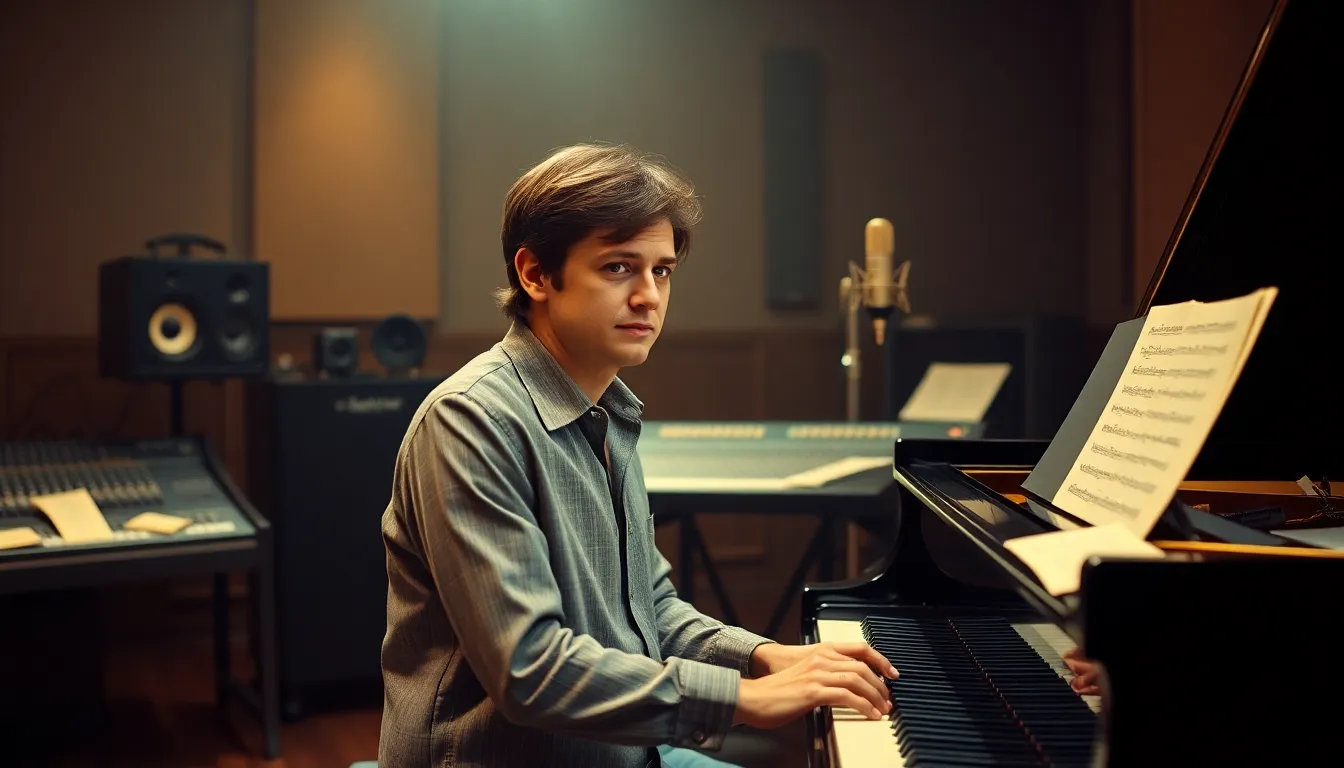
Richard Lynn Carpenter was born on December 15 1946 in New Haven, Connecticut, United States. He was the elder son of Agnes Reba (Davis) and Harold Bertram Carpenter, a farmer who also owned the family’s poultry business. The Carpenters moved to Downey, California, in the early 1950s, where the brothers would spend most of their formative years. In Downey, Richard attended Downey High School and began piano lessons at age five, showing an early affinity for melody and harmony. By the time he entered secondary school, he was already arranging music for school concerts and playing in local bands, some of which performed at community dances and church events.
After graduating in 1964, Richard enrolled at California State University, Long Beach, intending to study accounting. However, his passion for music led him to switch his major to music theory and composition. While at university, he met fellow students who shared a love for the emerging pop‑rock scene, and he started to experiment with recording techniques using the modest studio equipment available on campus. The formative experience of arranging popular songs for his sister Karen’s vocal performances solidified his role as the musical backbone of what would become a family act.
Influences and Creative Voice
Richard’s musical palette was shaped by a mixture of traditional pop standards, classical piano repertoire, and contemporary rock. He cited the vocal stylings of Nat King Cole and the orchestral arrangements of Henry Mancini as early inspirations. The Beatles’ innovative studio techniques, particularly those employed on Sgt Pepper’s Lonely Hearts Club Band, profoundly impacted his approach to production and layering. At the same time, he drew from the lush textures of easy‑listening orchestras led by artists such as Ray Conniff and Percy Faith, which informed his preference for rich, melodic arrangements.
The close collaboration with his younger sister Karen added a unique dynamic to his creative voice. While Karen possessed a contralto timbre that conveyed both vulnerability and strength, Richard’s role was to provide the harmonic framework, often translating vocal ideas into piano‑driven arrangements. Their partnership was marked by a shared desire to craft songs that balanced emotional intimacy with commercial appeal, a balance that would become a hallmark of the Carpenters’ sound throughout the 1970s.
Major Works and Breakthroughs
The Carpenters’ first major breakthrough arrived with the release of the single “Ticket to Ride” in 1969, a cover of The Beatles’ song featuring Karen’s plaintive vocal and Richard’s clean piano accompaniment. The track reached the top ten on the Billboard Hot 100 and signaled the arrival of a new pop sensibility. Their debut album, Offering, was released the same year and introduced listeners to Richard’s meticulous production style, marked by precise instrumental layering and subtle string arrangements.
The following years saw an uninterrupted stream of chart‑topping hits. “(They Long to Be) Close to You” (1970) became the duo’s first number‑one US single, showcasing Richard’s skillful use of orchestration, acoustic guitar, and a signature soft‑rock drum pattern. Subsequent releases such as “We’ve Only Just Begun” (1970), “Superstar” (1971), and “Rainy Days and Mondays” (1971) cemented the Carpenters’ reputation for crafting timeless ballads.
Richard’s contributions extended beyond performance; he was the chief arranger and producer for each album, overseeing everything from vocal harmonies to the choice of session musicians. His ability to blend pop structures with sophisticated harmonies earned the Carpenters numerous Grammy nominations, including Album of the Year for Carpenters (1971). The duo’s televised appearances, most notably on The Andy Williams Show and The Hollywood Palace, further amplified their national profile.
Collaborations and Evolution
Beyond his work with Karen, Richard engaged in several collaborative projects that displayed his versatility. In the early 1970s, he worked with producer Jack Daugherty on the instrumental album Richard Carpenter Plays “Carpenters” (1975), a collection of re‑interpreted Carpenters hits without vocals, highlighting his piano virtuosity. He also contributed arrangements for other artists, including pop singer Mitch Miller and vocalist Patti Page, thereby extending his influence across the broader pop music landscape.
Following Karen’s untimely death in 1983, Richard faced a profound personal and professional crossroads. He withdrew from the public eye for several years, taking time to process his grief and regroup. In 1997, he returned to recording with the solo album Time (1999), a contemplative work that mixed new compositions with re‑recorded Carpenters classics, featuring guest vocals from former Carpenters collaborators.
Richard’s later career has been characterized by a focus on preserving the Carpenters’ legacy. He has overseen remastered releases, curated box sets, and authored liner notes that provide insight into the original recording sessions. His partnership with the band The Cookies on the 2014 tribute album Carpenters: The Songs of Richard and Karen Carpenter exemplifies his continued commitment to honoring the original material while introducing it to new audiences.
Awards, Reception, and Legacy
Throughout their active years, the Carpenters amassed three Grammy Awards, including Best Pop Performance by a Duo or Group with Vocal for “Close to You” (1970) and Best Contemporary Vocal Performance by a Duo, Group or Chorus for “Snowbird” (1971). The duo’s records have sold over 100 million copies worldwide, a testament to their enduring commercial appeal.
Critics have praised Richard’s production techniques for their clarity and emotional resonance. Music historians often cite his use of layered vocal harmonies and string arrangements as pivotal in shaping the soft‑rock genre of the 1970s. Despite occasional criticism that the Carpenters’ sound was overly polished, the consistent chart performance and lasting fan devotion confirm their cultural impact.
Richard Carpenter continues to be recognized for his contributions to popular music. In 2022, the Hollywood Walk of Fame honored the Carpenters with a star, acknowledging both siblings’ artistic achievements. Moreover, the inclusion of several Carpenters songs in the National Recording Registry underscores their significance in American music history. Richard’s dedication to preserving and celebrating the duo’s work ensures that future generations can appreciate the melodic craftsmanship that defined an era.