Ali Score Biography – Age, Net Worth & Personal Life

Ali Score is a name that appears sporadically in online music listings, but verifiable biographical information about the performer is currently unavailable from reliable sources.
More Biography, More Stories Behind Every Name
Explore Biographies of Musicians & Artists and uncover the songs, struggles, fame, and creative legacies behind unforgettable lives.
Ali Score is a name that appears sporadically in online music listings, but verifiable biographical information about the performer is currently unavailable from reliable sources.
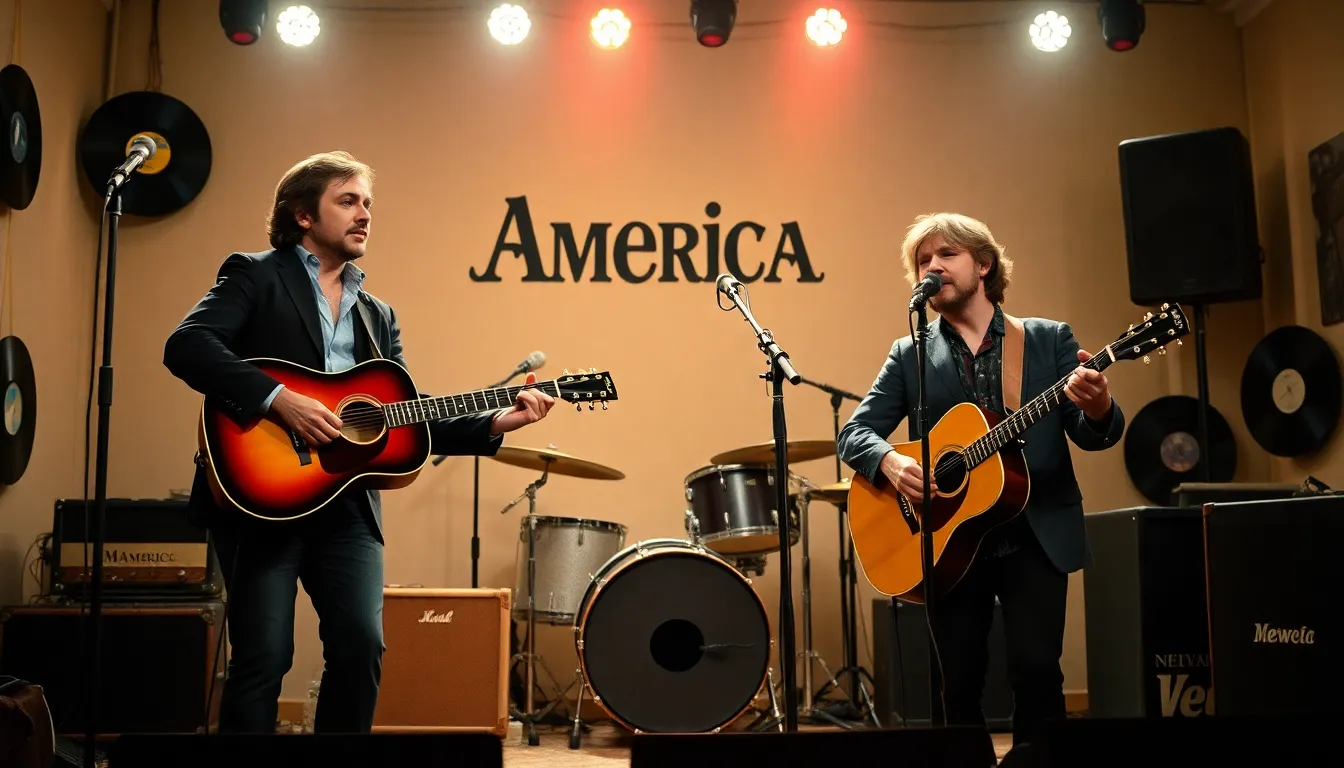
America is a U.S. folk‑rock band best known for timeless hits such as “A Horse With No Name,” “Ventura Highway,” and “Sister Golden Hair.” Formed in London in 1970 by three American expatriates, the group has sold over 40 million records worldwide and continues to tour decades after its debut.

Aretha Louise Franklin (1942–2018) was an American singer, songwriter and pianist whose powerful voice made her the “Queen of Soul.” Her career spanned gospel, R&B, pop and jazz, earning her multiple Grammy Awards and an indelible cultural legacy.

Bertie Higgins is an American singer‑songwriter best known for his 1980s hit “Key Largo.” The biography outlines his early life in Florida, musical influences, breakout successes, later career, and cultural legacy.
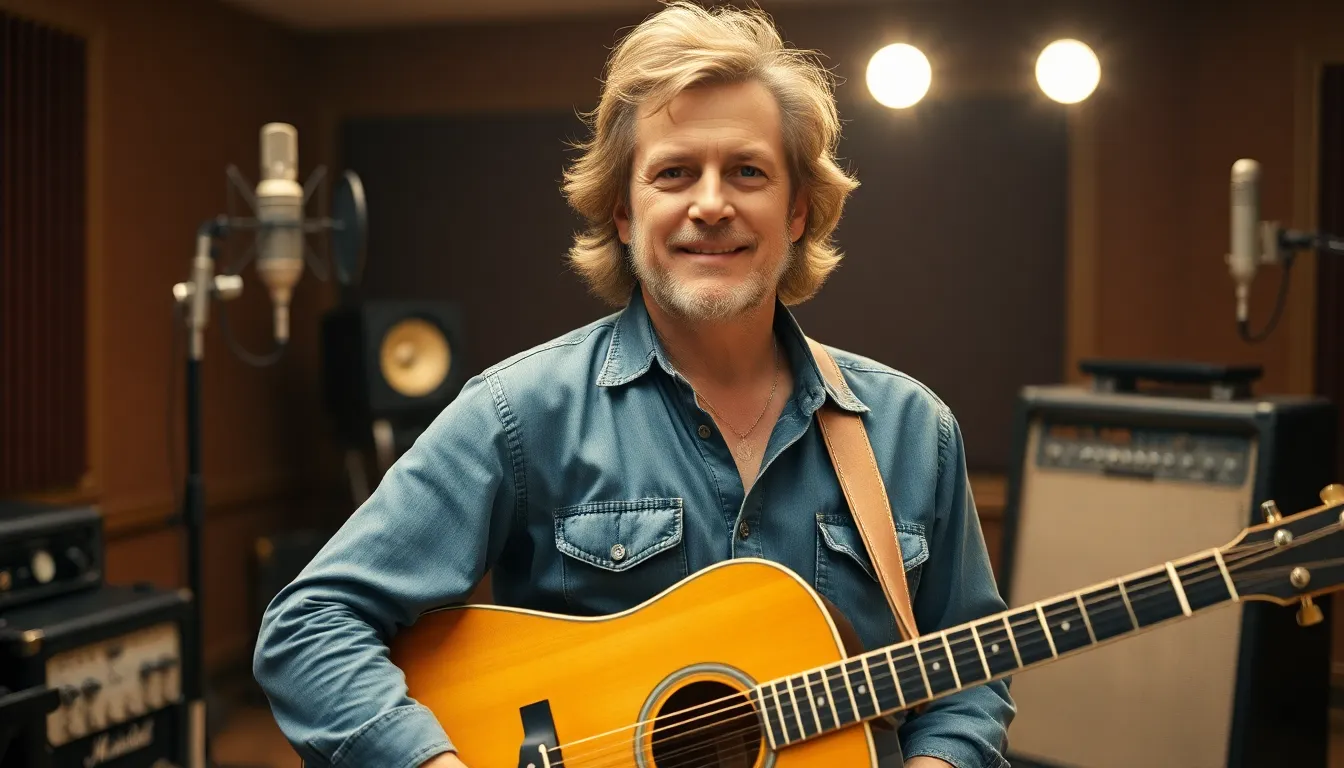
Billy Swan is an American country‑rock singer‑songwriter best known for his 1974 pop‑crossover hit “I Can Help.” This biography traces his early life in Mississippi, musical influences, breakthrough success, collaborations, and lasting legacy, while also addressing his net worth and personal background.

An encyclopedic account of Beyoncé Knowles‑Carter’s artistic development, from her early years in Houston to her emergence as a global cultural icon and musical innovator.

Billie Holiday, known as “Lady Day,” transformed jazz singing with her emotive phrasing and melancholic tone, navigating a career marked by artistic brilliance and personal hardship.

Bob Dylan, born Robert Zimmerman in 1941, is an American singer‑songwriter whose work shaped folk, rock and popular culture over six decades. His lyrical depth, constantly evolving sound and cultural influence earned him the title “the voice of a generation.”

An encyclopedic overview of Bruno Mars’ artistic origins, influences, breakthrough works, collaborations, awards, and lasting cultural impact.

Elvis Aaron Presley (1935–1977) was an American singer and actor who became a cultural icon and the foremost figure in the development of rock and roll. His career spanned two decades, producing hit records, landmark films, and a performance style that reshaped popular music worldwide.
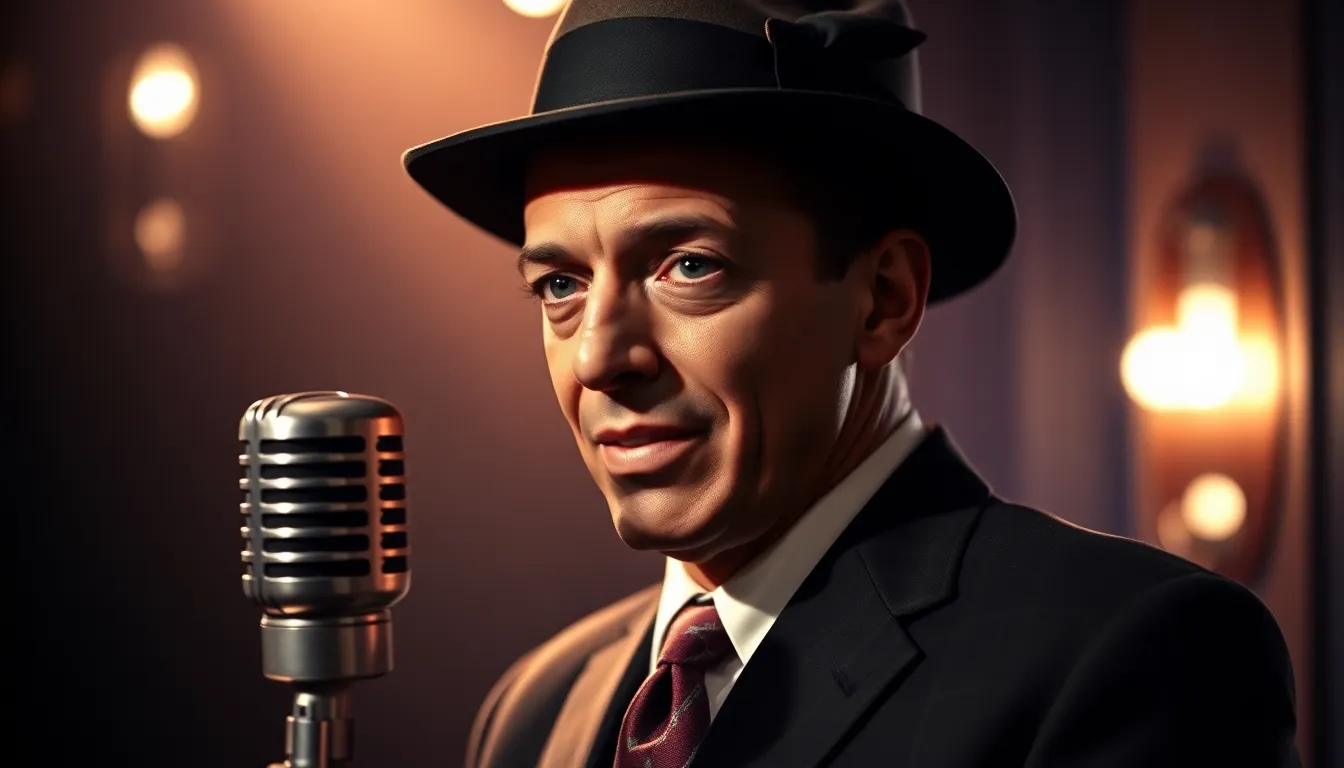
Frank Sinatra (1915–1998) was an American singer, actor and cultural icon whose smooth phrasing and charismatic stage presence reshaped popular music in the 20th century.

George Harrison (1943–2001) was the lead guitarist of the Beatles, a prolific songwriter, and a pioneering figure in the popularization of Indian music and spirituality in Western popular culture.

Hank Williams (1923‑1953) was a pioneering American singer‑songwriter whose brief but influential career helped shape modern country music and earned him the reputation as the original country outlaw.

Janis Joplin rose from a modest Texas upbringing to become one of the most iconic voices of the 1960s rock scene. Her 1971 album Pearl, released posthumously, solidified her legacy as a raw, emotive force in popular music.

John Lennon, English singer‑songwriter and peace activist, rose from Liverpool’s Merseybeat scene to worldwide fame with the Beatles and later as a solo artist, best known for the anthem “Imagine”. His work reshaped popular music and continues to symbolize a vision of global harmony.
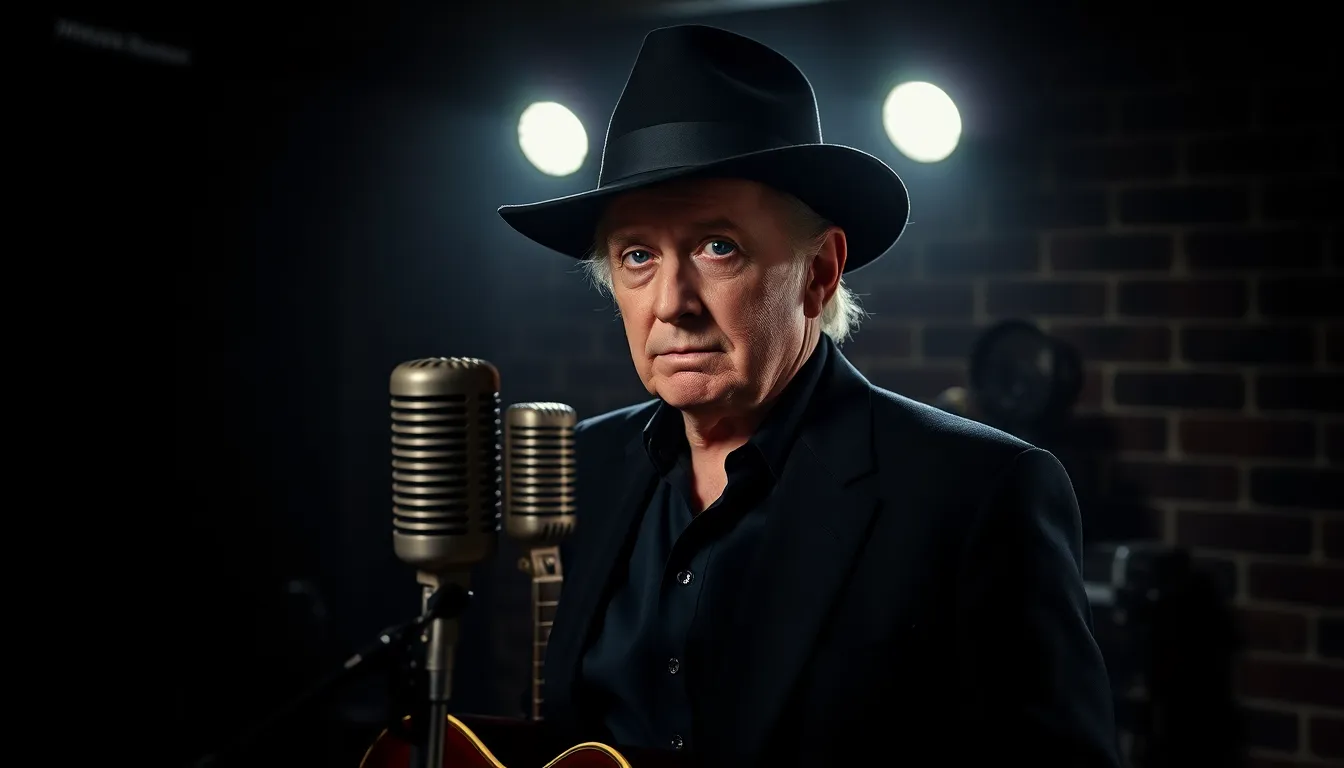
Johnny Cash (1932–2003) was an American singer‑songwriter whose deep baritone and stark storytelling made him a defining figure of country music and popular culture. Known as “the Man in Black,” his career spanned five decades and bridged genres from rockabilly to folk and gospel.

Kanye West is an American rapper, producer, fashion designer, and cultural figure whose musical innovation and public controversies have left a lasting imprint on 21st‑century popular culture.

Kurt Cobain, the co‑founder and frontman of Nirvana, became the seminal voice of the early 1990s grunge movement. His brief but impactful career reshaped rock music and left a lasting cultural legacy.

An encyclopedic overview of Lady Gaga’s career with a focus on the Born This Way era, detailing her artistic beginnings, influences, major works, collaborations, awards, and lasting cultural impact.
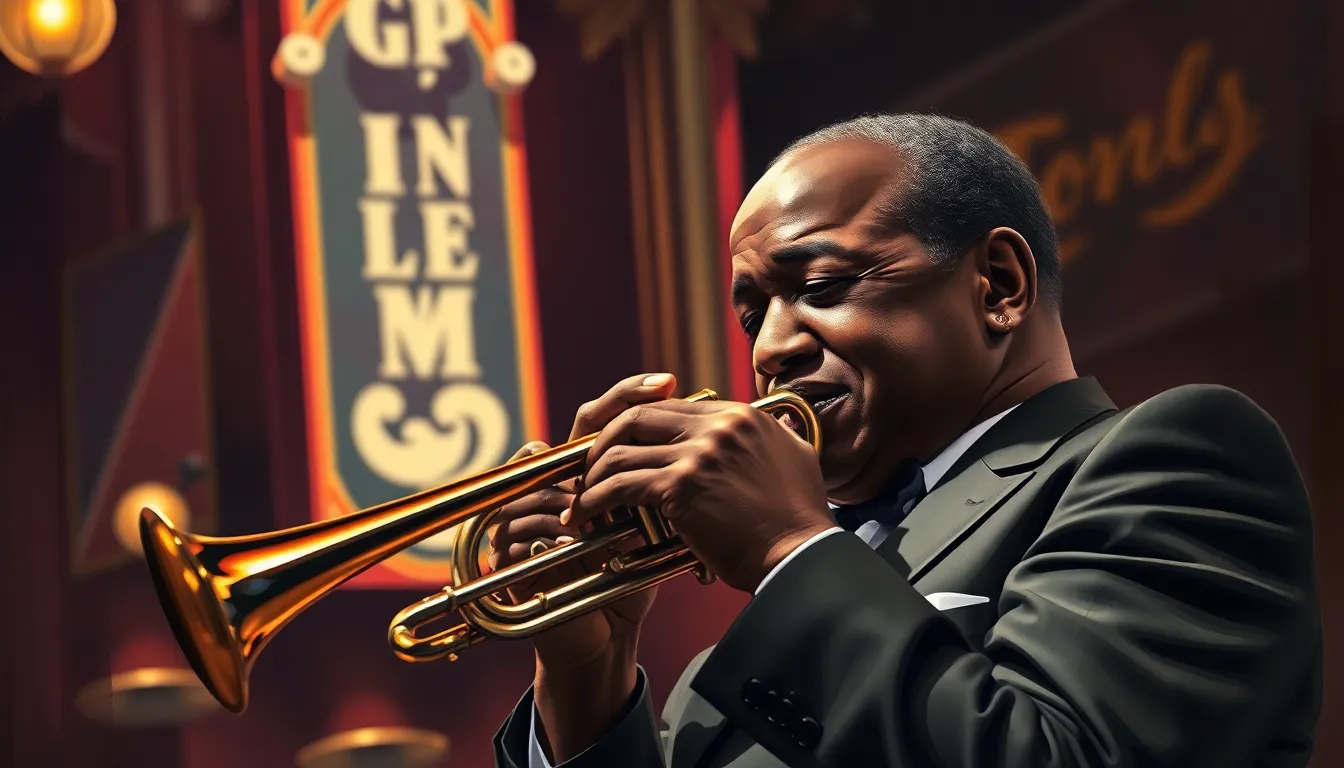
Louis Armstrong (1901–1971) was a pioneering American trumpeter, vocalist, and bandleader whose innovations helped define the sound of early jazz. His charismatic performances, inventive improvisations, and recordings from the 1920s onward transformed jazz from a regional folk music into a worldwide art form.

Miles Davis (1926‑1991) was a seminal American trumpeter whose innovations reshaped jazz across five decades. This biography traces his early life, artistic influences, landmark recordings, collaborations, and lasting cultural legacy.
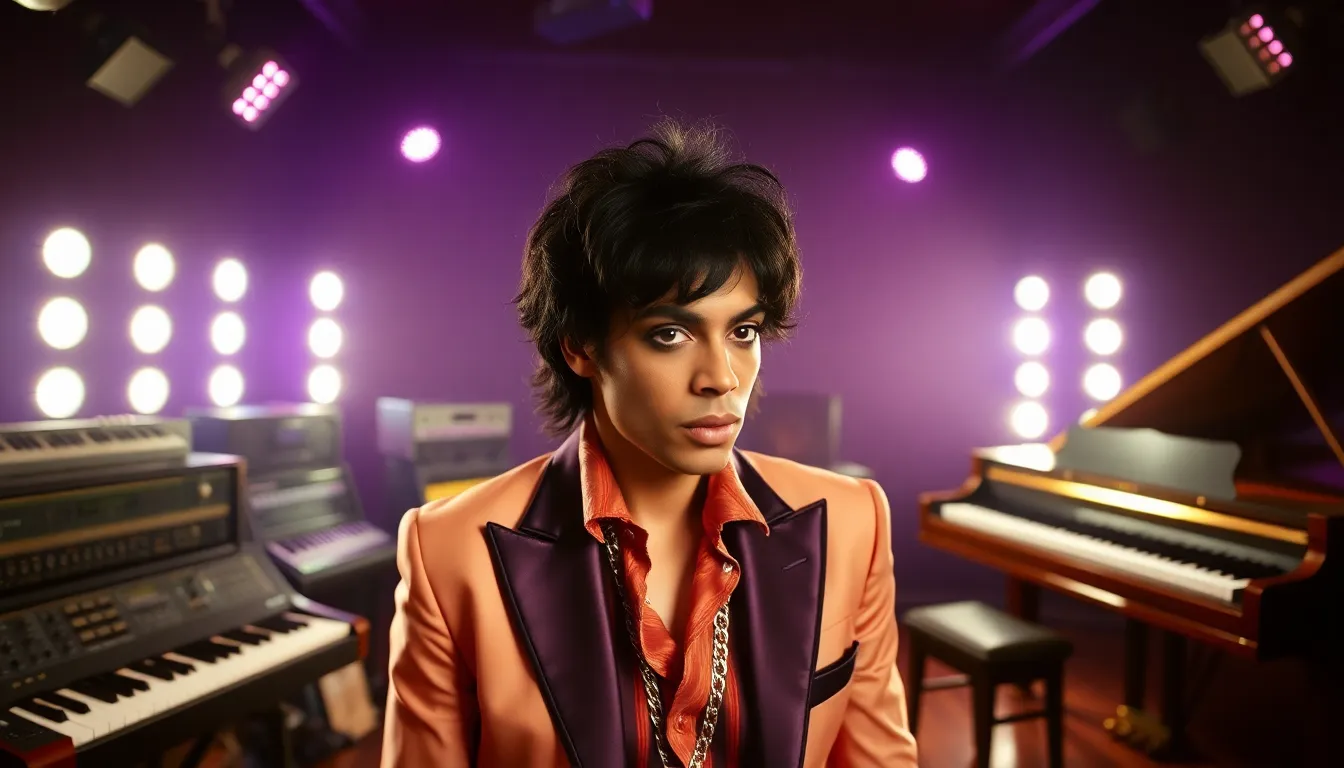
Prince Rogers Nelson, known as Prince, was an American singer‑songwriter, multi‑instrumentalist, and cultural icon whose innovative blend of funk, rock, pop, and R&B reshaped popular music from the late 1970s through the 2010s.
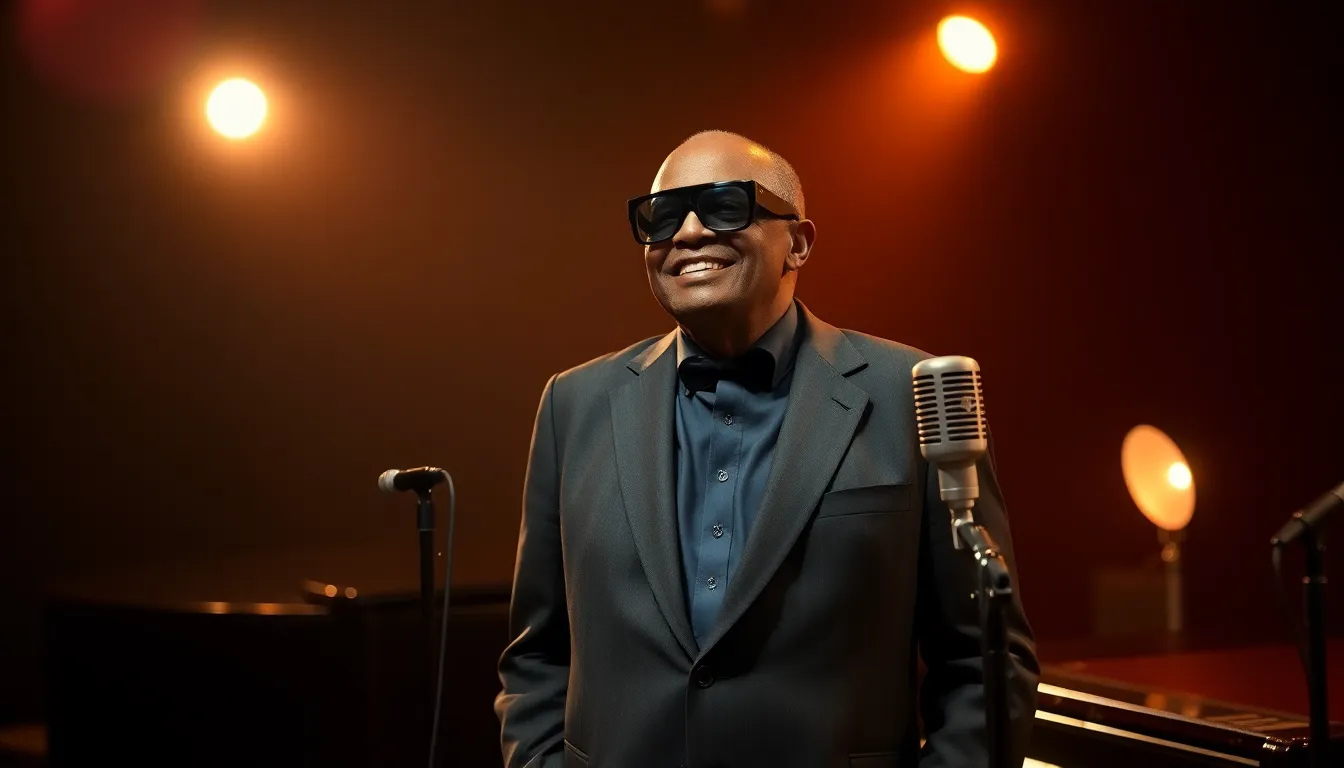
Ray Charles (1930‑2004) was an American singer‑songwriter, pianist, and composer whose fusion of gospel, blues, jazz and R&B created a new sound that reshaped popular music.

Christopher Wallace, known as The Notorious B.I.G. or Biggie Smalls, was a pivotal American rapper whose storytelling, lyrical depth, and charismatic delivery reshaped 1990s hip‑hop and left an enduring cultural legacy.
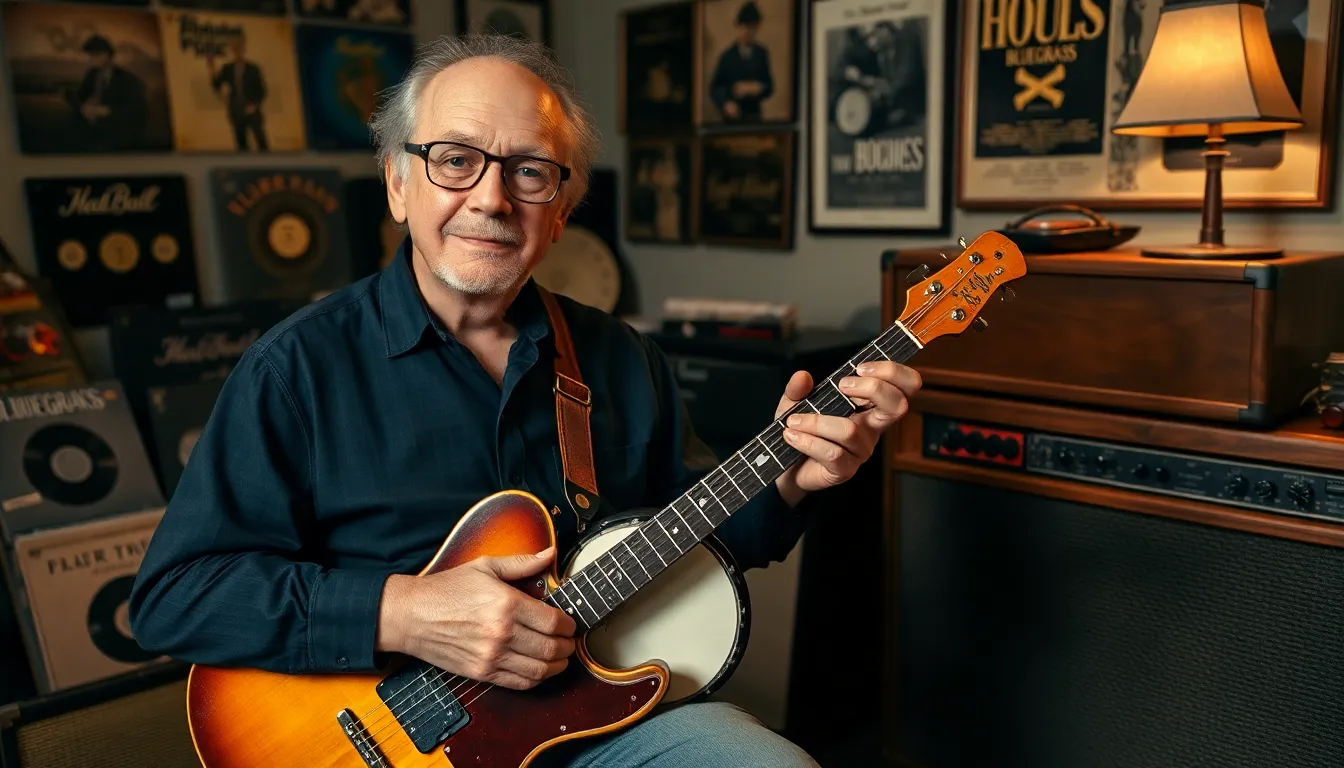
Bob Bogle (1934–2009) was an American guitarist and banjoist best known as a founding member of the pioneering bluegrass‑folk group The Dillards. His work helped bridge traditional Appalachian music and the emerging folk‑rock scene of the 1960s.

Bobby Balderrama is a relatively obscure figure whose name appears in limited public records as a musician and visual artist. The following biography compiles the scant verifiable information available while outlining the broader cultural context in which he may have worked.

Bobby Rydell (1942‑2022) was an American singer, actor, and teen idol who rose to fame in the late 1950s and 1960s with a string of pop hits. His smooth vocal style, charismatic stage presence, and crossover appeal made him a defining figure of early rock‑and‑roll.
Bobby Vinton is an American vocalist and songwriter whose smooth pop ballads and honky‑tonk‑influenced recordings dominated the early 1960s. The biography outlines his early life, musical influences, chart‑topping hits, collaborations, awards, and lasting cultural legacy.

Burton Cummings is a Canadian singer, songwriter and keyboardist best known as the frontman of The Guess Who and for his successful solo career. This biography covers his early life, musical influences, major works, collaborations, net worth and personal life.
Carl Douglas is a Jamaican‑born British singer best known for the 1974 international disco hit “Kung Fu Fighting”. His career spans the 1970s disco era, occasional later releases, and a lasting cultural footprint.
Charlie Parker (1920‑1955) was a pioneering American alto saxophonist whose virtuosic technique and innovative improvisation helped define bebop, reshaping modern jazz.
Danny Hutton is an American singer, songwriter and founding member of the 1970s rock group Three Dog Night. This biography explores his early life, musical influences, major works, collaborations, awards, and cultural legacy.
Doug Fieger (1952‑2010) was the American singer‑songwriter best known as the frontman of the power‑pop band The Knack, whose 1979 hit “My Sharona” became a cultural touchstone of the early MTV era.

Doug Ingle is an American musician best known as the founding keyboardist of the psychedelic rock band Iron Butterfly. His career, spanning the mid‑1960s to the present, includes the historic hit “In‑A‑Gadda‑Da‑Vida” and a lasting influence on hard‑rock organ playing.

Marshall Bruce Mathers III, known professionally as Eminem, is an American rapper, songwriter, and record producer whose rapid lyrical delivery and provocative content have made him one of the most influential figures in contemporary popular music.
Erik Braunn is an American independent musician and visual artist whose work spans experimental pop, lo‑fi electronic production, and mixed‑media painting. Though largely operating outside mainstream channels, his modest discography and gallery showings have cultivated a dedicated niche following.

First Class were a British pop group best known for their 1974 transatlantic hit “Beach Baby”. Formed in London in 1973, the band blended soft‑rock, sunshine pop and orchestral arrangements, achieving brief but memorable chart success before disbanding in the late 1970s.

Freddie Mercury, born Farrokh Bulsara, rose from Zanzibar to become the charismatic front‑man of Queen, renowned for his vocal range, theatrical stage presence, and enduring influence on rock music.

Ian Burden is a British bassist best known for his tenure with synth‑pop pioneers The Human League. This biography traces his early life, musical influences, key recordings, collaborations and lasting impact on 1980s popular music.
Jack Ely was the raw‑voiced frontman on the Kingsmen’s explosive 1963 hit “Louie Louie” and a seminal figure in the Pacific Northwest rock scene. This biography traces his early life, musical influences, career milestones, collaborations, and enduring cultural legacy.
Jan and Dean were a pioneering American surf rock duo whose harmonious vocals and catchy hooks defined the early 1960s California sound. Their career, marked by chart‑topping hits, a tragic accident, and a resilient comeback, left an indelible imprint on popular music.
Jo Callis is a British songwriter, guitarist and keyboardist best known for his work with the synth‑pop band The Human League. His career spans the post‑punk era with The Teardrop Explodes to chart‑topping hits in the 1980s and continued collaborations into the digital age.

Keith Strickland is an American musician best known as the co‑founder and former drummer‑turned‑guitarist of the new wave band The B‑52s. His career spans four decades of recording, touring, and songwriting, and he remains an influential figure in alternative rock.

Kendrick Lamar Duckworth, known professionally as Kendrick Lamar, is an American rapper, songwriter, and record producer whose lyricism and thematic depth have reshaped contemporary hip‑hop. Emerging from the streets of Compton, his albums have earned critical acclaim, multiple Grammy Awards, and a lasting cultural legacy.
Lamonte McLemore is an American singer, photographer, and founding member of the vocal group The 5th Dimension. His career spans music, visual arts, and advertising, marked by a distinctive blend of soulful performance and iconic imagery.
Lee Dorman (1942–2022) was an American bassist best known for his work with the psychedelic rock band Iron Butterfly. His distinctive low‑end lines helped shape the group’s signature sound throughout the late 1960s and early 1970s.

Lou Watts is an English vocalist best known for her work with the alternative rock band Pop Will Eat Itself. Emerging from the UK indie scene in the early 1990s, she helped shape the band’s industrial‑dance fusion and continues to influence British alternative music.

Michael Monarch is an American guitarist best known for his early work with the pioneering hard‑rock band Steppenwolf. His career spans from the 1960s San‑Francisco scene to collaborations with a range of rock and blues artists.