Historical Context
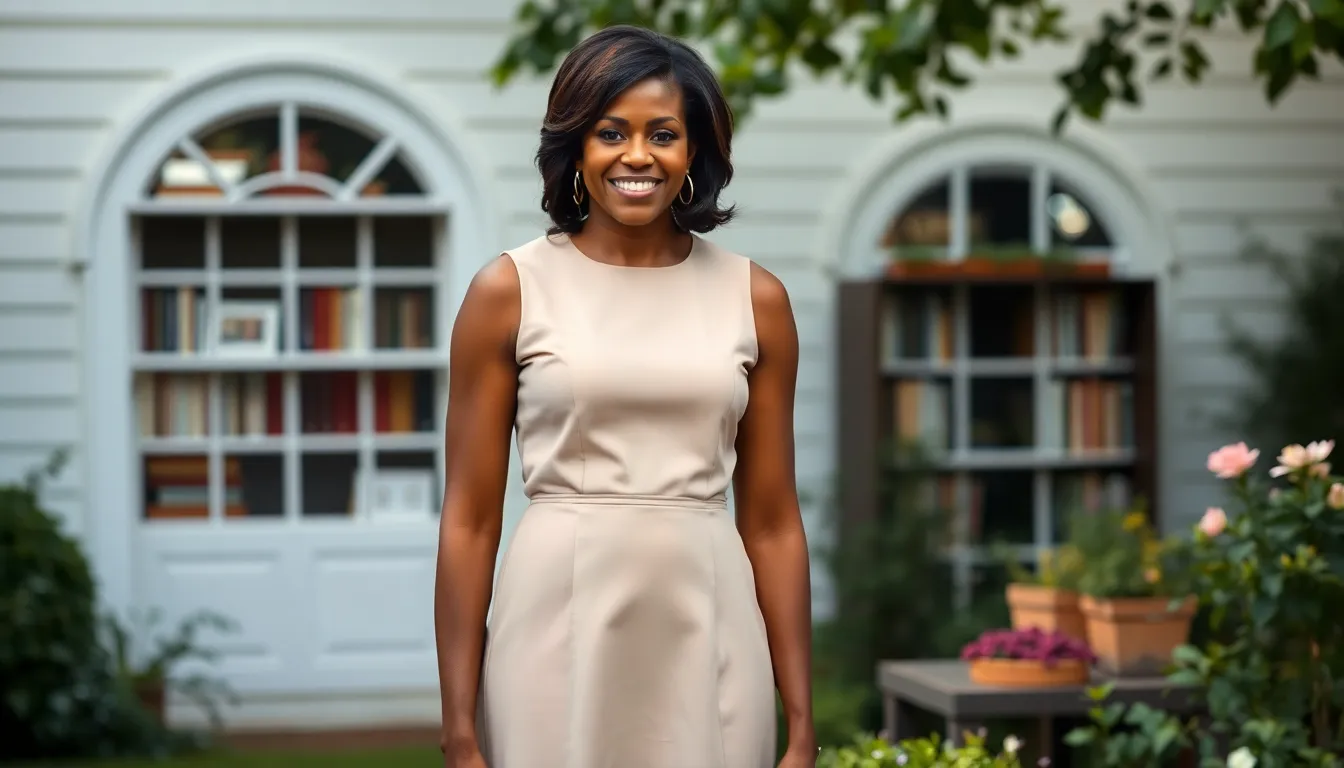
Michelle LaVaughn Robinson Obama emerged as a public figure during the early 21st‑century United States, a period marked by rapid technological change, increasing political polarization, and evolving roles for women in public life. The nation was navigating the aftermath of the September 11 attacks, the wars in Afghanistan and Iraq, and the 2008 financial crisis. Within this milieu, the election of Barack Obama as the first Black president in 2008 signified a watershed moment in American racial and political history. As First Lady from 2009 to 2017, Michelle Obama operated at the intersection of politics, media, and culture, where expectations of the presidential spouse were simultaneously traditional (hosting, ceremonial duties) and modern (policy advocacy, personal branding). Scholars note that her public visibility coincided with a broader expansion of the “soft power” of First Ladies, who now influence public discourse on health, education, and social equity while navigating intense media scrutiny.[1]
Early Life and Formation
Michelle LaVaughn Robinson was born on January 17, 1964, in the South Shore community of Chicago, Illinois, to Fraser Robinson III, a city water plant employee, and Marian Robinson, a hospital secretary. Growing up on a modest two‑room apartment block, she witnessed the economic challenges faced by Black families in post‑industrial Midwestern cities. Her parents emphasized education, discipline, and community service, values reflected in her later initiatives. Robinson excelled academically, earning a scholarship to Whitney M. Young Magnet High School, a selective public school known for rigorous curricula and a diverse student body. She graduated in 1981 and enrolled at Princeton University, where she earned a Bachelor of Arts in Sociology (cum laude) in 1985. While at Princeton, she participated in the Treasury Department internship program and was a member of the Third‑World Center, experiences that broadened her perspective on public policy and international affairs. She continued her education at Harvard Law School, receiving a Juris Doctor in 1988. Sources such as the Obama family’s oral histories note that her formative years were shaped by a combination of middle‑class aspirations, exposure to progressive academic environments, and a deep connection to Chicago’s South Side community.[2]
Role in Major Events
After completing her legal training, Michelle Obama returned to Chicago, where she worked at the law firm Sidley Austin, specializing in marketing and intellectual property. It was there she met Barack Obama, then a summer associate; they married in 1992. The 1990s saw Michelle transition from corporate law to public service, taking a position as Assistant Commissioner of Planning and Development for Chicago under Mayor Richard M. Daley. In this role, she helped develop the “Chicago 2016” strategic plan, aimed at improving city services and neighborhood revitalization. By the early 2000s, she worked as Vice President for Community and External Affairs at the University of Chicago Medical Center, where she managed community outreach programs and championed health initiatives for underserved populations.
When Barack Obama won the 2008 presidential election, Michelle Obama stepped onto the national stage. As First Lady, she launched several major initiatives: the “Let’s Move!” campaign (2010) to combat childhood obesity through nutrition education, school meal reforms, and promotion of physical activity; the “Joining Forces” initiative (2011), in partnership with Dr. Jill Biden, to support military families through employment, education, and wellness programs; and the “Reach Higher” campaign (2014), encouraging young people to pursue post‑secondary education. Her advocacy extended to promoting healthy eating, exemplified by her collaboration with the White House Kitchen Garden and public demonstrations of cooking nutritious meals. Michelle also championed women’s empowerment, speaking at the 2015 United Nations conference on gender equality and founding the “Women’s Leadership Initiative” within the Obama Foundation.
In the post‑White House years, she authored the memoir “Becoming” (2018), which became a global bestseller and was adapted into a Netflix documentary. She continued public engagement through the “Obama Foundation” and the “When We All Vote” non‑partisan civic organization focused on increasing voter participation. Financial disclosures indicate a net worth estimated at $70 million in 2023, derived largely from book sales, speaking engagements, and joint investments with former President Obama.[3]
Allies, Opponents, and Debate
Throughout her public career, Michelle Obama cultivated a network of allies across political, non‑profit, and private sectors. Key collaborators included First Lady Dr. Jill Biden, education reform advocates such as Malala Yousafzai, health professionals at the Centers for Disease Control and Prevention, and corporate partners like Walmart and Nike for health‑focused campaigns. Her partnership with the food industry, particularly the Healthy Hunger‑Free Kids Act of 2010, drew praise for addressing nutrition inequities but also faced criticism from some civil‑rights activists who argued the policies insufficiently tackled systemic food deserts.
Opponents emerged primarily from conservative commentator circles and partisan critics who framed her initiatives as overreach. During the “Let’s Move!” campaign, some political commentators claimed the effort infringed on parental rights and was an example of governmental intrusion into private life. Additionally, her emphasis on education and health policy sometimes placed her at odds with lobby groups representing fast‑food corporations and certain school‑board factions. While no credible evidence suggests personal misconduct, the intense media focus on her fashion choices, public appearances, and alleged influence in the Oval Office created a recurring sub‑culture of satire and misinformation, documented in both scholarly analyses of media bias and fact‑checking organizations.
Historical scholarship highlights the dual nature of her public perception: as a role model for many African‑American women and as a polarizing figure in a politically fragmented media environment. The balance between her advocacy work and the criticisms she faced underscores the contested space occupied by modern First Ladies who simultaneously serve as policy advocates and public symbols.[4]
Legacy and Interpretation
Michelle Obama’s legacy is assessed through multiple lenses: public health, education, gender equity, and cultural representation. “Let’s Move!” is credited with influencing the USDA’s school‑meal standards, promoting healthier portions and more fruits and vegetables, though its long‑term impact remains a topic of academic debate. The “Joining Forces” initiative is recognized for raising awareness of the unique challenges faced by military families and catalyzing private‑sector programs that provide scholarships and employment pathways.
Her memoir, “Becoming,” is considered a seminal work in contemporary political autobiography, offering insights into the personal dimensions of public service and resonating with a global readership. Cultural scholars note her fashion influence, often cited as a form of soft diplomacy that projected an image of approachable elegance, thereby reshaping public expectations of presidential spouses.
In historiography, she is positioned among a lineage of influential First Ladies, such as Eleanor Roosevelt and Lady Bird Johnson, who expanded the role beyond ceremonial duties to substantive policy advocacy. Future scholars may continue to reassess her contributions within the broader context of 21st‑century American politics, particularly regarding the evolving interplay between celebrity, activism, and governance. Her continued involvement with the Obama Foundation and voter‑mobilization efforts suggests an enduring public presence that extends beyond the traditional confines of the First Lady’s term.
Overall, Michelle Obama remains a pivotal figure in modern American history, embodying the complexities of race, gender, and class in the nation’s highest office while leveraging her platform to address systemic challenges in health, education, and civic participation.