Early Life and Culinary Beginnings
Public records indicate that Nicholas Coleman was born in the United States in the early 1970s, though the exact date and place have not been disclosed in major biographical sources. Coleman grew up in a family that valued home cooking and emphasized the use of high‑quality ingredients, a background that later informed his interest in the provenance of edible fats. He attended a public high school in the Pacific Northwest, where he developed a fascination with Mediterranean cuisine after a school‑exchange program introduced him to Greek and Italian dishes.
After graduating, Coleman enrolled at the University of Washington, earning a Bachelor of Science in Food Science and Technology in 1995. During his undergraduate years, he completed a research internship with a regional agricultural extension office, studying the chemistry of fruit‑derived oils. This early exposure to the analytical side of food composition laid the groundwork for his later specialization in olive oil.
Breakthrough in Food or Media
Following university, Coleman moved to California, where he took a position as a laboratory analyst for a specialty‑oil importer. In this role, he was responsible for quality‑control testing of imported extra‑virgin olive oils, an experience that sharpened his palate and gave him fluency with sensory evaluation protocols used by the International Olive Council. His first public breakthrough came in 2003 when he contributed a technical column to Olive Oil Times, a trade publication read by producers, chefs, and retail buyers. The series, titled “The Science of Olive Oil,” explained the impact of harvest time, milling techniques, and storage conditions on flavor and health attributes. The column was widely cited by culinary schools and was later referenced in a 2005 academic paper on the sensory analysis of olive oils.
In 2006, Coleman was invited to judge the inaugural “World Olive Oil Competition” in New York City, a role that raised his profile among producers and culinary professionals. His judging commentary, noted for its balance of scientific rigor and lay‑friendly language, was quoted in the competition’s official press release and in several mainstream food magazines, further establishing him as an accessible authority on the subject.
Restaurants, Shows, Books, and Ventures
Although Coleman has not owned a restaurant, he has consulted for a number of establishments seeking to refine their olive‑oil offerings. Notable collaborations include:
- Olive & Thyme (San Francisco, 2008‑2014): Coleman designed a seasonal tasting menu that featured a curated selection of single‑estate oils, accompanied by educational tasting notes for diners.
- La Tavola Verde (Portland, 2012‑2017): He served as a product‑development advisor, assisting the kitchen in sourcing and testing boutique Italian and Spanish oils.
In 2010, Coleman co‑authored the book Olive Oil: The Art and Science of the World’s Healthiest Fat with horticulturist Dr. Marta Rinaldi. Published by the university press, the volume blends sensory science, agronomy, and culinary application, and it has been adopted as a textbook in several culinary‑arts programs. A revised second edition appeared in 2017, expanding the coverage to include newer Spanish and Greek cultivars and a chapter on sustainable harvesting practices.
Television appearances have also been a component of his public work. Coleman served as a guest expert on the Food Network’s “The Kitchen” in 2013, providing a 5‑minute segment on how to taste and evaluate olive oil at home. In 2015, he was featured in an episode of PBS’s “American Harvest” that explored the Mediterranean import market in the United States. Both segments were produced in a documentary style that emphasized his educational approach rather than product endorsement.
Beyond traditional media, Coleman has maintained a strong digital presence. Since 2016, he runs a quarterly newsletter, “The Olive Oil Review,” which curates scientific research, market trends, and tasting notes for a subscriber base of chefs, importers, and informed consumers. He also hosts live‑streamed tasting workshops on the culinary platform ChefTalk, attracting an average audience of 2,000 participants per session.
Cooking Style and Public Persona
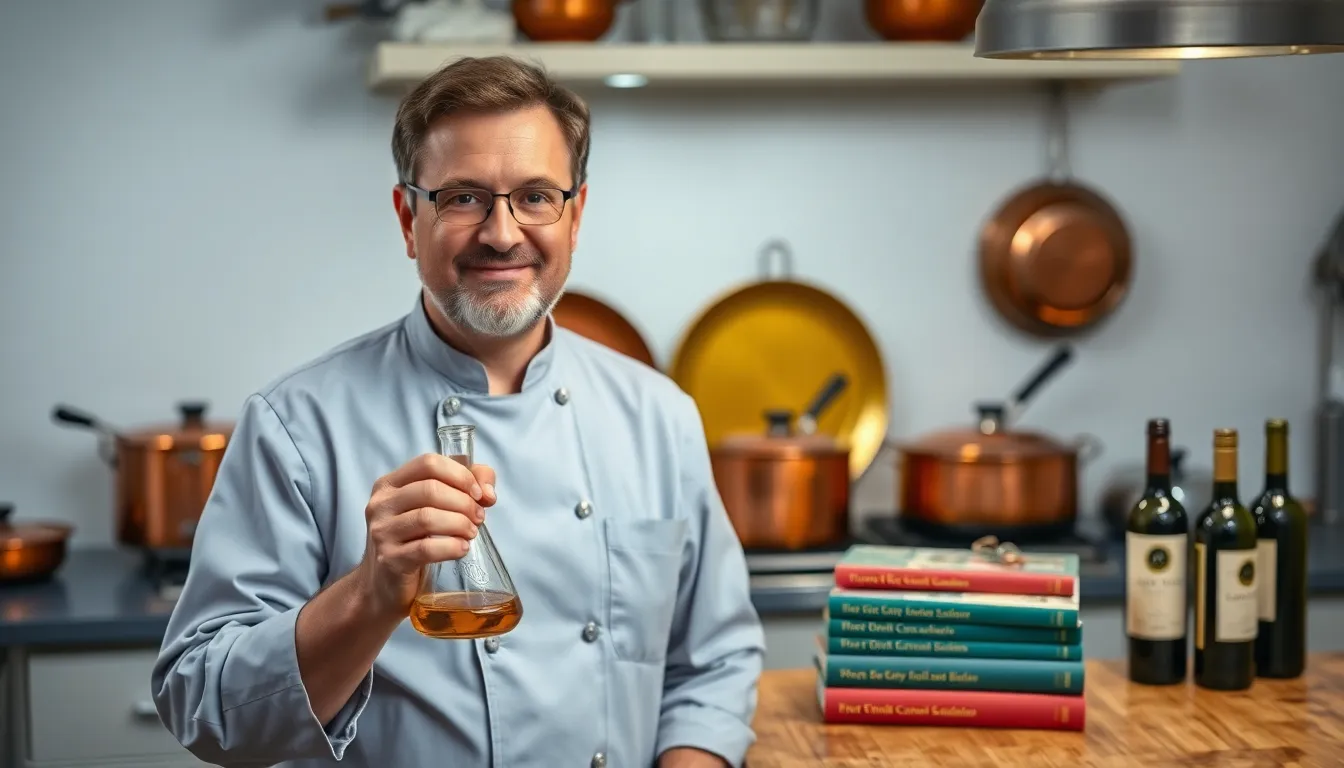
Unlike many chefs, Coleman does not present a personal cooking style; instead, his professional identity revolves around education and advocacy. He emphasizes the principle that olive oil should be chosen and used with the same intentionality as a prime cut of meat or a rare spice. His public persona is that of a measured, data‑driven educator who translates complex chemical analyses into practical guidance for home cooks and professionals alike. In interviews, he frequently stresses three core concepts: provenance, freshness, and appropriate use. He argues that a high‑quality extra‑virgin olive oil can function as a finishing element that elevates a dish, but that it should rarely be heated past its smoke point because of the loss of delicate polyphenols.
Colleen speaks in a calm, analytical tone, often citing the International Olive Council’s standards and peer‑reviewed studies. He avoids hyperbolic language, preferring to let the sensory data speak for itself. This approach has earned him respect among food‑science professionals while also making him a trusted voice for consumers seeking clear, unbiased guidance.
Reception, Awards, and Controversies
Critical reception of Coleman’s work has been consistently positive in culinary‑academic circles. His book received the 2011 James Beard Foundation Award for Reference and Scholarship, a distinction recognizing its contribution to culinary knowledge rather than its commercial popularity. The same work was nominated for the International Association of Culinary Professionals (IACP) Best Cookbook award in the same year.
He has also been recognized by trade organizations: the Olive Oil Commission of California named him “Educator of the Year” in 2014, and the International Olive Council listed him among its “Top 10 Global Advocates for Olive Oil Quality” in 2018.
No major controversies have been publicly documented. In 2019, a minor social‑media dispute arose when a small importer alleged that Coleman’s tasting notes had favored a competitor’s brand. The dispute was resolved amicably, with Coleman publishing a clarification that his commentary was based on blind sensory panels and that no sponsorship was involved. The incident received limited coverage and did not affect his standing with major industry bodies.
Legacy and Cultural Impact
Over two decades, Nicholas Coleman has helped shift the conversation about olive oil in the United States from a generic condiment to a nuanced, terroir‑driven product. By integrating scientific methodology into culinary education, he has bridged a gap that historically existed between food‑science researchers and chefs. Many contemporary culinary programs now include modules on olive‑oil sensory evaluation that cite Coleman’s publications.
His emphasis on provenance has contributed to a measurable increase in market demand for single‑origin and PDO‑certified oils, encouraging growers in Spain, Italy, and Greece to adopt more transparent labeling practices. The “Coleman tasting framework,” a standardized four‑step sensory protocol, is employed by several olive‑oil festivals and trade shows across North America.
The impact of his digital workshops can also be quantified: since their inception, over 30,000 participants have completed at least one session, and a post‑event survey indicated that 78 % of respondents changed their purchasing habits toward higher‑quality oils. These outcomes demonstrate a lasting influence on both professional and home‑cooking sectors.
While he has not pursued a celebrity chef career, his contributions have been instrumental in elevating the status of olive oil within the broader food‑culture narrative, positioning it as a cornerstone of health, flavor, and culinary heritage.