The Life and Legacy of Joan Rivers: The Comedian
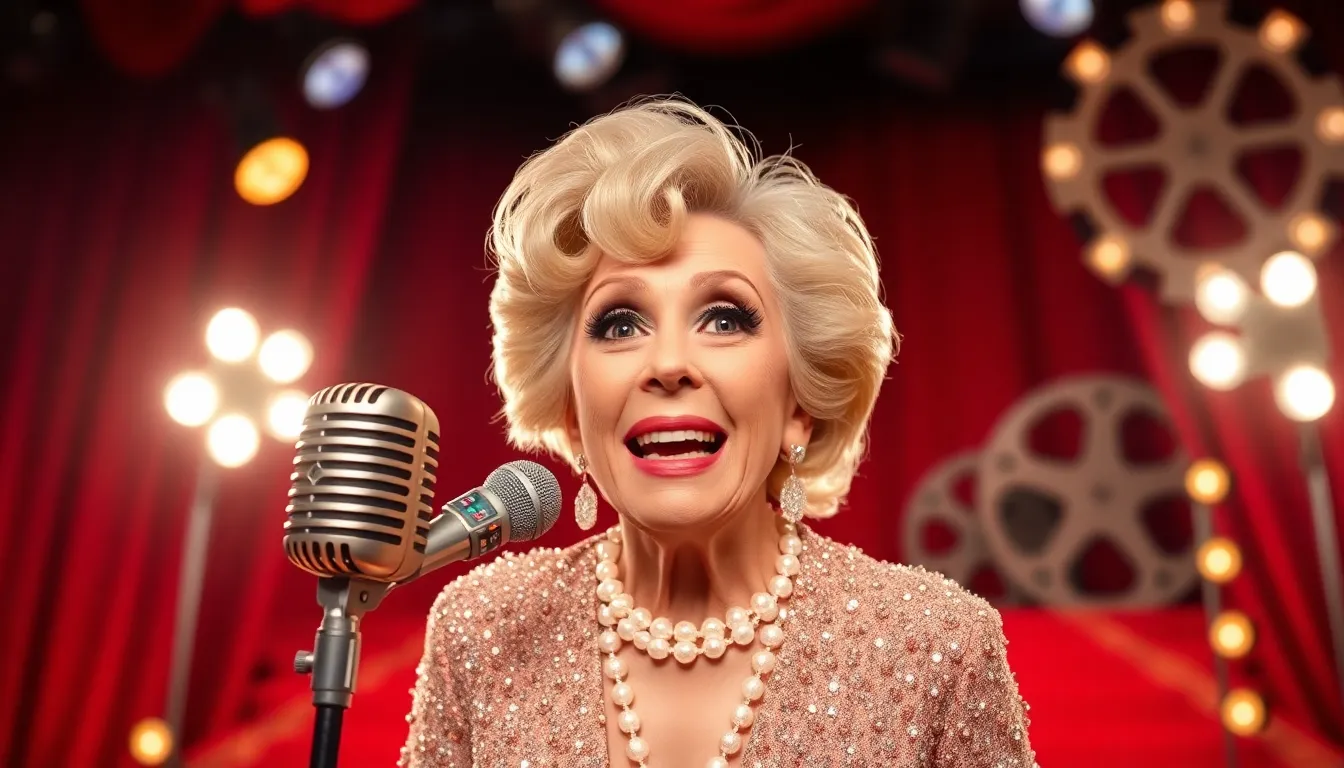
Joan Rivers (1933–2014) was a pioneering American stand‑up comic, television host, and fashion commentator whose sharp wit and relentless work ethic reshaped the role of women in comedy.
More Biography, More Stories Behind Every Name
Joan Rivers (1933–2014) was a pioneering American stand‑up comic, television host, and fashion commentator whose sharp wit and relentless work ethic reshaped the role of women in comedy.

John Lewis (1940–2020) was a civil‑rights leader, Congressman, and advocate for non‑violent protest. His decades‑long struggle for voting rights and racial justice, though celebrated, often masks the early, under‑acknowledged work that laid the groundwork for later victories.

Kareem Abdul‑Jabbar, born Ferdinand Lewis Cotton, rose from a New York upbringing to become the NBA’s all‑time leading scorer. His career, spanning two decades, reshaped basketball through his signature skyhook, record‑setting longevity, and cultural influence.
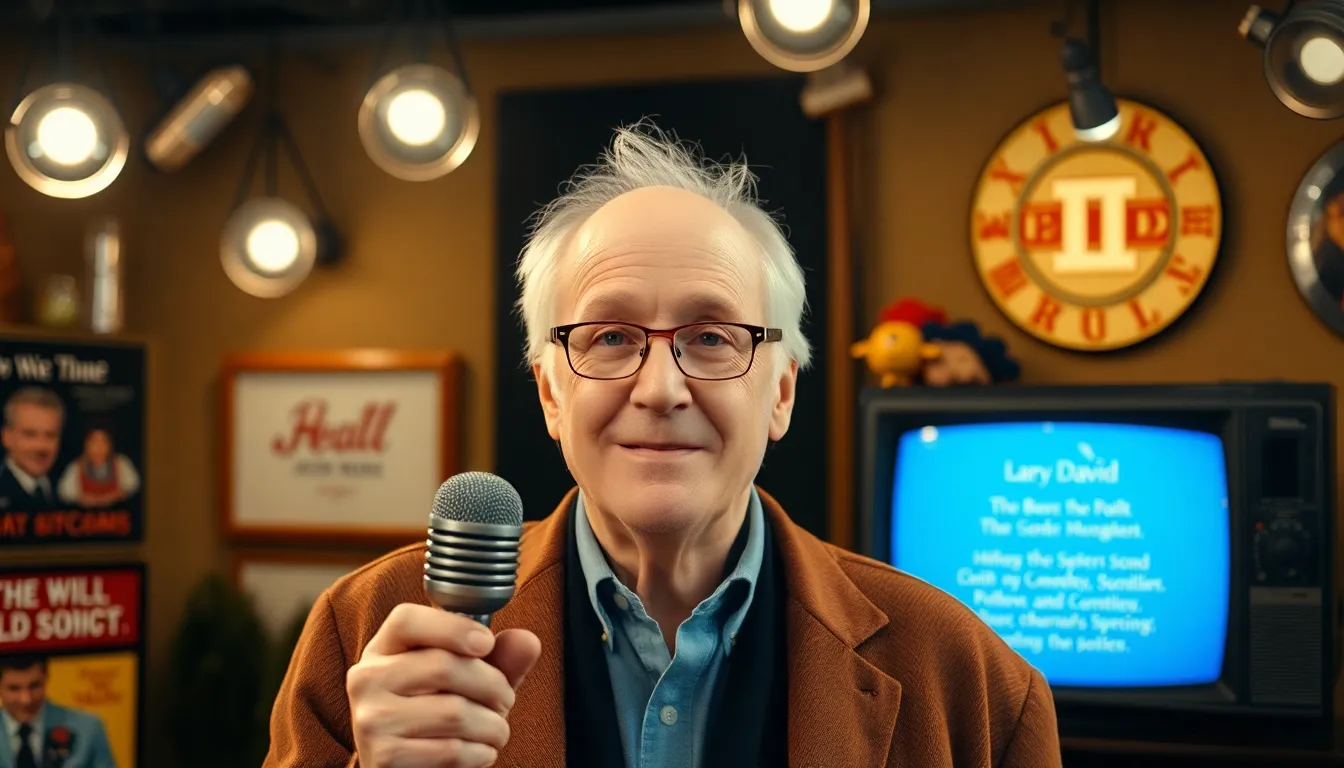
Larry David, co‑creator of Seinfeld and creator‑star of Curb Your Enthusiasm, reshaped modern comedy through his neurotic humor, industry influence, and a career spanning over five decades.

Mae Jemison broke barriers as the first Black woman astronaut, combining medicine, engineering, and activism to explore both Earth’s oceans and the cosmos, leaving a lasting impact on science and education.
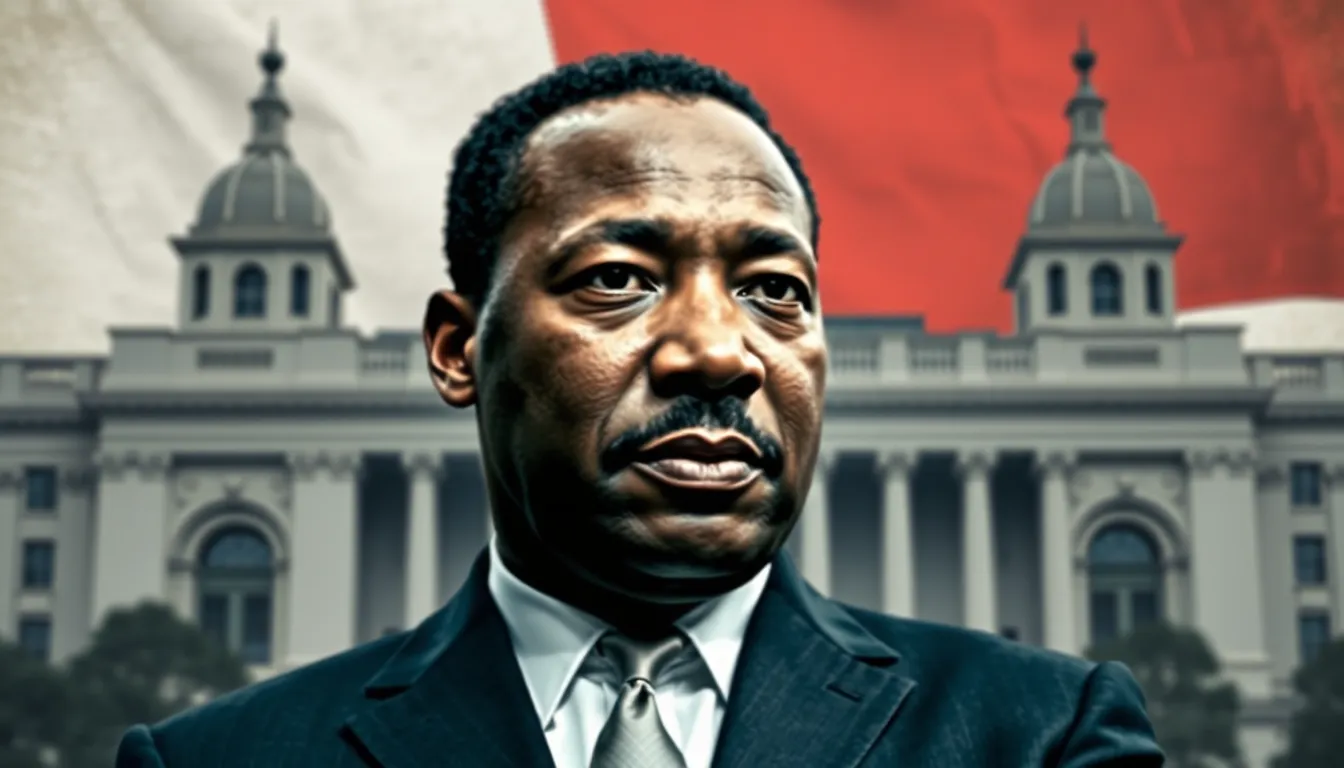
Martin Luther King Jr. was an American minister and civil‑rights activist who led the non‑violent movement against racial segregation in the United States. His speeches, especially “I Have a Dream,” and his leadership helped secure landmark legislation and inspired global human‑rights movements.

Marvin Gaye (1939–1984) transformed Motown’s polished sound with his socially conscious masterpiece, What’s Going On. This biography traces his early years, artistic influences, the creation of the landmark album, and his enduring impact on music and culture.

Michael Bloomberg built a global financial data empire, served three terms as New York City mayor, and became a leading philanthropist. This biography examines his early life, business achievements, public service, and lasting influence.

Mike Trout, often called the Millville Meteor, is widely regarded as one of the greatest baseball talents of the modern era. This biography traces his early upbringing, professional ascent, statistical achievements, playing style, setbacks, and lasting impact on the sport.

Nora Ephron (1941–2012) was an American journalist, screenwriter, director, and producer whose witty scripts reshaped the modern romantic comedy, leaving an enduring mark on film and popular culture.

Ralph Lauren, the American fashion entrepreneur behind the iconic Polo brand, transformed a modest tie business into a global lifestyle empire, influencing design, branding, and philanthropy.

Ray Kroc transformed a single roadside hamburger stand into the world’s largest fast‑food chain. His entrepreneurial drive, franchising model, and aggressive expansion reshaped American dining and global business practices.
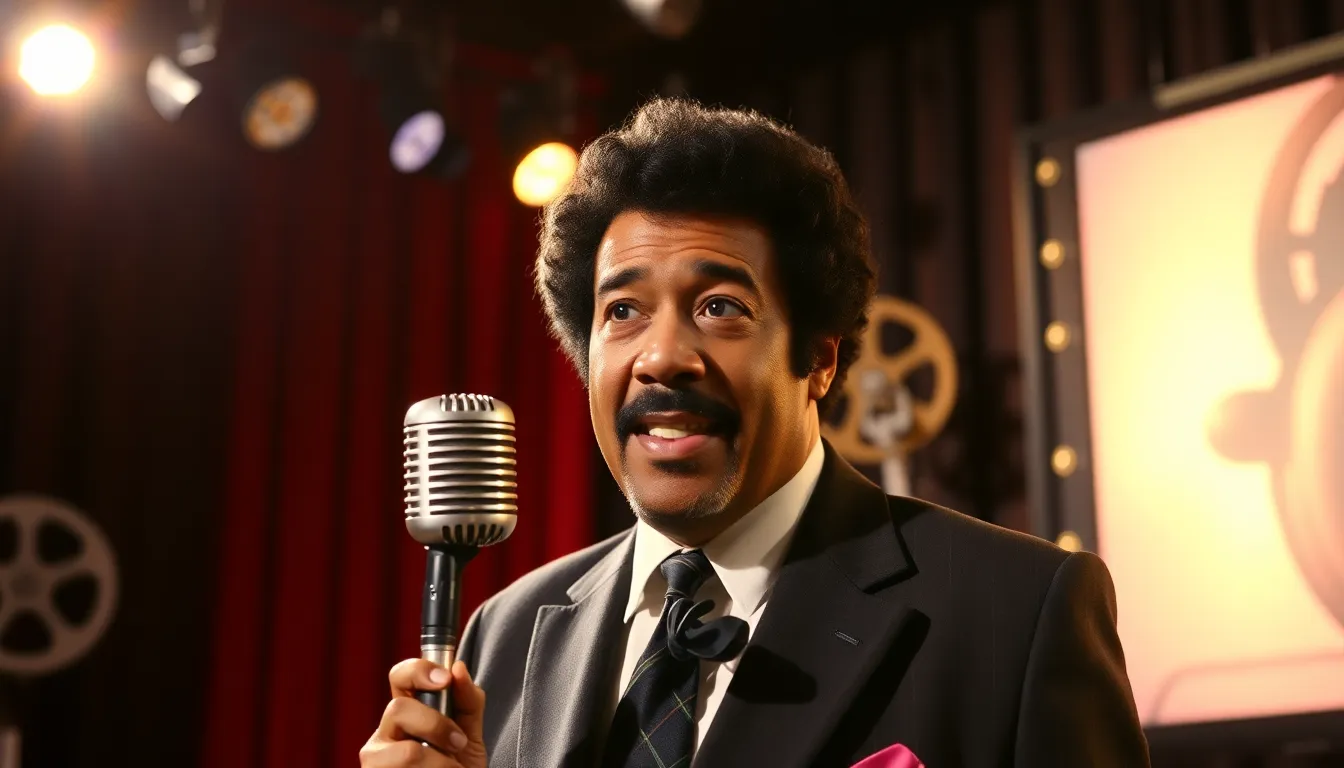
Richard Pryor (1940‑2005) reshaped American comedy with his raw honesty, social commentary, and fearless performance style. This biography traces his early life, breakthrough on television, seminal stand‑up albums, film work, controversies, and lasting influence on comedy and popular culture.

Rocky Marciano (1923‑1969) remains the only heavyweight champion in boxing history to retire unbeaten. His relentless style, iron‑will training, and cultural impact shaped the sport for generations.
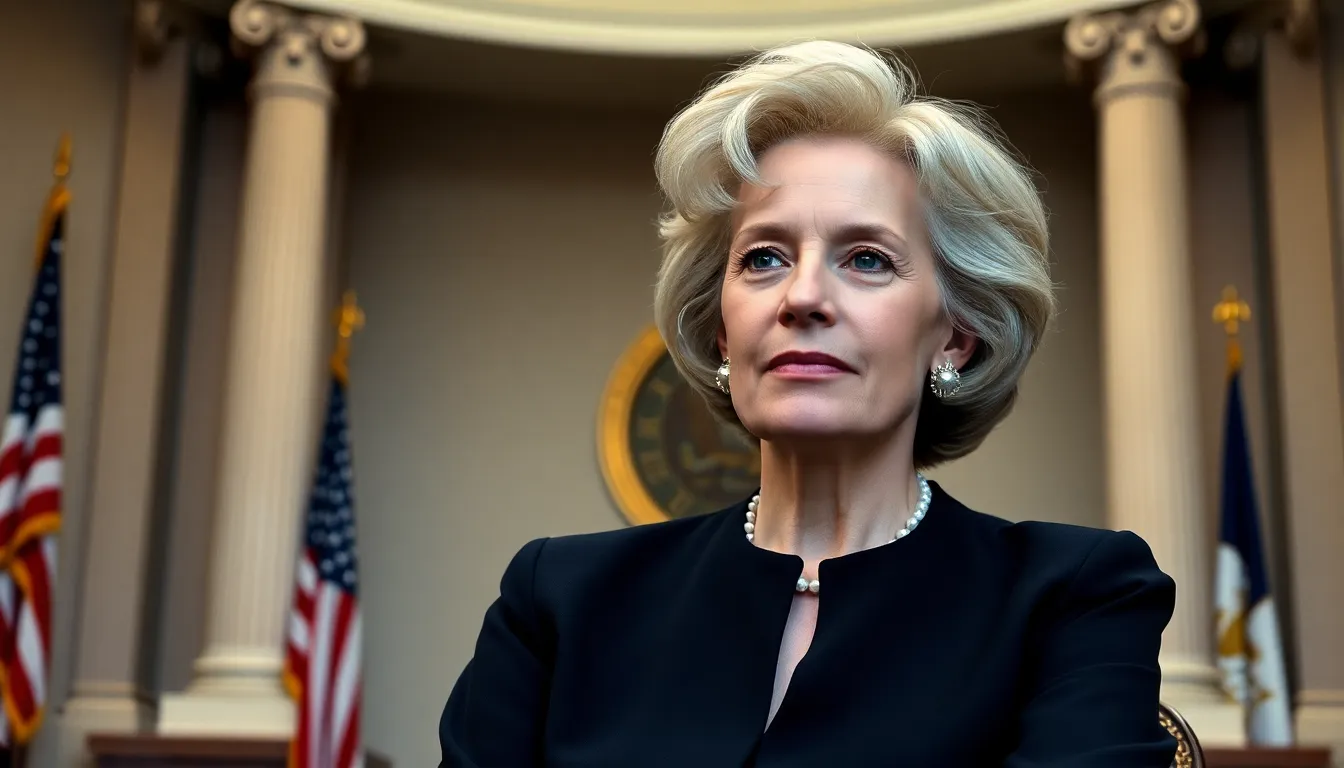
Sandra Day O’Connor broke gender barriers as the first woman appointed to the United States Supreme Court, shaping American law through her pragmatic jurisprudence and dedication to civic service.

Sugar Ray Robinson (1921‑1989) is widely regarded as the greatest boxer in history. His five‑decade career, spanning welterweight to middleweight, set enduring records and reshaped the sport’s tactics and culture.

Theodore Roosevelt (1858–1919) was a dynamic American statesman, reformer, and naturalist who served as the 26th President of the United States. His progressive policies, conservation efforts, and vigorous leadership reshaped American politics and society in the early twentieth century.

Tim Duncan, known as “The Big Fundamental,” is widely regarded as one of the greatest power forwards in NBA history. His quiet leadership, consistent excellence, and five championships defined a generation of San Antonio Spurs basketball.

Tim Gunn is an American fashion consultant, television personality, and educator whose mentorship on Project Runway and work at Ivy League institutions has made him a cultural icon in design and media.

Tony Robbins is a bestselling author, motivational speaker, and entrepreneur whose seminars, coaching programs, and philanthropic activities have shaped the modern self‑help industry.
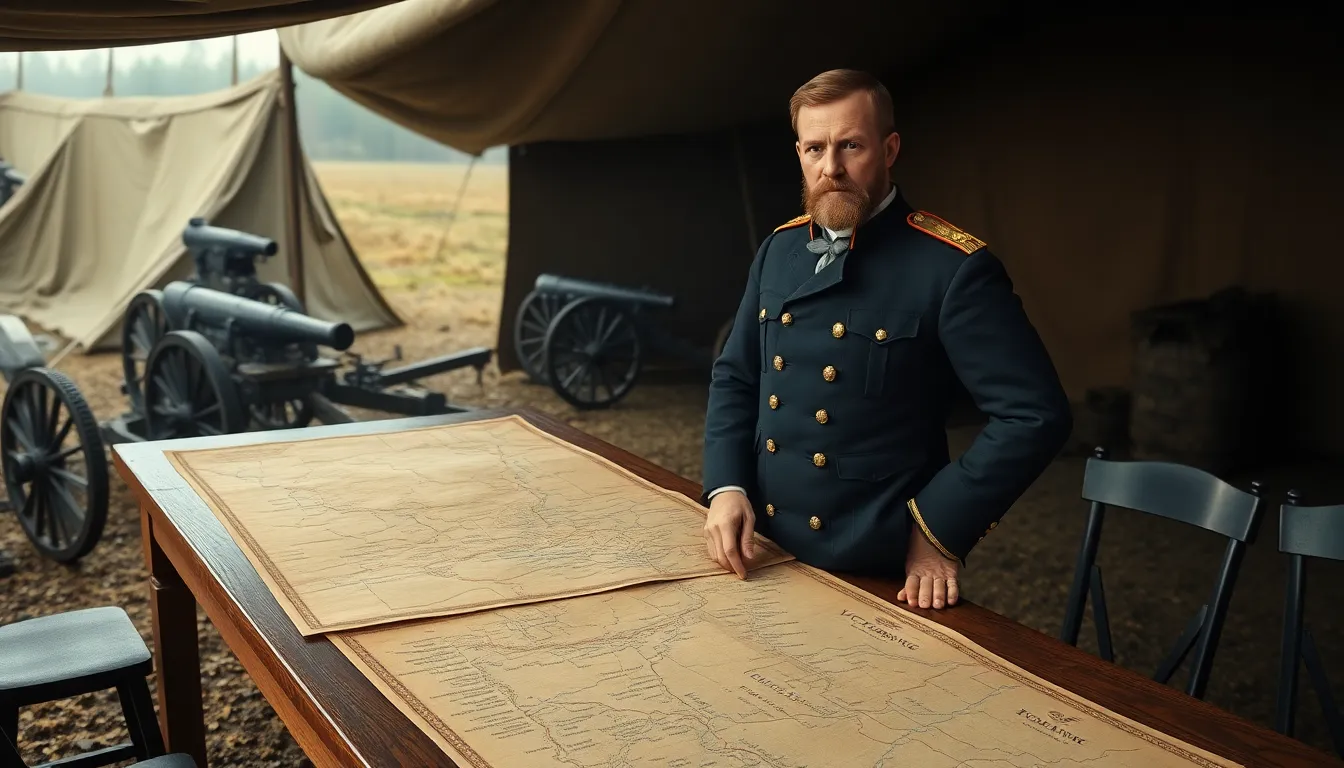
Ulysses S. Grant rose from modest frontier beginnings to become the Union’s most effective commander in the American Civil War, later serving two terms as President of the United States.

Wolfgang Puck, an Austrian‑American chef, transformed American dining and television with his innovative cuisine and media presence. His career spans pioneering fine‑dining concepts, bestselling cookbooks, and a global restaurant empire.

Dean Martin (1917–1995) was an American singer, actor, and comedian whose relaxed vocal style and effortless humor made him a defining figure of mid‑century popular culture.

John Coltrane (1926–1967) was an American saxophonist whose spiritual quest and innovative improvisations reshaped jazz. His 1965 masterpiece *A Love Supreme* stands as a landmark of artistic expression.

Johnny Cash (1932‑2003) was an American singer‑songwriter whose deep baritone and storytelling resonated across country, rock, folk, and gospel. His prolific career spanned five decades, producing timeless albums, iconic performances, and a lasting cultural legacy.

Madonna Louise Ciccone, born in 1958, is an American singer‑songwriter, actress, and cultural icon whose career spanning five decades has reshaped popular music, fashion, and feminism. This biography examines her artistic beginnings, influences, major releases, collaborations, awards, and lasting legacy.

Nina Simone, born Eunice Kathleen Waymon, rose from a classical piano prodigy in North Carolina to become a defining voice of soul, jazz, and civil‑rights activism, leaving an indelible mark on twentieth‑century music.
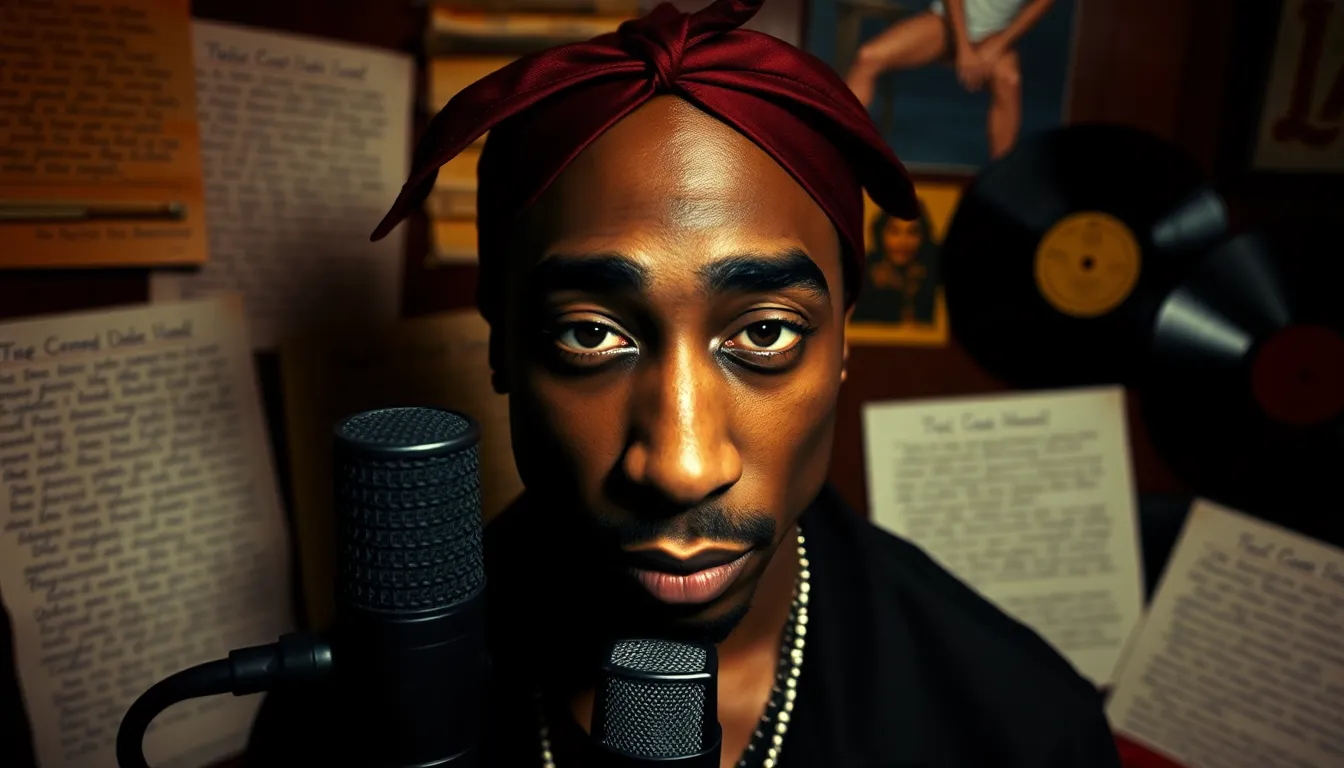
Tupac Shakur emerged from a turbulent childhood to become one of hip‑hop’s most influential voices. His work blended raw street narratives, political activism, and poetic introspection, reshaping the genre’s cultural landscape.
Robert Mapplethorpe (1946–1989) was an American photographer whose stark, formally composed images of the human body, flowers, and New York’s subcultural scene reshaped contemporary art photography.

Barbara McClintock (1902–1992) was an American cytogeneticist whose discovery of transposable elements fundamentally reshaped genetics. Her career spanned decades of meticulous maize research, culminating in a Nobel Prize and a lasting legacy in molecular biology.
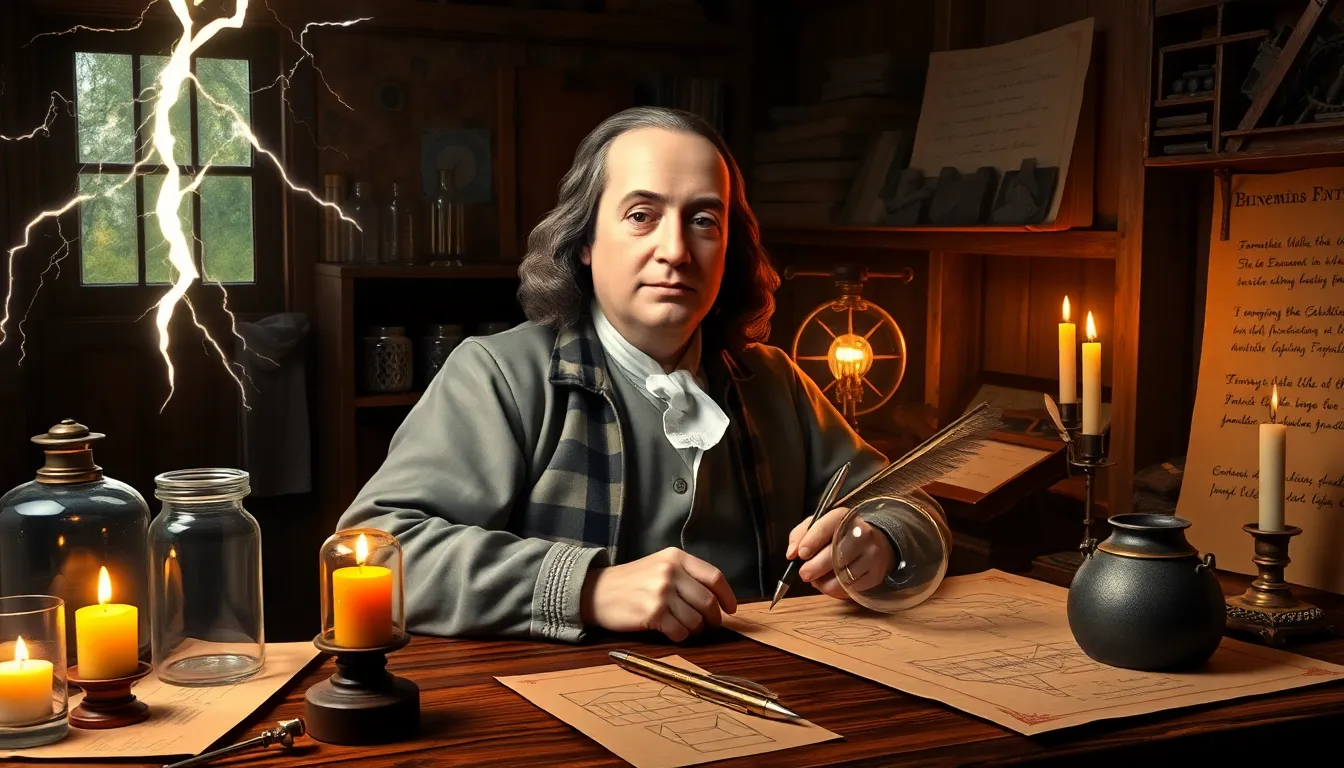
Benjamin Franklin (1706‑1790) was a polymath whose scientific experiments, inventions, and practical innovations helped shape the early United States and laid foundations for modern electricity, meteorology, and public safety.

Bill Gates, co‑founder of Microsoft and leading philanthropist, transformed personal computing and global health through technological innovation and charitable giving.

Dennis Ritchie (1941‑2011) was an American computer scientist whose design of the C programming language and co‑development of the Unix operating system transformed software engineering and laid the foundation for modern computing.

Dorothy Vaughan (1910–2008) was an African‑American mathematician and computer scientist whose leadership at NASA’s Langley Research Center broke racial and gender barriers and advanced early computer programming for orbital mechanics.

Jack Kilby (1923–2005) was an American electrical engineer whose invention of the integrated circuit revolutionized modern electronics. A Nobel laureate and Texas Instruments pioneer, his work laid the foundation for today’s digital age.

Jeff Bezos, founder of Amazon and Blue Origin, transformed retail, cloud computing, and private spaceflight. This biography traces his education, entrepreneurial research, key inventions, patents, and lasting impact on technology and science.

Neil deGrasse Tyson is an American astrophysicist, author, and science communicator whose career spans academic research, museum leadership, and popular media, making complex astrophysics accessible to the public.
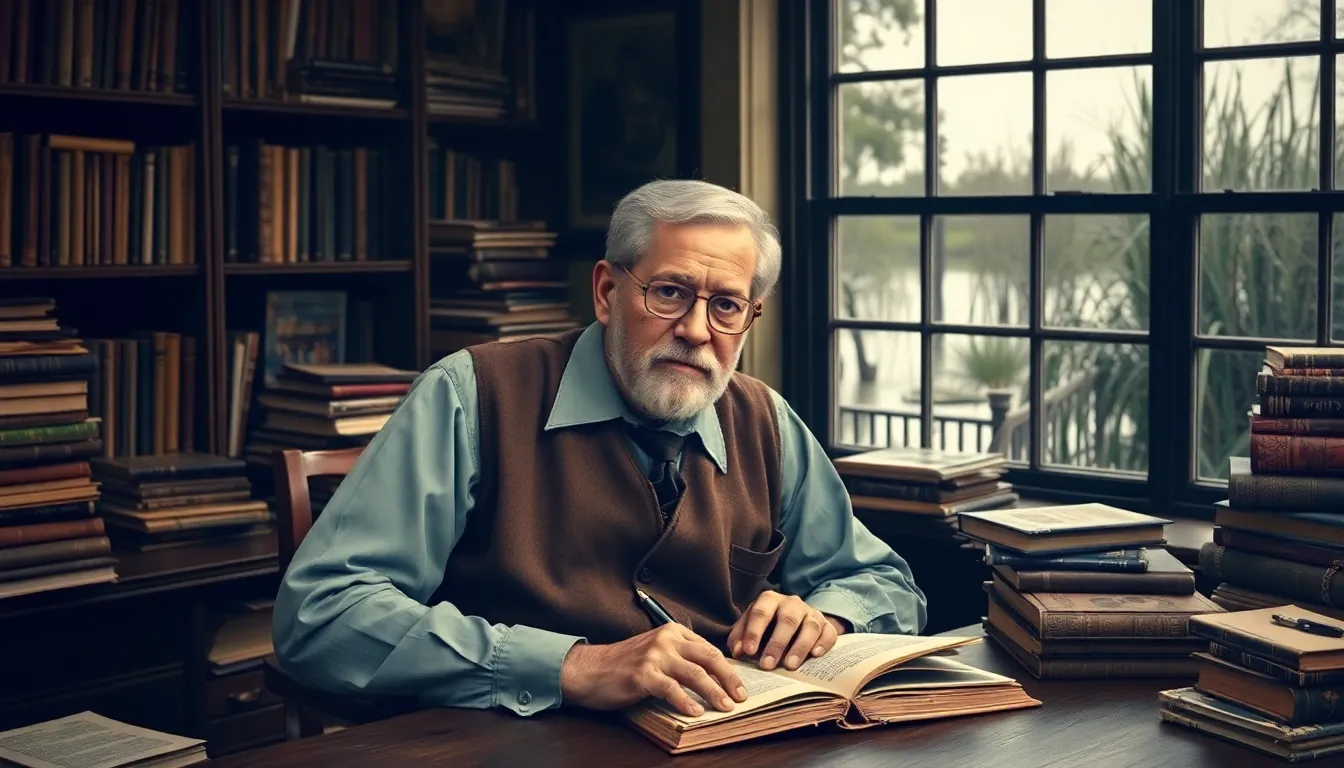
Ernest J. Gaines (1933‑2019) was an American novelist whose work chronicled the African‑American experience in rural Louisiana. His celebrated novel A Lesson Before Dying won the National Book Critics Circle Award and remains a staple of American literature.
Faith Ringgold is an American painter, storyteller, and activist whose narrative quilts blend visual art with literature, foregrounding African‑American experiences and feminist perspectives.

Henry David Thoreau (1817–1862) was an American essayist, naturalist, and transcendentalist whose most famous work, Wal‑den, chronicles his experiment in simple living near Concord, Massachusetts. His writings on nature, civil disobedience, and individual conscience have profoundly shaped American literature and environmental thought.

An encyclopedic overview of Herman Melville’s life, literary career, and the creation, themes, and legacy of his masterwork Moby‑Dick.
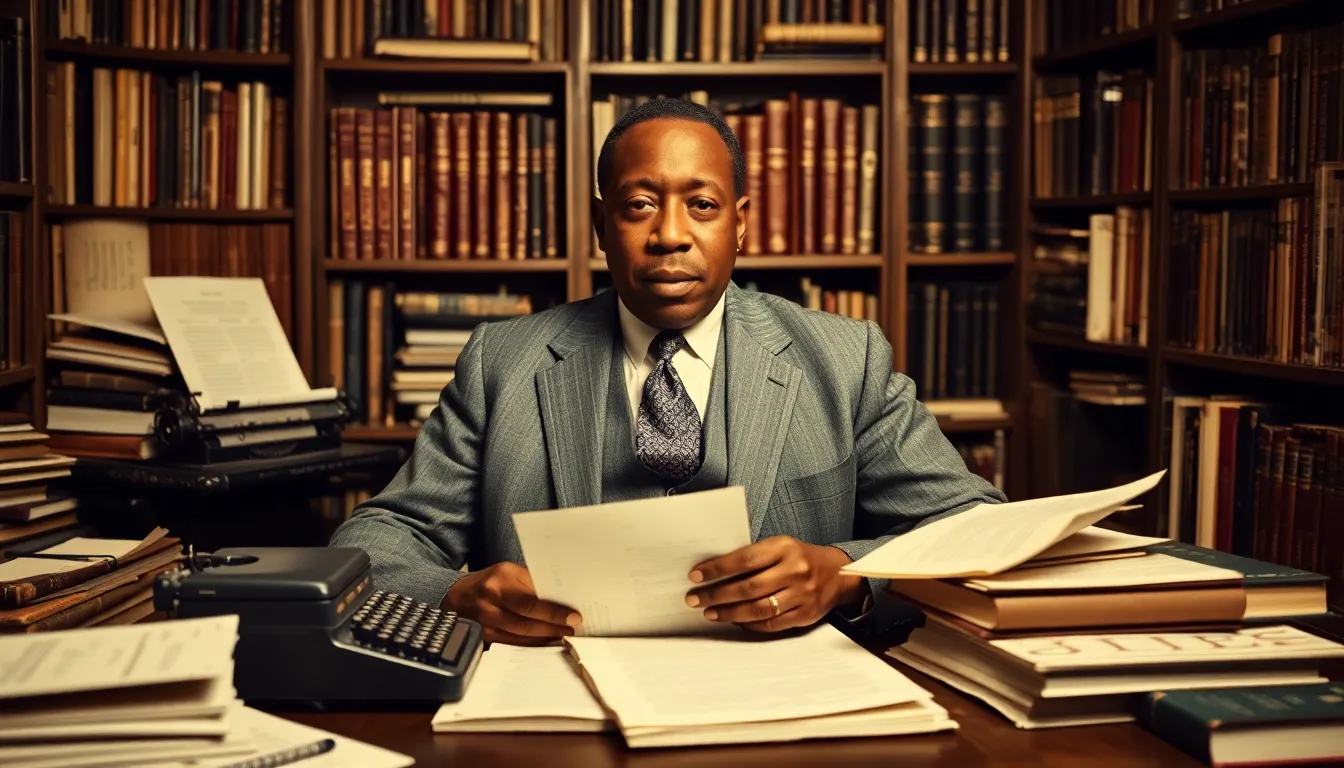
Langston Hughes (1902–1967) was a central poet, novelist, and playwright of the Harlem Renaissance whose work celebrated African‑American culture, explored racial identity, and shaped modern American literature.

Laura Ingalls Wilder (1867–1957) transformed her pioneer childhood into the beloved Little House series, shaping American children’s literature and sparking lasting debate over historical representation.

Samuel Langhorne Clemens, better known as Mark Twain, rose from modest beginnings to become a defining voice of American humor. His 1865 short story “The Celebrated Jumping Frog of Calaveras County” launched his national reputation and remains a touchstone of vernacular storytelling.

Maya Angelou (1928–2014) was an American poet, memoirist, and civil‑rights activist whose autobiographical masterpiece I Know Why the Caged Bird Sings transformed the genre and resonated worldwide.
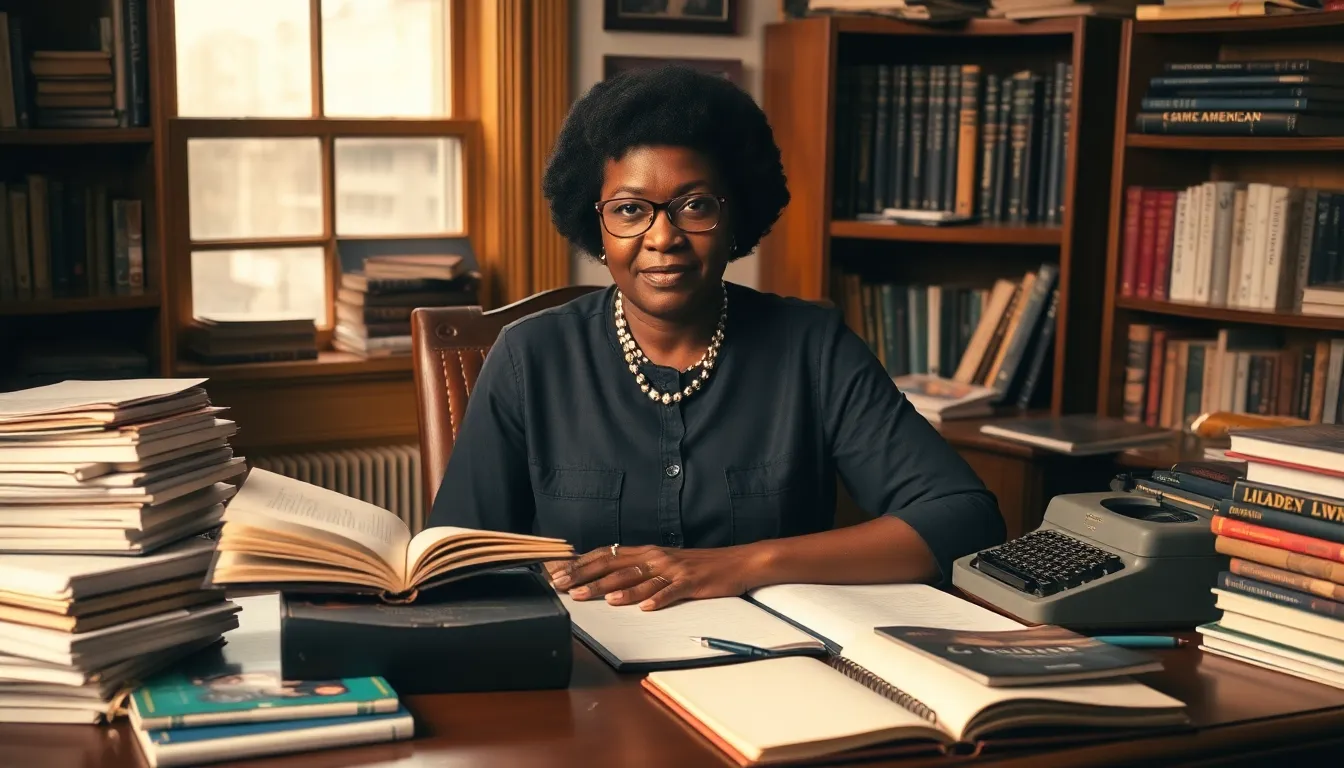
Octavia E. Butler (1947–2006) was a pioneering African‑American science‑fiction writer whose novel *Kindred* (1979) blended speculative narrative with historical trauma, reshaping genre conventions and influencing generations of writers.
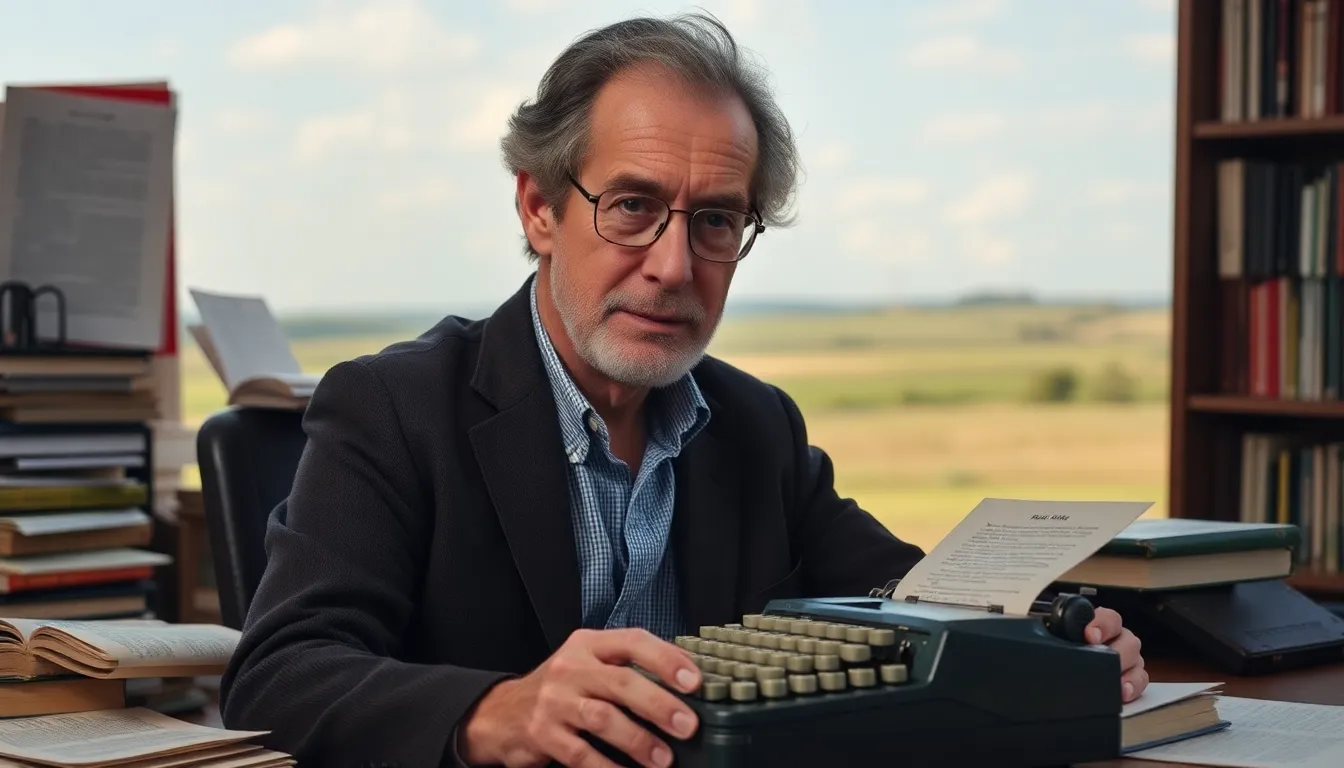
A comprehensive biography of Philip Roth, tracing his early life, education, literary influences, major works—including the Pulitzer‑winning *American Pastoral*—and his lasting impact on American literature.

Stephen King is an American novelist whose prolific output has defined modern horror and popular literature. From his modest beginnings in Maine to his status as a cultural icon, his career spans more than five decades of novels, short stories, and adaptations.