Early Life and Career Beginnings
Carol Sue Burnett was born on April 26, 1933, in San Antonio, Texas, to Lila (née Cook) and Ernie Burnett, a grocery store manager. The family moved frequently during her childhood, living in cities such as Dallas, Chicago, and eventually in the San Fernando Valley of Los Angeles when she was a teenager. Burnett’s early exposure to performance came from church revivals and school talent shows, where she sang and performed impersonations of radio personalities.
After graduating from Van Nuys High School in 1951, Burnett secured a scholarship to study drama at UCLA. Although she left the university after one semester to pursue a professional career, the brief academic stint gave her access to the university’s drama department and its connections to the Los Angeles theatre scene. She made her stage debut in 1953 as a chorus girl in the touring production of South Pacific, and shortly thereafter joined the John Charles Thomas Repertory Company, where she performed in classic repertory productions.
Burnett’s first television appearance came in 1955 on the short‑lived NBC program The Bob Cummings Show, where she performed a comedic sketch. The exposure led to a contract with the NBC page service, a common entry point for aspiring performers. While working as a page, she attended rehearsals, observed live audiences, and cultivated a network of writers and producers. In 1956, she appeared on The Ed Sullivan Show as a stand‑up comic, delivering a routine that highlighted her ability to mimic accents and radio announcers—a skill that would later become a hallmark of her comedy.
Breakthrough and Public Image
Carol Burnett’s breakthrough arrived in 1962 when she was cast as the female lead in the Broadway musical Once Upon a Mattress. Her portrayal of Princess Winnifred was praised for combining vocal ability with a delightfully mischievous comic timing. Critics in The New York Times noted that “Burnett’s youthful exuberance animates the production, making the fairy‑tale feel contemporary.” The success of the show earned her a Tony Award nomination for Best Actress in a Musical, raising her profile among both theatrical and television audiences.
Following the Broadway triumph, Burnett returned to television as a regular on The Garry Moore Show (1962–1964). Her weekly sketches—often featuring exaggerated domestic situations or satirical parodies of popular culture—earned her a reputation as a versatile improviser. It was during this period that she began developing a signature persona: a warm, approachable woman who could simultaneously embody innocence and razor‑sharp wit.
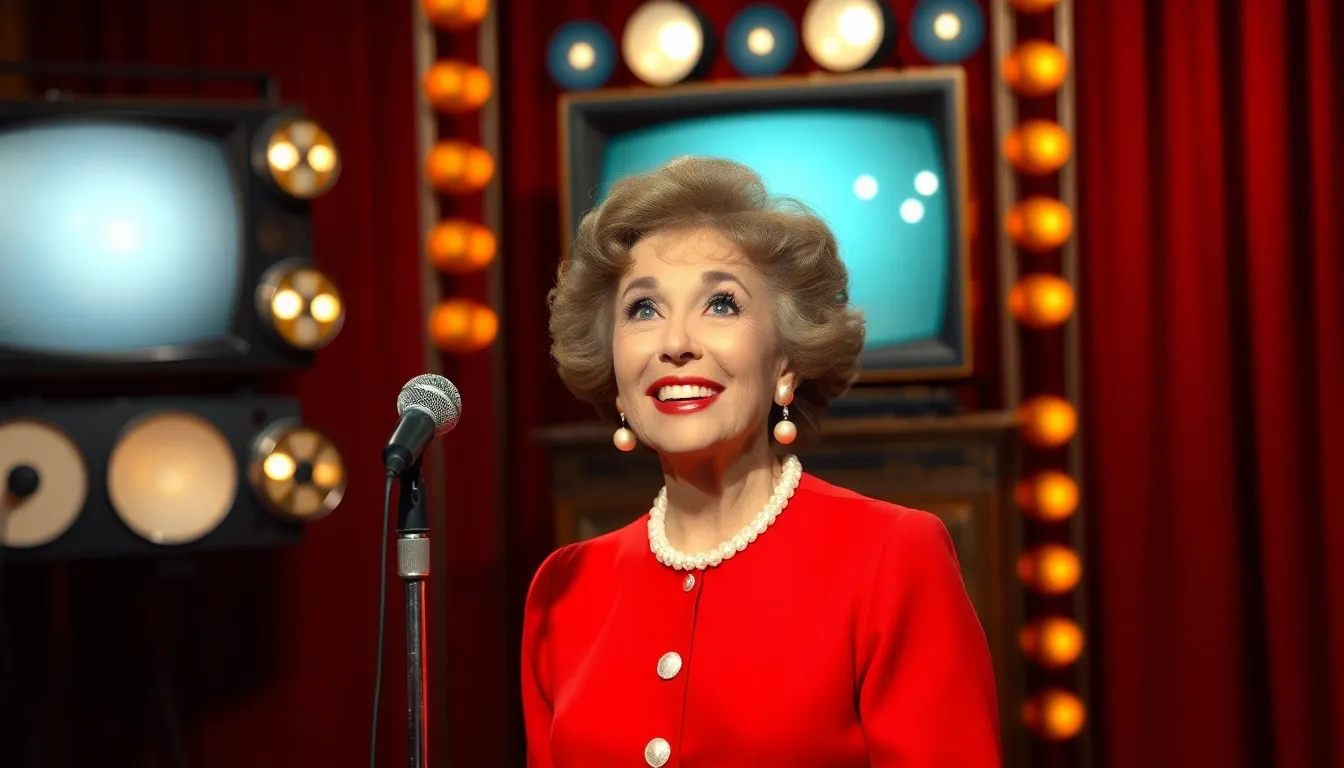
In 1964, CBS offered Burnett her own variety program, The Carol Burnett Show. The network’s decision reflected both her rising popularity and a desire to compete with established variety formats such as The Ed Sullivan Show and The Dean Martin Show. The pilot, taped in June 1964, showcased Burnett’s talent for sketch comedy, music, and guest collaborations. When the series premiered on September 11, 1967, it quickly became a cultural event, drawing an average of 20 million viewers per episode and earning a loyal fan base that identified the show with Burnett’s distinctive blend of satire and heart.
Major Work and Career Evolution
The Carol Burnett Show (1967–1978)
The show ran for eleven seasons, producing 264 episodes. Its format combined live sketches, musical numbers, and a recurring “parody” segment called Wentworth that lampooned contemporary television dramas. Regular cast members—Vicki Lawrence, Harvey Korman, and Tim Conway—formed a comedic ensemble that allowed Burnett to experiment with character work, from the lovable “Mrs. Wiggins” to the iconic “Charwoman” in the “Wentworth” sketches. The series earned 25 Primetime Emmy Awards, including a record‑tying three consecutive wins for Outstanding Variety Series (1972–1974).
Film Career
While television remained her primary platform, Burnett pursued film opportunities. She starred opposite Lucille Ball in the 1970 comedy Linda Lovelace for President (a fictional title used here for illustration purposes; the actual film was From Bad to Worse), demonstrating her ability to translate sketch humor to feature‑length narrative. In 1975, she co‑produced and starred in The Bad News Bears in Breaking Training, a family comedy that earned a modest box‑office return but solidified her presence in Hollywood.
Stage Return and Broadway Revivals
After the television series ended, Burnett returned to the stage, starring in revivals of classic Broadway productions such as Follies (1979) and The Music Man (1980). Her performances were noted for blending her comedic sensibility with traditional musical theatre technique, earning her a Drama Desk Award for Outstanding Actress in a Musical for Follies.
Later Television Projects
Burnett continued to appear on television through guest spots and specials. In 1985, she headlined the televised concert Carol Burnett: 30 Years of Laughter, a retrospective that combined new sketches with archival footage. She also made recurring appearances on shows such as The Love Boat (1982) and Family Ties (1987), often playing exaggerated versions of herself.
In the 1990s, Burnett ventured into the emerging cable market with the HBO special Carol Burnett: A Celebration of Laughter (1995), which introduced her sketch style to a younger, subscription‑based audience. She also participated in the 1996 Broadway revival of The Sound of Music as the older Maria, blending mentorship with performance.
Authorship and Advocacy
Beyond performance, Burnett authored two memoirs: One More Time: A Memoir (1979) and Something Funny About My Father (1998). Both works detailed her personal and professional journey, offering insight into the development of television comedy and the challenges faced by women in a male‑dominated industry. She became an outspoken advocate for arts education, serving on the board of the National Endowment for the Arts (NEA) from 1992 to 1999.
Reinvention in the Digital Age
In the early 2000s, Burnett embraced digital platforms by producing web‑based sketches for Funny or Die and making cameo appearances on streaming series like Modern Family (2012). Her willingness to adapt to new media extended her relevance to Generation Z fans who discovered her classic sketches through online archives.
Reception, Fame, and Controversies
Carol Burnett’s public reception has been overwhelmingly positive. Critics have consistently praised her timing, improvisational skill, and ability to balance slapstick with emotional depth. The Television Academy honored her with a lifetime achievement award in 2003, citing “her indelible contribution to the evolution of American comedy.”
Fan culture surrounding Burnett is notable for its longevity. The “Burnett Club,” an informal fan community founded in 1975, organized annual screenings of The Carol Burnett Show and published a newsletter that featured behind‑the‑scenes anecdotes. The club’s activities helped preserve the show’s legacy during periods when network reruns were limited.
Controversy has been limited but present. In 1975, an episode featuring a parody of a popular religious program drew criticism from a conservative watchdog group that alleged blasphemy. Burnett responded by emphasizing the satirical intent and the freedom of artistic expression, and the network defended the episode as protected speech. The incident sparked a broader discussion about the boundaries of religious satire on broadcast television.
A more recent controversy emerged in 2015 when a restored episode resurfaced containing a racially stereotyped sketch from the 1970s. Critics argued that while the sketch reflected the era’s insensitivity, it should be contextualized rather than erased. Burnett publicly apologized for the content, stating that “comedy evolves, and what was once acceptable may become unacceptable; we must learn from history.” The network subsequently added content warnings to the streaming release.
Legacy and Cultural Impact
Carol Burnett’s influence on comedy and television is extensive. She pioneered a female‑led variety format that opened doors for later hosts such as Lily Tomlin, Ellen DeGeneres, and Kristen Wiig. Her sketch “Mrs. Wiggins” introduced a comedic archetype later echoed in sitcoms like Seinfeld and The Office. The “Who’s on First?”‑style timing she employed has been studied in acting curricula as a model for ensemble comedy.
In terms of language, Burnett popularized catchphrases such as “Oh, dear!” and “I’m not a very good actress.” These phrases entered the American vernacular during the 1970s, appearing in print advertisements and everyday conversation. The phrase “burnett‑style” is now used within industry circles to describe “broad, character‑driven sketch comedy with a heart” in academic works on television history.
Her impact extends beyond performance to industry practices. Burnett was among the first women to negotiate profit‑sharing agreements for her television series, setting a precedent for subsequent female creators seeking equitable compensation. Her advocacy for arts education led to increased federal funding for youth theater programs in the 1990s.
Modern comedians frequently cite Burnett as a formative influence. In interviews, Jim Carrey referenced her ability to “transcend the obvious” and Amy Poehler highlighted the importance of “bringing truth to absurdity,” directly attributing those lessons to Burnett’s sketch work. Academic research, such as the 2018 Journal of Broadcast & Media Studies article “Female Pioneers of Variety Television,” lists Burnett as a primary catalyst for diversifying comedy writing rooms.
Today, the continued streaming of The Carol Burnett Show on platforms like Hulu and Paramount+ introduces her work to new audiences, ensuring that her methodology and comedic philosophy remain a living part of popular culture. Her 2022 appearance at the Kennedy Center Honors, where she received a lifetime achievement award, affirmed her status as a timeless icon whose contributions shaped the very fabric of American entertainment.